

 English
 русский
 عربى
عربى

Fang Xuelan — Customer After-Sales Supervisor
Home / Author / Fang Xuelan — Customer After-Sales Supervisor / High-Speed 4-Axis Wire EDM Machine for Precision Manufacturing
High-Speed 4-Axis Wire EDM Machine for Precision Manufacturing
2026-07-06
The DK-7725 CNC High-Speed Wire EDM Machine is designed for manufacturers that need reliable, accurate, and efficient metal cutting in mold production, precision mechanical processing, automotive components, electronics, aerospace parts, and other demanding industrial applications. As a 4-axis high-speed wire electrical discharge machining system, it combines compact machine size, a 250 kg worktable load capacity, stable cutting performance, and flexible CNC control to support small and medium-sized workpieces that require fine profiles, accurate contours, and consistent surface quality.
In modern manufacturing, precision is no longer the only requirement. Buyers also evaluate cutting speed, machine stability, maintenance cost, operator convenience, customization capability, supplier reliability, and long-term service support. The DK-7725 addresses these concerns through a balanced technical design: a rigid machine structure, X/Y/U/V four-axis linkage, high-frequency pulse discharge control, efficient wire transport, optional CNC cabinet configurations, and practical maintenance features. This combination makes it suitable not only for specialized mold shops but also for production environments where efficiency and repeatability directly affect profitability.
Compared with many conventional high-speed wire EDM machines, the DK-7725 offers a stronger balance between performance and ownership cost. Its maximum cutting efficiency can reach 10,000 to 16,000 mm²/h when matched with suitable CNC cabinet configurations, helping users reduce machining time and improve production throughput. Its four-axis linkage control enables taper cutting and complex profile machining, while its compact structure remains suitable for workshops where space efficiency matters. With a maximum worktable load of 250 kg, it can handle a wide range of small and medium-sized molds, inserts, die components, electrodes, plates, and precision conductive metal parts.
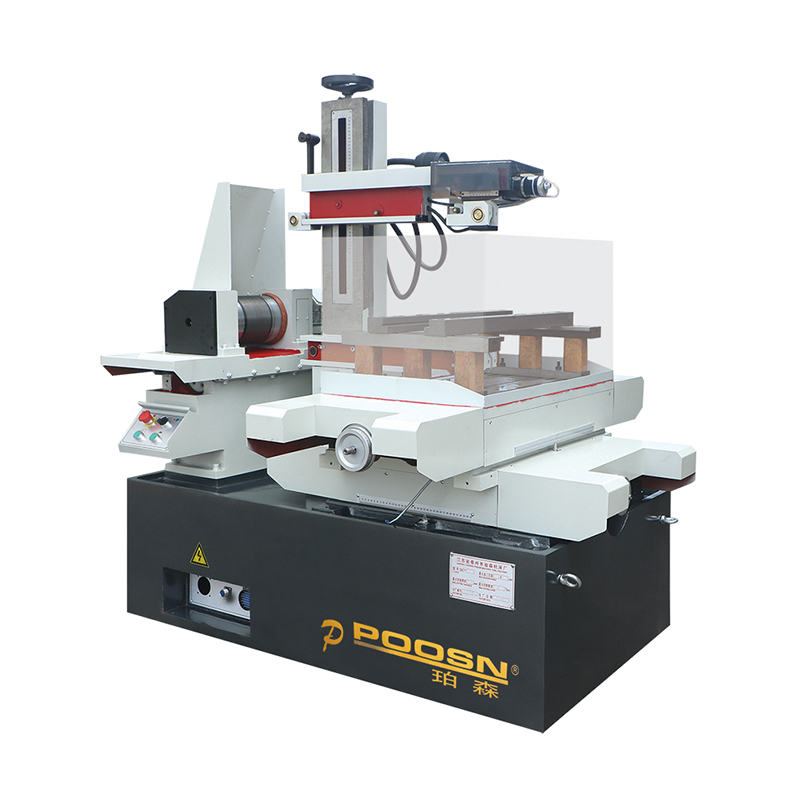
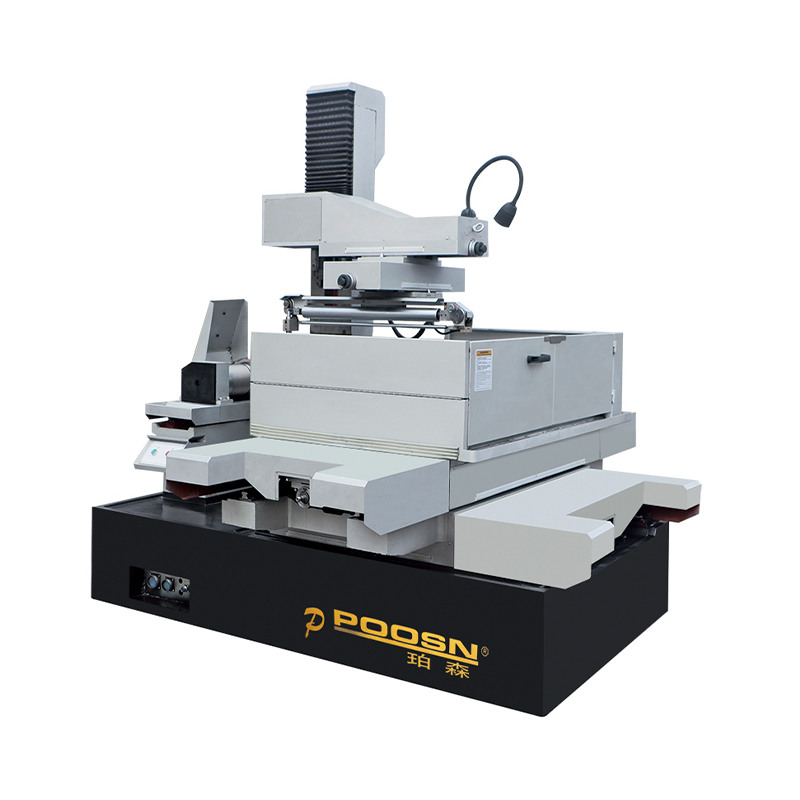
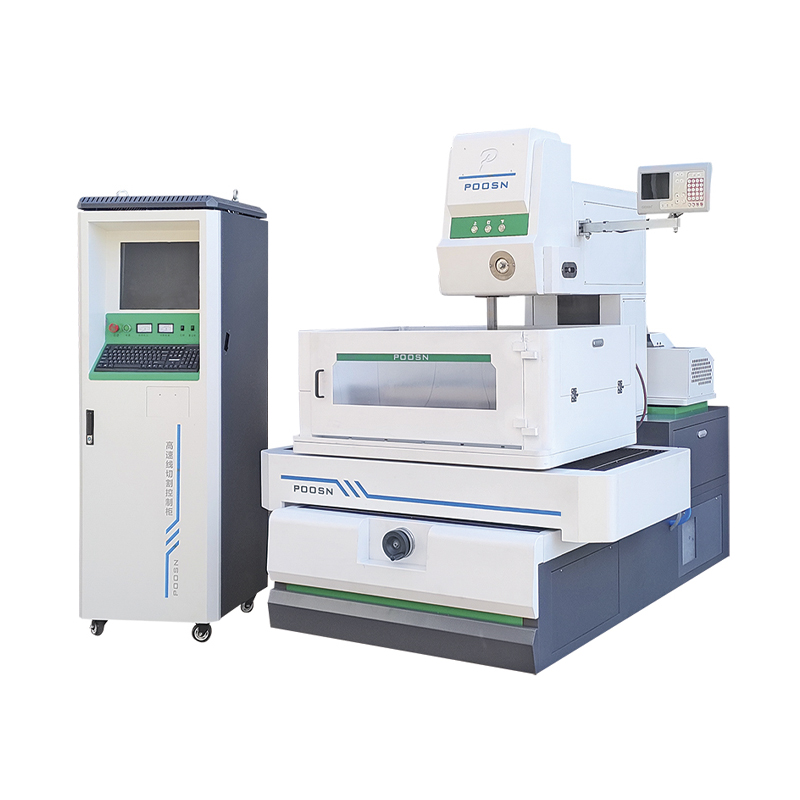
DK-7725 CNC High-Speed Wire EDM Machine (4-Axis, 250kg Load)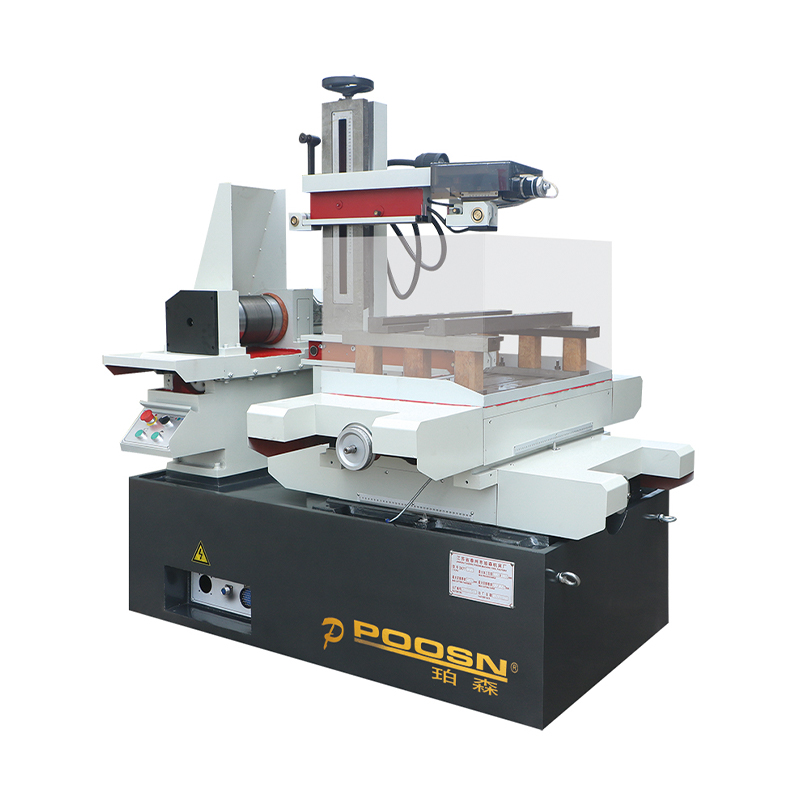
Content
- 1 Product Positioning and Industrial Value
- 2 Key Technical Advantages
- 3 Core Specifications
- 4 Precision Through Four-Axis CNC Control
- 5 High-Frequency Pulse Power Supply and Cutting Stability
- 6 Rigid Mechanical Structure for Long-Term Accuracy
- 7 Wire Transport and Constant Tension Benefits
- 8 Surface Finish and Secondary Processing Reduction
- 9 Applications in Mold Manufacturing
- 10 Applications in Precision Machinery
- 11 Applications in Electronics, Aerospace, and Automotive Components
- 12 Advantages Over Competing Machines
- 13 Manufacturing Strength Behind the Machine
- 14 Advanced Production and Quality Control Processes
- 15 CNC Cabinet Options and Operator Convenience
- 16 Customization and Model Selection
- 17 Low Maintenance Cost and Long-Term Reliability
- 18 Installation, Commissioning, and Technical Support
- 19 Environmental and Workshop Requirements
- 20 Economic Benefits for Manufacturers
- 21 Why the DK-7725 Is a Practical Choice
- 22 Q&A Section
- 22.1 What type of manufacturer is the DK-7725 best suited for?
- 22.2 What materials can the DK-7725 process?
- 22.3 What is the maximum workpiece load?
- 22.4 Does the machine support taper cutting?
- 22.5 How efficient is the cutting performance?
- 22.6 What surface finish can be achieved?
- 22.7 Is the DK-7725 suitable for mass production?
- 22.8 How does it compare with lower-cost wire EDM machines?
- 22.9 Is the machine easy to maintain?
- 22.10 What CNC cabinet options are available?
- 22.11 Can the machine be customized?
- 22.12 What installation environment is recommended?
- 23 Conclusion
- 24 References
- 25 Product: DK-7725 CNC High-Speed Wire EDM Machine (4-Axis, 250kg Load)
Product Positioning and Industrial Value
The DK-7725 belongs to the DK-77 high-speed WEDM category. It is especially valuable for enterprises seeking an economical and productive solution for precision conductive material cutting. High-speed wire EDM remains widely used because it can cut hardened steel, stainless steel, copper, aluminum, alloy steel, cemented carbide, and other conductive materials without applying large mechanical cutting forces to the workpiece. This is particularly important when machining thin-wall parts, hardened molds, difficult contours, and small precision components.
Traditional cutting methods such as milling, grinding, sawing, and broaching may struggle with hard materials, internal sharp corners, intricate cavities, or small batch custom shapes. Wire EDM solves these challenges by using controlled spark discharge between a moving electrode wire and the workpiece. Since the process removes material thermally rather than through direct mechanical contact, it reduces tool pressure, minimizes distortion, and enables accurate cutting after heat treatment. This advantage makes the DK-7725 a strong choice for mold manufacturers and precision part suppliers that need dimensional accuracy and controlled surface quality.
The DK-7725 is not positioned as a single-purpose machine. It is designed as a flexible manufacturing asset for companies producing many different part types. The machine supports small and medium-sized part machining, precision mold processing, small-batch production, and repeated production of components with strict dimensional requirements. Its 250 × 320 mm X/Y travel size and 410 × 600 mm worktable size provide practical capacity for many common industrial workpieces, while its 350 mm maximum cutting thickness allows it to process relatively thick materials within its class.
For companies comparing equipment options, the DK-7725 offers a practical entry point into high-speed CNC wire EDM without sacrificing essential performance features. Many competing machines focus either on low initial cost with limited stability or high-end features at a much higher investment level. The DK-7725 aims to provide a more balanced option: reliable high-speed cutting, precision control, convenient operation, and manageable maintenance requirements.
Key Technical Advantages
One of the main advantages of the DK-7725 is high-efficiency cutting. With suitable CNC cabinet pairing, the machine can achieve a cutting efficiency range of 10,000 to 16,000 mm²/h. This level of performance is highly beneficial for production shops that need to shorten machining cycles, improve equipment utilization, and respond quickly to customer orders. Faster cutting does not only mean higher speed; it also means reduced production waiting time, better delivery reliability, and improved cost control.
The second major advantage is X/Y/U/V four-axis linkage control. This feature allows the machine to perform straight cutting, taper cutting, and more complex geometric processing. The U and V axes work together with the X and Y axes to control wire inclination, enabling taper angles up to ±6°/80 mm. This is particularly useful for mold inserts, punch and die components, tapered cavities, extrusion dies, and other workpieces requiring non-vertical side walls.
The third advantage is stable load capacity. With a maximum worktable load of 250 kg, the DK-7725 can process many practical mold and precision component sizes while maintaining compact dimensions. A strong worktable and rigid support structure help preserve accuracy under load, which is essential in EDM machining where small positional errors can affect final part quality.
The fourth advantage is the machine’s reliability. The robust mechanical layout, high-rigidity casting structure, precision transmission components, and electronic control system are designed to support long-term stable operation. In manufacturing environments, downtime can be more expensive than the machine itself over time. A stable machine reduces unexpected stoppages, improves scheduling confidence, and supports consistent production quality.
The fifth advantage is cost-effectiveness. The DK-7725 is designed to improve output while controlling maintenance and operating expenses. Its simple structure, automatic lubrication concept, modular maintenance approach, and accessible components help reduce the burden on operators and maintenance teams. This is especially valuable for small and medium-sized manufacturers that need professional machining performance without excessive ownership complexity.
Core Specifications
| Specification | DK-7725 Performance | Manufacturing Benefit |
| Worktable Size | 410 × 600 mm | Suitable for small and medium-sized workpieces, mold inserts, and precision parts |
| X/Y Travel Size | 250 × 320 mm | Supports common precision machining dimensions in mold and component production |
| Maximum Cutting Thickness | 350 mm | Allows processing of relatively thick conductive materials within a compact machine class |
| Maximum Cutting Taper | ±6°/80 mm | Enables tapered profiles, die cavities, and complex mold features |
| Maximum Cutting Efficiency | 10,000 to 16,000 mm²/h | Improves productivity and shortens machining cycles |
| Optimal Surface Roughness | Ra ≤ 2.5 μm | Supports fine surface finish requirements and reduces secondary finishing workload |
| Drive Type | X, Y, U, V-axis stepper drive with four-axis linkage | Provides coordinated control for precision cutting and taper machining |
| Control Cabinet | Standard ZH-K68 desktop cabinet; optional ZHZK-03 vertical cabinet | Allows configuration flexibility according to workshop and operator needs |
| Power Supply | 3N 380V ±10 | Suitable for industrial power environments |
| Maximum Worktable Load | 250 kg | Handles a practical range of workpieces while maintaining stability |
| Machine Weight | 800 kg | Offers a strong structure with manageable installation requirements |
| Machine Dimensions | 1300 × 1080 × 1625 mm | Compact footprint for efficient workshop layout |
Precision Through Four-Axis CNC Control
The four-axis control system is one of the most important reasons to choose the DK-7725. In basic wire EDM cutting, only the X and Y axes are required to guide the wire path. However, many industrial parts require tapered surfaces, inclined cuts, matching upper and lower profiles, or complex geometry that cannot be created efficiently with only two-axis motion. By adding U and V axis control, the DK-7725 can incline the wire and perform coordinated cutting actions.
This four-axis linkage provides practical benefits in mold manufacturing. For example, punch and die clearance requirements often demand small taper corrections. Injection mold inserts may require relief angles. Stamping dies may need accurate verticality or controlled taper according to the material thickness and forming requirement. The DK-7725 allows operators to program these geometries through CNC control rather than relying on manual compensation or secondary processing.
Compared with machines that offer limited taper accuracy or unstable multi-axis control, the DK-7725 provides better practical flexibility for complex profiles. The listed linear cutting accuracy of 0.005 mm and taper accuracy of 0.015 mm indicate that the machine is suitable for precision mold and mechanical component production where dimensional consistency is crucial. Although actual accuracy depends on material, thickness, wire condition, working fluid, operator settings, and environment, the machine’s mechanical and control foundation supports high-precision results when properly used.
The CNC system also improves repeatability. In production machining, making one accurate part is not enough. The machine must repeat the same result over multiple pieces and across different shifts. The DK-7725’s digital control interface, stable discharge parameters, and coordinated motion system help operators maintain consistent results. This is a major advantage over lower-grade or older wire EDM equipment that may require frequent manual adjustment and deeper operator experience.
High-Frequency Pulse Power Supply and Cutting Stability
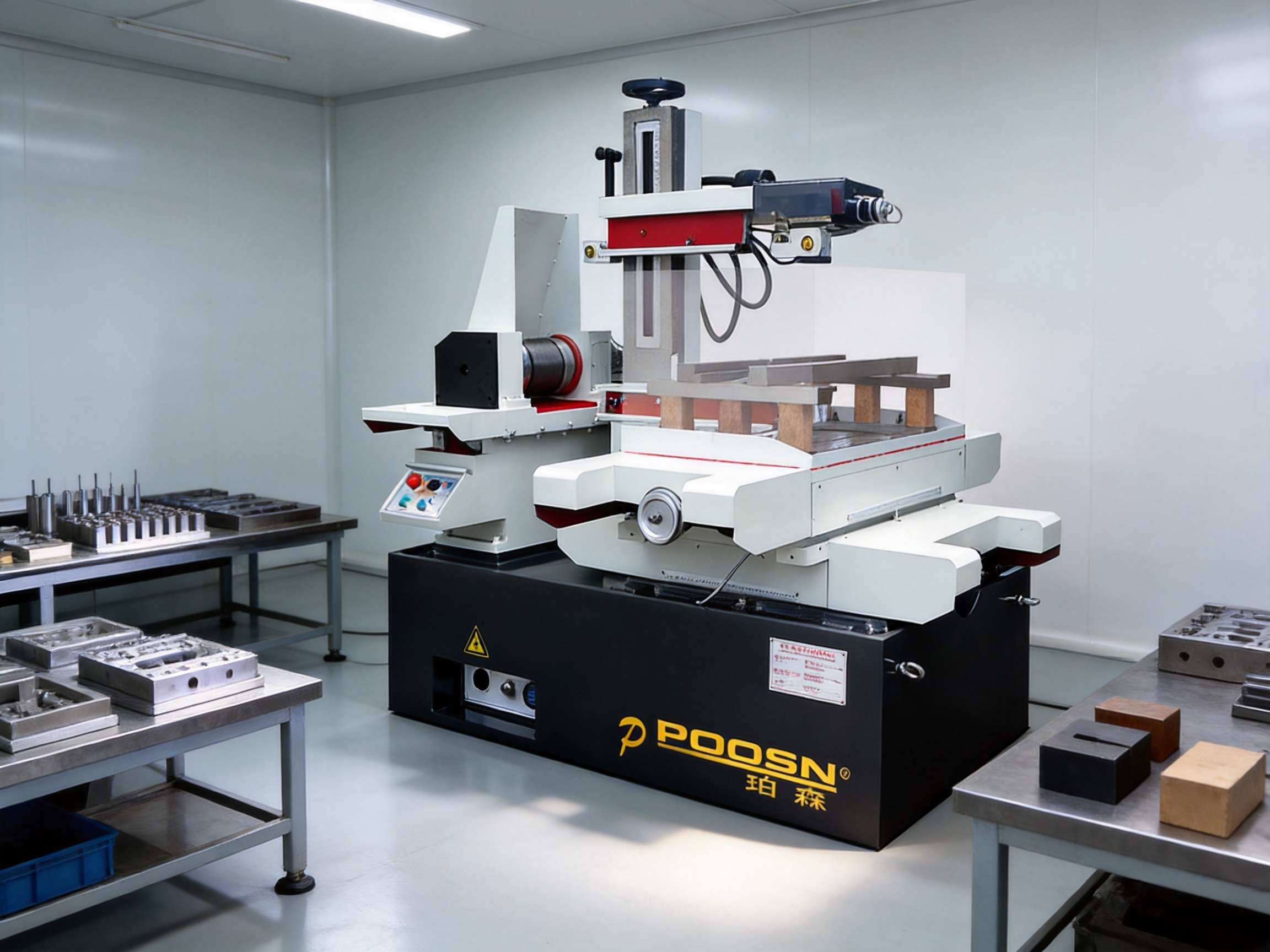
The performance of a wire EDM machine depends heavily on its high-frequency pulse power supply. During machining, sparks occur in the gap between the moving wire electrode and the workpiece. Each discharge removes a tiny amount of material. To maintain stable cutting, the system must control pulse width, pulse interval, discharge energy, wire feed, working fluid flushing, and gap conditions. If the discharge is unstable, cutting speed decreases, wire breakage risk increases, and surface quality becomes inconsistent.
The DK-7725 uses an optimized high-frequency pulse control concept to improve gap sampling efficiency and stabilize spark discharge. This helps maintain a more consistent machining gap even during high-speed wire travel. Stable discharge control is especially important when cutting thick workpieces, sharp corners, and materials with different conductivity characteristics. Good pulse stability reduces abnormal arcing, improves chip evacuation, and helps extend wire life.
In practical production, this means operators can achieve higher efficiency without constantly sacrificing reliability. Many low-cost machines can advertise cutting speed, but speed without stable discharge often leads to wire breakage, poor finish, and inconsistent dimensions. The DK-7725’s value lies in combining productive cutting efficiency with controlled machining behavior. For manufacturers, this balance is more important than peak speed alone.
The power supply system also supports material flexibility. Steel, stainless steel, copper, aluminum, quenched tool steel, and cemented carbide all respond differently to EDM discharge. A machine with adjustable pulse parameters gives operators better control over cutting speed, surface finish, and wire consumption. This makes the DK-7725 suitable for workshops that process diverse customer orders rather than a single material type.
Rigid Mechanical Structure for Long-Term Accuracy
Machine rigidity directly influences wire EDM accuracy. Although EDM does not create the same cutting forces as milling or turning, structural stability remains essential. Thermal changes, vibration, workpiece weight, guide rail quality, lead screw accuracy, and machine leveling all affect final machining results. The DK-7725 uses a robust structure based on high-strength casting design to support long-term dimensional stability.
The machine bed is designed to resist deformation and vibration during production. Cast components undergo aging treatment to release internal stress, helping reduce long-term distortion after installation. This is important because even small structural changes can affect positioning accuracy and cutting consistency. A stable bed enables smoother table movement, better contour accuracy, and improved surface quality.
Transmission components such as guide rails and lead screws are selected with attention to low friction, positioning accuracy, and motion smoothness. Smooth motion helps reduce contour errors, especially during arcs, corners, and complex profiles. In wire EDM, the cutting path is often generated from CAD or CNC programs, and the machine must faithfully follow the programmed geometry. Mechanical backlash, vibration, or uneven axis motion can lead to dimensional deviations. The DK-7725 addresses these risks through a rigid mechanical platform and coordinated axis control.
The 800 kg machine weight also contributes to stability while remaining practical for installation in many workshops. It is heavy enough to provide a stable machining base, yet compact enough for facilities that need efficient floor space utilization. Its dimensions of 1300 × 1080 × 1625 mm allow users to integrate it into small and medium-sized production areas without excessive space demands.
Wire Transport and Constant Tension Benefits
Wire transport is another decisive factor in EDM performance. In high-speed wire EDM, molybdenum wire typically travels repeatedly through the cutting zone. Wire tension, guide wheel condition, conductive block contact, flushing conditions, and wire vibration all influence surface finish and dimensional accuracy. The DK-7725 incorporates practical wire transport design principles to support stable cutting and longer wire service life.
Constant tension control helps reduce wire vibration and abnormal wear. If wire tension is too low, the wire may deflect during cutting, causing poor accuracy and unstable spark gaps. If tension is too high, the wire may break more easily and wear components faster. A balanced tension system maintains stable wire behavior and contributes to consistent cutting results.
Compared with machines that rely on less stable wire feeding mechanisms, the DK-7725 provides better consistency during long cutting paths and thick workpiece processing. This is especially important for mold and die work, where one interrupted cut can waste hours of machining time or damage a nearly finished part. Stable wire movement lowers production risk and improves operator confidence.
Maintenance of the wire system is straightforward. Users should regularly inspect guide wheels, guide nozzles, conductive blocks, wire drums, and working fluid cleanliness. Proper maintenance helps extend molybdenum wire life and prevent avoidable accuracy issues. The DK-7725’s design philosophy emphasizes practical serviceability, making it easier for workshop teams to maintain stable operating conditions.
Surface Finish and Secondary Processing Reduction
The DK-7725 can achieve an optimal surface roughness of Ra ≤ 2.5 μm under suitable conditions. Surface quality in wire EDM depends on discharge parameters, material type, thickness, wire speed, working fluid, flushing, and finishing passes. For many industrial applications, a fine EDM finish reduces the amount of grinding, polishing, or fitting required after cutting.
Reducing secondary processing is a major cost advantage. In mold production, manual finishing can consume significant labor time and introduce dimensional variation. A wire EDM machine that produces consistent surface texture helps improve downstream efficiency. It also allows manufacturers to deliver parts faster and with better repeatability.
Compared with lower-grade machines that may leave rougher surfaces or inconsistent discharge marks, the DK-7725’s stable high-frequency pulse control and CNC path coordination help produce more uniform results. This is especially valuable around corners, arcs, narrow slots, and delicate profiles. Uniform surface texture improves part appearance and can enhance functional performance in sliding, fitting, and sealing applications.
For parts requiring even finer finish, process planning remains important. Operators can use optimized electrical parameters, multiple passes, suitable wire condition, and clean working fluid to achieve improved surface results. The DK-7725 gives users the control foundation needed to tune the process according to accuracy, speed, and finish priorities.
Applications in Mold Manufacturing
Mold manufacturing is one of the most important application areas for the DK-7725. Mold components often require high hardness, tight dimensional tolerance, fine surface finish, and complex geometry. Wire EDM is widely used because it can cut after heat treatment, reducing deformation problems that may occur if parts are machined before hardening.
The DK-7725 is suitable for processing precision mold inserts, punches, dies, cavity profiles, narrow slots, ejector plate openings, guide components, and shaped cutouts. Its four-axis taper control supports mold features that require draft angles or clearance compensation. The machine’s cutting thickness capacity of 350 mm allows it to process many common mold plates and inserts.
In mold shops, production schedules are often urgent. A machine that combines cutting efficiency with accuracy helps reduce lead time. The DK-7725’s maximum cutting efficiency of up to 16,000 mm²/h under suitable conditions allows manufacturers to handle urgent jobs more effectively. Its compact size also allows multiple units to be installed in a workshop for parallel production, improving overall capacity.
Compared with competitors that may provide only basic cutting ability, the DK-7725 delivers a more complete mold machining solution. It supports efficient rough cutting, precision contouring, taper cutting, stable operation, and manageable maintenance. For mold manufacturers serving automotive, electronics, home appliance, hardware, and precision tooling markets, these features directly support competitiveness.
Applications in Precision Machinery
Precision machinery manufacturers often need to cut parts that are difficult to machine by conventional methods. These may include small slots, shaped holes, thin plates, hardened components, precision spacers, special fixtures, and complex conductive metal profiles. The DK-7725 is well suited for such work because it provides high accuracy without imposing heavy mechanical loads on the workpiece.
Industries such as aviation, automotive, electronics, and instrument manufacturing frequently require stable dimensional control. The DK-7725’s CNC programming capability allows users to produce complex profiles from digital drawings, reducing manual layout work and improving repeatability. This is especially helpful for small-batch and custom production.
The machine’s 250 kg load capacity provides enough strength for many mechanical components while preserving precision. Its four-axis system also enables angled features that would otherwise require additional setups on different machines. Reducing setups improves accuracy because each repositioning step introduces potential error.
For precision machining companies, equipment flexibility is a strategic advantage. Customer orders vary in material, shape, quantity, and tolerance. The DK-7725 supports this variety through adjustable EDM parameters, CNC contour control, and compatibility with multiple conductive materials. This allows one machine to serve many production needs.
Applications in Electronics, Aerospace, and Automotive Components
The electronics industry often requires small and accurate metal parts, including connectors, micro-components, precision plates, tooling inserts, and assembly fixtures. Wire EDM is useful for these parts because it can create fine details and narrow features with high repeatability. The DK-7725’s stable cutting system supports these requirements while maintaining efficient production capacity.
In aerospace manufacturing, parts may use high-strength alloys, complex contours, and strict quality requirements. Although the DK-7725 is compact, it can play an important role in producing precision tooling, test fixtures, prototype parts, and specialized components. Its ability to process conductive materials without direct cutting force makes it useful for difficult materials and delicate geometries.
Automotive component manufacturing also benefits from high-speed wire EDM. Automotive suppliers often need dies, gauges, fixtures, precision plates, and batch components with consistent dimensions. The DK-7725 can support both tooling production and small-to-medium batch component processing. Its efficiency helps shorten production cycles, while its accuracy supports quality consistency.
Across these sectors, the machine’s value comes from a combination of productivity, flexibility, and stability. A manufacturer investing in the DK-7725 is not merely buying a cutting machine; it is adding a process capability that can support design freedom, rapid production response, and improved part quality.
Advantages Over Competing Machines
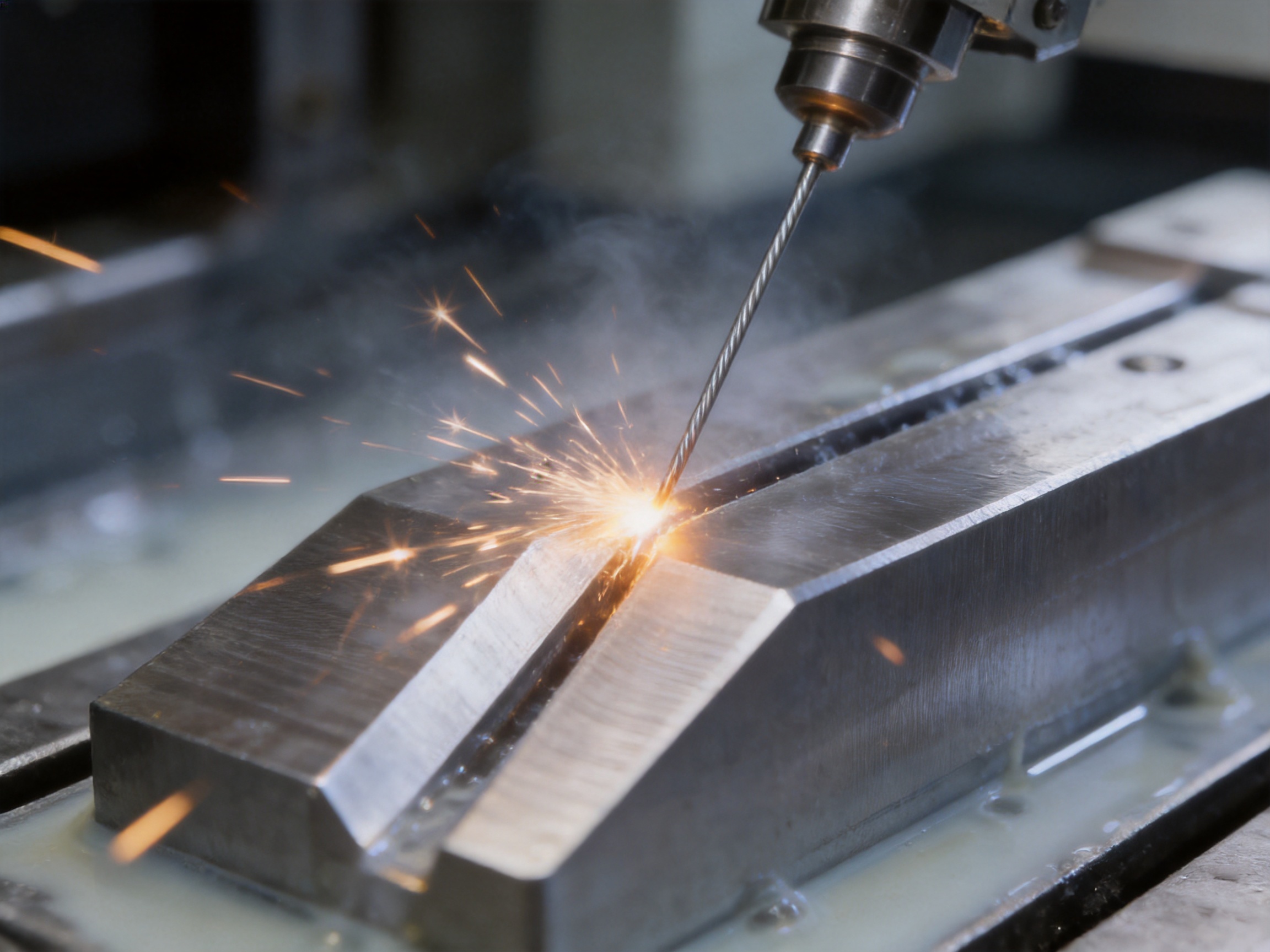
The DK-7725 stands out from many competing wire EDM machines through a balanced combination of speed, accuracy, load capacity, compact footprint, and serviceability. Some machines may offer low pricing but compromise rigidity, control quality, or long-term reliability. Others may offer advanced functions but require a significantly higher investment and more complex maintenance. The DK-7725 occupies a practical middle ground for manufacturers that need industrial performance and reasonable operating cost.
First, its high cutting efficiency directly supports productivity. The 10,000 to 16,000 mm²/h cutting efficiency range, when paired with appropriate CNC cabinet configurations and correct process settings, allows users to complete jobs faster than many basic high-speed WEDM systems. Faster machining improves equipment utilization and reduces lead time.
Second, its four-axis linkage gives it greater application flexibility than two-axis machines. Taper cutting and complex profile processing are essential in many mold and tooling applications. A machine without reliable U/V control may force users to perform additional operations or outsource complex work. The DK-7725 helps keep more processes in-house.
Third, the machine offers strong practical accuracy. The reported linear cutting accuracy of 0.005 mm and taper accuracy of 0.015 mm meet the needs of many precision mold and mechanical part applications. Competing machines with weaker structures or less stable discharge systems may struggle to maintain accuracy over time, especially under production pressure.
Fourth, the DK-7725 provides a compact but capable work envelope. It is large enough for many valuable industrial jobs, yet small enough to fit efficiently into crowded workshops. This improves return on floor space, an important factor for manufacturers operating multiple machines.
Fifth, maintenance is designed to be manageable. Modular components, accessible service points, and automatic lubrication concepts reduce downtime and help users maintain the machine without excessive technical burden. Machines that are difficult to maintain often lose their productivity advantage through frequent stoppages.
Sixth, customization and model selection support are available. Customers can choose related models such as DK-7735, DK-7745, DK-7745F, and larger F-series machines when greater travel, load capacity, or cutting thickness is needed. This product family approach allows buyers to match equipment to actual production requirements rather than forcing one machine to serve every need.
Manufacturing Strength Behind the Machine
The quality of a wire EDM machine depends not only on its design but also on the manufacturing capability of the producer. Taizhou Xinchengyang Machinery Manufacturing Co., Ltd. has years of experience in research, development, and production of electrical discharge machining equipment, special processing technologies, and related machine tools. The company’s product lines include medium-speed wire-cutting EDM machines, high-speed wire-cutting EDM machines, and large-taper wire-cutting EDM machines.
One of the company’s strengths is its technical foundation in EDM equipment. Wire EDM requires integrated knowledge of mechanical design, electrical discharge control, CNC motion, fluid systems, machine accuracy testing, and application engineering. A manufacturer with long-term specialization can better understand practical user problems such as wire breakage, unstable discharge, workpiece deformation, taper accuracy, and maintenance convenience.
The company also emphasizes advanced processing equipment and comprehensive testing methods. Each machine tool is manufactured according to relevant national standards, and positioning accuracy testing is performed to support high-quality output. This testing culture is important because machine tool quality must be verified, not assumed. Accuracy inspection helps ensure that the machine delivered to the customer is capable of meeting production requirements.
The company’s development history reflects continuous improvement. Since 1999, the team has specialized in electrical discharge wire cutting. The POOSN brand originated in 2003, and later cooperation and market development strengthened the company’s industry presence. In 2017, Taizhou Xinchengyang Machinery Manufacturing Co., Ltd. was established with registered capital of 60 million yuan and built its own factory. In 2018, the company obtained a patent related to a fully automatic CNC machine tool featuring plate-type winding and suction-type adhesive technology. In 2021, it was recognized as a High-Tech Enterprise in Taizhou.
This manufacturing background gives the DK-7725 an important advantage over machines from suppliers with limited production control or weak technical service capability. A strong manufacturer can provide better process advice, more reliable spare parts support, and more consistent machine quality. For buyers, supplier strength is a key part of equipment value.
Advanced Production and Quality Control Processes
Producing a reliable wire EDM machine requires strict control over many manufacturing stages. The process begins with structural design and material selection. High-rigidity cast iron structures are selected for vibration damping and dimensional stability. Castings undergo aging treatment to reduce internal stress before precision machining. This step helps prevent long-term deformation after the machine is assembled and installed.
After casting preparation, critical surfaces are machined with attention to flatness, perpendicularity, parallelism, and alignment. Guide rail mounting surfaces, screw supports, worktable interfaces, and column structures must be processed accurately because they form the mechanical foundation of the CNC motion system. Errors at this stage can be difficult to correct later.
Assembly is performed with careful alignment of guide rails, lead screws, worktable components, wire transport mechanisms, and electrical systems. Axis movement is checked to ensure smooth travel and accurate response. The CNC control cabinet is integrated with the machine body, pulse power supply, motors, sensors, and operating interface. Electrical wiring and grounding must be carefully handled because EDM machining depends on stable electrical discharge and control signal reliability.
Quality inspection includes machine accuracy verification, movement testing, functional testing, discharge testing, and cutting performance checks. Positioning accuracy testing helps confirm that the X/Y/U/V axis system can perform according to design expectations. Cutting tests help validate spark stability, wire transport, flushing performance, and surface finish. Only through this full-process control can the machine achieve stable performance in customer workshops.
Compared with suppliers that focus mainly on assembly or low-cost component sourcing, a manufacturer with full-process quality control provides better consistency. The DK-7725 benefits from this manufacturing discipline because every subsystem must work together: mechanical structure, electrical control, pulse discharge, wire movement, cooling, filtration, and CNC programming.
CNC Cabinet Options and Operator Convenience
The DK-7725 is available with a standard ZH-K68 desktop cabinet and an optional ZHZK-03 vertical cabinet. This provides flexibility for users with different workshop layouts and operator preferences. A suitable control cabinet improves usability, reduces operator fatigue, and supports efficient production scheduling.
Operator convenience is an important but sometimes underestimated factor in machine selection. A machine with strong technical capability can still underperform if the interface is difficult to use or if programming is inefficient. The DK-7725’s CNC system is designed to be simple and practical, making it suitable for operators with different technical backgrounds. Clear operation, efficient programming, and stable control help shorten the learning curve.
The control system supports four-axis simultaneous control and machining of complex geometries. It can assist with path execution, parameter control, and production repeatability. For workshops handling many different jobs, easy programming and operation can save significant time. Operators can move from drawing to cutting more efficiently, improving machine utilization.
Compared with older machines that rely heavily on manual adjustment, the DK-7725 improves digital process control. This reduces dependence on individual operator experience and helps companies standardize production. Standardization is especially important when multiple operators use the same machine or when a company plans to expand production capacity.
Customization and Model Selection
Not every user has the same machining requirement. The DK-7725 is ideal for small and medium-sized parts, precision mold processing, high-precision work, and small-batch production. However, some users may require larger travel, higher load capacity, thicker cutting capability, or extra-large workpiece processing. The broader DK series allows customers to select a machine according to their production needs.
The DK-7735 is suitable for medium-sized components and mold processing requiring a larger workbench. The DK-7745 supports larger parts and high-precision molds, making it useful for aerospace and automotive component processing. The DK-7745F is designed for extra-large workpieces and high-precision heavy components. Larger models such as DK-7755F, DK-7763F, DK-7780F, and DK-77100F provide greater worktable size, travel, cutting thickness, and load capacity for heavy-duty applications.
This model selection flexibility is an advantage over suppliers offering only limited configurations. A buyer can begin with the DK-7725 for compact precision work and later add larger machines as production needs grow. The same supplier relationship can support multiple machine sizes, simplifying training, spare parts planning, and technical support.
Customization services are also available according to customer requirements. This can include machining solutions for specialized workpieces, process recommendations, configuration adjustments, and support for industry-specific needs. Customization is particularly valuable for manufacturers working in aerospace, automotive, electronics, and specialized mold sectors where standard processes may not fully meet production requirements.
Low Maintenance Cost and Long-Term Reliability
Maintenance cost has a major effect on the real value of a machine tool. A low purchase price can become expensive if the machine requires frequent repairs, consumes excessive wire, produces unstable quality, or causes production delays. The DK-7725 is designed with reliability and serviceability in mind.
The machine’s stable structure, efficient electronic control system, and automatic lubrication concept help reduce manual intervention. Regular maintenance tasks include checking lubrication, cleaning working fluid, inspecting guide wheels and nozzles, verifying conductive block condition, checking wire tension, maintaining electrical cabinet cleanliness, and ensuring proper grounding. These tasks are straightforward and help keep the machine in stable condition.
Modular design provides another maintenance advantage. Core circuit boards and mechanical transmission components are designed for easier disassembly and replacement. This reduces repair time when service is needed. Availability of spare parts and professional technical support further reduces downtime risk.
Compared with competing machines that may use nonstandard components or lack organized service support, the DK-7725 offers better long-term ownership security. For manufacturers that depend on consistent production, this reliability is a major purchasing factor.
Installation, Commissioning, and Technical Support
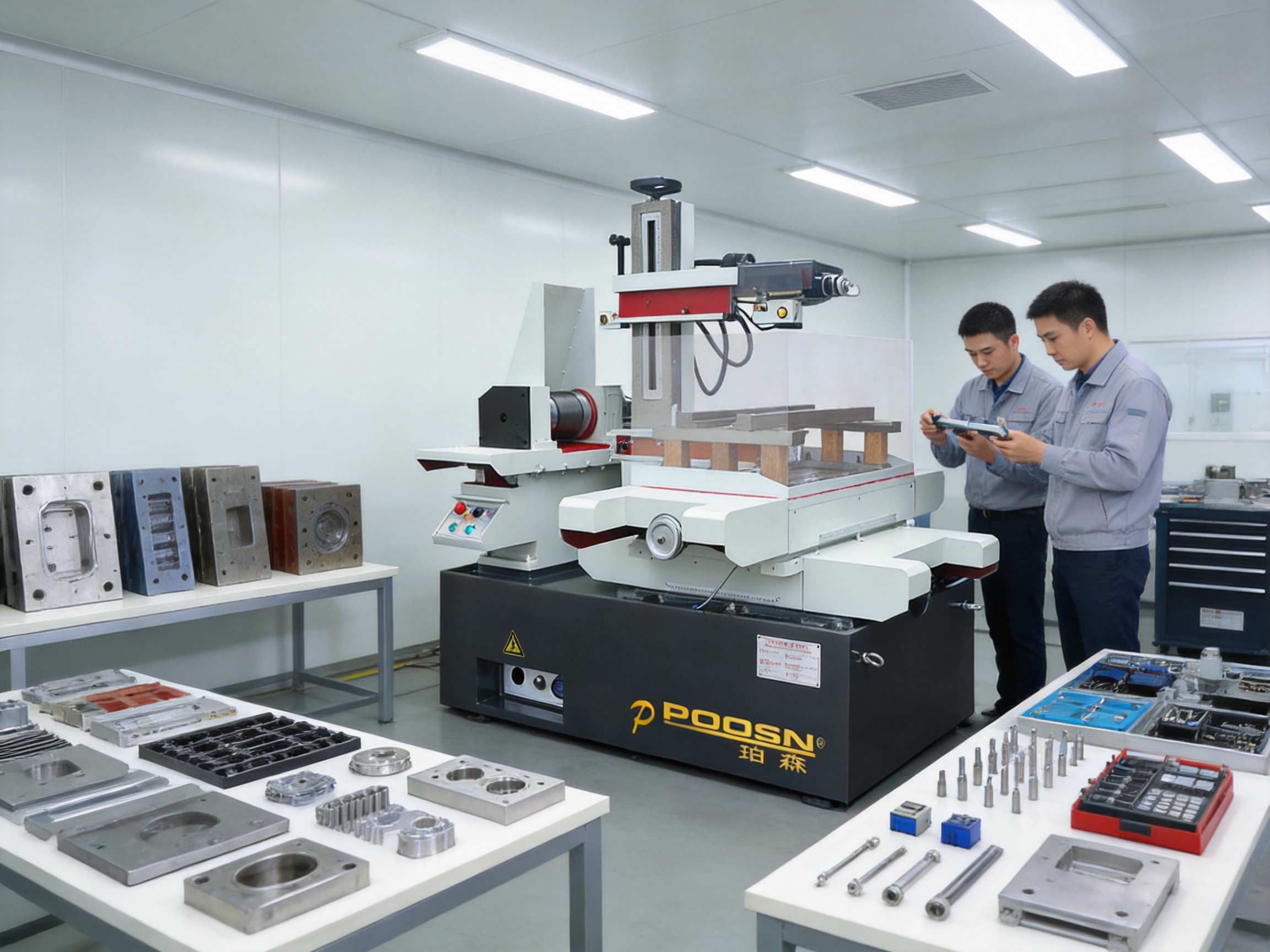
Professional installation and commissioning are essential for achieving the best performance from any precision wire EDM machine. Even a well-built machine can underperform if it is installed on an unstable foundation, poorly leveled, exposed to excessive vibration, or connected to an unstable power supply. The supplier provides installation and commissioning support to help users establish correct operating conditions.
During commissioning, technicians can perform leveling, accuracy checks, functional testing, and basic cutting verification. They can also help operators understand machine operation, parameter adjustment, wire handling, working fluid management, and maintenance routines. This early support reduces startup problems and helps the machine enter production more quickly.
Training is also important. Operators need to understand not only how to start the machine but also how to select suitable parameters for different materials and thicknesses. They should know how to prevent wire breakage, maintain flushing conditions, check consumable parts, and interpret cutting results. Practical training improves efficiency and reduces avoidable mistakes.
Continuous maintenance support strengthens long-term value. Regular performance inspection, software support, spare parts supply, and process advice help keep the machine operating effectively. For buyers, this service assurance is an important difference between a simple equipment transaction and a complete manufacturing solution.
Environmental and Workshop Requirements
To achieve high-precision results, the DK-7725 should be installed in a suitable workshop environment. Temperature stability is important because thermal expansion can affect machine geometry and workpiece dimensions. Large temperature fluctuations should be avoided, especially for precision mold and mechanical component processing.
The machine should also be located away from strong vibration sources such as heavy stamping equipment, forging machines, large compressors, or unstable flooring. Although the DK-7725 has a rigid structure, external vibration can still influence precision cutting. A stable foundation helps maintain accuracy.
Strong magnetic field interference should be avoided because it may affect electrical systems and control stability. Proper grounding is essential for safe and stable EDM operation. The power supply should meet industrial requirements, and electrical installation should follow relevant safety standards.
Working fluid management is another important environmental factor. Clean working fluid improves discharge stability, cooling, and chip removal. Filtration should be maintained regularly to prevent debris accumulation. A clean machining environment improves surface finish and reduces machine wear.
Economic Benefits for Manufacturers
The DK-7725 helps manufacturers improve profitability through higher productivity, reduced secondary processing, lower maintenance burden, and broader machining capability. Its high cutting efficiency shortens cycle time, allowing more jobs to be completed within the same work period. This improves revenue potential for job shops and helps in-house manufacturers reduce bottlenecks.
Its precision and surface finish capability reduce rework and manual finishing. Rework is costly because it consumes labor, delays delivery, and may lead to scrap. A stable EDM machine helps reduce these hidden costs. Better repeatability also improves customer satisfaction and supports long-term business relationships.
The machine’s ability to process different conductive materials increases job flexibility. A workshop can accept more types of orders, from mold inserts to precision plates and special components. This flexibility improves equipment utilization and reduces the risk of idle capacity.
The compact footprint also has economic value. Floor space is expensive in manufacturing facilities. A machine that provides strong capability without occupying excessive space supports efficient workshop planning. Multiple DK-7725 units can be arranged for parallel production if demand grows.
Why the DK-7725 Is a Practical Choice
The DK-7725 is a practical choice for manufacturers that need high-speed wire EDM capability but also care about cost, reliability, and usability. It is not merely a specification-driven product; it is built around real production needs. Users need machines that cut accurately, run stably, remain easy to maintain, and receive reliable support when problems arise.
Its combination of 4-axis linkage, 250 kg load capacity, 350 mm cutting thickness, 10,000 to 16,000 mm²/h cutting efficiency, Ra ≤ 2.5 μm surface roughness, and compact dimensions makes it suitable for a wide range of applications. It supports precision mold manufacturing, mechanical component processing, electronics tooling, aerospace-related work, and automotive components.
The manufacturer’s experience, testing procedures, product family, and service system strengthen the machine’s value. Buyers receive not only a machine tool but also technical knowledge, process support, and long-term service assurance. This is an important advantage in a market where machine appearance can be similar, but real performance depends on design quality, manufacturing discipline, and service capability.
Q&A Section
What type of manufacturer is the DK-7725 best suited for?
The DK-7725 is best suited for mold manufacturers, precision machining shops, electronics tooling producers, automotive component suppliers, aerospace-related workshops, and small-to-medium batch production facilities. It is especially useful when parts require accurate profiles, taper cutting, fine surface quality, and machining after heat treatment.
What materials can the DK-7725 process?
The machine can process conductive materials such as steel, stainless steel, aluminum, copper, quenched tool steel, alloy steel, and cemented carbide. Because wire EDM removes material through electrical discharge, the workpiece must be electrically conductive.
What is the maximum workpiece load?
The DK-7725 has a maximum worktable load of 250 kg. This capacity is suitable for many small and medium-sized molds, plates, inserts, and precision components.
Does the machine support taper cutting?
Yes. The DK-7725 supports X/Y/U/V four-axis linkage and can achieve a maximum cutting taper of ±6°/80 mm. This makes it suitable for die clearance, mold draft, tapered cavities, and inclined profile machining.
How efficient is the cutting performance?
With suitable CNC cabinet configuration and optimized parameters, the maximum cutting efficiency can reach 10,000 to 16,000 mm²/h. Actual performance depends on material, thickness, wire condition, working fluid, and selected machining parameters.
What surface finish can be achieved?
Under suitable machining conditions, the machine can achieve an optimal surface roughness of Ra ≤ 2.5 μm. Proper parameter selection, clean working fluid, stable wire tension, and good maintenance are important for achieving fine surface quality.
Is the DK-7725 suitable for mass production?
Yes. It is suitable for high-precision small-to-medium batch production. Its high cutting efficiency and stable CNC control help reduce machining time and improve production consistency.
How does it compare with lower-cost wire EDM machines?
The DK-7725 offers stronger practical value through four-axis linkage, stable discharge control, rigid structure, reliable load capacity, better serviceability, and professional manufacturing support. Lower-cost machines may reduce initial investment but can create higher long-term costs through downtime, inconsistent accuracy, or difficult maintenance.
Is the machine easy to maintain?
Yes. The machine is designed for practical maintenance, with accessible components, modular service concepts, and automatic lubrication support. Regular inspection of guide wheels, conductive blocks, wire tension, working fluid, and electrical systems helps maintain stable operation.
What CNC cabinet options are available?
The machine is available with the standard ZH-K68 desktop cabinet and the optional ZHZK-03 vertical cabinet. Users can choose according to workshop layout, operating preference, and production requirements.
Can the machine be customized?
Yes. Custom machining solutions and configuration support can be provided according to specific customer requirements. Users with larger workpieces can also consider related models such as DK-7735, DK-7745, DK-7745F, and larger F-series machines.
What installation environment is recommended?
The machine should be installed in a stable environment with minimal temperature fluctuation, limited vibration, proper grounding, clean working fluid management, and no strong magnetic interference. Correct installation and leveling are important for precision machining.
Conclusion
The DK-7725 CNC High-Speed Wire EDM Machine provides an effective combination of speed, accuracy, flexibility, and cost control for modern precision manufacturing. Its four-axis linkage system enables complex and tapered cutting. Its cutting efficiency supports faster production. Its 250 kg worktable load and compact structure meet the needs of small and medium-sized workpieces. Its stable pulse discharge system, rigid machine body, and practical maintenance design help users achieve reliable long-term operation.
For mold manufacturers and precision machining companies, the machine offers clear competitive advantages over basic wire EDM systems. It supports higher productivity, better process control, reduced secondary finishing, and broader material compatibility. Backed by experienced EDM manufacturing capability, accuracy testing, product family support, and service assurance, the DK-7725 is a strong choice for companies seeking to improve production efficiency, machining quality, and long-term profitability.
References
1. International Organization for Standardization. Machine Tools: Test Conditions and Accuracy Concepts for CNC Machine Tools.
2. Society of Manufacturing Engineers. Electrical Discharge Machining Handbook and Process Guidelines.
3. Jameson, E. C. Electrical Discharge Machining. Society of Manufacturing Engineers.
4. Ho, K. H., and Newman, S. T. State of the Art Electrical Discharge Machining. International Journal of Machine Tools and Manufacture.
5. Kunieda, M., Lauwers, B., Rajurkar, K. P., and Schumacher, B. M. Advancing EDM Through Fundamental Insight into the Process. CIRP Annals.
6. National Machine Tool Accuracy Standards. GB/T 7926-2015 Accuracy Requirements for Wire Electrical Discharge Machines.
Product: DK-7725 CNC High-Speed Wire EDM Machine (4-Axis, 250kg Load)
-
Phone
+86-0523-86268788 +86-13815960366 +86-13912191163Email
[email protected]Address
No. 366, Yusheng Road Jiulong Town, Hailing District Taizhou City, China
Copyright © Taizhou Xinchengyang Machinery Manufacturing Co., Ltd. All Rights Reserved.
Custom edm machine for sale
wholesale edm machine manufacturers
