

 English
 русский
 عربى
عربى

Shen Yiru — After-Sales Service Engineer
Home / Author / Shen Yiru — After-Sales Service Engineer / Heavy-Duty Medium-Speed Wire-Cut EDM for Precision Manufacturing
Heavy-Duty Medium-Speed Wire-Cut EDM for Precision Manufacturing
2026-07-10
In modern precision manufacturing, wire-cut electrical discharge machining has become an essential process for producing molds, tooling components, aerospace parts, precision machinery elements, and complex profiles in hard conductive materials. Among the many machines used in this field, the PS45C Heavy-Duty CNC Medium Speed Wire Cut EDM Machine is designed for manufacturers that need a stronger work envelope, stable accuracy, higher load capacity, and dependable multi-cut performance for medium-to-large workpieces. It bridges the gap between compact wire-cut EDM equipment and larger heavy-duty systems, offering a practical balance of machining capacity, cutting efficiency, precision control, and operating cost management.
The PS45C is part of the PS-C medium-speed wire-cut EDM machine series. It is intended for enterprises that process larger molds, thicker metal plates, high-hardness materials, precision fixtures, and production components requiring reliable dimensional consistency. With an X-axis travel of 450 mm, a Y-axis travel of 600 mm, a maximum cutting thickness of 280 mm, and a maximum worktable load of 400 kg, the machine provides a spacious processing range while maintaining the rigidity and accuracy required for demanding EDM applications. For manufacturers moving beyond small parts and low-volume cutting, the PS45C offers a valuable upgrade path without immediately requiring the footprint, cost, or operating scale of extra-large EDM equipment.
Taizhou Xinchengyang Machinery Manufacturing Co., Ltd. developed the PS45C with a focus on high-efficiency, precision, and stability. The company has specialized experience in electrical discharge machining equipment, special processing technologies, and related machinery. Its manufacturing philosophy emphasizes strict quality control, accurate positioning inspection, rational structural design, and continuous improvement of machine performance. The PS45C reflects these strengths through its reinforced casting structure, worktable design, wire-feeding stability, CNC control capability, and advanced discharge power system.
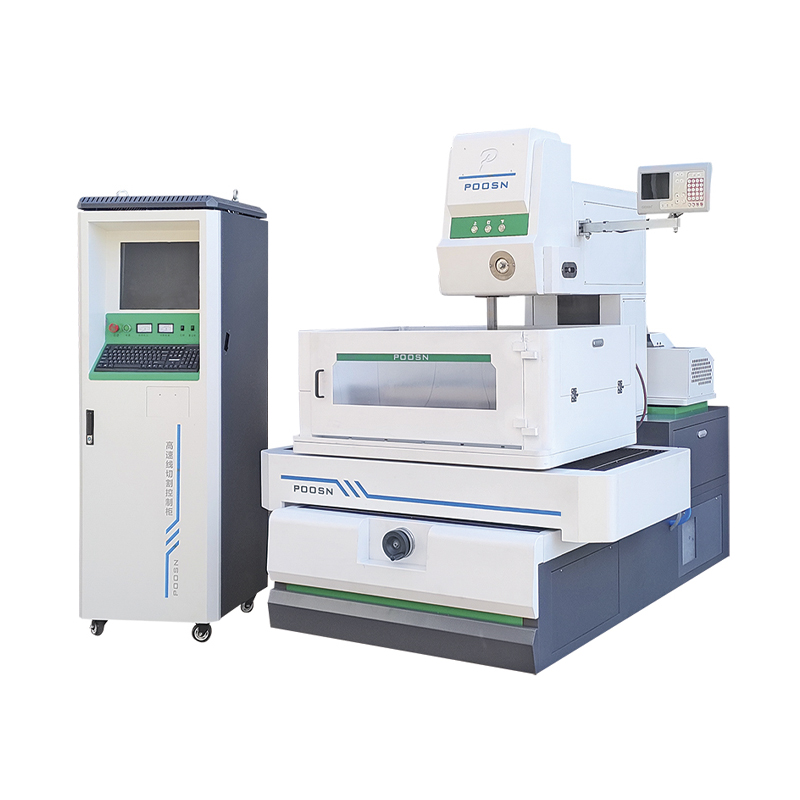
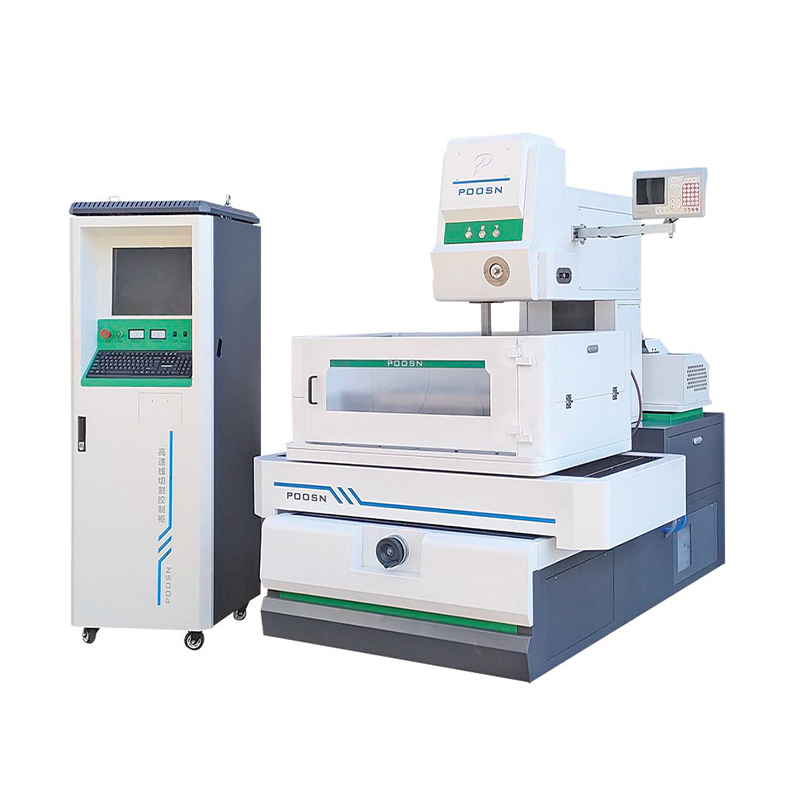
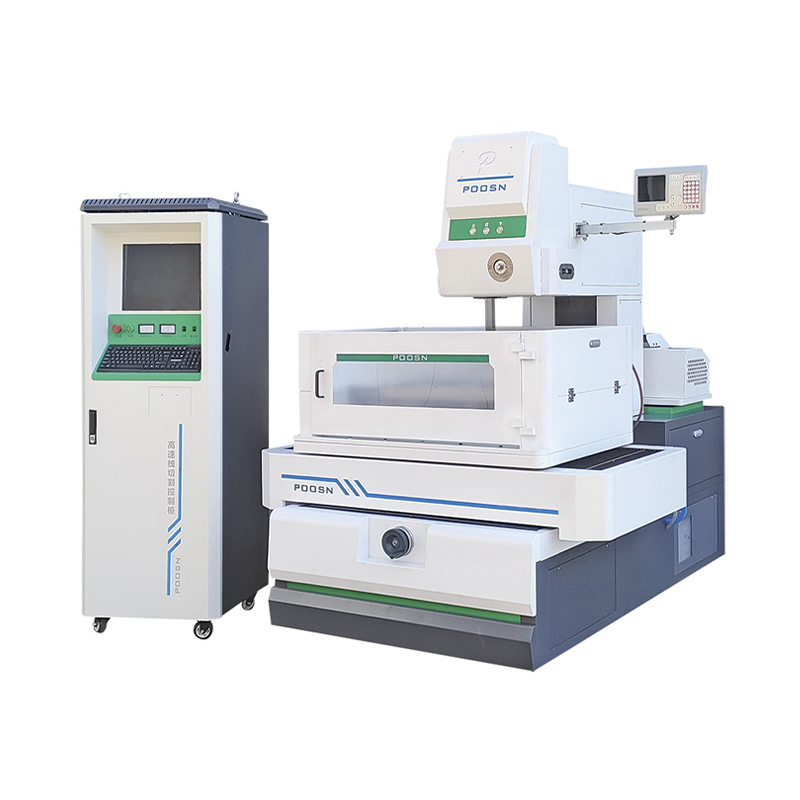
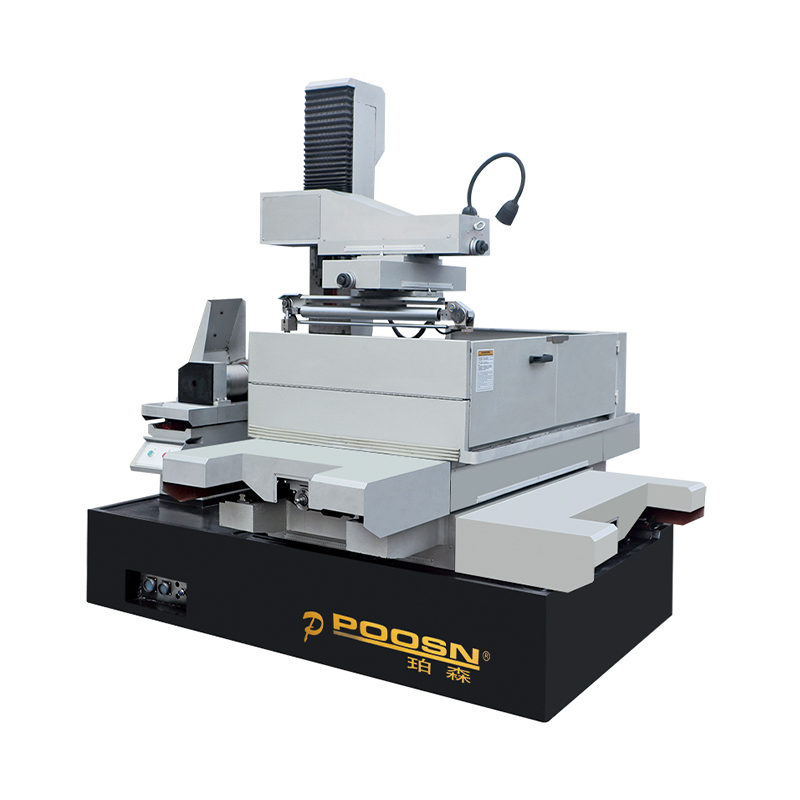
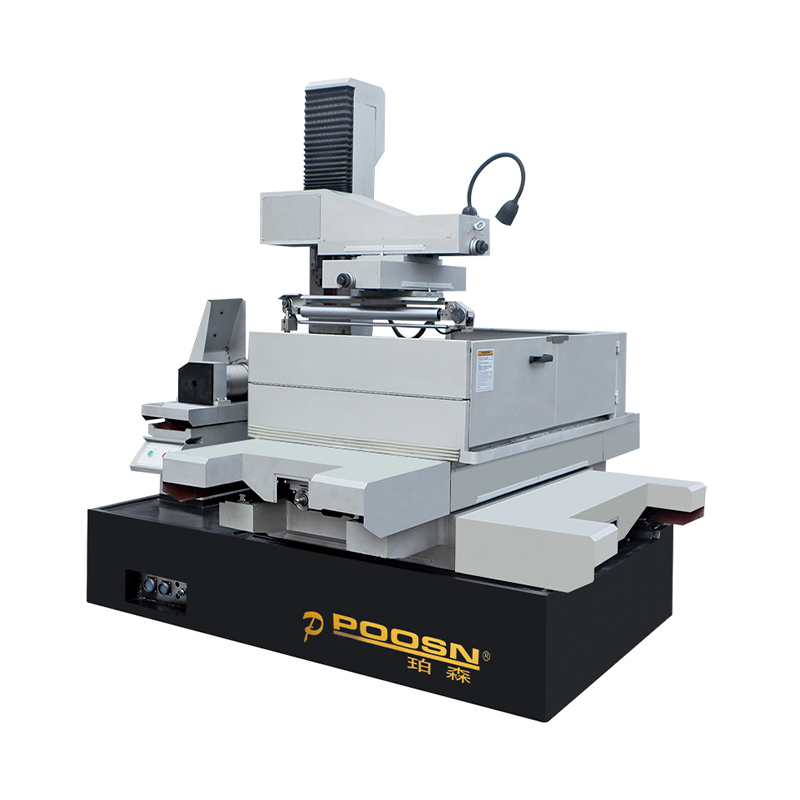
PS45C Heavy-Duty CNC Medium Speed Wire Cut EDM Machine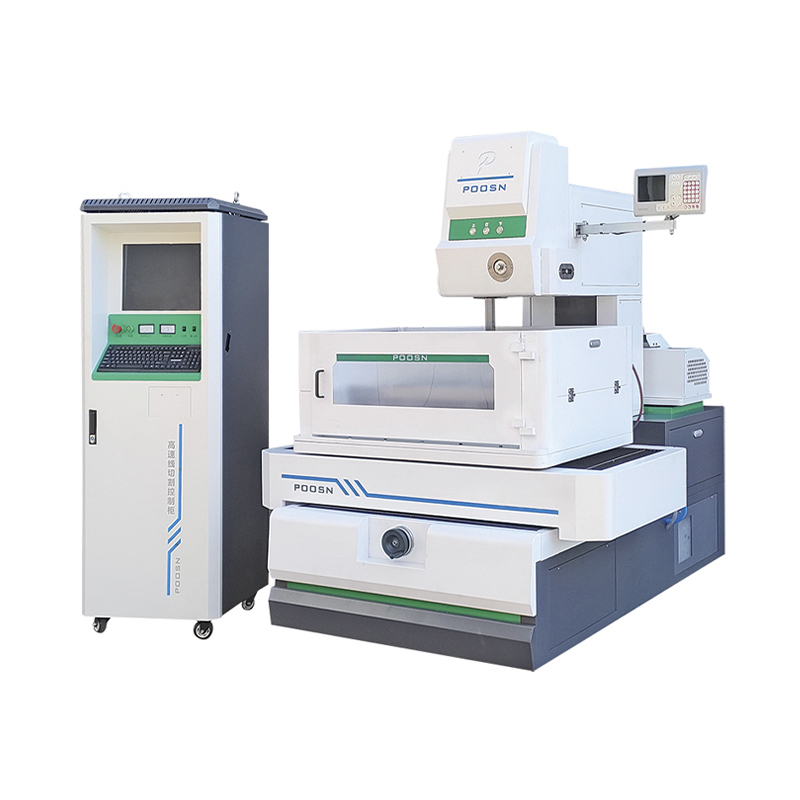
Content
- 1 Product Positioning and Core Manufacturing Value
- 2 Mechanical Structure Designed for Stability
- 3 Worktable Capacity and Processing Range
- 4 Precision Control and Multi-Cut Performance
- 5 Wire Feed System and Constant-Tension Control
- 6 Discharge Power Supply and Energy Efficiency
- 7 Cooling, Filtration, and Flushing Performance
- 8 Taper Cutting and Complex Geometry Capability
- 9 Control System and Operator Efficiency
- 10 Technical Specifications
- 11 Advantages Over Conventional Competitor Machines
- 12 Company Manufacturing Strengths Behind the Machine
- 13 Application in Mold Manufacturing
- 14 Application in Heavy Machinery Parts
- 15 Application in Aerospace and Precision Engineering
- 16 Productivity and Cost Reduction
- 17 Automation and Production Line Adaptability
- 18 Maintenance, Reliability, and Technical Support
- 19 Model Selection Perspective
- 20 Q&A Section
- 20.1 Q1: What type of manufacturer is the PS45C best suited for?
- 20.2 Q2: How is the PS45C improved compared with smaller machines such as the PS35C?
- 20.3 Q3: What is the maximum cutting thickness of the PS45C?
- 20.4 Q4: Can the PS45C support high production efficiency?
- 20.5 Q5: How does the machine improve surface finish?
- 20.6 Q6: Why is constant wire tension important?
- 20.7 Q7: Is the PS45C suitable for taper cutting?
- 20.8 Q8: What advantages does the PS45C offer over many competitor machines?
- 20.9 Q9: Can the PS45C be used in automated production environments?
- 20.10 Q10: What manufacturing strengths support the quality of the machine?
- 21 Conclusion
- 22 References
- 23 Product: PS45C Heavy-Duty CNC Medium Speed Wire Cut EDM Machine
Product Positioning and Core Manufacturing Value
The PS45C is positioned as a heavy-duty medium-speed wire-cut EDM machine for manufacturers who need better capacity and stability than entry-level equipment can provide. Compared with smaller machines, it enables users to process larger workpieces, larger molds, and heavier components. Compared with ordinary high-speed wire-cut EDM machines, it focuses more strongly on machining consistency, surface quality, precision control, and multi-cut capability. Compared with many low-cost medium-speed machines, it is engineered with improved mechanical rigidity, enhanced wire tension management, high-efficiency discharge control, and a practical industrial CNC system.
For a manufacturer, selecting an EDM machine is not simply a matter of travel size. The machine must remain stable under real production conditions, including long cutting cycles, high workpiece weight, repeated positioning, taper cutting, and continuous flushing. The PS45C addresses these challenges through an integrated machine structure and carefully selected motion components. Its high-strength casting base, worktable configuration, guide rail system, wire feed design, and discharge control are all intended to minimize vibration, maintain geometric accuracy, and reduce machining variation.
The machine is especially suitable for medium-to-large workpieces that require a combination of cutting area, load capacity, and precision. Typical applications include mold inserts, stamping dies, extrusion tooling, precision plates, heavy machinery parts, aerospace components, and complex contours in hardened conductive materials. Its 400 kg maximum worktable load gives it the strength required for heavier workpieces, while the 450 x 600 mm XY travel range provides a practical machining envelope for a broad range of industrial parts.
One of the most important product advantages is its ability to support efficient production without sacrificing machining quality. The maximum cutting efficiency can reach approximately 10,000 to 16,000 mm²/h, depending on the control cabinet and operating configuration. This makes it suitable for high-volume production environments where machine utilization and throughput directly affect profitability. At the same time, its optimal surface roughness can reach Ra ≤ 1.2 μm under multi-cutting conditions, helping users reduce manual finishing and improve the consistency of assembled components.
Mechanical Structure Designed for Stability
A wire-cut EDM machine must control extremely fine movement while the electrode wire travels continuously and discharge energy removes material through spark erosion. Even small mechanical instability can create visible wire marks, dimensional deviation, taper inconsistency, or poor surface finish. For this reason, the PS45C is built around a stable structural foundation. Its machine body uses high-quality casting materials and a rigid design intended to withstand heavy workpieces and long machining cycles.
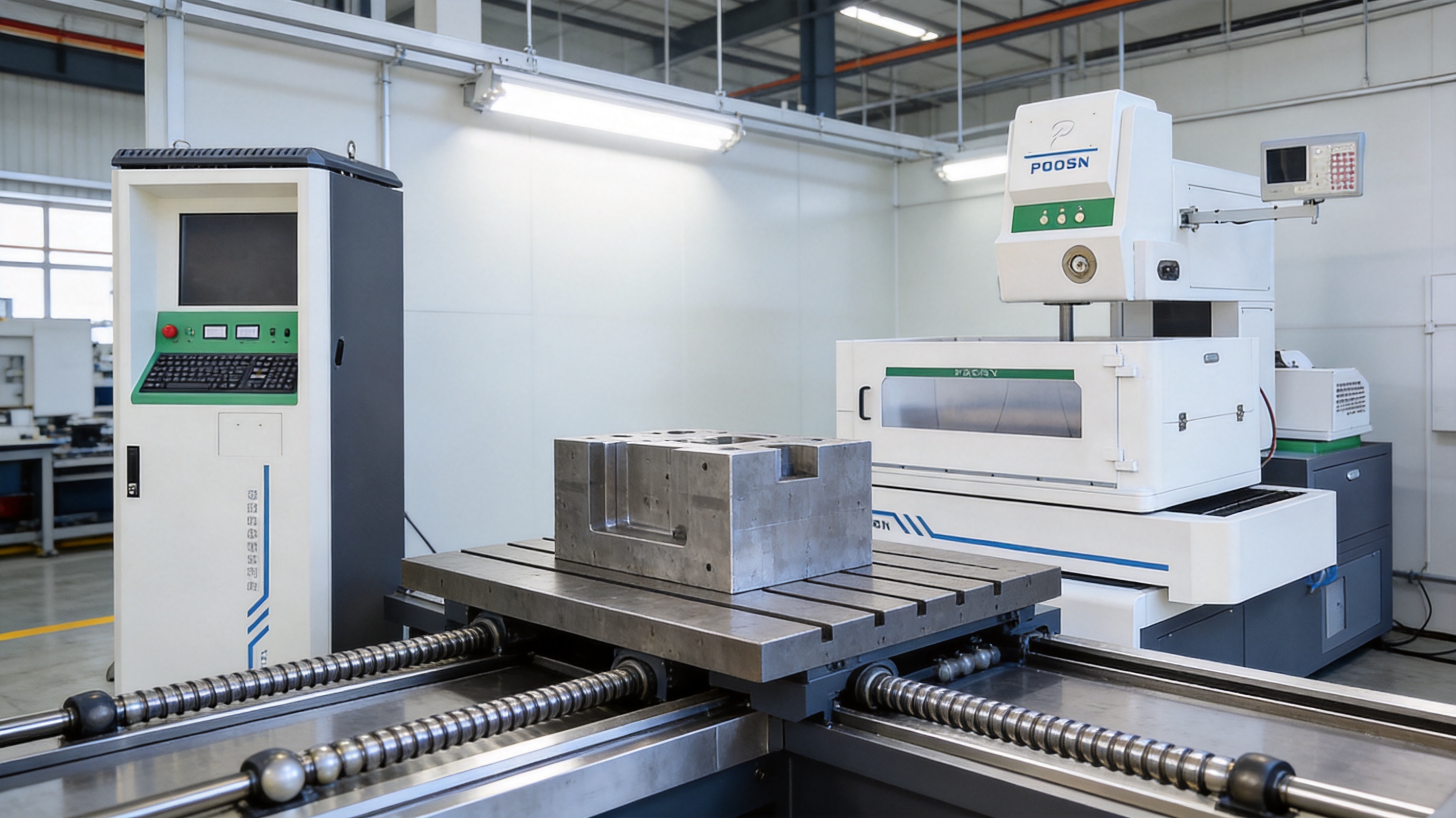
The machine adopts a robust bed structure that supports the worktable within a stable base area. This design helps limit deformation during movement and improves long-term machine stability. In many conventional strip-shaped bed structures, movement and load distribution may create greater risk of deformation over time, especially when machining heavier workpieces. The PS45C addresses this by using a T-shaped bed concept and high-quality castings, helping the worktable move within the support range of the base and preserving mechanical geometry over long periods of operation.
Rigidity is particularly important when cutting thicker materials or heavy components. During deep cutting, flushing resistance, wire vibration, discharge instability, and heat accumulation can all affect accuracy. A rigid machine skeleton reduces the influence of these factors. The PS45C also benefits from guide rail and transmission design intended to support smooth axis movement. Worktable linear guides, ball screw configurations, and position monitoring systems contribute to stable motion and more predictable cutting results.
The use of imported or high-quality bearings in motion mechanisms further supports operational durability. Bearings are often overlooked, but in EDM machines they influence movement smoothness, vibration control, and long-term maintenance requirements. By using reliable motion components, the PS45C improves repeatability and reduces the probability of performance degradation caused by mechanical wear.
Worktable Capacity and Processing Range
The PS45C offers a worktable size of 650 x 926 mm, an XY travel size of 450 x 600 mm, and a processing slot size of 645 x 1010 mm. These dimensions make it highly suitable for medium-sized molds and larger precision parts that exceed the capacity of smaller wire-cut machines. The maximum cutting thickness of 280 mm allows the machine to process thick materials, while the 400 kg load capacity provides practical support for dense mold steels and heavy mechanical components.
In real manufacturing environments, workpiece size and weight often determine whether a machine is genuinely useful. A machine may have acceptable cutting accuracy on small samples but fail to maintain performance when loaded with a large mold plate. The PS45C is designed to handle heavier workloads while maintaining machine stability. This makes it valuable for companies that produce parts in variable sizes, where a compact EDM machine may become a bottleneck.
Compared with the PS35C, which has a smaller XY travel of 350 x 500 mm and a 300 kg worktable load, the PS45C provides a clear upgrade in processing flexibility. The additional travel and 400 kg load capacity allow users to take on larger components and reduce the need to split workpieces across multiple setups. Fewer setups mean reduced alignment error, shorter preparation time, and higher overall production efficiency.
Compared with very large machines, the PS45C remains efficient and manageable. It does not require the same floor space or investment level as larger models designed for extremely heavy loads. For many mold and precision machinery enterprises, it represents a practical middle-ground solution: large enough for serious industrial work, yet compact and cost-effective enough for daily production.
Precision Control and Multi-Cut Performance
Precision is one of the defining requirements of wire-cut EDM. The PS45C supports a processing accuracy of 0.01 mm under appropriate conditions, giving manufacturers the ability to machine parts with tight tolerances. Its use of precision wire feeding, stable axis motion, and CNC control helps maintain dimensional consistency across the working range. The worktable can be equipped with a grating scale for real-time full-stroke position monitoring, which enhances feedback and improves confidence in long-stroke machining.
Multi-cut capability is a major advantage of medium-speed wire-cut EDM technology. In a typical process, the first cut removes material efficiently, while subsequent trim cuts improve surface finish, dimensional accuracy, and contour quality. The PS45C is designed to support this workflow, allowing users to combine productivity with refined machining results. This is particularly important in mold manufacturing, where part fit and surface condition can directly affect mold life, assembly precision, and downstream polishing requirements.
Compared with conventional high-speed wire-cut machines, which often focus on fast material removal but may produce rougher surfaces and less consistent trim accuracy, the PS45C provides better control over the final machining result. Its high-speed or nanosecond power supply, optimized discharge control, and wire stability features help reduce electrode wear and improve surface quality. The ability to reach Ra ≤ 1.2 μm through multi-cutting makes it suitable for applications where surface roughness matters but full low-speed wire EDM investment may not be necessary.
The intelligent programming and CNC control system also contribute to stable output. The standard X8 system and optional programming solutions such as CAXA CAM2019 or TCAM make it easier to generate machining programs and manage complex cutting paths. Interfaces such as LAN and USB support practical data transfer in modern workshops. These features reduce programming friction and help operators move from design to cutting more efficiently.
Wire Feed System and Constant-Tension Control
Wire stability is central to wire-cut EDM performance. The electrode wire acts as the cutting tool, but unlike a traditional tool, it is continuously moving, exposed to electrical discharge, mechanical tension, flushing forces, and thermal influence. If tension fluctuates, the cut surface may develop vibration marks, contour errors, or inconsistent taper. The PS45C addresses this through a precision wire feeding system and optional adaptive constant-tension wire tightening mechanism.
Traditional weight-based tensioning systems may respond slowly to rapid changes in wire condition. During high-speed movement or taper cutting, this can allow short-term tension variation that affects surface quality. The PS45C uses a more advanced constant-tension concept to minimize wire tension fluctuation. By maintaining more consistent tension, it reduces wire vibration and improves machining accuracy, especially in thick workpieces and complex profiles.
The machine supports electrode wire with a diameter of Φ0.18 mm when used with the wire guider. Wire feed speed is frequency controlled from 1 to 11 m/s, enabling operators to adjust wire movement according to machining conditions. The maximum wire storage length is approximately 320 m, supporting longer operation cycles before wire replacement or maintenance intervention becomes necessary.
The system includes features such as automatic double-sided tightening to prevent molybdenum wire vibration and single-sided loosening. The machine can also provide one-touch motor automatic threading, reducing operator labor intensity, improving setup convenience, and enhancing safety. These details are especially important in production shops where multiple jobs are processed each day and operator efficiency directly affects machine utilization.
Discharge Power Supply and Energy Efficiency
The EDM process depends on controlled electrical pulses. A stable, advanced pulse power supply can improve cutting efficiency, surface quality, electrode wear, and energy consumption. The PS45C is equipped with a high-speed power supply or nanosecond power supply, supporting low electrode wear, high-speed processing, low surface roughness, and improved energy efficiency. This is a major competitive advantage over lower-grade machines that rely on less refined discharge control.
In EDM, the quality of each discharge event matters. If discharge energy is too unstable, machining may become inefficient, wire consumption may rise, and the workpiece surface may develop a thicker recast layer. The PS45C uses intelligent pulse control to adapt to cutting conditions. This helps maintain a stable discharge gap and reduce defects caused by secondary discharge or poor flushing. For users processing expensive materials or precision molds, improved discharge stability can lead to fewer rejected parts and reduced finishing work.
The energy-saving design also supports long-term cost control. In high-volume production, operating cost is not limited to the purchase price of the machine. Electricity, wire consumption, working fluid maintenance, downtime, and manual finishing all affect total cost of ownership. By improving cutting efficiency and reducing wasteful energy loss, the PS45C helps manufacturers lower per-part machining costs.
Cooling, Filtration, and Flushing Performance
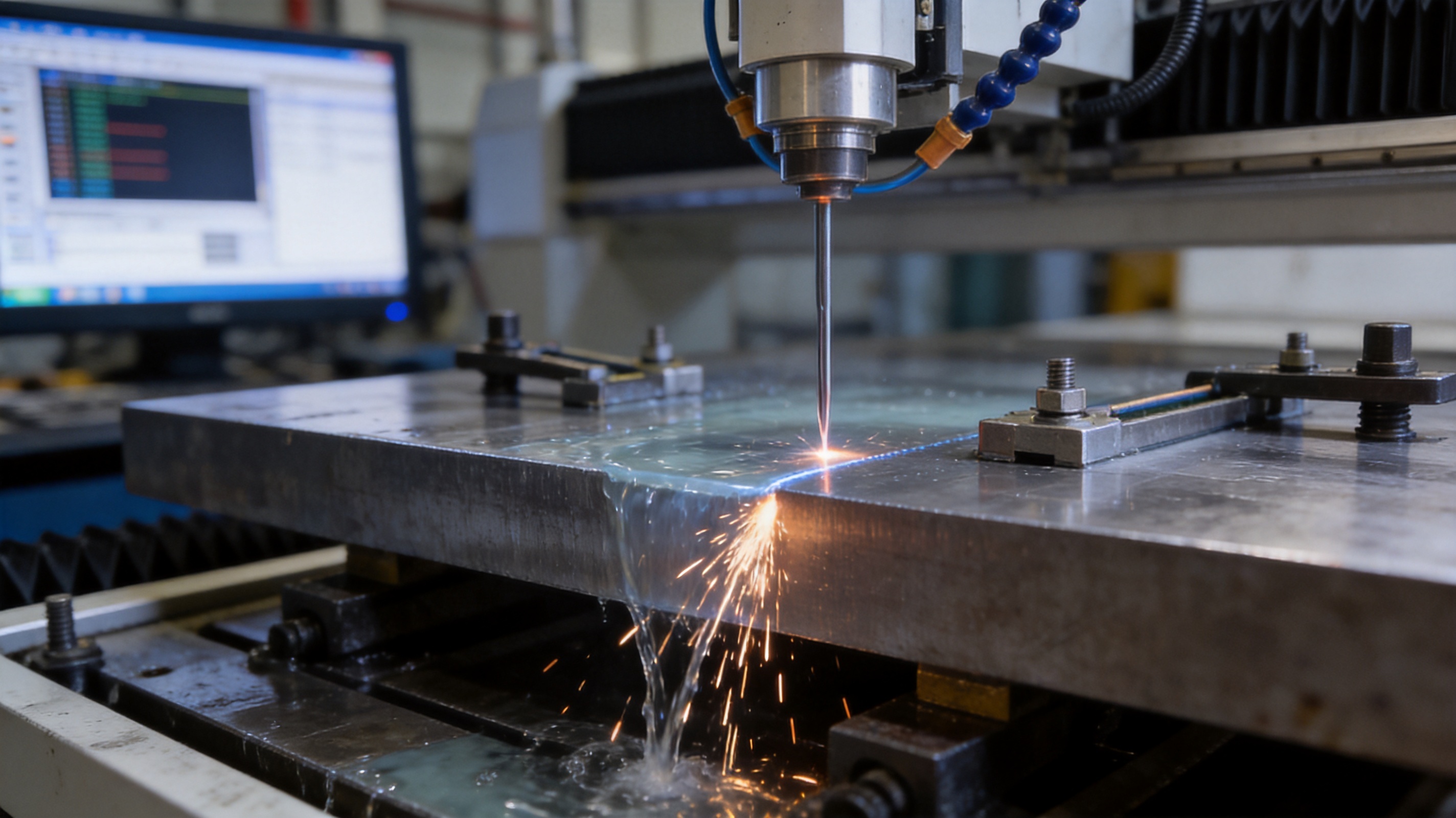
Working fluid management is essential for stable wire-cut EDM. The dielectric fluid cools the workpiece and wire, removes erosion debris, and stabilizes discharge conditions. If filtration is poor or flushing is insufficient, debris accumulation can cause secondary discharge, wire breakage, poor surface quality, and reduced cutting speed. The PS45C includes an 80 L high-pressure water tank and paper core filtration, providing practical support for continuous machining.
During cutting of thick materials, chip evacuation becomes especially difficult because the cutting gap is deep and narrow. The PS45C uses automatic tracking water spraying during the cutting process to help direct fluid into the machining zone. Effective flushing improves cutting efficiency and reduces the risk of short circuits. It also supports more uniform surface quality from top to bottom of the workpiece.
Compared with machines that rely on weak or poorly directed flushing, the PS45C is better suited to thicker and heavier parts. Its coolant delivery and filtration design contribute to process stability, especially during long cutting cycles. This is important for mold manufacturers, aerospace suppliers, and heavy machinery component producers, where machining interruption can waste hours of production time and compromise part quality.
Taper Cutting and Complex Geometry Capability
Modern parts often require more than straight vertical cuts. Molds, dies, precision tooling, and aerospace components may include taper profiles, angled surfaces, relief forms, and complex contours. The PS45C is equipped with a CNC taper device using U and V axes, enabling four-axis linkage with X, Y, U, and V. The standard UV travel size is 60 x 60 mm, and the maximum cutting taper is ±6° per 80 mm.
The taper cutting system uses linear guides and ball screw pairs, which support smoother movement and better accuracy. Compared with simpler taper mechanisms, this design provides more reliable motion control and improved contour consistency. The machine’s full series taper cutting configuration includes linear guides and ball screws, demonstrating the manufacturer’s emphasis on practical precision rather than only basic function.
For applications requiring larger taper capability, the broader product family includes large taper WEDM options. However, within the PS-C medium-speed series, the PS45C provides sufficient taper performance for many mold and mechanical part requirements. Its ability to maintain wire tension during taper cutting further improves surface consistency and dimensional accuracy.
Control System and Operator Efficiency
A good EDM machine must be precise, but it must also be usable. The PS45C is designed with an industrial control platform that supports stable long-term operation. The intelligent programming system simplifies G-code generation, and the control interface provides data exchange through common industrial communication options. This reduces dependence on manual programming and helps operators manage complex jobs more efficiently.
The standard X8 or AUTOCUT control system provides a familiar and practical environment for wire-cut EDM operation. Optional CAM software can help users move from CAD geometry to cutting paths with fewer errors. In a workshop where operators must process many different part shapes, efficient programming and job management can significantly improve productivity.
The Z-axis lift uses an electric motor with AC 220 V, and the machine supports one-click depth setting through linear guide configurations across the series. A liftable gem wire guide allows the guide to remain close to the workpiece surface during machining, reducing wire vibration and improving accuracy and surface finish. The ability to adjust cutting height without rethreading also improves manual operation efficiency.
These operator-focused features are competitive advantages because they reduce non-cutting time. In many workshops, machine profitability depends not only on cutting speed but also on setup speed, threading convenience, programming reliability, and reduced manual correction. The PS45C addresses these daily production realities with features that support both skilled operators and growing production teams.
Technical Specifications
| Item | PS45C Specification | Manufacturing Value |
| Machine Type | CNC medium-speed wire-cut EDM | Suitable for precision machining and multi-cut processing |
| Worktable Size | 650 x 926 mm | Supports medium-to-large workpieces |
| XY Travel Size | 450 x 600 mm | Provides expanded processing range over smaller models |
| Processing Slot Size | 645 x 1010 mm | Improves accommodation of larger components |
| Maximum Cutting Thickness | 280 mm | Enables machining of thick plates and mold materials |
| Maximum Worktable Load | 400 kg | Supports heavier molds and mechanical components |
| UV Travel Size | 60 x 60 mm | Supports taper machining requirements |
| Maximum Cutting Taper | ±6° per 80 mm | Allows angled and complex profile cutting |
| Wire Feed Speed | 1 to 11 m/s, frequency controlled | Enables adjustment for different machining conditions |
| Electrode Wire Diameter | Φ0.18 mm with wire guider | Suitable for precision EDM cutting |
| Fluid Tank Capacity | 80 L | Supports continuous cooling and flushing |
| Processing Accuracy | 0.01 mm | Meets precision mold and machinery requirements |
| Maximum Cutting Efficiency | 10,000 to 16,000 mm²/h | Supports efficient batch production |
| Optimal Surface Roughness | Ra ≤ 1.2 μm with multi-cutting | Reduces finishing workload |
| Controlled Axes | X, Y, U, V four-axis linkage | Supports contour and taper machining |
| Programming System | X8 or AUTOCUT control system | Improves operation and programming efficiency |
| Machine Weight | 2000 kg | Reflects heavy-duty structure and stable machine base |
| Machine Dimensions | 2010 x 1655 x 2010 mm | Balanced footprint for industrial workshops |
Advantages Over Conventional Competitor Machines
The PS45C offers multiple advantages over many conventional wire-cut EDM machines in the same general capacity range. The first advantage is its balanced heavy-duty design. Some machines provide a similar travel range but lack sufficient load capacity or rigidity. Others provide high speed but fail to maintain stable surface finish during multi-cutting. The PS45C combines a 400 kg load rating, a rigid casting structure, stable wire tension management, and an optimized discharge system, making it more suitable for real industrial workloads.
The second advantage is improved wire control. Competitor machines using basic tension devices may struggle with wire vibration, especially during taper cutting or thick workpiece machining. The PS45C’s constant-tension concept and automatic double-sided tightening help reduce this problem. More stable wire tension means improved contour accuracy, fewer visible wire marks, and better repeatability during long cuts.
The third advantage is its practical approach to precision monitoring. The availability of grating scale feedback for full-stroke position monitoring gives users better control over machining accuracy. In contrast, lower-cost machines may depend entirely on open-loop movement or less refined position compensation. For precision mold shops, improved monitoring can be the difference between consistent production and repeated manual adjustment.
The fourth advantage is cutting efficiency with quality. Machines designed only for low purchase cost often achieve acceptable rough cutting but require additional polishing or finishing. The PS45C supports multi-cut machining with fine surface roughness, helping reduce downstream labor. This is especially important where skilled polishing labor is expensive or where dimensional accuracy must be preserved after cutting.
The fifth advantage is manufacturing consistency. Taizhou Xinchengyang Machinery Manufacturing Co., Ltd. manufactures EDM equipment according to strict standards and performs positioning accuracy testing on each machine tool. This attention to inspection and quality assurance helps customers receive machines that meet practical production requirements, not only catalog specifications.
Company Manufacturing Strengths Behind the Machine
The performance of a precision EDM machine depends not only on its design but also on the manufacturer’s process capability. Taizhou Xinchengyang Machinery Manufacturing Co., Ltd. has years of specialized experience in electrical discharge wire cutting and related equipment. The company’s development history includes long-term technical accumulation, brand development, cooperation with CNC technology partners, quality recognition, factory construction, patent development, and recognition as a high-tech enterprise. This background supports its ability to develop products such as the PS45C for practical industrial use.
The company has strong technical capabilities, advanced processing equipment, comprehensive testing methods, and rational product design practices. Each machine tool undergoes positioning accuracy testing, which is essential for EDM equipment because axis accuracy directly affects final part dimensions. By combining manufacturing inspection with structural design, the company improves the reliability of delivered machines.
Advanced manufacturing processes are reflected in the machine’s casting quality, guide rail installation, axis alignment, electrical integration, and final testing. High-strength resin sand castings and aging treatment help reduce internal stress and improve long-term dimensional stability. Precision assembly procedures help ensure guide rail parallelism, ball screw alignment, and smooth axis movement. Electrical control cabinets are configured to support stable discharge and CNC operation. These manufacturing details are difficult to see from the outside, but they determine whether a machine remains accurate after months and years of production.
The company also emphasizes customization and adaptability. For customers with special production requirements, options can include expanded worktables, increased cutting depths, automation integration, tailored cutting modes, wire control system configurations, and suitable control cabinet selection. This customization capability is important for modern manufacturers because production requirements vary widely by industry, material, workpiece thickness, and batch size.
Application in Mold Manufacturing
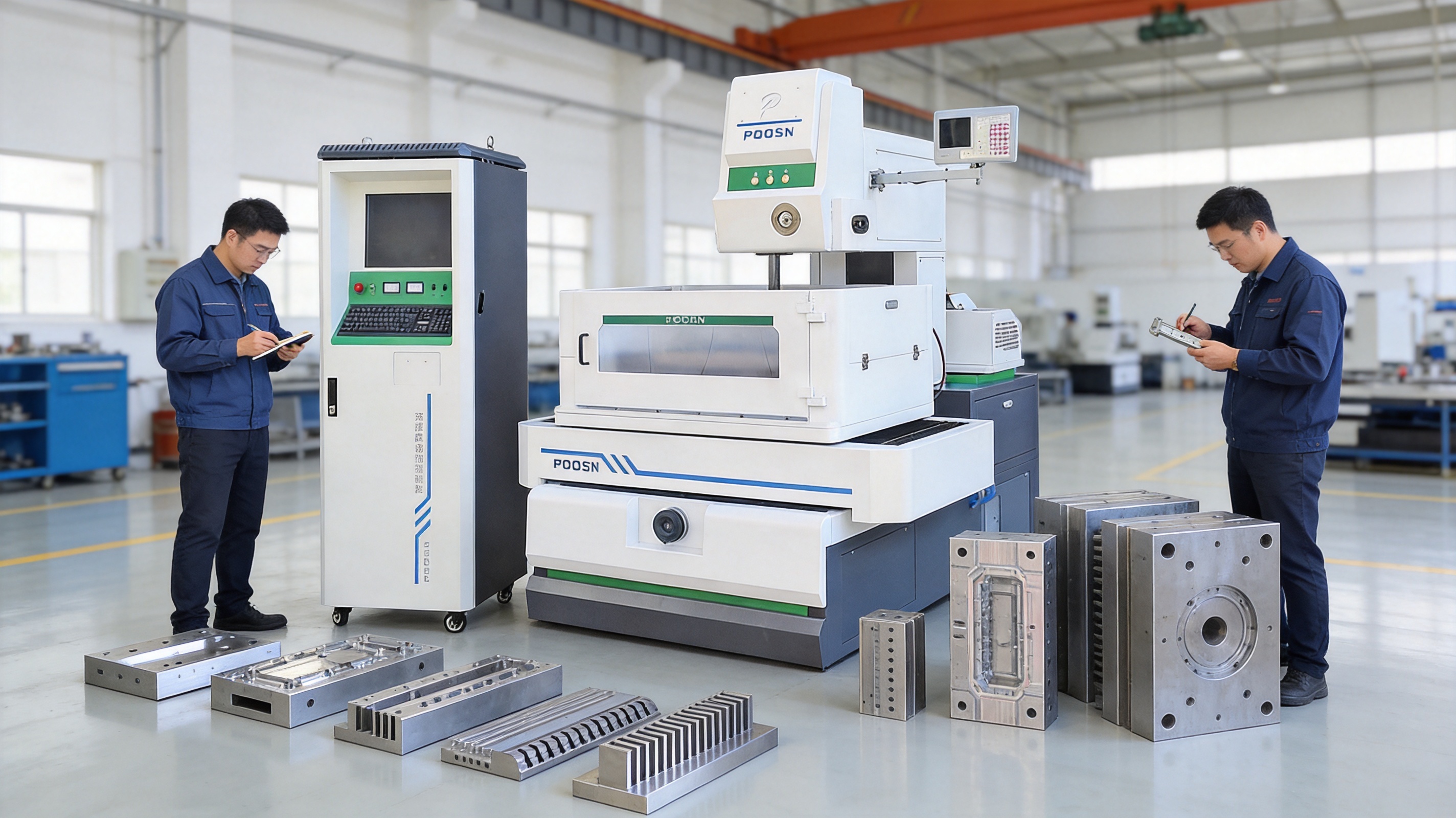
Mold manufacturing is one of the most important application areas for the PS45C. Mold components often require high dimensional accuracy, stable profile quality, and good surface finish. Wire-cut EDM is commonly used to machine punch and die profiles, inserts, cavities, precision slots, and difficult internal shapes. Because the PS45C supports medium-to-large workpieces and thick materials, it is well suited for larger molds that exceed the capacity of compact EDM machines.
The machine’s 280 mm maximum cutting thickness enables it to process thick mold materials, while multi-cutting capability helps achieve better surface finish and dimensional accuracy. In mold production, reducing manual polishing can shorten the overall manufacturing cycle and improve fit between mating components. The PS45C’s stable wire control and discharge system support this goal.
For stamping dies, contour accuracy is critical. Small deviations can affect product dimensions, burr formation, and tool life. The PS45C’s motion stability, grating scale option, and constant-tension mechanism help maintain contour consistency. For injection molds and precision inserts, surface condition and dimensional fit are equally important. Multi-cut EDM processing can produce cleaner surfaces and reduce final finishing time.
Application in Heavy Machinery Parts
Heavy machinery components often involve tough materials, thicker sections, larger profiles, and demanding reliability requirements. Conventional milling or grinding may be difficult when machining complex internal shapes or hardened materials. Wire-cut EDM provides a non-contact cutting process, which means there is no mechanical cutting force applied to the workpiece. This makes it suitable for precision contours in hard conductive materials.
The PS45C’s 400 kg worktable load is a major benefit in this field. It allows the machine to support heavier components with better stability during cutting. The reinforced structure helps maintain precision even when processing dense steel parts. In addition, the automatic flushing and filtration system supports long-duration cuts, which are common when processing thick heavy machinery parts.
Manufacturers of machinery components can use the PS45C for keyways, precision slots, forming profiles, special fixtures, and hardened replacement parts. Its balance of efficiency and accuracy helps improve production flexibility, especially for workshops that handle both custom and batch work.
Application in Aerospace and Precision Engineering
Aerospace manufacturing requires consistent precision, material compatibility, and process reliability. Many aerospace components involve high-strength alloys, complex contours, and strict dimensional requirements. While the PS45C is a medium-speed wire-cut EDM machine rather than a specialized ultra-high-end aerospace platform, its stability, accuracy, and multi-cut capability make it suitable for many precision engineering applications within aerospace supply chains.
The non-contact nature of EDM is advantageous when machining delicate or high-hardness materials. Because material is removed through controlled discharge rather than mechanical force, thin profiles and complex shapes can be produced without excessive stress. The PS45C’s constant-tension wire control and stable pulse power supply help maintain cut quality during complex profiles. For fixture plates, prototype parts, precision inserts, and tooling components, the machine provides dependable machining performance.
In precision engineering more broadly, the machine can support small-batch and medium-batch production of high-tolerance parts. Its programming system and CNC control simplify complex contour processing, while its cutting efficiency supports production schedules. These qualities make it useful not only for aerospace but also for medical device tooling, electronics tooling, precision hardware, automotive tooling, and research manufacturing.
Productivity and Cost Reduction
The PS45C is not only a precision machine; it is also a productivity tool. Manufacturing enterprises evaluate equipment by its ability to improve throughput, reduce cost, increase quality consistency, and expand order capability. The PS45C contributes to these goals in several ways. Its larger worktable and higher load capacity allow users to process parts that smaller machines cannot handle. Its multi-cut performance reduces manual finishing. Its efficient power supply and stable cutting reduce wire wear and energy waste. Its operator-friendly design reduces setup time and manual effort.
Reducing setup frequency is another important cost benefit. With a larger travel range, users can machine larger parts in a single setup or arrange multiple smaller parts more efficiently. This can improve machine utilization and reduce alignment errors. For batch production, the ability to maintain stable cutting performance over long cycles helps improve predictable delivery.
The maximum cutting efficiency of 10,000 to 16,000 mm²/h gives the machine strong production capability. Actual efficiency depends on material, thickness, precision requirements, cutting strategy, wire condition, working fluid, and control cabinet configuration. However, the available efficiency range makes the PS45C suitable for shops that cannot afford slow throughput. When combined with fine trim cutting, the machine can provide both speed and quality.
Automation and Production Line Adaptability
Modern factories increasingly require equipment that can integrate into organized production systems. The PS45C supports a certain degree of automation and can be integrated with other equipment and production lines depending on customer requirements. Automation can reduce manual intervention, improve consistency, and help manufacturers manage labor constraints.
Potential automation-related improvements include program data management, optimized workpiece clamping procedures, production scheduling, and integration with workshop information systems. While wire-cut EDM often requires careful setup and monitoring, features such as automatic threading, stable CNC control, and reliable flushing make the PS45C easier to incorporate into higher-efficiency production environments.
The company’s customization capability is valuable here. Different customers may require different cutting modes, worktable arrangements, control cabinet configurations, or wire control options. By tailoring the solution to the production requirement, the manufacturer helps customers improve process efficiency rather than simply purchasing a standard machine.
Maintenance, Reliability, and Technical Support
Reliability is a major factor in EDM equipment selection. A machine that performs well in demonstrations but requires frequent maintenance can create hidden costs. The PS45C is designed with durable motion components, practical filtration, stable electrical control, and robust mechanical construction to support long-term operation. The use of quality bearings, linear guides, ball screws, and precision assembly processes helps reduce mechanical wear and maintain performance.
Routine maintenance remains important. Operators should monitor working fluid condition, replace filters as required, inspect wire path components, maintain guide wheels, clean the work area, and follow recommended lubrication and electrical inspection procedures. Proper maintenance helps preserve cutting accuracy and extend machine life. The waterproof gem guide wheel, convenient guide wheel replacement design, and automatic wire tightening features all support practical maintenance and daily operation.
Taizhou Xinchengyang Machinery Manufacturing Co., Ltd. provides rapid response and professional technical support to help ensure stable equipment operation. For customers investing in EDM equipment, after-sales support is an important part of overall value. Technical support helps users optimize parameters, solve operating issues, and maintain long-term machine effectiveness.
Model Selection Perspective
Within the PS-C series, the PS45C occupies an important middle position. The PS35C is suitable for smaller parts and small-to-medium batch production where compact size and high precision are needed. The PS45C is suitable for medium-sized parts, larger molds, and higher load requirements. The PS50C provides further expansion for larger and heavier components, with greater travel and load capacity. The PS60C is designed for extra-large workpieces and high-load applications, including heavy-duty molds and demanding industries.
For many manufacturers, the PS45C is the right choice when the PS35C becomes limiting but a larger machine is not yet necessary. It offers a strong combination of work area, load capacity, precision, and efficiency. This makes it especially attractive for workshops that need flexibility across mold manufacturing, precision machinery, and industrial components.
Q&A Section
Q1: What type of manufacturer is the PS45C best suited for?
The PS45C is best suited for manufacturers that process medium-to-large workpieces, precision molds, thick conductive materials, heavy mechanical components, and parts requiring stable multi-cut accuracy. It is useful for mold factories, machinery part producers, aerospace tooling suppliers, precision engineering workshops, and production environments that need higher capacity than small wire-cut EDM machines can provide.
Q2: How is the PS45C improved compared with smaller machines such as the PS35C?
The PS45C provides a larger XY travel range of 450 x 600 mm and a higher maximum worktable load of 400 kg. This allows it to process larger and heavier workpieces than the PS35C. It is more suitable for medium-sized molds, heavier precision components, and production tasks requiring greater worktable capacity while maintaining stable machining accuracy.
Q3: What is the maximum cutting thickness of the PS45C?
The maximum cutting thickness is 280 mm. This makes the machine suitable for thick mold plates, heavy machinery parts, and precision components requiring deep wire-cut EDM processing. Actual cutting performance depends on material type, flushing conditions, wire condition, cutting parameters, and required surface quality.
Q4: Can the PS45C support high production efficiency?
Yes. The machine can reach a maximum cutting efficiency of approximately 10,000 to 16,000 mm²/h depending on the selected control cabinet and machining conditions. Its efficient discharge system, stable wire feed, and practical CNC control make it suitable for batch production and high-utilization workshops.
Q5: How does the machine improve surface finish?
The PS45C improves surface finish through multi-cut capability, stable wire tension, precision motion control, and optimized pulse discharge. Under suitable conditions, it can achieve optimal surface roughness of Ra ≤ 1.2 μm with multi-cutting. This helps reduce manual polishing and improves the consistency of precision components.
Q6: Why is constant wire tension important?
Constant wire tension reduces wire vibration, improves contour accuracy, and helps prevent surface marks. It is especially important when cutting thick materials, complex profiles, or taper angles. The PS45C’s wire tightening and tension control features help maintain a stable cutting path and improve machining consistency.
Q7: Is the PS45C suitable for taper cutting?
Yes. The machine supports X, Y, U, and V four-axis linkage. Its UV travel size is 60 x 60 mm, and the maximum cutting taper is ±6° per 80 mm. The taper device uses linear guides and ball screw pairs, which support smoother movement and better taper accuracy.
Q8: What advantages does the PS45C offer over many competitor machines?
The PS45C offers a stronger balance of load capacity, structural rigidity, wire tension stability, discharge efficiency, surface quality, and practical CNC control. Compared with many low-cost machines, it provides better manufacturing consistency and precision-focused features. Compared with basic high-speed wire-cut machines, it offers improved multi-cut quality and better suitability for precision production.
Q9: Can the PS45C be used in automated production environments?
Yes. The PS45C can support a certain degree of automation and can be integrated with other equipment or production workflows based on customer requirements. Features such as CNC control, automatic threading, reliable wire management, and data exchange interfaces support more efficient production organization.
Q10: What manufacturing strengths support the quality of the machine?
The machine is supported by the manufacturer’s experience in electrical discharge machining equipment, advanced processing equipment, comprehensive testing methods, strict manufacturing standards, and positioning accuracy inspection for each machine tool. Structural casting quality, precision assembly, electrical integration, and technical support all contribute to long-term machine reliability.
Conclusion
The PS45C Heavy-Duty CNC Medium Speed Wire Cut EDM Machine is a practical and powerful solution for manufacturers requiring higher capacity, stable precision, and efficient wire-cut EDM performance. With its 450 x 600 mm XY travel, 400 kg worktable load, 280 mm maximum cutting thickness, multi-cut surface quality, and efficient discharge system, it provides strong value for mold manufacturing, heavy machinery parts, aerospace tooling, and precision engineering applications.
Its advantages over many competitor machines come from the combination of rigid mechanical structure, improved wire tension control, high-efficiency pulse power supply, reliable flushing, CNC taper capability, and operator-friendly design. Rather than focusing only on speed or only on low purchase cost, the PS45C is built to deliver balanced production value: better accuracy, better stability, better surface quality, and better long-term cost control.
Behind the machine is the manufacturing capability of Taizhou Xinchengyang Machinery Manufacturing Co., Ltd., a specialized EDM equipment manufacturer with technical experience, quality inspection practices, customization capability, and a clear commitment to helping customers improve manufacturing competitiveness. For enterprises seeking to expand wire-cut EDM capacity while maintaining reliable precision, the PS45C represents a strong investment in productivity, quality, and future-ready machining capability.
References
1. Ho, K. H., and Newman, S. T. “State of the Art Electrical Discharge Machining.” International Journal of Machine Tools and Manufacture.
2. Kunieda, M., Lauwers, B., Rajurkar, K. P., and Schumacher, B. M. “Advancing EDM through Fundamental Insight into the Process.” CIRP Annals.
3. Jameson, E. C. Electrical Discharge Machining. Society of Manufacturing Engineers.
4. Benedict, G. F. Nontraditional Manufacturing Processes. Marcel Dekker.
5. McGeough, J. A. Advanced Methods of Machining. Chapman and Hall.
6. Manufacturer technical materials for PS-C series medium-speed wire-cut EDM machines and related CNC wire-cut EDM production specifications.
Product: PS45C Heavy-Duty CNC Medium Speed Wire Cut EDM Machine
-
Phone
+86-0523-86268788 +86-13815960366 +86-13912191163Email
[email protected]Address
No. 366, Yusheng Road Jiulong Town, Hailing District Taizhou City, China
Copyright © Taizhou Xinchengyang Machinery Manufacturing Co., Ltd. All Rights Reserved.
Custom edm machine for sale
wholesale edm machine manufacturers
