

 English
 русский
 عربى


Fang Xuelan — Customer After-Sales Supervisor
Home / Author / Fang Xuelan — Customer After-Sales Supervisor / DK-7745 High-Speed Wire-Cut EDM Machine: Large-Format Precision, Efficient Cutting, and Reliable Production
DK-7745 High-Speed Wire-Cut EDM Machine: Large-Format Precision, Efficient Cutting, and Reliable Production
2026-09-08
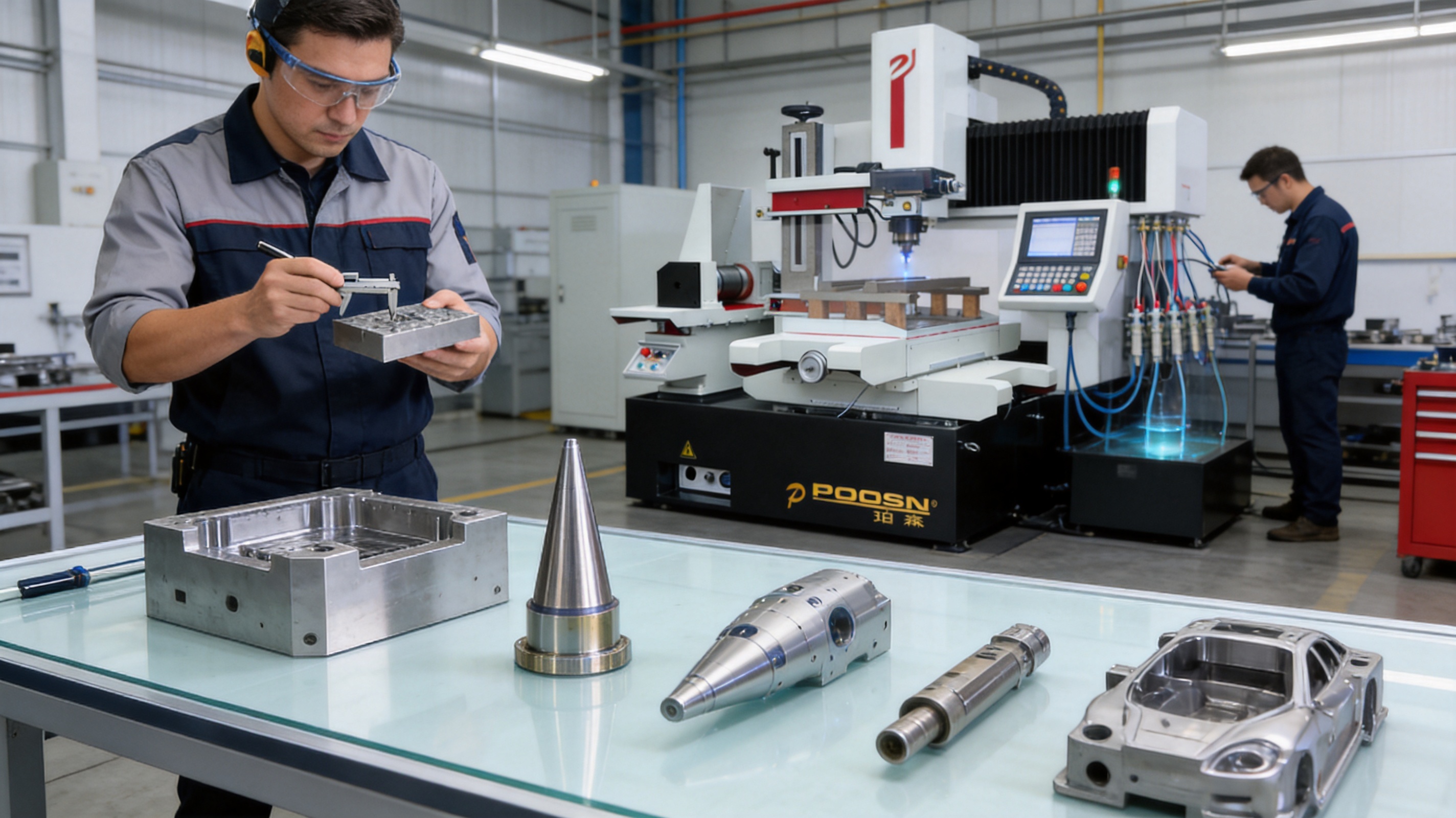
Modern precision manufacturing requires more than a machine that can remove material. Manufacturers need equipment that can process hardened metals, complicated profiles, large workpieces, and demanding mold components while maintaining stable accuracy over long production cycles. The DK-7745 high-speed wire electrical discharge machining machine is designed for this type of work. It combines a rigid machine structure, four-axis coordinated movement, high-speed reciprocating wire technology, efficient electrical discharge control, and a large work envelope for demanding production environments.
As a member of the DK-77 high-speed wire-cut EDM series, the DK-7745 is positioned for large-sized workpieces, precision molds, complex mechanical parts, and production tasks in industries such as aerospace, automotive manufacturing, electronics, and toolmaking. Its design balances cutting efficiency, machine stability, operating cost, and ease of use. This balance allows it to compete effectively with equipment that may offer either high speed or precision but not the same combination of capacity, adaptability, and value.
The machine is also supported by the manufacturing capabilities of Taizhou Xinchengyang Machinery Manufacturing Co., Ltd., a specialist in electrical discharge machining equipment with experience extending back to 1999. The company combines product development, mechanical processing, electrical control integration, inspection, and technical support in a focused manufacturing system. This integrated approach helps ensure that the DK-7745 is not simply assembled as a collection of separate components, but developed as a complete machining solution.
For buyers comparing high-speed wire-cut EDM machines, the DK-7745 offers a practical solution for operations that require a larger worktable, high load capacity, reliable long-term operation, and cost-effective cutting. Its four-axis linkage supports the production of complex contours, while its structural design provides the rigidity needed for thick and heavy workpieces.
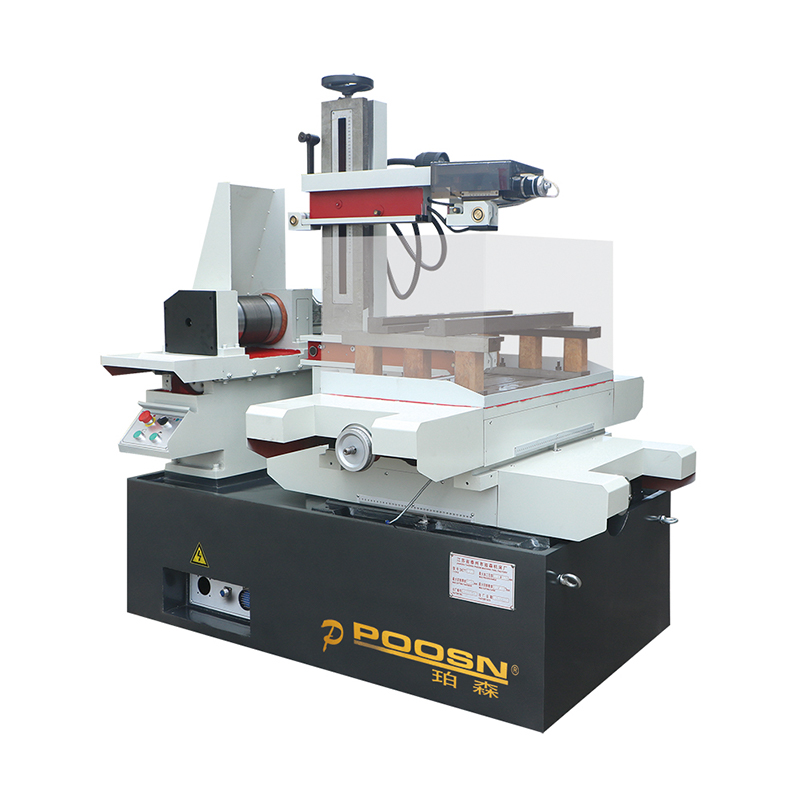
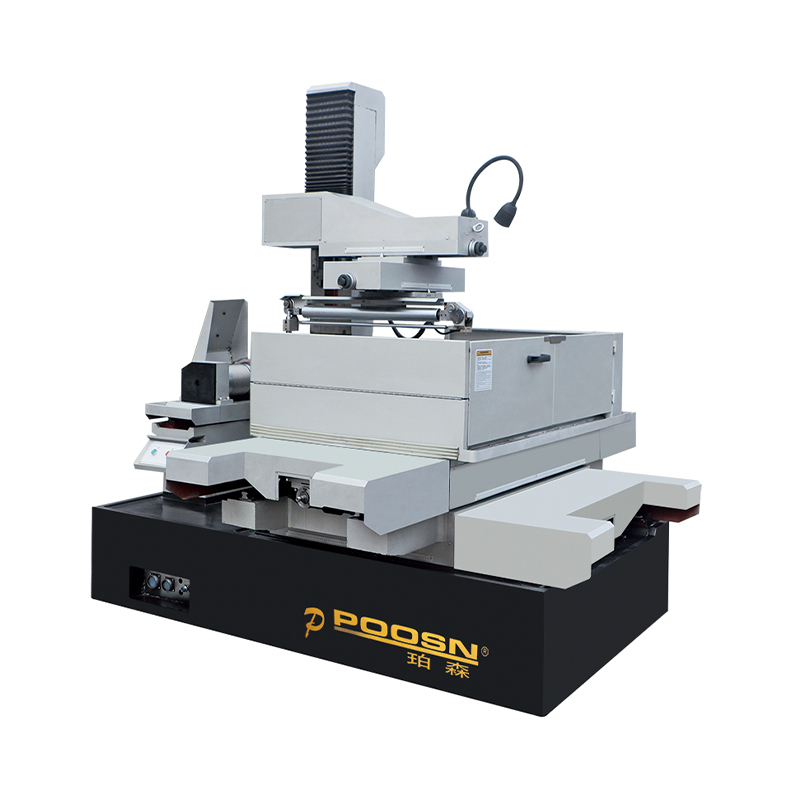
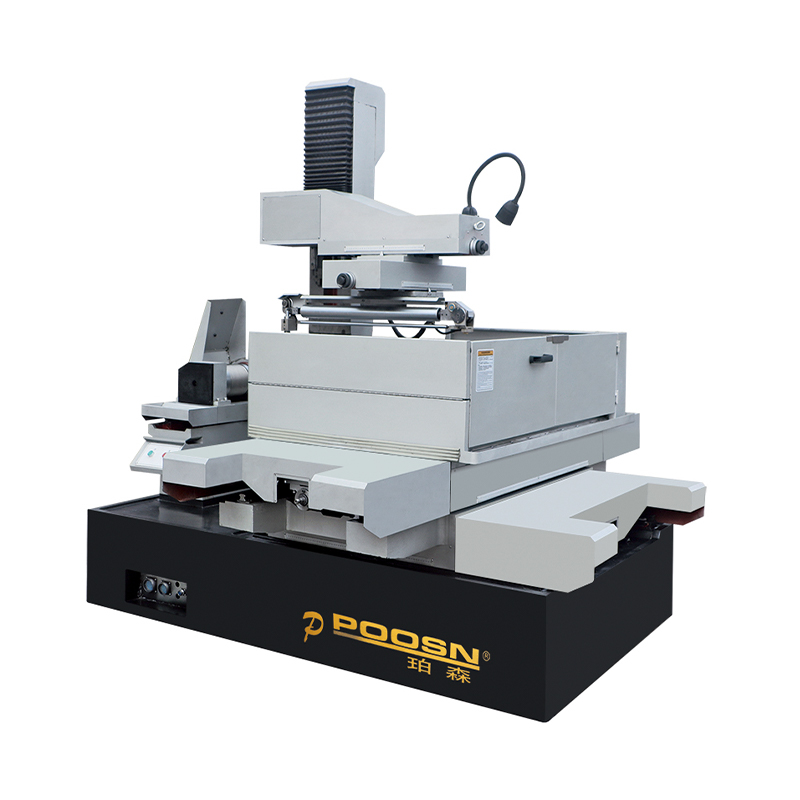
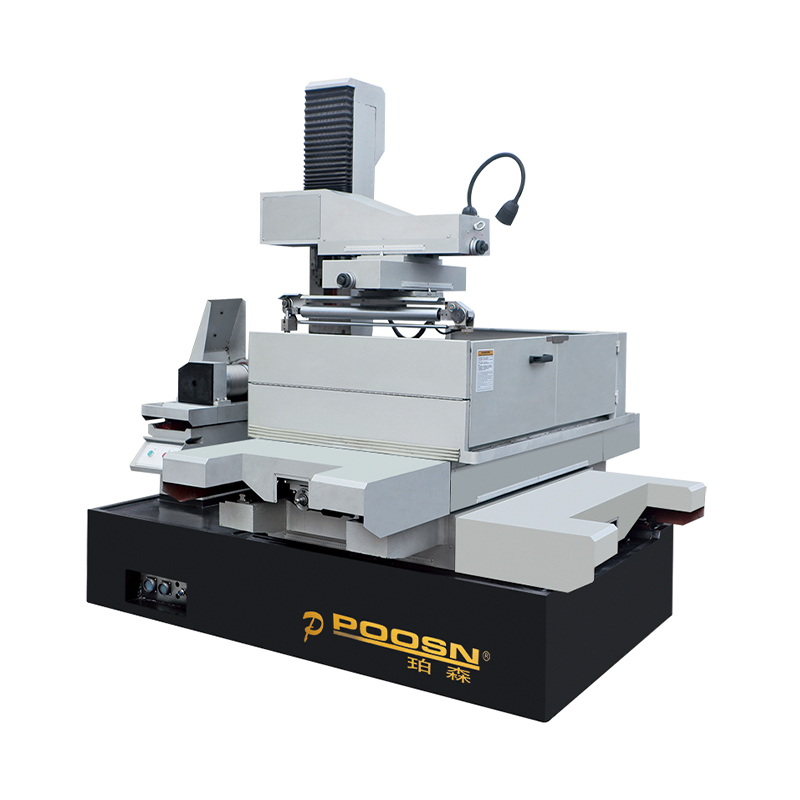
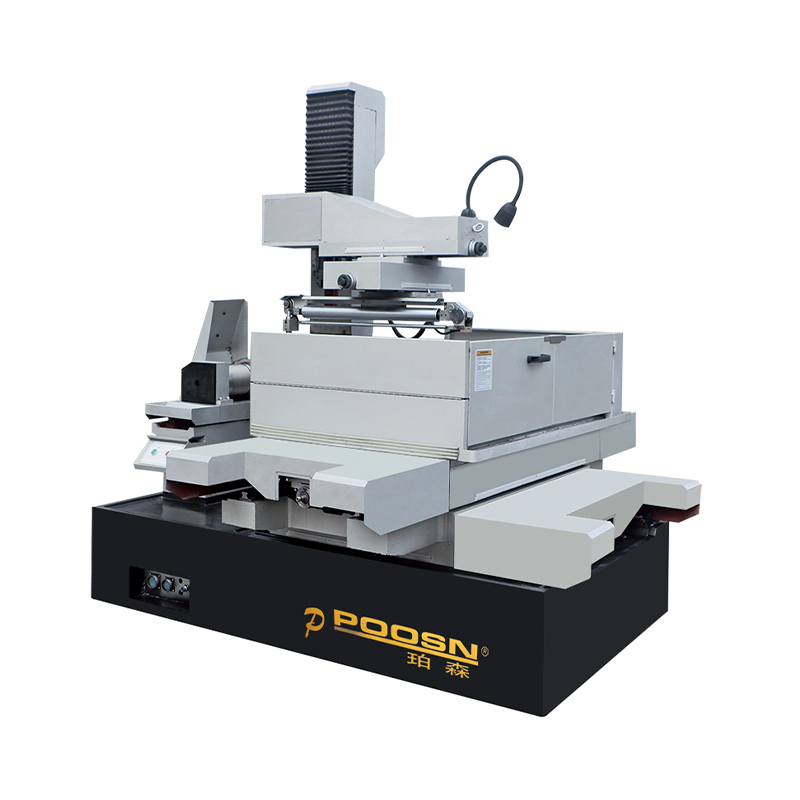
DK-7745 CNC High-Speed Wire EDM Machine (4-Axis, 400×600mm Travel)
Content
- 1 1. Product Positioning and Main Application Scope
- 2 2. Core Technical Characteristics
- 3 3. Structural Design for Stability
- 4 4. Electrical Discharge and Control Technology
- 5 5. Advantages Compared with Alternative Equipment
- 6 6. Manufacturing Strengths Behind the Machine
- 7 7. Application Areas
- 8 8. Production Efficiency and Return on Investment
- 9 9. Operation, Installation, and Maintenance
- 10 10. Customization and Technical Support
- 11 11. Model Selection Guidance
- 12 12. Frequently Asked Questions
- 12.1 Q1: What type of machine is the DK-7745?
- 12.2 Q2: What is the maximum worktable load?
- 12.3 Q3: What materials can the machine process?
- 12.4 Q4: What is the maximum cutting efficiency?
- 12.5 Q5: Can the DK-7745 cut tapered profiles?
- 12.6 Q6: Is the machine suitable for mass production?
- 12.7 Q7: How does high-speed WEDM control operating costs?
- 12.8 Q8: What surface finish can be achieved?
- 12.9 Q9: Which control cabinets are available?
- 12.10 Q10: How does the manufacturer verify machine accuracy?
- 12.11 Q11: Does the company provide customized solutions?
- 12.12 Q12: What should customers confirm before placing an order?
- 13 13. Overall Evaluation
- 14 References
- 15 Product: DK-7745 CNC High-Speed Wire EDM Machine (4-Axis, 400×600mm Travel)
1. Product Positioning and Main Application Scope
The DK-7745 is a CNC high-speed wire-cut EDM machine intended for precision cutting of electrically conductive materials. Instead of relying on conventional mechanical contact between a cutting tool and a workpiece, the machine uses controlled electrical discharges between a moving electrode wire and the workpiece. This makes it possible to process hardened steel, cemented carbide, tool steel, and other difficult-to-machine conductive materials without applying significant mechanical cutting force.
The machine is especially suitable when a component contains narrow slots, small internal corners, intricate profiles, deep contours, or complex two-dimensional and tapered geometries. These features may be difficult, expensive, or impossible to produce efficiently through milling, sawing, or conventional turning. The DK-7745 can cut profiles after heat treatment, reducing the risk of distortion caused by subsequent hardening processes.
Its large working capacity makes it different from compact wire-cut EDM machines intended mainly for small inserts or miniature components. The DK-7745 is designed for medium-to-large molds, automotive parts, aerospace components, precision plates, mechanical structures, and production fixtures. The available configuration provides a substantial worktable and a maximum worktable load of up to 400 kg for the DK-7745 model.
The product family also includes related models for different size requirements. The DK-7725 is aimed at smaller and medium-sized parts, the DK-7735 provides a larger working area, and the DK-7745F is intended for extra-large workpieces and heavier components. This model range allows customers to select equipment according to workpiece dimensions, production volume, load requirements, and available workshop space.
2. Core Technical Characteristics
2.1 Large Work Envelope
The DK-7745 is developed for workpieces that cannot be comfortably accommodated by smaller wire-cut machines. Product information identifies the model with an X/Y travel capacity in the large-format range, including a listed 450 × 550 mm travel configuration in the technical table. Some product descriptions also reference a 400 × 600 mm travel specification. This difference may reflect a particular machine configuration, naming convention, or customized travel arrangement, so final travel dimensions should be confirmed with the manufacturer before ordering.
Regardless of the selected configuration, the design objective is clear: the DK-7745 provides a larger working range than compact high-speed WEDM equipment. A larger travel area reduces the need to reposition large workpieces and makes it easier to machine multiple components in a single setup. Fewer setups can improve repeatability because the operator does not need to repeatedly establish workpiece alignment and reference positions.
The worktable size listed for the DK-7745 is 570 × 850 mm, providing sufficient support for large plates, mold components, die blocks, and irregularly shaped workpieces. This table is supported by a rigid machine structure designed to maintain geometric stability under heavy loading.
2.2 High Worktable Load Capacity
The DK-7745 has a maximum worktable load of 400 kg. This capacity is important for mold manufacturers and heavy-component producers because workpiece mass can become a limiting factor when selecting a compact machine. A machine with insufficient load capacity may require complex fixtures, additional lifting procedures, or the division of a component into multiple operations.
With a higher load rating, the DK-7745 can accommodate larger mold plates, hardened blocks, precision mechanical components, and stacked workpieces. The worktable and machine bed are designed to distribute load effectively, helping limit deformation and vibration during machining. Stable support is particularly important in wire EDM because dimensional accuracy can be affected by workpiece movement, vibration, thermal changes, and flushing conditions.
2.3 Four-Axis Linkage
The machine uses X, Y, U, and V axes with stepper drive and four-axis linkage. The X and Y axes control the primary movement of the worktable or cutting path, while the U and V axes control the relative displacement of the upper wire guide. Coordinated movement allows the wire to produce tapered cuts and other nonvertical geometries.
The maximum cutting taper is listed as ±6 degrees over 80 mm. This capability is valuable for die components, punches, inserts, slanted profiles, and parts requiring different upper and lower contours. Four-axis movement expands the machine’s application range beyond simple vertical profile cutting and supports more advanced part geometries.
Compared with a basic two-axis machine, a four-axis system can reduce the need for secondary machining. It may also improve consistency when producing tapered or three-dimensional profile features. This is a major advantage for toolrooms and component manufacturers that routinely process parts with angled walls, clearance tapers, or matched upper and lower contours.
2.4 High Cutting Efficiency
The DK-7745 is specified with a maximum cutting efficiency of up to 16,000 mm² per hour. Depending on the selected CNC cabinet, workpiece material, thickness, wire, electrical parameters, and machining conditions, the practical efficiency range is identified as approximately 10,000 to 16,000 mm² per hour.
Actual production performance always depends on process conditions. Cutting efficiency is influenced by workpiece thickness, material conductivity, flushing effectiveness, wire tension, pulse energy, surface-finish requirements, and the desired number of finishing passes. Nevertheless, the stated performance range demonstrates that the DK-7745 is intended for production-oriented cutting rather than occasional toolroom use only.
High cutting efficiency helps reduce total cycle time and increases machine utilization. It can also improve production scheduling because larger jobs can be completed within predictable time windows. For contract manufacturers, shorter cycle times may support more competitive quotations, while in-house manufacturers can reduce bottlenecks in mold and die production.
2.5 Surface Finish and Accuracy
The optimal surface roughness is listed as Ra ≤ 2.5 μm. This specification indicates the machine’s ability to produce a relatively fine machined surface under suitable finishing conditions. Surface finish depends on material, electrical parameters, wire quality, flushing, workpiece thickness, and the number of roughing and finishing cuts.
The machine accuracy is associated with GB/T 7926-2015. Product information also identifies linear accuracy of up to 0.005 mm and taper accuracy of approximately 0.015 mm. These values are important for precision mold components, mechanical parts, and applications requiring reliable profile conformity.
Accuracy is not created by the control system alone. It depends on the combined performance of the machine bed, guideways, screws, wire guides, wire tension system, electrical generator, flushing system, measuring practices, and environmental conditions. The DK-7745 addresses these areas through a heavy-duty structure, precision guide components, coordinated control, and final inspection before delivery.
3. Structural Design for Stability
3.1 Stress-Relieved Machine Bed
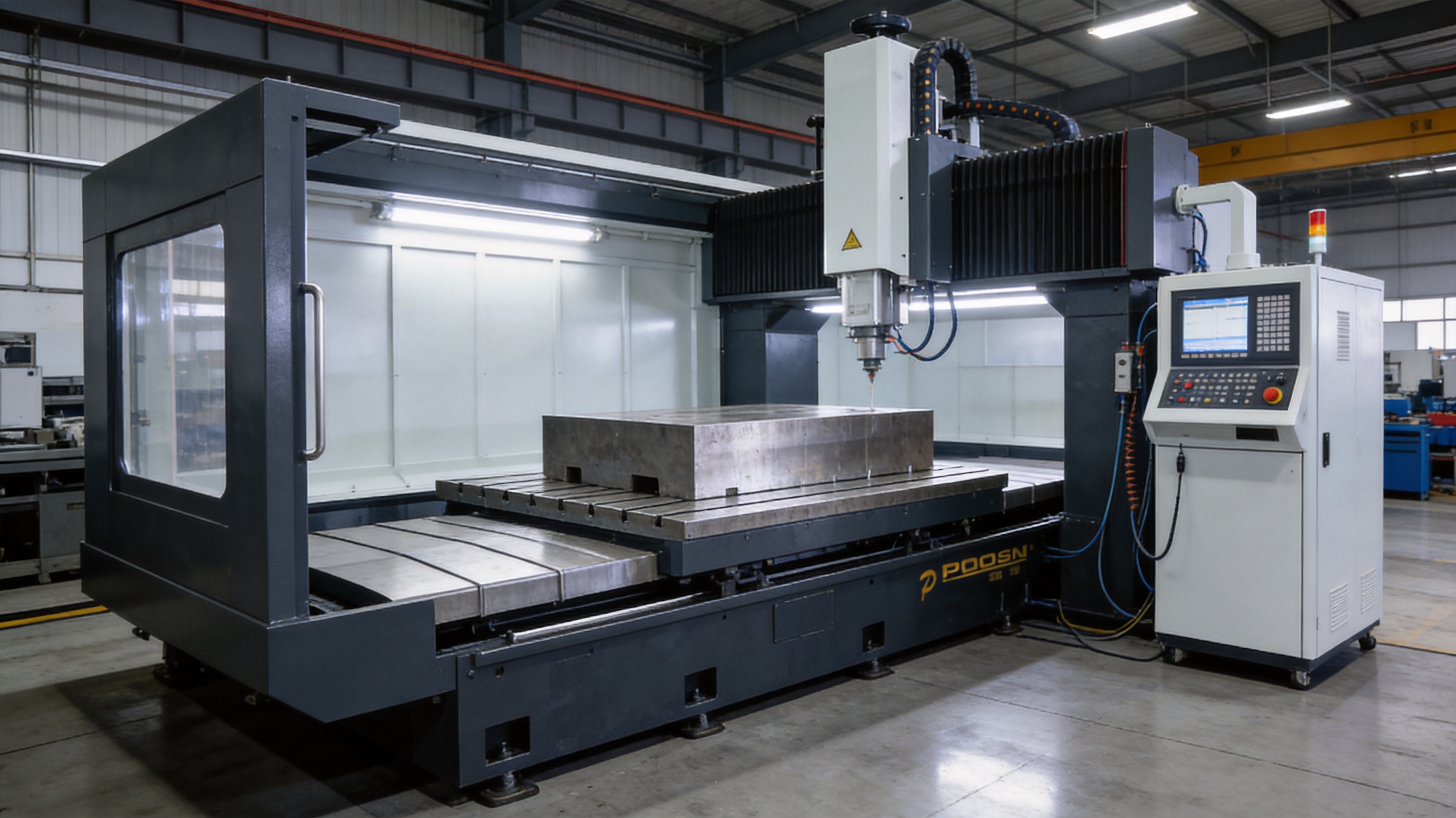
Long-term stability is one of the most important differences between a production-grade EDM machine and a lightly built alternative. The DK-7745 uses a high-strength cast structure designed to resist deformation under heavy workpiece loads. The castings undergo aging treatment to reduce internal stress introduced during casting and machining.
Stress relief is essential because residual internal stress can gradually cause dimensional changes. If a machine bed moves after final machining, the accuracy of the guideways and worktable may be affected. Aging treatment helps the casting reach a more stable condition before precision surfaces and guide components are installed.
The heavy-duty structure also provides vibration damping. During high-speed wire transport, flushing, pulse discharge, and table movement, small vibrations can influence wire stability and surface finish. A rigid and damped foundation helps reduce these effects and supports repeatable cutting performance.
3.2 Precision Guideways and Drive Components
The DK-7745 uses high-rigidity linear guideways and precision ball screws as part of its drive mechanism. Linear guides provide controlled movement with low friction and good repeatability, while ball screws convert motor rotation into accurate linear movement.
For a large-format machine, guideway rigidity is particularly important. The longer the travel, the more carefully the machine must control deflection, backlash, and alignment. Precision drive components help the control system position the workpiece and wire accurately across the full machining range.
The use of coordinated X, Y, U, and V movement also requires consistent motion performance. If one axis responds differently from another, the resulting profile may contain dimensional errors or taper inconsistencies. Proper mechanical integration therefore supports the performance of the CNC control system.
3.3 Balanced Wire Transport
The high-speed reciprocating wire system is central to the operation of a high-speed WEDM machine. The DK-7745 uses a wire drum subjected to dynamic balancing and precision guide components to support smooth wire travel. Balanced wire transport helps reduce vibration and improves the stability of the discharge gap.
In high-speed wire cutting, the electrode wire is commonly reused through reciprocating movement. This provides a cost advantage over low-speed wire EDM systems that continuously consume a new length of wire. The wire system must nevertheless maintain stable tension, reliable transport, and consistent contact with the electrical circuit.
Smooth wire movement contributes to better surface finish, reduced risk of wire breakage, and more predictable machining. It also supports efficient use of consumables, which is important for manufacturers seeking to reduce operating costs over the lifetime of the equipment.
4. Electrical Discharge and Control Technology
4.1 Intelligent Pulse Power Supply
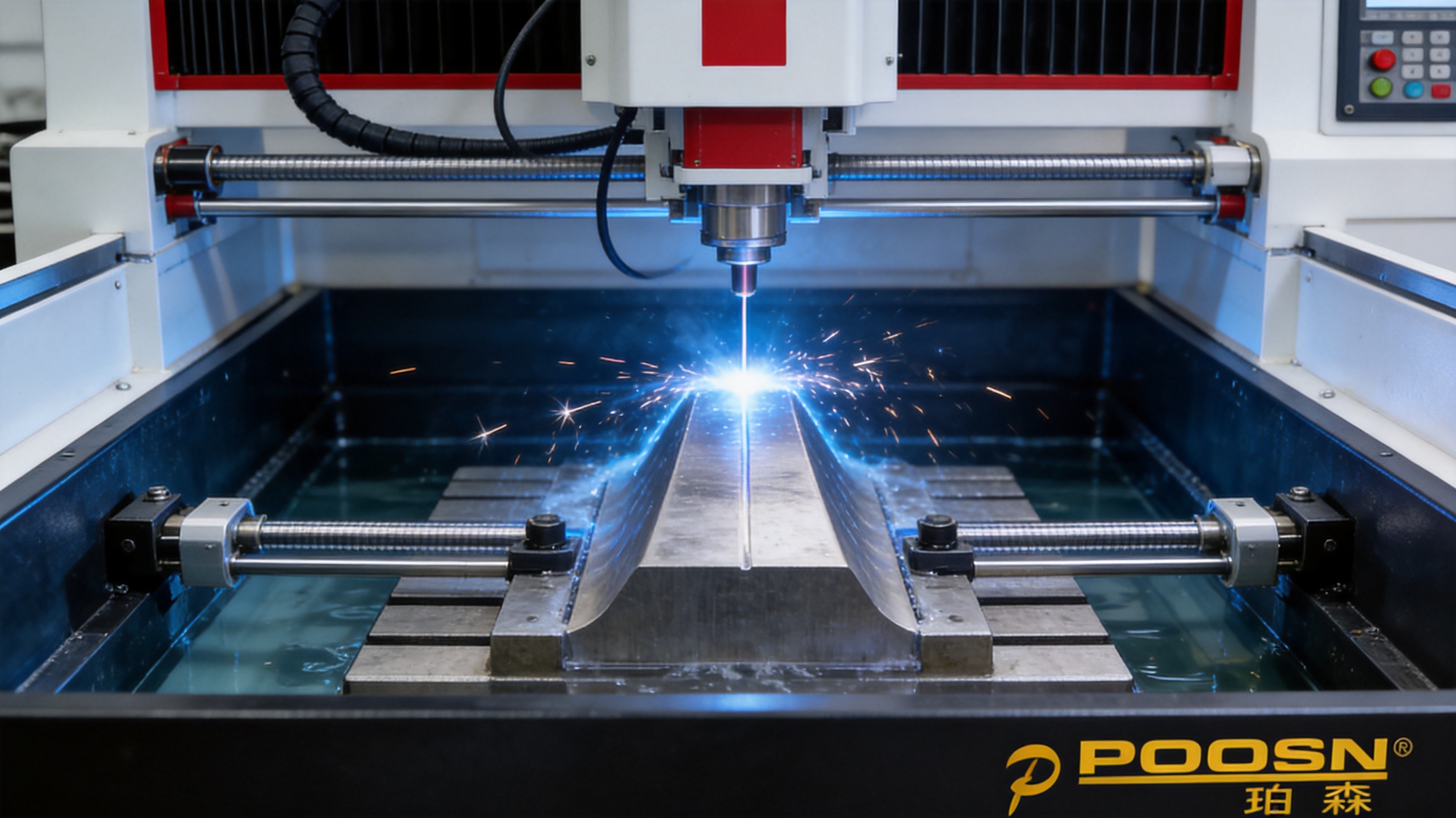
The pulse power supply controls the electrical energy delivered across the discharge gap. Each electrical pulse creates a controlled spark that melts and removes a small amount of material. The quality of the pulse determines cutting speed, surface condition, dimensional stability, and the likelihood of wire breakage.
The DK-7745 uses a high-frequency intelligent generator with variable operating control. The system is designed to adjust discharge conditions according to machining requirements. Stable pulse output is particularly important when cutting thick workpieces because the discharge path is longer, flushing is more difficult, and the risk of unstable erosion is higher.
A responsive electrical design helps maintain consistent discharge energy even when material thickness or cutting conditions change. This can reduce short circuits, improve cutting continuity, and limit unnecessary wire breakage. It also supports the transition from rough cutting to finishing operations, where lower and more carefully controlled energy is required.
4.2 CNC Interface and Program Management
The machine is equipped with a CNC control system designed to simplify programming, setup, and operation. An intuitive interface reduces the learning curve for operators and helps shorten the time between workpiece preparation and machining.
The control system supports the import and conversion of graphic data into machining programs. This streamlines the workflow from design drawing to wire-cut profile. Operators can verify geometry, establish machining conditions, manage cutting paths, and monitor operating status through the digital control terminal.
Features such as graphic verification and power-loss memory support production continuity. If an interruption occurs, the machine can retain relevant machining information and reduce the risk of losing the entire operation. These functions are particularly useful for thick workpieces and long-duration jobs.
4.3 Flushing and Dielectric Circulation
Effective flushing is essential in wire EDM. The dielectric fluid removes eroded particles from the machining gap, cools the work area, and helps maintain stable electrical discharge conditions. Poor flushing may lead to arcing, short circuits, wire breakage, reduced cutting efficiency, or an inconsistent surface finish.
The DK-7745 includes a dedicated dielectric fluid circulation system. Its role is to support chip and debris evacuation while suppressing thermal accumulation during electro-erosion. Stable circulation becomes increasingly important as workpiece thickness increases because debris has a longer distance to travel away from the cutting zone.
Flushing performance must be matched to the workpiece and cutting conditions. Operators may adjust pressure, flow, and cutting parameters according to thickness, profile geometry, and finishing requirements. Professional process support from the manufacturer can assist customers in selecting appropriate settings for unusual materials or difficult geometries.
5. Advantages Compared with Alternative Equipment
5.1 Compared with Conventional Milling
Conventional milling applies mechanical cutting forces and requires a tool with sufficient hardness and rigidity to remove material. When processing hardened steel or cemented carbide, milling tools may wear rapidly, break, or require expensive coatings and specialized strategies. The DK-7745 removes material through electrical discharge, so the cutting force on the workpiece is minimal.
This makes wire EDM especially useful for hardened components, narrow slots, delicate sections, and intricate profiles. The process can be performed after heat treatment, helping manufacturers avoid changes in dimensions caused by later hardening operations. Milling remains valuable for many applications, but wire EDM provides a complementary capability where mechanical cutting becomes inefficient or impractical.
5.2 Compared with Low-Speed Wire EDM
Low-speed wire EDM machines can provide excellent precision and surface finish, but they normally consume a continuous supply of electrode wire. The DK-7745 uses a high-speed reciprocating wire system, allowing the wire to be reused during the cutting process. This can substantially reduce wire consumption and operating cost.
High-speed WEDM is often attractive for mold manufacturers and general precision machining companies that require a strong balance between cost and performance. The DK-7745 also offers high cutting efficiency, large workpiece capacity, and four-axis taper capability. For many production applications, these benefits can provide a faster return on investment.
Low-speed WEDM may remain preferable for certain ultra-fine finishing or specialized high-precision operations. The appropriate choice depends on tolerance, surface-finish requirements, material, production volume, and total cost. The DK-7745 is particularly competitive where robust production performance, large workpiece handling, and consumable cost control are priorities.
5.3 Compared with Smaller High-Speed WEDM Machines
Smaller high-speed machines may require less floor space and offer a lower initial purchase price, but they can limit the size and weight of workpieces that can be processed. Repositioning or splitting a large component may increase setup time and reduce accuracy.
The DK-7745 provides a larger worktable, longer travel, and higher load capacity. It is therefore better suited to large molds, automotive plates, aerospace components, and production work that must be completed in fewer setups. Its structure is also designed for stable operation under heavier loads, which can improve confidence in long-duration machining.
5.4 Compared with Basic Two-Axis Machines
A basic two-axis wire-cut machine is adequate for vertical profiles, but it cannot provide the same level of taper and upper-lower contour control as a four-axis machine. The DK-7745’s U and V axes add flexibility for tapered dies, angled surfaces, and more complex geometries.
This capability can reduce the need for secondary operations. It may also simplify fixture design because the machine can create the required profile directly instead of relying on additional milling, grinding, or manual correction.
6. Manufacturing Strengths Behind the Machine
6.1 Specialized Industry Experience
The manufacturer has specialized in electrical discharge wire cutting since 1999. The POOSN brand was established in 2003, and the company later developed a broader production and engineering base for EDM equipment. Long-term specialization gives the manufacturer practical knowledge of wire transport, pulse control, mechanical accuracy, flushing, electrical integration, and customer process requirements.
This experience is valuable because wire EDM performance depends on the interaction of many systems. A company focused on EDM can develop solutions based on actual application experience rather than treating the machine as a generic automation product.
6.2 Integrated Product Development
Taizhou Xinchengyang Machinery Manufacturing Co., Ltd. conducts research, development, production, and testing for electrical discharge machining equipment. Its product lines include PS-C and DK77-BC medium-speed wire-cut EDM machines, DK77-A and DK77-B high-speed wire-cut machines, and DK77-D large-taper wire-cut machines.
This product range allows the company to compare different mechanical architectures, electrical systems, and application requirements across multiple machine categories. Experience gained from one series can contribute to improvements in another. The DK-7745 benefits from this broader platform of product knowledge.
6.3 Advanced Processing and Testing Resources
The manufacturer operates with advanced processing equipment and comprehensive inspection methods. Precision machining of machine beds, worktables, guide surfaces, and mounting interfaces is essential for achieving reliable machine accuracy. Manufacturing quality must be controlled before assembly, during assembly, and after the complete machine is built.
Each machine tool undergoes positioning accuracy testing. Final inspection helps verify that the assembled machine performs according to specified geometric and motion requirements. Product information also refers to pre-shipment accuracy checks and the use of precision measurement methods. These procedures help ensure that the customer receives equipment that is ready for production rather than a machine requiring extensive correction after installation.
6.4 Continuous Technical Development
The company has developed patented technology, including a fully automatic CNC machine tool incorporating plate-type winding and suction-type adhesive technology. This demonstrates an effort to improve machine automation and functional integration. Although individual technologies may apply to different product models, the development history shows that the manufacturer invests in engineering solutions for wire-cutting equipment.
The company was established as Taizhou Xinchengyang Machinery Manufacturing Co., Ltd. in 2017 with registered capital of 60 million yuan and its own factory. It was recognized as a high-tech enterprise in Taizhou in 2021. These milestones support the company’s position as an established industrial manufacturer rather than a trading-only organization.
6.5 Quality-Oriented Production
The company states that its products are manufactured according to national standards and that machine tools undergo positioning accuracy testing. A quality-oriented production approach is particularly important for EDM equipment because errors in alignment, wire guide positioning, or table movement may become visible only after the machine is used on a precision component.
Quality control also includes mechanical inspection, electrical testing, control-system verification, wire transport checks, flushing tests, and operational trials. A complete inspection process reduces the possibility of hidden defects and supports more reliable installation at the customer’s facility.
| Performance Area | DK-7745 Capability | Production Benefit |
| Worktable size | 570 × 850 mm listed for the DK-7745 model | Supports large plates, molds, and mechanical components |
| X/Y travel | Large-format travel; listed table data includes 450 × 550 mm, with other configurations described as 400 × 600 mm | Reduces repositioning and supports larger profiles |
| Maximum worktable load | 400 kg | Handles heavier workpieces and large mold components |
| Maximum cutting efficiency | Up to 16,000 mm²/h | Shortens production cycles and improves machine utilization |
| Maximum taper | ±6° over 80 mm | Supports tapered dies and angled profiles |
| Surface roughness | Ra ≤ 2.5 μm under optimal conditions | Reduces the need for additional finishing |
| Drive system | X, Y, U, V stepper drive with four-axis linkage | Enables coordinated contour and taper cutting |
| Control cabinet | ZH-K68 standard desktop cabinet; ZHZK-03 vertical cabinet optional | Provides flexible installation and operating arrangements |
| Power supply | 3N 380 V ±10% | Matches common industrial power requirements |
7. Application Areas
7.1 Precision Mold Manufacturing
The DK-7745 is suitable for producing cavities, cores, inserts, punches, and other mold components. Mold materials are often hardened to improve service life, which can make them difficult to machine with conventional tools. Wire EDM can cut complex profiles after hardening, helping preserve dimensional accuracy.
The machine’s taper capability is useful for stamping dies, progressive dies, plastic mold components, and parts requiring controlled clearance. Large travel and high table capacity also support larger mold bases and die plates.
7.2 Automotive Components
Automotive manufacturing uses precision dies, forming tools, injection mold components, and specialty mechanical parts. The DK-7745 can process complex profiles and hardened materials used in these applications. Its production efficiency supports both prototype work and repeated manufacturing operations.
Automotive suppliers also benefit from reduced setup frequency. When a large component can be processed in a single setup, the risk of alignment variation is reduced and throughput may improve.
7.3 Aerospace Parts
Aerospace components often require high dimensional accuracy, difficult-to-machine materials, and complex shapes. The noncontact nature of EDM is useful for delicate profiles and narrow features where cutting forces could deform a component.
The DK-7745 can support aerospace tooling, precision plates, structural components, and specialized conductive parts. Actual application suitability should always be verified through sample cutting because aerospace materials and acceptance requirements vary widely.
7.4 Precision Mechanical Components
Mechanical engineering companies can use the machine for gears, slots, precision plates, shafts with special profiles, guide components, and complex fixtures. It is particularly useful when a part requires a profile that is difficult to produce with standard milling cutters.
Because the wire electrode does not need to match the profile mechanically like a milling cutter, the same wire path can produce intricate contours with suitable programming. This offers flexibility for custom parts and low-volume precision production.
7.5 Electrical and Electronic Components
Electrical and electronic industries use precision metal parts, connector components, lead frames, dies, and miniature tooling. The DK-7745 can produce narrow slots and complex contours in conductive materials. Its accuracy and controlled discharge process support applications requiring repeatable dimensions.
7.6 Hard and Difficult Materials
The machine can process conductive hardened steel, cemented carbide, and other materials that are difficult to cut mechanically. Electrical discharge removes material through thermal erosion, so material hardness has less influence on cutting force than in conventional machining.
Material conductivity remains essential because the EDM process requires the workpiece to conduct electricity. Nonconductive materials generally require different processing methods or specialized preparation.
8. Production Efficiency and Return on Investment
Investment value depends on more than the purchase price. A machine should be evaluated according to total operating cost, usable capacity, maintenance requirements, cycle time, scrap risk, labor needs, and expected service life. The DK-7745 is designed to generate value through a combination of high cutting efficiency, reusable wire operation, stable accuracy, and broad application capability.
High-speed reciprocating wire reduces electrode wire consumption compared with continuously fed wire systems. A stable wire path can also reduce breakage and the associated time required for threading, recovery, and restarting. When combined with a high worktable load and long travel range, this can increase productive machine hours.
Four-axis operation may reduce secondary processing. If a tapered or angled feature can be completed directly on the wire EDM machine, the manufacturer may avoid transferring the workpiece to another machine. Fewer transfers reduce handling time and the possibility of re-clamping errors.
The machine’s robust structure can contribute to long-term value by reducing geometric drift and downtime. A stable machine is more likely to maintain consistent performance across repeated production cycles. This is especially important for companies that depend on reliable delivery schedules and repeat orders.
The DK-7745 also supports customization. Customers can discuss workpiece dimensions, preferred control cabinet, special process requirements, cutting conditions, automation needs, and technical support. Tailoring the machine to actual production requirements helps prevent the purchase of equipment that is either undersized or unnecessarily over-specified.
9. Operation, Installation, and Maintenance
9.1 Operator Training
The CNC interface is designed to be user-friendly, but successful EDM operation still requires training. Operators should understand workpiece preparation, electrical conductivity, wire threading, wire alignment, workpiece leveling, program verification, flushing adjustment, and safe machine operation.
Training should also cover the selection of pulse parameters for roughing and finishing, how to respond to wire breakage, how to inspect the workpiece, and how to maintain dielectric fluid quality. A short, structured training program can reduce setup errors and help new operators become productive quickly.
9.2 Routine Maintenance
Routine maintenance includes checking wire guides, wire tension, rollers, contacts, filters, dielectric fluid, pumps, seals, electrical connections, and guideway lubrication. Maintaining clean and correctly adjusted wire guides is essential for accuracy and surface finish.
The dielectric system should be inspected regularly to ensure adequate circulation and filtration. Contaminated fluid can reduce cutting stability and increase the risk of short circuits. Filters and other consumable components should be replaced according to operating conditions rather than neglected until a problem occurs.
Operators should also monitor unusual vibration, changes in cutting sound, unstable discharge, increased wire breakage, poor surface finish, and dimensional drift. Early detection can prevent a minor maintenance issue from developing into a major production interruption.
9.3 Installation Environment
The machine should be installed on a suitable foundation with adequate floor strength, stable power, sufficient ventilation, and appropriate space for loading and maintenance. Environmental temperature should be controlled as much as practical because thermal changes can influence precision during long machining cycles.
The customer should prepare lifting and positioning equipment appropriate for the machine’s weight. The listed machine weight for the DK-7745 is approximately 1,250 kg, although the final value may vary according to configuration and optional equipment. Installation and commissioning should be performed according to the manufacturer’s technical instructions.
10. Customization and Technical Support
Different manufacturers have different requirements for workpiece size, control layout, cutting strategy, automation level, and workshop arrangement. The DK-7745 series supports professional customization services so that the final machine can be matched to the customer’s technical and production needs.
The control cabinet can be selected in a standard desktop format or an optional vertical format. The choice may depend on operator preference, available floor space, visibility, and workshop layout. Additional discussions can address special cutting processes, large workpiece support, programming formats, process trials, and integration with existing production systems.
Technical support extends beyond machine delivery. The manufacturer can assist with process optimization, consumable selection, wire choice, cutting parameters, workholding, and special strategies for unusual components. This support is important because the best performance depends on the correct relationship between machine capability and application conditions.
The company provides rapid response and professional technical assistance intended to support equipment stability throughout its service life. Its service philosophy includes hardware support, process guidance, and operational assistance. This comprehensive approach can help customers reduce commissioning time and achieve a faster return on their investment.
11. Model Selection Guidance
Selecting the correct model begins with the largest workpiece that must be processed, not the average workpiece. Buyers should evaluate maximum length, width, thickness, weight, required taper, fixture dimensions, and the space needed for wire threading and maintenance.
The DK-7725 is suitable for small and medium-sized parts, precision mold components, and small-batch production. The DK-7735 is designed for medium-sized components requiring a larger working table. The DK-7745 is intended for large-sized parts, high-precision molds, aerospace components, and automotive tooling. The DK-7745F is suitable for extra-large workpieces and heavier precision components.
For even larger workpieces, the DK7755F, DK7763F, DK7780F, and DK77100F models provide progressively larger worktables and travel ranges. These models support worktable loads from 600 kg to 1,200 kg according to the listed specifications. Customizable options are available for the DK77100 and larger machines.
Customers should confirm all final specifications, including travel, cutting thickness, table size, control cabinet, worktable load, power supply, machine dimensions, and optional functions, in the formal technical agreement. This is especially important because certain product descriptions may present alternative configurations for the same model family.
12. Frequently Asked Questions
Q1: What type of machine is the DK-7745?
The DK-7745 is a CNC high-speed wire-cut electrical discharge machining machine. It uses a reciprocating electrode wire and controlled electrical discharges to cut conductive materials into precise profiles.
Q2: What is the maximum worktable load?
The listed maximum worktable load for the DK-7745 is 400 kg. The actual permitted load should include the workpiece, fixture, support plates, and any related tooling. Customers should confirm loading requirements before installation.
Q3: What materials can the machine process?
The machine is suitable for electrically conductive materials, including hardened steel, tool steel, cemented carbide, and other conductive alloys. Material conductivity, thickness, and required surface finish influence the cutting parameters.
Q4: What is the maximum cutting efficiency?
The maximum listed cutting efficiency is up to 16,000 mm² per hour. Practical results vary according to material, thickness, wire, flushing, electrical settings, taper, and finishing requirements.
Q5: Can the DK-7745 cut tapered profiles?
Yes. The machine uses X, Y, U, and V axes with four-axis linkage. The listed maximum cutting taper is ±6 degrees over 80 mm, subject to workpiece conditions and process settings.
Q6: Is the machine suitable for mass production?
Yes. Its high cutting efficiency, large working capacity, reusable wire system, and stable structure make it suitable for production environments. The best results are achieved when programs, fixtures, maintenance schedules, and cutting parameters are standardized.
Q7: How does high-speed WEDM control operating costs?
The reciprocating wire system allows the electrode wire to be reused, reducing wire consumption compared with continuously fed wire EDM. Efficient cutting, fewer setups, and reduced secondary processing can also help lower total production cost.
Q8: What surface finish can be achieved?
The optimal surface roughness is listed as Ra ≤ 2.5 μm. Actual surface finish depends on material, workpiece thickness, electrical parameters, flushing, wire condition, and the number of finishing passes.
Q9: Which control cabinets are available?
The standard configuration uses a ZH-K68 desktop cabinet. A ZHZK-03 vertical cabinet is available as an option. The final selection can be based on operator preference and workshop layout.
Q10: How does the manufacturer verify machine accuracy?
The manufacturer performs positioning accuracy testing and final machine inspection. The production process includes mechanical and electrical checks intended to verify that the completed machine meets the relevant technical requirements before shipment.
Q11: Does the company provide customized solutions?
Yes. Customization discussions can address workpiece size, cutting requirements, control cabinet selection, special processes, production volume, and technical support. Customers should provide detailed part drawings and process information for accurate recommendations.
Q12: What should customers confirm before placing an order?
Customers should confirm travel dimensions, table size, maximum cutting thickness, maximum workpiece weight, taper requirements, power supply, machine dimensions, control cabinet, installation conditions, training, warranty, spare parts, and after-sales support. For the DK-7745, it is also advisable to confirm the exact X/Y travel configuration because different product descriptions may show alternative dimensions.
13. Overall Evaluation
The DK-7745 is a strong option for manufacturers seeking a large-format high-speed wire-cut EDM machine with a practical balance of capacity, precision, efficiency, and operating cost. Its 400 kg worktable load, large work envelope, four-axis linkage, taper-cutting capability, high cutting efficiency, and robust cast structure make it suitable for demanding production applications.
Its main competitive strength is not one isolated specification. Rather, it is the combination of features that work together: a rigid and stress-relieved frame supports stable movement; precision guides and ball screws support accurate positioning; balanced wire transport improves cutting consistency; intelligent pulse control supports efficient erosion; dielectric circulation helps maintain the discharge gap; and CNC functions simplify operation.
The machine is also backed by a manufacturer with long-term EDM specialization, its own factory, product development experience, testing capabilities, and technical support resources. This manufacturing foundation is important for customers who expect not only a machine, but also assistance with installation, process development, maintenance, and long-term use.
For precision mold manufacturing, automotive tooling, aerospace parts, electrical components, hard-material processing, and complex mechanical components, the DK-7745 can provide a reliable production platform. Buyers should confirm the final technical configuration with the manufacturer, especially regarding travel dimensions and optional equipment, but the machine’s overall design clearly targets high-precision, high-load, and cost-conscious wire EDM production.
With appropriate installation, operator training, process control, and preventive maintenance, the DK-7745 can help manufacturers increase throughput, reduce wire consumption, minimize secondary operations, and improve the consistency of complex component production.
References
1. Taizhou Xinchengyang Machinery Manufacturing Co., Ltd. Product information for the DK-7745 high-speed wire-cut EDM machine.
2. Taizhou Xinchengyang Machinery Manufacturing Co., Ltd. DK-77 series high-speed WEDM technical specifications and model selection data.
3. GB/T 7926-2015, Accuracy of Wire-Cut Electrical Discharge Machines.
4. General principles of electrical discharge machining, wire electrode transport, pulse power control, and dielectric flushing.
5. Technical guidelines for precision mold manufacturing, hardened steel processing, and CNC wire EDM production management.
Product: DK-7745 CNC High-Speed Wire EDM Machine (4-Axis, 400×600mm Travel)

-
Phone
+86-0523-86268788 +86-13815960366 +86-13912191163Email
[email protected]Address
No. 366, Yusheng Road Jiulong Town, Hailing District Taizhou City, China
Copyright © Taizhou Xinchengyang Machinery Manufacturing Co., Ltd. All Rights Reserved.
Custom edm machine for sale
wholesale edm machine manufacturers
