

 English
 русский
 عربى


Fang Xuelan — Customer After-Sales Supervisor
Home / Author / Fang Xuelan — Customer After-Sales Supervisor / PS35C Precision CNC Medium-Speed Wire-Cut EDM Machine: A Complete Guide to High-Accuracy and Efficient WEDM Processing
PS35C Precision CNC Medium-Speed Wire-Cut EDM Machine: A Complete Guide to High-Accuracy and Efficient WEDM Processing
2026-09-18
Modern manufacturers increasingly require machining equipment that can combine dimensional accuracy, stable long-term operation, reasonable operating costs, and practical production efficiency. Mold makers, automotive suppliers, aerospace manufacturers, toolmakers, and precision component producers must often process hardened conductive materials that are difficult or impossible to machine economically with conventional cutting tools. Wire electrical discharge machining provides an effective solution because it removes material through controlled electrical discharges rather than direct mechanical contact.
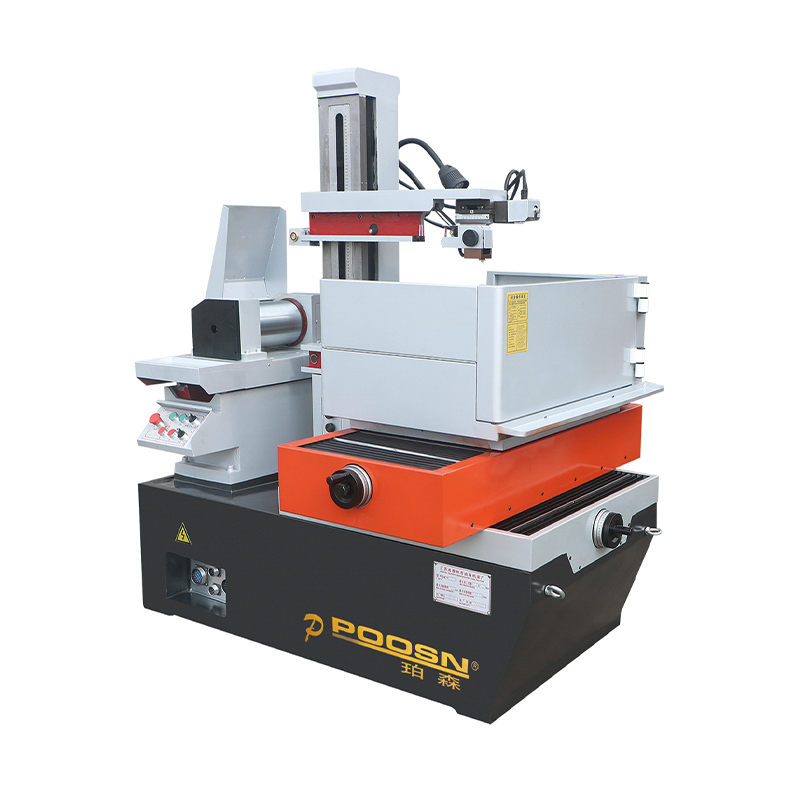
The PS35C precision CNC medium-speed wire-cut EDM machine is designed for this demanding production environment. It is intended for small and medium-sized workpieces, precision molds, complex profiles, and medium-batch manufacturing. Its design combines a rigid cast structure, four-axis CNC control, multi-pass cutting capability, controlled wire tension, high-efficiency pulse power, recirculating dielectric filtration, and a practical work envelope of 350 × 500 mm in the X and Y axes.
Unlike a basic high-speed wire-cut machine developed mainly for rough cutting, the PS35C is engineered to narrow the performance gap between conventional fast-wire equipment and more expensive low-speed wire EDM systems. It retains the economy and reusable electrode-wire concept associated with medium-speed machining while adding features that improve accuracy, surface quality, taper capability, control flexibility, and operating stability.
This article examines the PS35C’s technical architecture, working performance, manufacturing quality, application value, competitive advantages, customization possibilities, maintenance requirements, and selection considerations. It also explains how the machine can support manufacturers seeking a practical route toward more efficient and increasingly intelligent production.
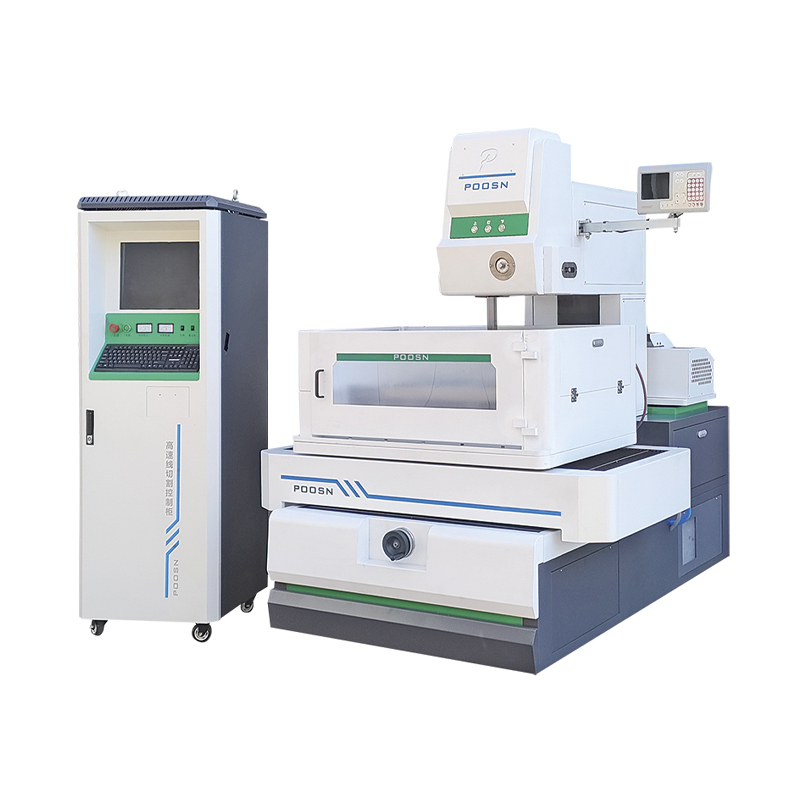
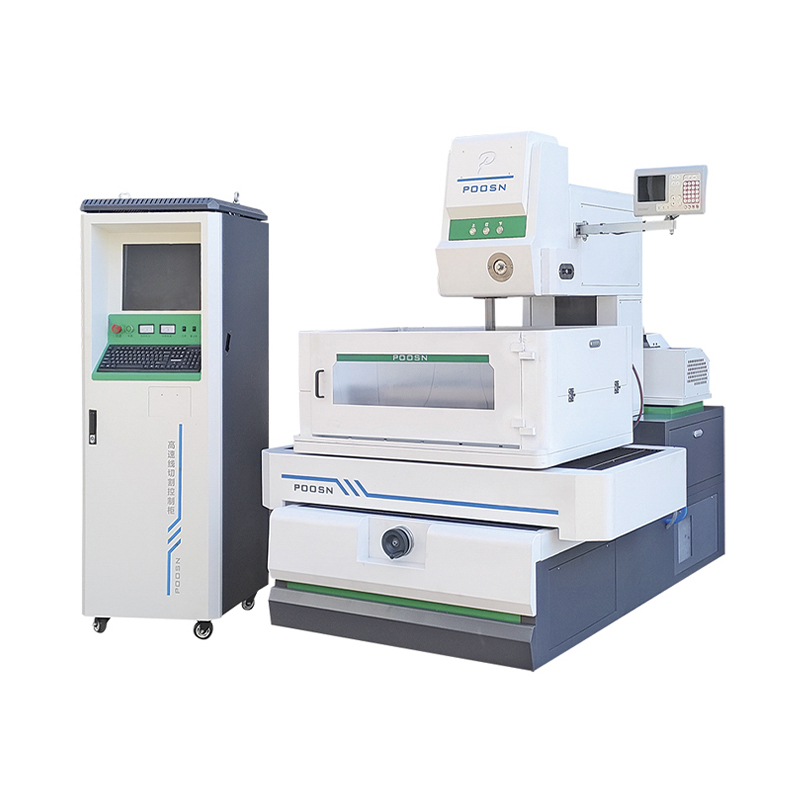
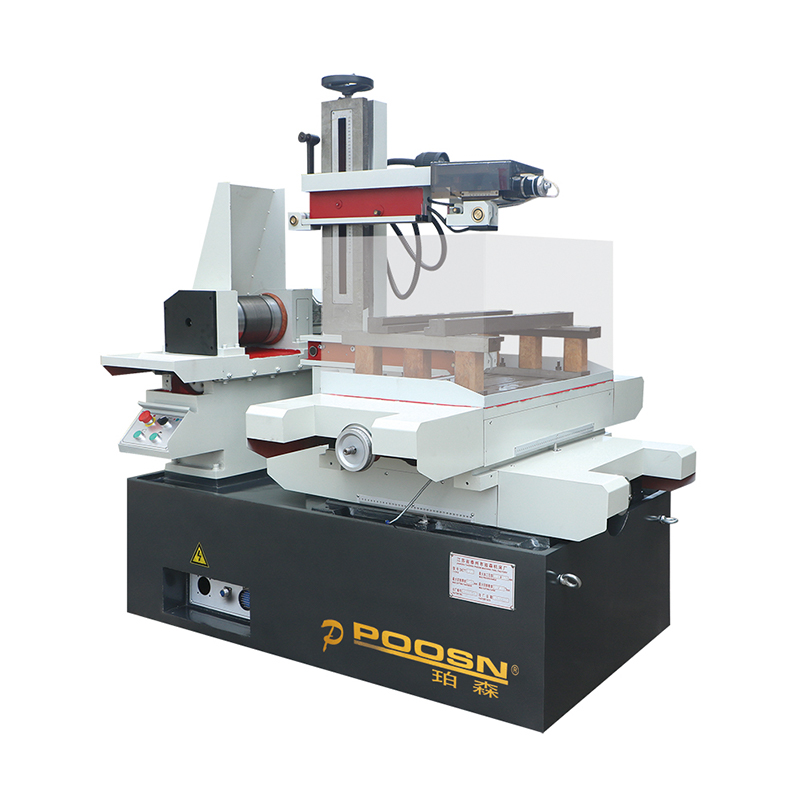
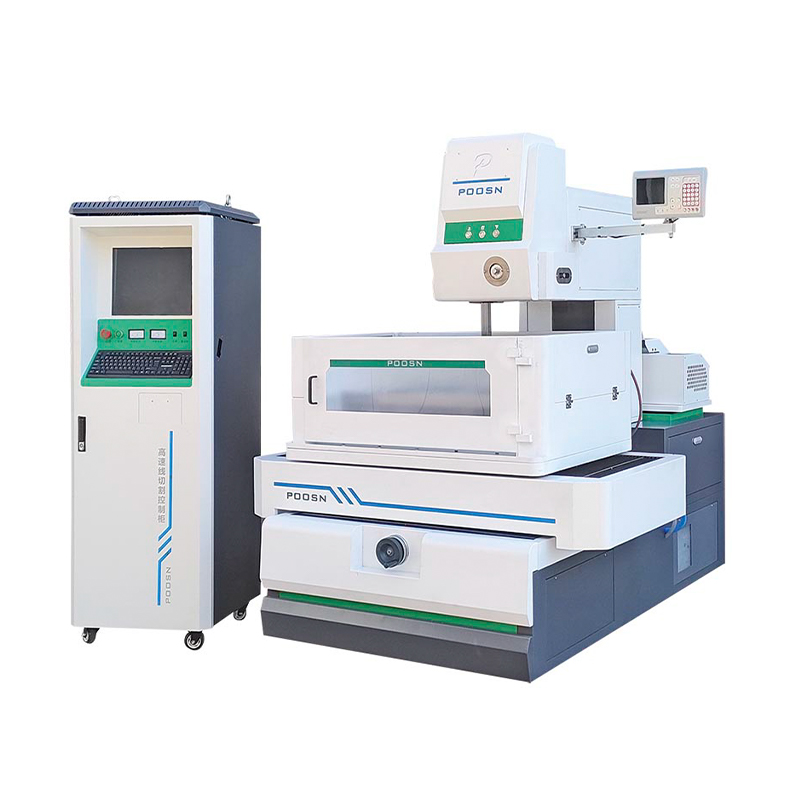
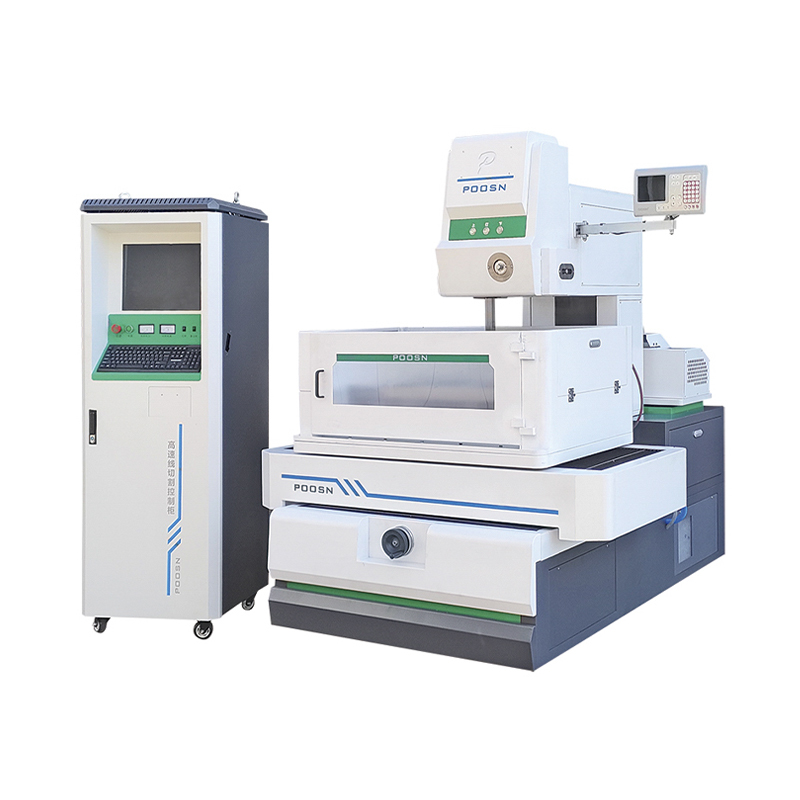
PS35C Precision CNC Medium Speed Wire Cut EDM Machine
Content
- 1 1. The Role of Medium-Speed Wire-Cut EDM in Modern Manufacturing
- 2 2. Product Positioning and Main Processing Capability
- 3 3. Rigid Machine Structure for Long-Term Precision
- 4 4. Precision Motion and Position Monitoring
- 5 5. Wire Tension Control and Guide Technology
- 6 6. Pulse Power Supply and Electrical Efficiency
- 7 7. CNC Control and Intelligent Operation
- 8 8. Multi-Pass Cutting and Surface Quality
- 9 9. Dielectric Circulation, Filtration, and Environmental Design
- 10 10. Manufacturing Processes Behind the Machine’s Performance
- 11 11. Competitive Advantages Over Conventional High-Speed WEDM
- 12 12. Comparison with Low-Speed Wire EDM
- 13 13. Major Application Areas
- 14 14. Customization and Configuration Options
- 15 15. Installation and Production Preparation
- 16 16. Maintenance and Reliability
- 17 17. Manufacturing Support and Customer Service
- 18 18. Intelligent Manufacturing Potential
- 19 19. Practical Cost and Productivity Benefits
- 20 20. Q&A: Frequently Asked Questions About the PS35C
- 20.1 Q1: What types of production tasks is the PS35C suitable for?
- 20.2 Q2: Can the PS35C process larger workpieces?
- 20.3 Q3: What is the maximum cutting efficiency?
- 20.4 Q4: Is the machine suitable for precision mold manufacturing?
- 20.5 Q5: What surface roughness can the machine achieve?
- 20.6 Q6: Is the PS35C difficult for beginners to operate?
- 20.7 Q7: Does the machine support taper cutting?
- 20.8 Q8: What type of wire does the machine use?
- 20.9 Q9: Does it include automatic threading?
- 20.10 Q10: How is wire vibration controlled?
- 20.11 Q11: What filtration system is used?
- 20.12 Q12: Can the machine be integrated into a digital workshop?
- 20.13 Q13: What drive options are available?
- 20.14 Q14: How should a customer select between the PS35C and larger models?
- 20.15 Q15: What support is available after purchase?
- 21 21. Recommended Customer Evaluation Process
- 22 22. Overall Assessment
- 23 References
- 24 Product: PS35C Precision CNC Medium Speed Wire Cut EDM Machine
1. The Role of Medium-Speed Wire-Cut EDM in Modern Manufacturing
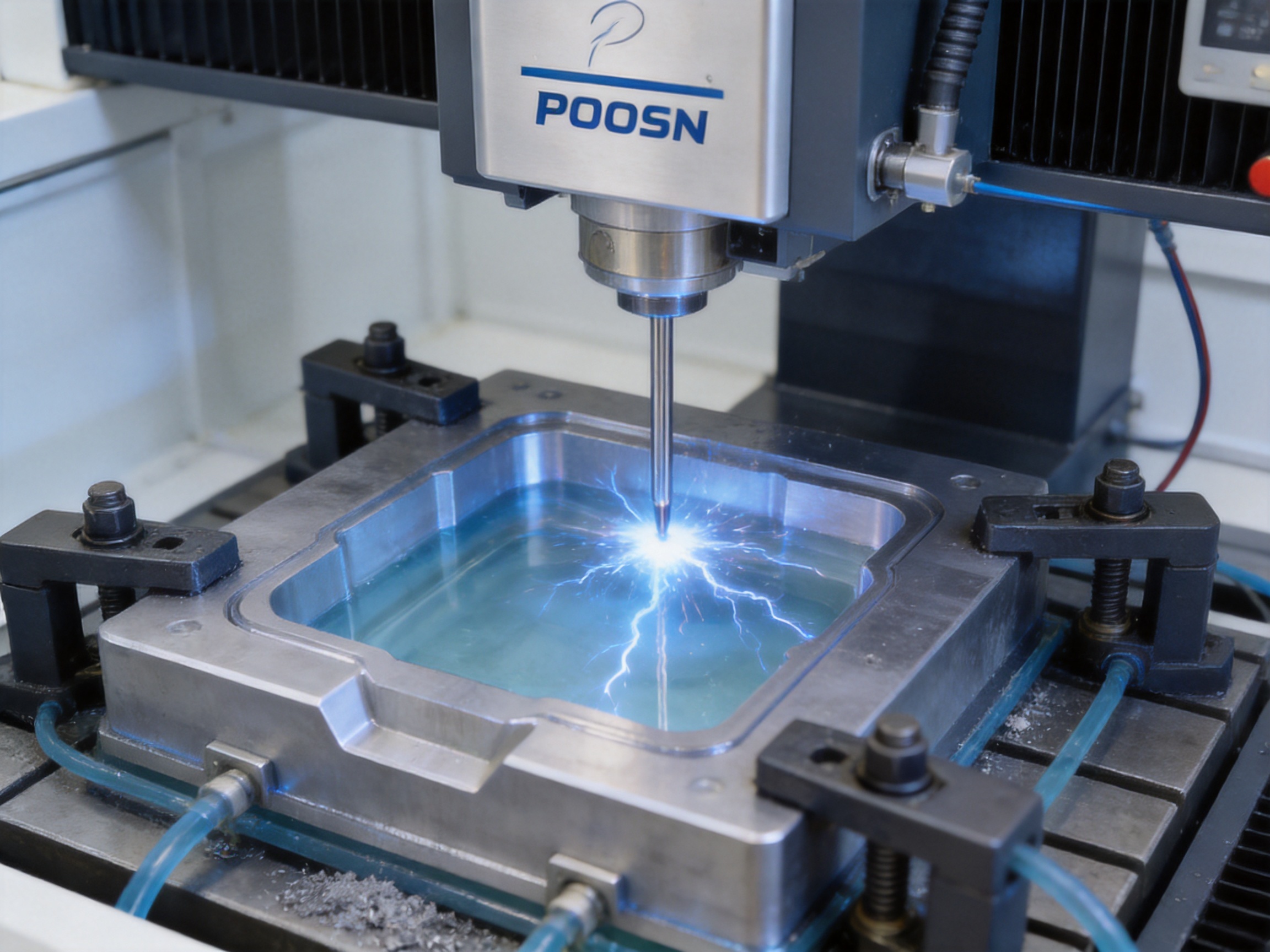
Wire-cut EDM, also known as wire electrical discharge machining or WEDM, uses a continuously moving conductive wire as an electrode. A controlled electrical potential is established between the wire and the workpiece while both are immersed in or flushed by a dielectric fluid. When the electrical gap reaches the required condition, a series of precisely controlled sparks melts and vaporizes small volumes of material. The dielectric fluid then carries away the eroded particles.
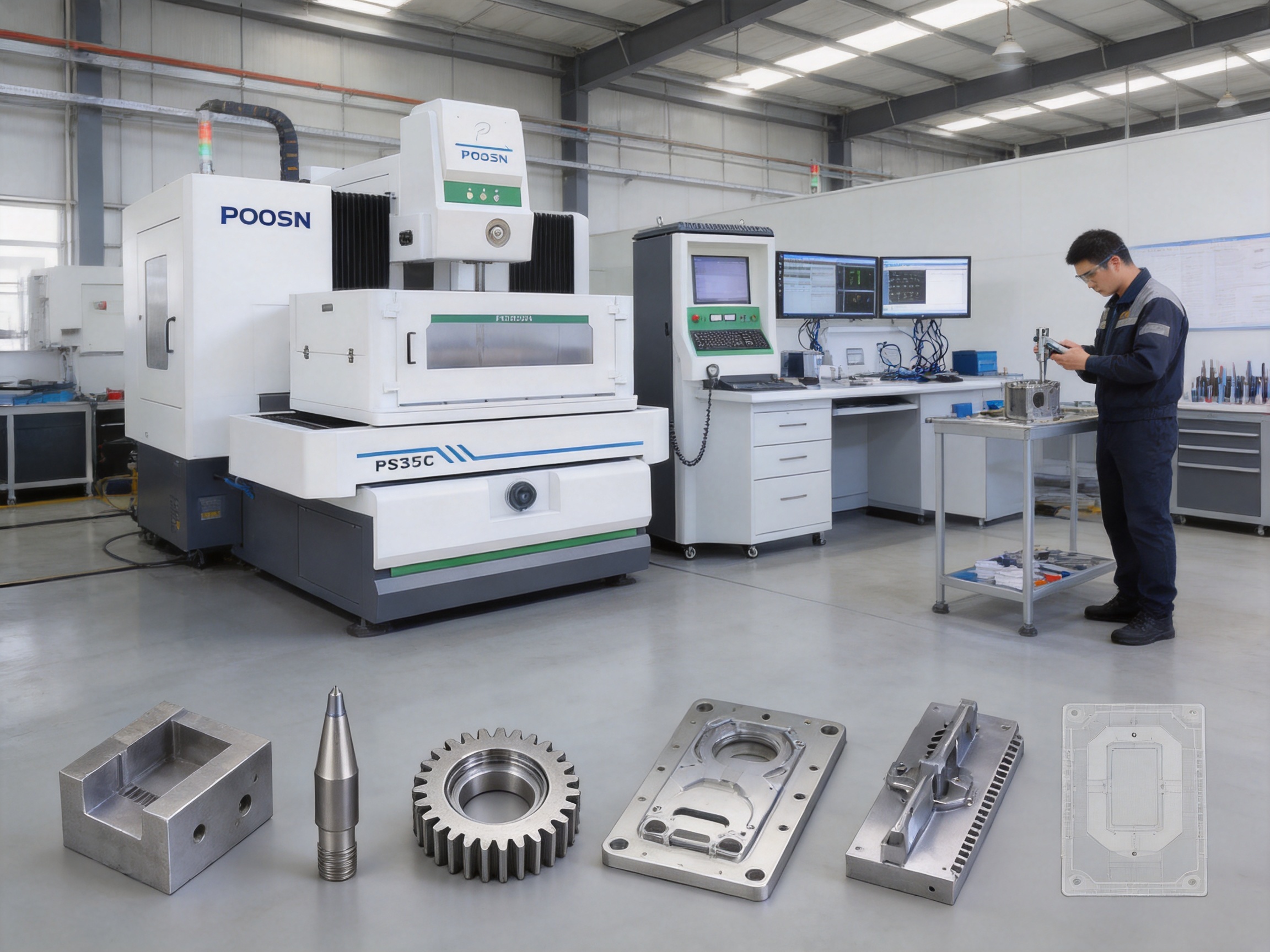
Because there is no conventional cutting force between the wire and the workpiece, WEDM can process hardened tool steels, carbide-related conductive materials, alloy steels, and other difficult-to-cut metals. The process is particularly valuable for intricate contours, narrow slots, punches, dies, precision inserts, gears, templates, and components that would be difficult to produce with milling, grinding, or broaching alone.
Wire EDM equipment is commonly divided into high-speed, medium-speed, and low-speed categories. High-speed systems generally use continuously recycled molybdenum wire. They can offer economical rough cutting and relatively high productivity, but their surface finish and final accuracy may be limited when only a single cutting pass is used. Low-speed systems commonly use brass or coated wire that is consumed after one pass. They can achieve excellent precision and surface quality but often involve higher wire consumption, more expensive operating conditions, and greater initial investment.
Medium-speed WEDM occupies a useful position between these two categories. It normally recycles the wire and can provide strong production economy, while multi-pass cutting and improved control technologies allow it to deliver a finer surface and more consistent geometry than conventional high-speed machines. For many manufacturers, this balance is more valuable than maximizing one isolated performance indicator.
The PS35C is designed around this balanced concept. It is suitable for companies that need reliable accuracy and good surface quality but do not require the investment level or consumable cost structure of a high-end low-speed wire EDM center. It is also appropriate for users who want to move beyond basic rough cutting without replacing their entire production strategy.
2. Product Positioning and Main Processing Capability
The PS35C belongs to the PS-C medium-speed wire-cut EDM series. Its standard CNC worktable provides an X-axis travel of 350 mm and a Y-axis travel of 500 mm. The standard worktable measures 550 × 826 mm, while the processing slot is approximately 545 × 910 mm. The maximum cutting thickness is 280 mm, and the standard maximum worktable load is 300 kg.
These dimensions make the machine especially appropriate for small and medium-sized molds, precision plates, inserts, punches, gears, automotive components, and general mechanical parts. The working envelope is large enough for many conventional production tasks while keeping the machine comparatively compact for workshops with limited floor space.
The PS35C supports four-axis linkage through X, Y, U, and V axes. The U and V taper axes provide a 60 × 60 mm travel range and a maximum taper capability of approximately ±6° over 80 mm, according to the supplied specifications. Taper capability enables the machining of inclined surfaces, tapered punches, dies, and components whose upper and lower profiles are not identical.
The wire feed system is designed for a 0.18 mm electrode wire with a wire guide. Wire feed speed is adjustable from approximately 1 to 11 m/s through frequency control. The maximum wire drum travel is 180 mm, while the maximum wire storage length is approximately 320 m. These parameters support continuous processing and allow the machine to adapt wire movement to different material conditions, cutting heights, and process requirements.
The stated maximum cutting efficiency is approximately 10,000 to 16,000 mm²/h. Actual performance depends on workpiece material, thickness, flushing conditions, cutting profile, wire condition, pulse parameters, control cabinet configuration, and the number of cutting passes. The machine is therefore best evaluated according to the complete production cycle rather than by maximum speed alone.
For multi-pass machining, the optimal surface roughness is specified as Ra ≤ 1.2 μm. The product information also identifies a processing accuracy of 0.01 mm in the test-piece specifications and describes linear accuracy of 0.003 mm in the product advantages. In practical use, achievable accuracy depends on machine calibration, thermal conditions, workpiece stress, material properties, wire condition, programming strategy, and measurement method. Even so, the combination of precision motion components and multi-pass control gives the PS35C a strong position in its intended market.
3. Rigid Machine Structure for Long-Term Precision
Machine rigidity is one of the most important foundations of wire EDM accuracy. Although WEDM does not generate conventional cutting forces, the machine is still affected by wire vibration, dielectric flow, axis acceleration, thermal variation, mechanical settling, and the weight of the workpiece. A weak or poorly stabilized structure can cause geometric errors, taper inconsistency, vibration marks, and changes in accuracy over time.
The PS35C uses high-strength HT250 castings and a T-shaped bed design. Compared with a conventional strip-shaped bed, the T-shaped structure allows the worktable to move within the supported area of the base. This design helps reduce overhang-related deformation and supports long-term geometric stability. The machine’s frame is intended to provide a rigid foundation for the worktable, wire frame, guide system, and taper mechanism.
Resin sand casting technology is used for the major structural components. Resin sand casting can provide a stable and accurately formed casting structure when correctly controlled. The selected casting material, wall thickness, rib arrangement, stress-relief treatment, and machining process all contribute to the final stiffness of the machine.
The machine structure is also subjected to aging treatment to reduce the influence of residual internal stress. Internal stress can gradually release during operation and cause small changes in straightness, squareness, or alignment. Aging treatment helps stabilize the casting before precision machining and assembly. This is particularly important for a machine expected to maintain repeatable performance over long operating periods.
Precision transmission components are mounted on the rigid structure, including linear guides, ball screws, bearings, servo or stepper drive systems, and the wire frame. Their performance depends not only on their individual specifications but also on the accuracy of the surfaces to which they are installed. For this reason, a properly prepared machine base is a fundamental part of the manufacturing process rather than an optional feature.
4. Precision Motion and Position Monitoring
The PS35C uses high-precision linear guides and ball screws in the relevant motion systems. The product information identifies Taiwan-brand linear guides, ball screws, imported bearings, and Japanese EZO bearings for motion mechanisms. These components are selected to provide smooth movement, low friction, high repeatability, and stable positioning over the service life of the machine.
The standard worktable is equipped with a grating scale for real-time, full-stroke position monitoring. A grating scale provides direct feedback on actual axis position, allowing the control system to compare commanded movement with measured movement. This can help reduce the influence of screw pitch error, backlash, transmission variation, and mechanical positioning deviation.
Direct position measurement is especially useful in precision machining because the movement of a drive screw does not always represent the exact movement of the worktable. Temperature, wear, assembly tolerances, lubrication condition, and mechanical load may produce small differences. A grating scale helps the machine monitor the position more directly and supports compensation and calibration procedures.
The equipment can be configured with standard XY stepper drives or optional AC servo drives. Stepper drives can provide a cost-effective solution for many routine applications. AC servo drives are suitable for users who require faster response, smoother motion, stronger dynamic performance, and more demanding multi-pass positioning. The choice should be made according to workpiece complexity, production volume, required accuracy, and budget.
The U and V taper axes use a dedicated taper drive system. The taper device is equipped with linear guides and ball screw pairs, while the U and V axes may use a combination of servo motor, linear guide, and ball screw as an optional configuration. This arrangement supports more controlled taper movement than a simple mechanical linkage and helps the machine maintain a consistent upper-to-lower profile relationship.
Pitch error compensation and careful calibration further improve geometric performance. During production, precision inspection equipment can be used to evaluate positioning accuracy, straightness, squareness, and repeatability. Corrective compensation values can then be entered into the control system. Such practices are essential when the machine is used for molds or components requiring reliable dimensional consistency.
5. Wire Tension Control and Guide Technology
Electrode-wire behavior has a direct effect on cutting accuracy, surface finish, corner quality, and process stability. If the wire vibrates excessively, drifts from the programmed path, or experiences rapid tension fluctuations, the cutting gap becomes unstable. The resulting defects may include vertical lines, reversal marks, uneven surface texture, dimensional error, and inaccurate taper.
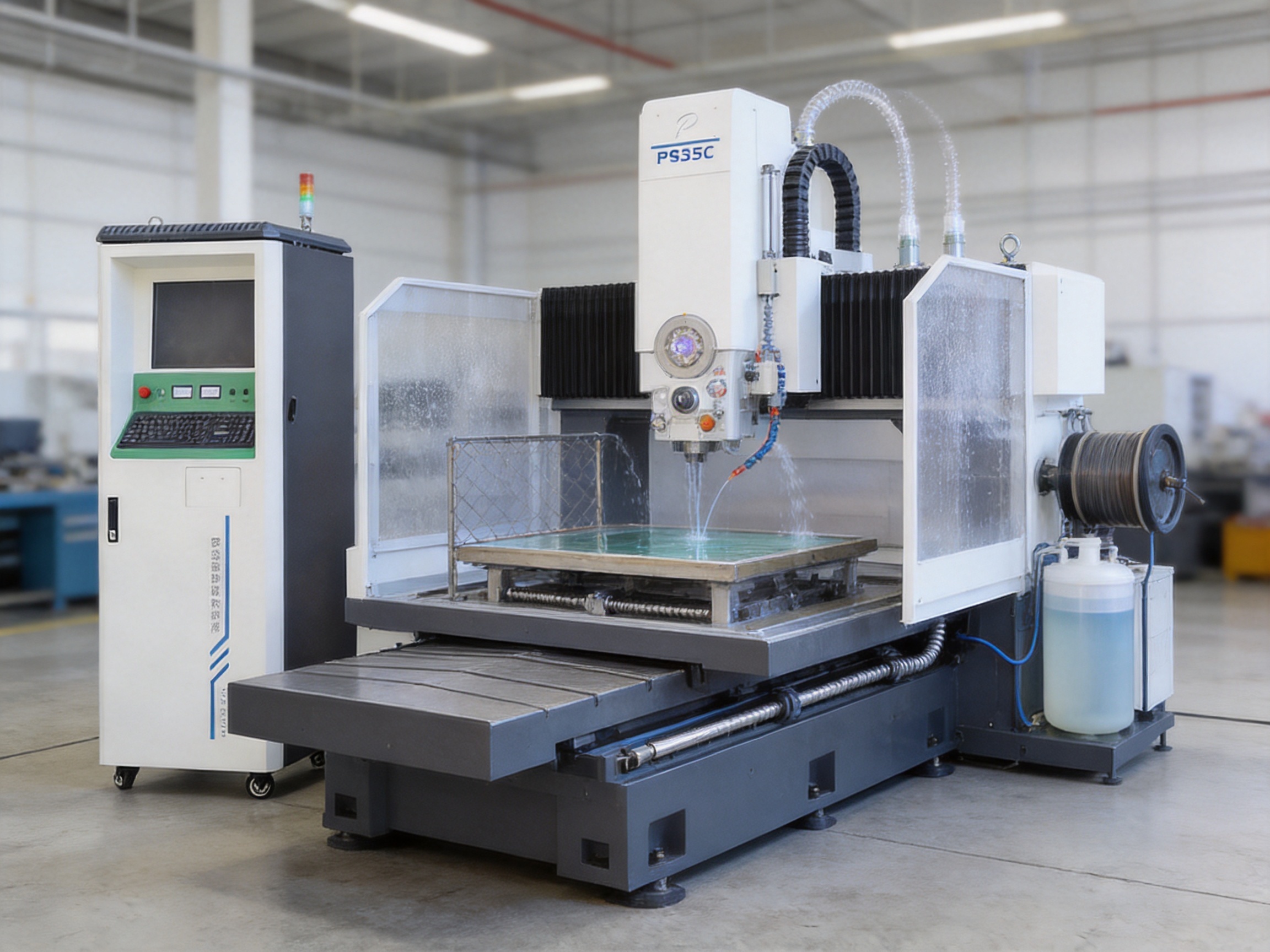
The PS35C incorporates an automatic wire-tension system. The product materials describe an adaptive constant-tension mechanism that responds to tension fluctuations more quickly than a simple weight-based mechanism. The purpose is to maintain stable electrode-wire tension during movement, acceleration, directional changes, and taper cutting.
Stable tension is particularly important during the reversal of the wire drum. Imported frequency converters help provide smooth directional switching, reducing sudden mechanical impact on the wire drive system. Smoother reversal can reduce vibration and contribute to longer mechanical service life.
The double-sided tightening mechanism is designed to prevent molybdenum wire vibration and single-sided loosening. A wire that is tightened on only one side may develop unstable contact or localized slack, especially during changing movement directions. A coordinated double-sided system supports more consistent wire behavior through the cutting zone.
The machine uses a waterproof gem guide wheel. The φ40 single-sided gemstone guide wheel is intended to make threading convenient while offering long service life and high guiding precision. The guide wheel must maintain accurate wire alignment despite exposure to dielectric fluid, continuous wire movement, and normal abrasive contamination.
A liftable gem wire guide is also available. Bringing the wire guide closer to the workpiece surface can reduce the unsupported wire length, which helps limit vibration and improve surface finish. The liftable design also allows the cutting-height range to be adjusted without completely rethreading the wire. This can save setup time and simplify the handling of different workpiece heights.
Automatic motorized threading provides another practical advantage. Manual threading can be time-consuming and may expose operators to unnecessary handling risks, especially when the wire path is difficult to access. One-touch automatic threading reduces manual labor intensity, improves repeatability during setup, and allows operators to return the machine to production more quickly after wire breakage or workpiece changes.
6. Pulse Power Supply and Electrical Efficiency
The pulse power supply determines how electrical energy is delivered to the discharge gap. It influences cutting speed, wire wear, surface roughness, corner performance, recast-layer formation, and the ability to process different materials. An effective power supply must balance energy intensity with process stability.
The PS35C series is equipped with an advanced patented eco-friendly pulse power supply. The design objective is to achieve low electrode wear, high-speed processing, low surface roughness, and improved energy efficiency. The power supply also supports multiple cutting passes, allowing the machine to remove material rapidly during roughing and then use lower-energy finishing conditions for improved surface quality.
The supplied specifications identify a maximum processing current of 6 A and an electrical capacity of 2.5 kVA for the listed control cabinet configuration. The power supply is connected to a three-phase 380 V ±10% supply. Electrical installation should be completed by qualified personnel, with appropriate grounding, protection, ventilation, and local compliance measures.
Energy-efficient pulse control can reduce unnecessary electrical consumption during extended production. Lower energy use can contribute to reduced operating costs, particularly in facilities running several machines or operating on multiple shifts. Energy efficiency must be considered together with productivity, wire consumption, dielectric filtration, maintenance, and overall equipment utilization.
A carefully controlled discharge also reduces the risk of unstable arcing. Uncontrolled arcing can damage the workpiece, increase wire breakage, create rough surface defects, and place additional stress on the power supply. Adaptive parameter control and appropriate flushing help maintain the required discharge conditions.
Different workpiece materials require different pulse settings. Hardened tool steel, carbon steel, copper, graphite-based conductive materials, and carbide-related materials can respond differently to discharge energy and flushing. Operators can select suitable parameters through the control system, process databases, machining experience, or technical guidance from the manufacturer.
7. CNC Control and Intelligent Operation
The PS35C uses an industrial control computer designed for stable, long-term operation. The control system provides the platform for programming, axis coordination, cutting-parameter management, multi-pass machining, taper compensation, wire monitoring, and production data exchange.
The standard programming system is identified as X8 or AUTOCUT, with CAXA CAM2019 or TCAM available as optional software configurations. These systems help users prepare and manage CNC programs for complex profiles. An intelligent programming environment can reduce the time needed to generate G-code and lower the risk of manual programming errors.
The machine supports LAN and USB interfaces for data transfer. These connections can be used to import machining programs, export production data, back up files, and connect the machine with a wider workshop information system. Data exchange is increasingly important for manufacturers seeking traceable production and better control of repeat orders.
The user interface is designed for practical operation and includes a touchscreen and intuitive operating layout. A clear interface can help new operators learn essential functions more quickly, including workpiece setup, wire threading, coordinate definition, program loading, parameter selection, and machining-status monitoring.
Ease of operation does not eliminate the need for process knowledge. Operators still need to understand workpiece clamping, conductivity, dielectric circulation, wire condition, safe setup, cutting direction, corner treatment, and measurement. However, a well-organized control system can make these tasks more accessible and help standardize production between different operators.
The control architecture also supports an intelligent upgrade path. The supplied product information states that reserved data interfaces can support integration with enterprise MES systems. In a connected workshop, machine status, machining progress, alarm information, and production records can potentially be used for scheduling, traceability, maintenance planning, and utilization analysis.
Remote data access and multi-machine networking can help managers monitor production more efficiently. Instead of relying entirely on manual updates, production personnel may review machine conditions, program progress, and fault alerts through a centralized system. The exact integration method depends on the customer’s software environment and the final control configuration.
8. Multi-Pass Cutting and Surface Quality
One of the main advantages of a medium-speed wire-cut EDM machine is its ability to use a multi-pass cutting strategy. The first pass is generally optimized for material removal and productivity. Subsequent skim or trimming passes remove a smaller amount of material and improve dimensional accuracy, straightness, and surface uniformity.
During rough cutting, the machine can use a stronger discharge condition to remove material efficiently. During finishing, lower and more precisely controlled pulse energy can reduce the recast layer and improve the surface. The multi-pass method also helps correct small geometric deviations that may occur during the rough cut.
The PS35C’s control system is designed to optimize pulse parameters according to material properties and machining requirements. This intelligent adjustment supports the reduction of surface irregularities and helps maintain stable cutting performance across different stages of the operation.
Surface quality depends on more than the power supply. Wire tension, guide-wheel condition, flushing pressure, dielectric cleanliness, workpiece stress, material thickness, corner strategy, and machine alignment all contribute to the final result. The PS35C addresses these factors through its combined mechanical, electrical, and fluid-system architecture.
The product specification identifies an optimal multi-cut surface roughness of Ra ≤ 1.2 μm. This level is useful for many mold and precision-component applications. In cases where a still finer surface is required, users may need additional finishing passes, improved workpiece preparation, specialized parameters, or a different machine category.
Uniformity is often as important as the lowest measured roughness value. A surface with consistent texture across a complete profile can be easier to polish, inspect, coat, or use directly in a functional application. Stable wire tension and controlled multi-pass logic help the PS35C produce more consistent results than an equipment configuration based only on aggressive single-pass cutting.
9. Dielectric Circulation, Filtration, and Environmental Design
Dielectric fluid performs several essential functions in WEDM. It cools the discharge zone, insulates the gap until the correct discharge condition is reached, flushes eroded material away from the cut, and helps control the stability of the machining process. Contaminated or poorly circulated fluid can reduce cutting efficiency and cause unstable discharges.
The PS35C includes a high-pressure water tank with an approximately 80-liter fluid capacity. The standard filtration method uses a paper-core filter. The recirculating system is designed to maintain effective flushing and help remove debris from the dielectric fluid before it returns to the machining area.
Automatic tracking water spraying during cutting helps direct flushing toward the active machining zone. Effective flushing is especially important when processing thick workpieces, narrow slots, deep profiles, or geometries where debris can accumulate. Proper flushing reduces the chance of short circuits, wire breakage, and poor surface quality.
The company describes the system as an eco-friendly recirculating filtration solution. Reusing the dielectric fluid can reduce waste and support cleaner workshop operation. The machine also includes an anti-splash design intended to minimize fluid scattering during processing. A cleaner working area benefits operators, reduces housekeeping requirements, and protects nearby equipment.
Filtration performance depends on correct filter replacement, fluid-level management, pump operation, tank cleaning, and monitoring of fluid condition. A paper-core filter should be changed according to workload and contamination level rather than according to a fixed calendar alone. Users should follow the manufacturer’s maintenance recommendations and local environmental requirements for fluid handling and disposal.
The combination of controlled flushing, filtration, and splash reduction also supports more stable thermal conditions around the workpiece and wire. Although WEDM is generally less mechanically forceful than conventional machining, thermal and electrical stability remain essential for predictable results.
10. Manufacturing Processes Behind the Machine’s Performance
A machine’s published specification is meaningful only when supported by disciplined manufacturing and inspection. The PS35C is produced by a company with experience in electrical discharge wire cutting and related special-processing technologies dating back to 1999. The POOSN brand originated in 2003, while the current manufacturing company was established in 2017 with a registered capital of 60 million yuan and its own factory.
The manufacturing process begins with the selection and preparation of structural materials. High-strength castings are designed to provide adequate rigidity and vibration resistance. Casting quality must be controlled through proper material preparation, mold design, pouring, cooling, cleaning, and inspection. Defects or unstable material conditions can compromise later machining and assembly accuracy.
Aging treatment is used to reduce residual stress before precision machining. This is a critical step for large or complex castings because machining a stressed casting may produce dimensional changes after material is removed. Stabilizing the structure first helps the finished bed retain its shape during later operation.
Precision machining follows the stabilization process. Mounting surfaces for linear guides, ball screws, worktables, wire frames, and other components must be processed to appropriate flatness, straightness, parallelism, and positional relationships. High-quality machining centers and inspection equipment are necessary to produce these surfaces consistently.
Transmission elements are screened and assembled with attention to alignment. Linear guides and ball screws must be installed without excessive stress or misalignment. Bearings must be correctly fitted and lubricated. Motors, couplings, encoders, grating scales, and drive systems must be coordinated so that commanded movement corresponds accurately to actual motion.
Electrical assembly requires the integration of the CNC control, pulse power supply, wire-drive system, pumps, sensors, safety circuits, motors, and user interface. Wiring quality, grounding, insulation, heat management, and protection against dielectric contamination are essential for reliable operation.
After mechanical and electrical assembly, the machine undergoes testing and calibration. Positioning accuracy, repeatability, axis movement, taper movement, wire tension, threading function, flushing performance, cutting stability, and sample-workpiece accuracy should be evaluated. The company states that each machine tool undergoes positioning accuracy testing before delivery.
Quality control does not end when the machine leaves the factory. Technical support, installation guidance, process validation, parameter adjustment, operator training, and after-sales service all influence the machine’s actual production value. A manufacturer that supports the full machine lifecycle can help customers achieve more predictable results during commissioning and long-term use.
11. Competitive Advantages Over Conventional High-Speed WEDM
The PS35C has several advantages over a basic high-speed wire-cut machine. The first is surface-finish capability. Conventional high-speed equipment may be effective for rough cutting but can leave more visible reversal marks, striations, or uneven surface texture. The PS35C’s multi-pass cutting logic and controlled pulse power allow users to perform finishing passes that improve the final surface.
The second advantage is wire tension stability. A simple tensioning system may respond slowly to changes in wire movement or load. The PS35C’s adaptive constant-tension mechanism is designed to react more quickly, helping reduce wire vibration and maintain a more consistent discharge gap.
The third advantage is precision motion feedback. A worktable equipped with a grating scale can monitor actual position across the full stroke. When combined with precision linear guides, ball screws, and compensation, this provides a stronger foundation for repeatable machining than a drive system that relies only on motor rotation and open-loop assumptions.
The fourth advantage is taper capability. Taper cutting is a valuable requirement in mold manufacturing and precision component production. The PS35C uses controlled U and V axes with linear guides and ball screws to support tapered profiles. This is more flexible than equipment limited to two-axis vertical cutting.
The fifth advantage is the balance between cost and performance. The machine uses recyclable wire and is designed for lower operating costs than a comparable single-use-wire system. At the same time, its surface-quality and accuracy features may reduce the need for secondary finishing operations.
The sixth advantage is operating convenience. Automatic threading, automatic water spraying, automatic spring wire tension, a touchscreen interface, and practical program-transfer options reduce setup time and operator workload. These features can improve production continuity, especially in workshops where machines handle multiple orders and workpiece types.
| Performance Dimension | PS35C Medium-Speed WEDM | Basic High-Speed WEDM | Typical Production Benefit |
| Wire Usage | Recyclable electrode wire with controlled tension | Generally recyclable wire with simpler control | Lower consumable cost and more stable cutting |
| Surface Finish | Supports multi-pass trimming and finishing | Often focused on single-pass or rough cutting | Improved surface uniformity and reduced secondary work |
| Position Feedback | Grating-scale monitoring available on the worktable | May rely mainly on motor and screw movement | Better compensation and repeatability potential |
| Taper Machining | Four-axis X, Y, U, and V linkage | May have limited taper functions | Greater flexibility for dies, punches, and inclined profiles |
| Wire Handling | Automatic threading and automatic tension functions | Often more manual intervention | Shorter recovery time after wire breakage |
| Workshop Cleanliness | Anti-splash structure and recirculating filtration | May offer less containment | Cleaner operating conditions and simpler housekeeping |
12. Comparison with Low-Speed Wire EDM
The PS35C is not intended to replace every low-speed wire EDM system. Low-speed machines can provide exceptional precision and surface finish for specialized applications, including high-value dies, demanding aerospace components, and parts with extremely tight geometric tolerances. They may also use advanced wire coatings, refined flushing systems, and highly specialized control algorithms.
However, low-speed machines generally consume a new section of wire for each cutting operation. Their wire cost, purchase price, maintenance requirements, and process infrastructure can be higher. For many customers, the additional performance may not be necessary for every part.
The PS35C offers a practical alternative when the required result is high precision, good surface quality, and efficient medium-batch production without the full operating cost of a low-speed system. It can be especially attractive to small and medium-sized enterprises that need a versatile machine capable of both rough and finish operations.
Manufacturers should compare machines according to the complete cost per acceptable part. Purchase price alone is not sufficient. The evaluation should include wire consumption, electricity, dielectric filters, labor, maintenance, cycle time, rework, polishing, inspection, machine utilization, and the value of production flexibility.
In applications where the PS35C can produce the required surface and accuracy directly or with limited secondary work, it may provide a favorable cost-performance ratio. In applications requiring exceptional mirror-like finish, extremely tight tolerances, or highly complex automated production, a low-speed machine may remain the more suitable choice.
13. Major Application Areas
Automotive Component Manufacturing
Automotive production requires repeatable machining of gears, engine-related components, precision plates, stamping dies, and complex tooling. Wire EDM can produce narrow slots, internal profiles, and accurate contours in hardened materials. The PS35C is suitable for small and medium-sized automotive parts as well as the molds and inserts used to manufacture them.
In automotive mold work, dimensional consistency is essential because even a small profile deviation can affect assembly, forming quality, or the fit between moving mold elements. The PS35C’s multi-pass capability, controlled wire tension, and four-axis taper function support the production of accurate mold components.
Mold and Die Manufacturing
Mold manufacturing is one of the most important applications for wire EDM. Punches, dies, inserts, stripper plates, precision templates, and hardened mold components frequently include contours that are difficult to machine with rotary tools. The PS35C can perform roughing, trimming, and taper cutting within a single equipment platform.
For small molds and medium-precision mold components, the machine can provide a useful combination of accuracy, surface quality, and productivity. Multi-pass cutting can reduce visible machining marks and create a more consistent surface for polishing or direct assembly.
Aerospace Parts Processing
Aerospace components often use high-strength alloys and require strict dimensional control. Wire EDM can be applied to conductive materials when thermal effects, tool access, or component geometry make conventional methods less effective. The PS35C’s stable cast structure, controlled motion, and taper capability provide a foundation for aerospace tooling and selected component applications.
Because aerospace production typically involves traceability and process documentation, the machine’s data interfaces and potential MES connectivity can support a more structured manufacturing environment. Final suitability should be confirmed through process validation, material testing, and customer-specific quality requirements.
Precision Tooling and General Engineering
Toolrooms and general engineering workshops often process varied orders rather than one standardized product. They need machines that can handle different thicknesses, profiles, materials, and batch sizes. The PS35C’s programmable CNC system, adjustable wire speed, multi-pass functions, taper capability, and optional drive configurations make it suitable for this flexible production model.
The machine can also support prototype production and repair work. When a replacement component or modified mold insert must be produced quickly, wire EDM can reproduce a profile without requiring a dedicated cutting tool. This flexibility can reduce lead time and expand the services a workshop can offer.
14. Customization and Configuration Options
Different customers have different workpiece sizes, material types, accuracy requirements, production volumes, and software environments. The PS35C series therefore supports configuration and customization according to application needs.
Customers may request different worktable sizes, cutting depths, electrode-wire types, control cabinet configurations, and operating-system settings. Larger models in the same product family include the PS45C, PS50C, and PS60C. These models provide progressively larger X and Y travel, higher worktable load, greater cutting thickness, and larger machine dimensions.
| Model | Worktable Size | X × Y Travel | Maximum Cutting Thickness | Maximum Worktable Load |
| PS35C | 550 × 826 mm | 350 × 500 mm | 280 mm | 300 kg |
| PS45C | 650 × 926 mm | 450 × 600 mm | 280 mm | 400 kg |
| PS50C | 740 × 1060 mm | 500 × 700 mm | 350 mm | 600 kg |
| PS60C | 840 × 1160 mm | 600 × 800 mm | 430 mm | 800 kg |
The PS35C is generally appropriate for small parts and small-to-medium batch production. The PS45C is better suited to medium-sized components and larger molds. The PS50C provides additional capacity for large and heavier workpieces, while the PS60C is intended for extra-large components and high-load applications. Customizable options are available for the PS60C and larger machines according to the supplied product information.
Drive configuration is another important choice. Standard XY stepper drives may be adequate for cost-sensitive applications and routine profiles. Optional AC servo drives can be selected for more demanding work involving complex geometry, high production volume, dynamic motion, or improved control response.
The control cabinet can also be selected according to desired cutting efficiency and operating functions. The product information identifies three control cabinet options and lists ZHZ-09G for the stated PS35C configuration. Customers should discuss their workpiece materials, thicknesses, finish requirements, and production targets before selecting the final cabinet.
15. Installation and Production Preparation
Correct installation is essential for obtaining the designed performance of a wire EDM machine. The foundation should be sufficiently rigid and level, with appropriate space for the machine, control cabinet, dielectric tank, workpiece handling, maintenance access, and operator movement. Environmental vibration should be minimized because external vibration can affect wire stability and precision.
The electrical supply must match the required voltage, phase, frequency, and capacity. The listed configuration uses a three-phase 380 V ±10% power supply and has an electrical capacity of 2.5 kVA. Qualified technicians should verify grounding, circuit protection, cable sizing, and local electrical compliance before commissioning.
Dielectric fluid should be prepared according to the manufacturer’s recommendations. The tank, pump, filter, hoses, and spray system should be inspected for contamination or blockage. Clean fluid improves flushing performance and reduces the possibility of unstable discharge conditions.
Before production, the machine should be checked for axis movement, wire threading, wire tension, guide-wheel condition, emergency stops, door or splash protection, lubrication, and control-system communication. The workpiece must be conductive, securely clamped, electrically connected, and positioned so that the wire can complete the programmed path safely.
Program preparation should include a review of the cutting profile, lead-in and lead-out paths, corner strategy, taper values, workpiece thickness, wire diameter, wire offset, roughing conditions, finishing passes, and expected scrap removal. A small test cut can be useful when processing an unfamiliar material or a particularly valuable workpiece.
16. Maintenance and Reliability
Preventive maintenance helps preserve accuracy and reduce unplanned downtime. The wire path should be inspected regularly for wear, contamination, or misalignment. Guide wheels, wire guides, tension components, and wire-contact areas should be kept clean and replaced when their condition affects wire stability.
Linear guides and ball screws require appropriate lubrication. Excessive contamination, insufficient lubrication, or improper lubricant selection may increase friction and wear. Operators should follow the recommended lubrication intervals and avoid introducing abrasive particles into precision motion components.
The dielectric system requires regular attention. Filters should be replaced when pressure rises, flow decreases, or fluid quality deteriorates. The tank should be cleaned periodically to remove accumulated debris. Pumps and spray nozzles should be checked to ensure that flushing pressure remains adequate across the workpiece.
The machine’s electrical cabinet should be kept clean and properly ventilated. Dust, moisture, and excessive heat can shorten the life of electronic components. Cooling fans, filters, connectors, and wiring should be inspected during scheduled service.
Accuracy should be verified at suitable intervals. A test piece or calibrated inspection routine can identify changes in positioning, squareness, taper, or surface quality before they affect a large production order. If necessary, the machine can be recalibrated using precision measurement equipment and updated compensation values.
Operators should also record wire breakage frequency, filter replacement, alarm history, cutting time, and quality results. This information can reveal gradual changes in machine condition and support data-based maintenance decisions.
17. Manufacturing Support and Customer Service
The value of a CNC wire EDM machine extends beyond its mechanical and electrical components. Application support is important because cutting parameters vary with material grade, thickness, profile complexity, taper angle, surface requirement, and production schedule.
The manufacturer provides technical support intended to maintain equipment stability and help customers achieve effective long-term operation. Support may include installation guidance, commissioning, operator training, process validation, parameter optimization, troubleshooting, spare-parts assistance, and preventive-maintenance recommendations.
Customized technical integration is useful for customers working in automotive, aerospace, medical-device, mold, and specialized tooling industries. Software settings, control logic, cutting databases, and machine functions can be adjusted to better match specific workflows. The goal is not merely to supply a machine but to help establish a reliable production process.
Process validation is particularly important for high-value workpieces. Before full production, the customer and technical team can evaluate sample parts, measure accuracy, inspect surface roughness, verify taper, and determine the most effective cutting sequence. The results can then be converted into a repeatable production procedure.
Long-term service also supports the machine’s lifecycle value. A stable supply of replacement guide components, filters, bearings, electrical parts, and software support helps reduce downtime. Clear technical communication between the customer and manufacturer allows faults to be identified more quickly and maintenance work to be planned effectively.
18. Intelligent Manufacturing Potential
Manufacturing is moving toward greater automation, data collection, and production transparency. A wire EDM machine can contribute to this transition when it provides reliable data interfaces and stable process information. The PS35C’s LAN and USB connectivity supports straightforward data exchange, while reserved interfaces may allow integration with MES or workshop management systems.
Potential digital functions include program management, machine-status monitoring, alarm reporting, production-time analysis, maintenance reminders, and historical job records. When several machines are connected, production managers can review progress across the workshop and identify bottlenecks or idle capacity.
Data can also improve process development. By comparing cutting time, material type, pass number, surface roughness, wire-breakage frequency, and dimensional results, engineers can refine cutting parameters and establish standardized recipes. This is especially valuable for companies that produce similar components repeatedly.
Intelligent manufacturing should be viewed as a practical improvement rather than a purely technological concept. Even basic data collection can help a workshop understand where time and cost are being lost. More advanced integration can support automatic scheduling, remote diagnosis, predictive maintenance, and digital quality documentation.
The PS35C provides a foundation for this development while remaining usable as a conventional standalone CNC machine. Customers can begin with standard operation and add networking, monitoring, or software integration as their production requirements grow.
19. Practical Cost and Productivity Benefits
The PS35C is designed to shorten production cycles through high-efficiency cutting. A maximum cutting efficiency of approximately 10,000 to 16,000 mm²/h provides a useful benchmark for medium-batch production, although actual results must be verified on the customer’s materials and geometries.
Productivity is influenced by more than cutting speed. Automatic threading can reduce recovery time after wire breakage. Automatic tension control can reduce adjustment time. Reliable flushing can prevent repeated stops. Multi-pass programming can reduce manual intervention between roughing and finishing operations. A user-friendly control system can shorten training and setup periods.
Operating cost is also affected by wire consumption, electrical energy, filter use, labor, maintenance, and rework. The PS35C’s recyclable wire approach can lower consumable cost compared with single-use-wire systems. Its energy-saving design is intended to reduce power consumption during long-term operation. The anti-splash and filtration features can help maintain a cleaner environment and reduce fluid-related waste.
Improved surface quality may create additional savings by reducing polishing, grinding, or manual correction. The actual saving depends on the part and the required final condition. For a mold insert that needs extensive polishing, a more uniform EDM surface can reduce downstream labor and improve delivery time.
Manufacturers should evaluate the machine using the cost per qualified part. This method includes the full production route and gives a more realistic comparison than looking only at machine purchase price or maximum cutting speed.
20. Q&A: Frequently Asked Questions About the PS35C
Q1: What types of production tasks is the PS35C suitable for?
The PS35C is suitable for precision cutting of small components, medium-precision molds, inserts, punches, dies, templates, gears, and other conductive workpieces that fit within its working envelope. It is particularly appropriate for small and medium-sized enterprises and customers requiring small-to-medium batch production.
Q2: Can the PS35C process larger workpieces?
The PS35C provides X and Y travel of 350 mm and 500 mm and a maximum cutting thickness of 280 mm. It can process many conventional small and medium-sized workpieces. When a job exceeds these dimensions or requires a higher worktable load, the PS45C, PS50C, or PS60C may be more appropriate.
Q3: What is the maximum cutting efficiency?
The stated maximum cutting efficiency is approximately 10,000 to 16,000 mm²/h. The actual rate depends on material, thickness, flushing, wire condition, discharge parameters, profile complexity, and control cabinet configuration. Finishing passes generally operate at a lower material-removal rate than rough cutting.
Q4: Is the machine suitable for precision mold manufacturing?
Yes. The PS35C is designed for precision cutting and supports multi-pass machining, controlled wire tension, grating-scale position monitoring, precision linear guides, ball screws, and taper cutting. It is especially suitable for small molds, precision inserts, punches, dies, and components where good accuracy and surface uniformity are required.
Q5: What surface roughness can the machine achieve?
The product information specifies an optimal multi-cut surface roughness of Ra ≤ 1.2 μm. The final result depends on material, thickness, machining strategy, flushing, wire condition, machine calibration, and the number of finishing passes. Customers should confirm the required result through sample testing.
Q6: Is the PS35C difficult for beginners to operate?
The machine uses a touchscreen and an intuitive CNC interface intended to simplify operation. New operators can learn basic setup and program execution efficiently, although training is still required for safe workholding, wire handling, dielectric management, parameter selection, inspection, and troubleshooting.
Q7: Does the machine support taper cutting?
Yes. The PS35C supports X, Y, U, and V four-axis linkage. Its U and V travel is approximately 60 × 60 mm, with a maximum cutting taper of about ±6° over 80 mm according to the supplied specifications.
Q8: What type of wire does the machine use?
The listed configuration uses a φ0.18 mm electrode wire with a wire guider. The machine is designed around a recyclable wire-feed system. Customers with special material or process requirements should confirm wire compatibility and available options before ordering.
Q9: Does it include automatic threading?
One-touch motor automatic threading is included as a described machine feature. It helps reduce manual labor, improves convenience, and shortens recovery time after wire breakage or wire replacement.
Q10: How is wire vibration controlled?
Wire vibration is addressed through automatic tension control, a double-sided tightening mechanism, precision guide wheels, high-quality wire guides, smooth frequency-controlled wire-drum reversal, and an optional liftable guide system. Correct flushing and proper maintenance are also essential.
Q11: What filtration system is used?
The high-pressure water tank has an approximate capacity of 80 liters and uses a paper-core filter in the listed configuration. Filter life depends on workpiece material, cutting volume, contamination level, and operating hours.
Q12: Can the machine be integrated into a digital workshop?
The machine provides LAN and USB interfaces for data exchange, and the supplied information describes reserved interfaces for potential MES integration. The final integration scope depends on the customer’s management software, communication requirements, and selected control configuration.
Q13: What drive options are available?
The standard configuration uses XY stepper drives, while AC servo drives are available as an option. The best choice depends on the required dynamic response, production volume, workpiece complexity, precision target, and budget.
Q14: How should a customer select between the PS35C and larger models?
Selection should begin with the largest workpiece dimensions, cutting thickness, workpiece weight, required clearance, and future production plans. The PS35C is intended for small and medium-sized workpieces. The PS45C, PS50C, and PS60C provide progressively larger travel, load capacity, and cutting thickness.
Q15: What support is available after purchase?
Professional support can include installation, commissioning, operator training, cutting-parameter assistance, process validation, maintenance guidance, troubleshooting, spare-parts service, and technical communication throughout the equipment lifecycle.
21. Recommended Customer Evaluation Process
Before purchasing, customers should prepare representative workpieces or drawings. The evaluation should include material grade, hardness, thickness, profile complexity, taper requirement, dimensional tolerance, surface-roughness target, expected monthly workload, and acceptable cycle time.
A sample-cutting test is recommended for critical applications. The test should measure cutting efficiency, dimensional accuracy, taper accuracy, surface roughness, wire-breakage frequency, and the time required for setup and finishing. It should also examine whether the resulting surface can enter the customer’s next process without excessive polishing or correction.
The customer should review the installation environment, electrical supply, floor space, temperature stability, water quality, operator availability, lifting equipment, and maintenance resources. These factors can influence the actual performance of any precision machine.
It is also useful to compare the standard and optional configurations. AC servo drives, automatic constant tension, liftable wire guides, software packages, control cabinets, and customized worktable features may provide strong value for specific production conditions. However, not every customer needs every option.
A complete quotation should clarify machine configuration, included accessories, installation, training, warranty, spare parts, software, shipping, acceptance testing, and service response. Clear technical communication before the order helps prevent misunderstandings and supports a smoother commissioning process.
22. Overall Assessment
The PS35C precision CNC medium-speed wire-cut EDM machine is designed for manufacturers that need a practical balance of precision, productivity, flexibility, and operating economy. Its 350 × 500 mm X-Y travel, 280 mm maximum cutting thickness, 300 kg worktable load, four-axis linkage, taper capability, and 10,000–16,000 mm²/h stated maximum cutting efficiency make it well suited to a broad range of small and medium-sized production tasks.
Its principal competitive strengths include a rigid HT250 cast-iron T-shaped bed, aging-treated structural components, high-precision linear guides, ball screws, imported bearings, grating-scale feedback, automatic wire tension, double-sided tightening, automatic threading, gemstone guide wheels, controlled wire reversal, high-efficiency pulse power, and multi-pass cutting logic.
These features work together. A power supply alone cannot guarantee accuracy, and a precision guide system alone cannot guarantee surface quality. The PS35C’s value comes from the interaction of its mechanical structure, motion feedback, wire system, electrical control, flushing, filtration, software, and manufacturing quality.
Compared with a basic high-speed wire-cut machine, it offers stronger finishing capability, more stable wire behavior, better taper flexibility, and a more refined control architecture. Compared with a low-speed wire EDM system, it can provide a lower-cost and more accessible solution for applications that do not require the highest level of specialized performance.
The machine is also supported by a manufacturer with long-term experience in electrical discharge wire cutting, in-house production capabilities, precision inspection procedures, product development experience, and a service philosophy focused on the complete customer lifecycle. This combination of equipment and support is important for companies seeking dependable production rather than a machine that merely meets a catalog specification.
For mold manufacturing, automotive tooling, aerospace-related component work, precision engineering, and general job-shop production, the PS35C represents a strong medium-speed WEDM platform. With correct configuration, installation, process validation, and maintenance, it can help manufacturers improve cutting efficiency, reduce operating costs, enhance surface consistency, and build a more reliable path toward intelligent production.
References
1. Product technical materials for the PS35C precision CNC medium-speed wire-cut EDM machine, including model specifications, machine functions, control-system information, and application descriptions.
2. Manufacturer-provided technical information concerning the PS-C medium-speed wire-cut EDM series, machine structure, wire-tension system, pulse power supply, filtration system, and optional configurations.
3. Manufacturer company information concerning electrical discharge machining development, production capabilities, quality inspection, product history, and technical service.
4. General engineering principles of wire electrical discharge machining, including electrical discharge theory, dielectric flushing, electrode-wire behavior, multi-pass cutting, and taper machining.
5. General machine-tool engineering practices concerning cast-iron structures, stress-relief treatment, linear-guide installation, ball-screw alignment, position feedback, calibration, and preventive maintenance.
6. General manufacturing quality practices for CNC machine tools, including positioning-accuracy testing, geometric inspection, sample-part validation, process documentation, and lifecycle service management.
Product: PS35C Precision CNC Medium Speed Wire Cut EDM Machine

-
Phone
+86-0523-86268788 +86-13815960366 +86-13912191163Email
[email protected]Address
No. 366, Yusheng Road Jiulong Town, Hailing District Taizhou City, China
Copyright © Taizhou Xinchengyang Machinery Manufacturing Co., Ltd. All Rights Reserved.
Custom edm machine for sale
wholesale edm machine manufacturers
