

 English
 русский
 عربى
عربى

Lu Qianwen — Overseas Sales Manager
Home / Author / Lu Qianwen — Overseas Sales Manager / DK50BC CNC Medium-Speed Wire EDM Machine: Precision, Capacity, and Production Efficiency for Heavy-Duty Cutting
DK50BC CNC Medium-Speed Wire EDM Machine: Precision, Capacity, and Production Efficiency for Heavy-Duty Cutting
2026-08-15
The DK50BC CNC medium-speed wire electrical discharge machining machine is designed for manufacturers that need to process large, thick, heavy, and complex conductive workpieces without sacrificing dimensional control. With a maximum cutting thickness of 650 mm, a maximum worktable load of 600 kg, a 500 × 700 mm X/Y travel range, and four-axis X, Y, U, and V linkage, it occupies an important position between conventional high-speed wire-cut EDM equipment and more expensive slow-wire EDM systems.
In mold manufacturing, tooling, heavy machinery, automotive components, aerospace parts, and precision mechanical production, a wire EDM machine must do more than remove material. It must maintain stable wire movement, control discharge energy, manage flushing, preserve geometric accuracy through thick sections, and deliver consistent results over long production cycles. The DK50BC addresses these requirements through a rigid mechanical structure, an optimized wire-feeding system, CNC control, multi-cut processing strategies, and a worktable engineered for substantial loads.
Manufactured by Taizhou Xinchengyang Machinery Manufacturing Co., Ltd., the DK50BC is part of a wider product family that includes DK35BC, DK45BC, and DK60BC models. This product range allows users to select machine capacity according to workpiece dimensions, weight, thickness, taper requirements, and expected production volume. The DK50BC is particularly suitable for customers whose workpieces exceed the practical capacity of medium-sized machines but do not always require the extreme working envelope of an extra-large model.
Content
- 1 1. Positioning of the DK50BC in Modern Wire EDM Production
- 2 2. Main Technical Advantages
- 3 3. Mechanical Design and Structural Stability
- 4 4. Wire Feeding and Electrode System
- 5 5. Intelligent Pulse Power and Electrical Control
- 6 6. CNC Programming and Operator Usability
- 7 7. Applications Across Key Industries
- 8 8. Comparison with Other Wire EDM Technologies
- 9 9. Model Selection Within the Product Family
- 10 10. Manufacturing Strengths of the Supplier
- 11 11. Energy Efficiency and Environmental Considerations
- 12 12. Installation, Operation, and Maintenance
- 13 13. Commercial and Service Advantages
- 14 14. Recommended Selection Procedure
- 15 15. Frequently Asked Questions
- 15.1 Q1: What type of production is the DK50BC best suited for?
- 15.2 Q2: What is the maximum cutting thickness?
- 15.3 Q3: How much weight can the worktable support?
- 15.4 Q4: Can the DK50BC cut tapered profiles?
- 15.5 Q5: What materials can it process?
- 15.6 Q6: What surface finish can the machine achieve?
- 15.7 Q7: Is the DK50BC suitable for mass production?
- 15.8 Q8: What control cabinet is supplied?
- 15.9 Q9: Does the machine need a climate-controlled room?
- 15.10 Q10: What are the main advantages over a basic high-speed wire EDM machine?
- 15.11 Q11: How does it compare with a slow-wire EDM machine?
- 15.12 Q12: Can the machine be customized?
- 16 16. Conclusion
- 17 References
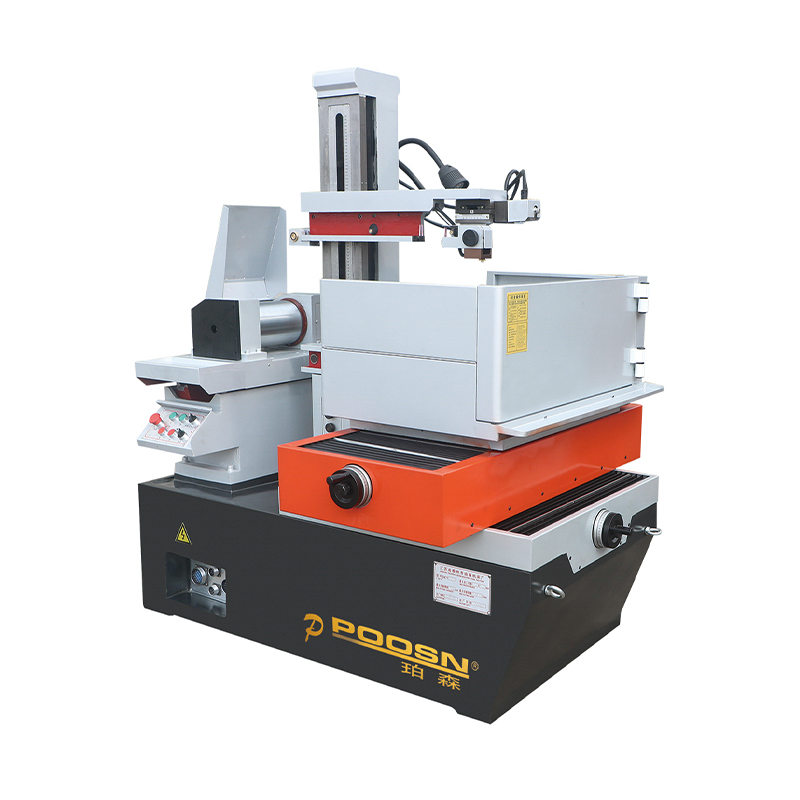
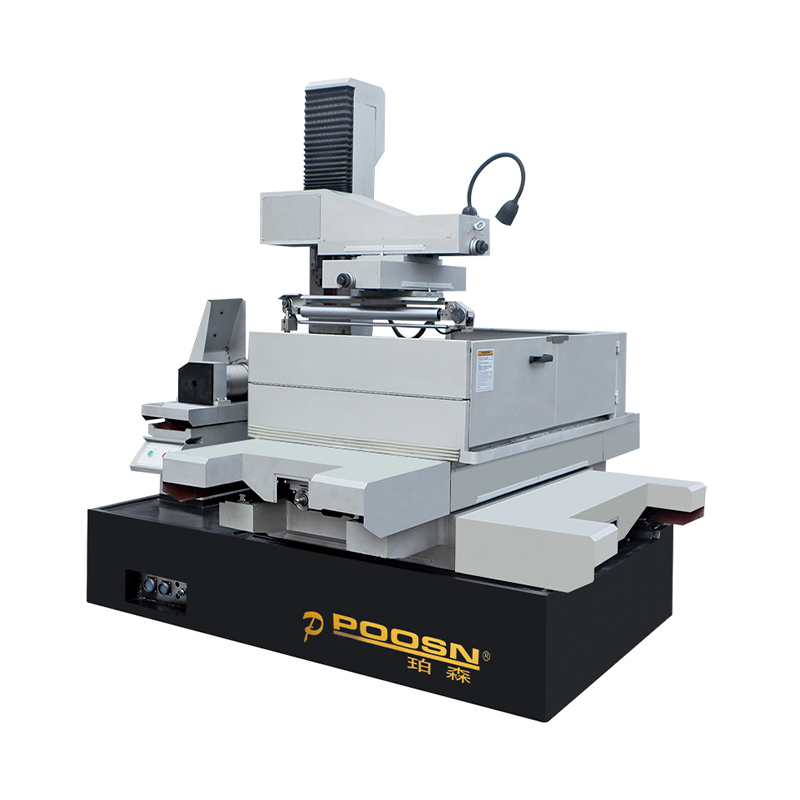
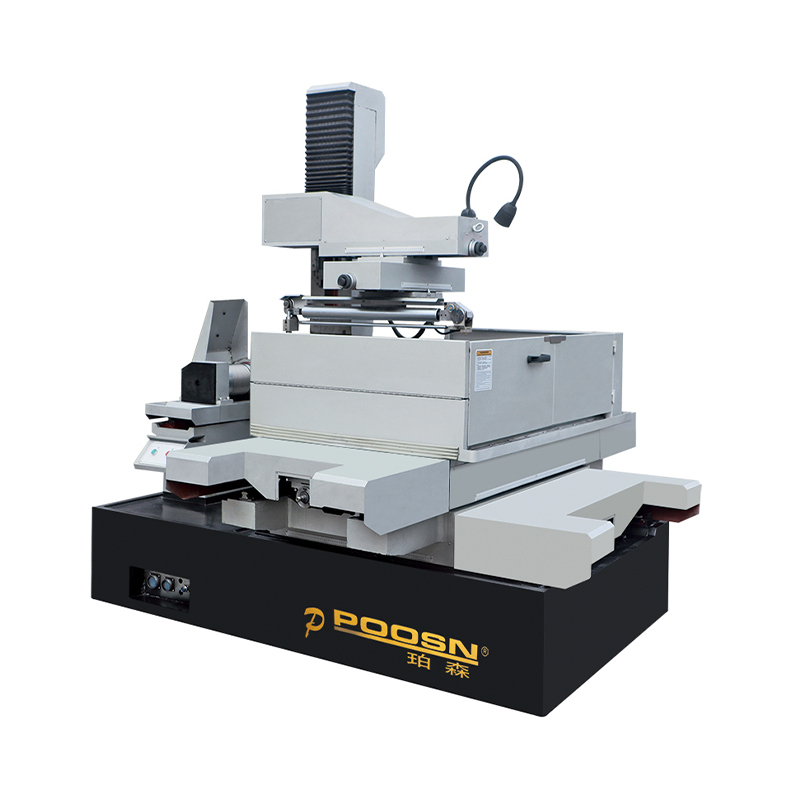
- 18 Product: DK50BC CNC Medium-Speed Wire EDM Machine (600kg Load, 650mm Thickness)
1. Positioning of the DK50BC in Modern Wire EDM Production
Wire EDM removes electrically conductive material through controlled electrical discharges between a moving electrode wire and the workpiece. Because the cutting force is extremely low, the process is suitable for hardened steels, cemented carbide, tool steels, stainless steels, titanium alloys, copper alloys, and other conductive materials that may be difficult to machine conventionally.
The DK50BC is classified as a high-medium-speed wire-cut EDM machine. This positioning reflects its ability to combine the productivity advantages of reciprocating wire systems with enhanced control over precision, surface quality, and multiple-pass finishing. In conventional high-speed wire-cut machines, the priority is often rapid rough cutting and economical blanking. In slow-wire EDM, the emphasis is usually on very high precision and excellent surface finish, but equipment and operating costs can be considerably higher.
The DK50BC offers a practical alternative for manufacturers seeking a balanced process. It can perform rough cutting efficiently while also supporting multiple cutting passes for improved dimensional accuracy, verticality, and surface condition. The machine is therefore appropriate for both production-oriented operations and more demanding mold or component work.
Its most important capacity features are designed around large workpieces. The maximum cutting thickness is 650 mm, and the maximum worktable load is 600 kg. The worktable provides 500 × 700 mm of X/Y travel, while the processing area is listed at approximately 740 × 1100 mm. These specifications allow the machine to accommodate thick plates, large mold inserts, heavy dies, and substantial mechanical components.
2. Main Technical Advantages
2.1 Large Cutting Thickness
A maximum cutting thickness of 650 mm is one of the DK50BC’s defining advantages. Thick workpieces introduce several technical difficulties, including longer cutting paths through the material, greater wire deflection, reduced flushing effectiveness, heat accumulation, and increased risk of dimensional deviation between the upper and lower portions of the cut.
The DK50BC is designed to address these conditions with a reinforced wire frame, controlled wire tension, and carefully managed dielectric flushing. The machine’s structure supports stable positioning of the upper and lower wire guides, while the CNC system can compensate for changing cutting conditions. For thick mold components and heavy industrial parts, this capacity can eliminate the need to divide workpieces into smaller sections or use multiple machines.
Thick-workpiece capability also improves production flexibility. A manufacturer may use the same machine for ordinary plate cutting, large mold components, high-strength tooling, and heavy mechanical parts. This reduces the need for dedicated equipment and can improve machine utilization across different production orders.
2.2 High Worktable Load Capacity
The DK50BC supports a maximum worktable load of 600 kg. This capacity is valuable when processing large steel plates, die blocks, thick carbide components, and assemblies that require substantial fixtures. A high load rating also gives production engineers greater freedom when designing workholding arrangements.
Heavy workpieces can affect machine accuracy if the bed, table, guide system, or support structure is not sufficiently rigid. The DK50BC uses a high-rigidity cast structure and high-precision linear guides to maintain stable motion under load. Correct loading, leveling, fixture design, and load distribution remain important, but the machine’s basic architecture is intended for heavy-duty applications rather than only light component work.
Compared with smaller models in the same series, the DK50BC provides a significant increase in load capacity. The DK35BC is rated at 300 kg and the DK45BC at 400 kg, while the DK60BC reaches 800 kg. The DK50BC therefore offers a useful middle position for manufacturers needing 600 kg capacity without moving directly to the largest machine in the range.
2.3 Precision Linear Motion
The machine uses high-precision linear guide support for the CNC worktable. Linear guides provide controlled rolling motion, reduced friction, and stable repeatability during X and Y axis movement. They are particularly helpful in applications requiring smooth contour cutting, small radii, complex profiles, and repeated production cycles.
The supplied technical information identifies processing accuracy according to GB/T7926-2015. Product materials also describe linear positioning accuracy values as low as 0.005 mm in the core DK50BC information, while extended series material references 0.002 mm under specified configurations and calibration conditions. Actual accuracy depends on machine configuration, environmental conditions, workpiece material, cutting strategy, maintenance, and inspection method. For that reason, users should confirm the acceptance standard and test conditions with the manufacturer before placing an order.
An optional linear scale system can provide additional feedback for applications requiring enhanced positioning control. Closed-loop feedback is especially useful when users need to compensate for mechanical transmission errors, thermal variation, or demanding repeatability requirements. The optional AC servo drive configuration can also be selected when a project requires more advanced axis control than the standard stepper-drive arrangement.
2.4 Four-Axis Linkage and Taper Cutting
The DK50BC controls the X, Y, U, and V axes as a four-axis linkage system. X and Y movement controls the primary worktable path, while U and V movement adjusts the wire position for taper cutting. This configuration enables the machine to produce tapered contours, inclined surfaces, and complex profiles rather than only vertical cuts.
The standard U/V travel is 60 × 60 mm, and the listed maximum taper is up to ±6° per 80 mm of thickness. This capability is suitable for many mold inserts, punches, dies, guide components, and parts with designed draft angles. The relationship between taper angle, workpiece thickness, wire condition, flushing, and cutting strategy should be evaluated for each application.
For applications requiring substantially larger taper angles, the product material indicates that a large-taper upgrade may be available in a DKD-style configuration. Such options should be reviewed with the engineering team because larger taper angles can require changes to the wire frame, software, guide arrangement, machining parameters, and workholding method.
2.5 Cutting Efficiency and Surface Quality
The maximum cutting efficiency is specified at approximately 10,000 to 16,000 mm²/h. This value is influenced by the selected control cabinet, workpiece material, thickness, electrical parameters, flushing condition, wire quality, and required surface finish. Maximum efficiency should therefore be understood as a process capability under suitable conditions rather than a guaranteed result for every material and geometry.
The best listed surface roughness for the standard technical configuration is Ra ≤ 2.5 μm. Through multiple cutting passes, users can improve surface quality and dimensional control. The typical medium-wire strategy may include a rough cut followed by semi-finishing and finishing passes. The number of passes can be adjusted according to tolerance, surface requirements, workpiece thickness, and production economics.
Multiple-pass processing offers an important advantage over single-pass high-speed cutting. A rough cut removes the majority of material efficiently, while subsequent passes reduce the altered surface layer, correct minor geometric deviations, and improve edge quality. This is especially valuable in precision molds, stamping dies, carbide tools, and parts where the final profile must be consistent through the complete thickness.
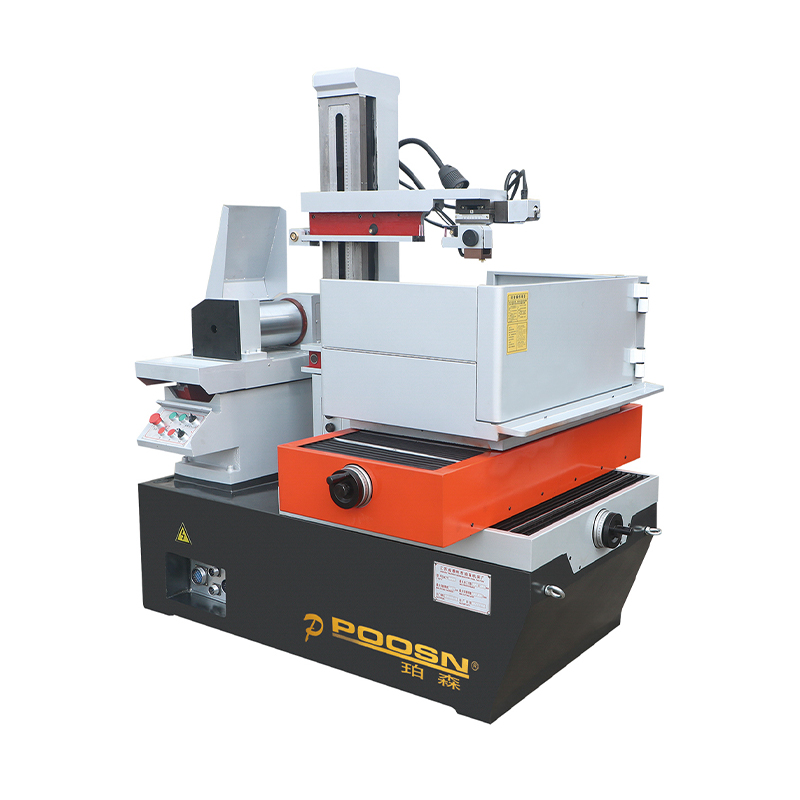
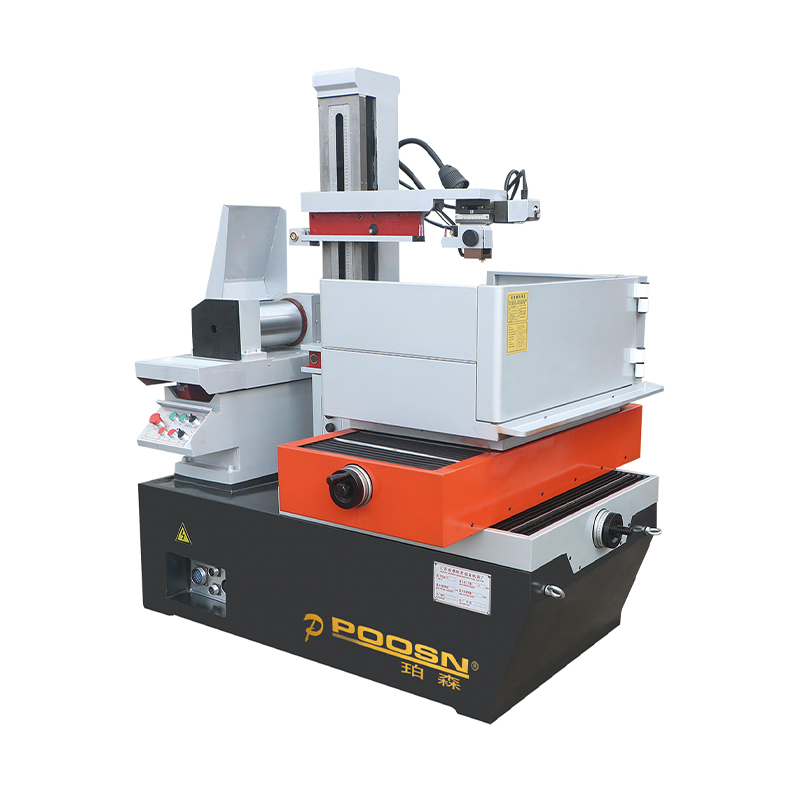
DK50BC CNC Medium-Speed Wire EDM Machine (600kg Load, 650mm Thickness)
3. Mechanical Design and Structural Stability
3.1 High-Rigidity Cast-Iron Base
The machine bed is manufactured from cast iron and subjected to aging treatment intended to reduce internal stress. A stable machine base is essential because wire EDM accuracy depends on the relationship between the wire guides, worktable, dielectric tank, and axis drives. If the structure deforms or vibrates, the resulting error can appear as poor verticality, uneven taper, inaccurate corners, or dimensional differences between repeated parts.
The rigid base of the DK50BC is intended to support long-duration operation and heavy workpiece loading. Its mass helps absorb vibration generated by table movement, wire reciprocation, pumps, and dielectric circulation. This is particularly important in a medium-speed machine, where the wire may travel at a higher speed than in many slow-wire systems.
Structural stability also contributes to long-term reliability. A machine that maintains alignment under extended operating conditions is less likely to require frequent geometric correction. Proper installation remains essential: the foundation must be adequate, the machine must be leveled correctly, and the surrounding environment should limit severe temperature changes, vibration, dust, and contamination.
3.2 Linear Guides and Transmission Components
The DK50BC uses linear rolling guides to support controlled axis travel. The product information also identifies high-precision ball screws as part of the transmission structure. Together, these elements help provide smooth movement, reduced backlash, and repeatable positioning.
Ball screws and linear guides require appropriate lubrication and protection. The machine’s design references centralized lubrication and an eco-friendly waterproof cover. These features help reduce the effects of dielectric fluid, cutting debris, and workshop contaminants on critical mechanical components. Regular inspection of guide surfaces, lubrication points, seals, and screw protection remains necessary for preserving accuracy.
For manufacturers operating multiple shifts, the mechanical system can be supported by preventive maintenance schedules based on operating hours. Maintenance should include checking axis movement, guide condition, screw lubrication, wire guide alignment, wire tension, water quality, pump performance, and electrical cabinet temperature.
3.3 Wire Frame and Guide Arrangement
Wire stability is one of the most important factors in wire EDM performance. During cutting, the molybdenum wire is exposed to electrical discharge forces, flushing pressure, thermal effects, and changes in tension. Any excessive vibration or deflection can affect surface quality and dimensional accuracy.
The DK50BC uses a wire frame designed to provide stable upper and lower guide support. The wire-feeding system incorporates tension control to suppress vibration during high-speed reciprocating motion. Stable wire positioning helps improve cut straightness, verticality, corner definition, and repeatability.
For very thick workpieces, the wire may experience greater lag and deflection because the cutting channel is deeper. The machine’s combination of reinforced support, controlled tension, flushing, and multi-pass cutting is intended to reduce these effects. Operators should also select suitable electrical parameters and avoid excessive feed rates when the workpiece thickness or material condition makes stable discharge difficult.
4. Wire Feeding and Electrode System
The DK50BC uses a molybdenum electrode wire with a listed diameter of approximately 0.18 mm when used with the guide device. The wire feed speed is controlled within a range of approximately 1 to 11 m/s, and the maximum wire storage length is approximately 350 m. The maximum travel size of the wire drum is listed at 180 mm.
A reciprocating wire system allows the same wire to travel repeatedly through the cutting zone. This differs from slow-wire EDM, where wire is generally consumed in a continuous one-way feed. The medium-speed configuration can reduce wire consumption and operating cost while maintaining a productive cutting rate.
Wire tension must remain stable throughout the process. Excessive tension can increase the risk of wire breakage, while insufficient tension can produce vibration marks and inaccurate profiles. The DK50BC’s tensioning arrangement is intended to maintain a more consistent cutting condition as the wire moves through the workpiece.
Wire guides and guide wheels are consumable components. Their condition directly affects the position of the wire and the quality of the finished cut. Worn guides can produce taper errors, poor surface finish, irregular corners, and unstable discharge. Periodic replacement, careful cleaning, and correct installation are therefore important parts of normal operation.
The machine also features an easy wire-threading waterproof guide wheel arrangement. This helps simplify setup and reduce the time required to prepare the machine for a new job. Efficient threading is particularly useful when operators process multiple workpieces, change cutting programs frequently, or need to restart a job after wire replacement.
5. Intelligent Pulse Power and Electrical Control
The pulse power supply is the electrical core of a wire EDM machine. It determines how energy is delivered across the discharge gap and directly influences cutting speed, wire wear, surface condition, heat-affected behavior, and process stability.
The DK50BC uses controlled discharge parameters that can be matched to the material and cutting stage. During rough cutting, higher energy can be used to remove material efficiently. During finishing passes, lower and more carefully balanced energy reduces the risk of excessive recast, micro-cracking, and surface damage.
The listed maximum processing current is 6 A, while electrical capacity is approximately 2.5 KVA. The standard power supply is 3N 380 V ±10 percent. Customers should verify local electrical requirements, grounding arrangements, frequency, protection devices, and installation standards before shipment and commissioning.
Adaptive control can assist the machine in responding to changing discharge conditions. When flushing becomes less effective or the cutting gap becomes unstable, the control system can adjust feed behavior to reduce the likelihood of wire breakage. This is especially important when cutting deep sections, narrow slots, sharp corners, or materials with inconsistent conductivity.
An effective pulse system must balance productivity and wire life. Excessive discharge energy may raise cutting speed temporarily but can increase wire wear and surface damage. A well-adjusted system uses energy according to the material, thickness, flushing condition, and required finish. This approach can improve overall production economics rather than focusing only on the highest instantaneous cutting rate.
6. CNC Programming and Operator Usability
The DK50BC is supplied with an X8 or AUTOCUT programming and control system, with the ZHZK-03 control cabinet listed as standard and the ZHZ-09G available as an option. The system is designed to provide coordinated control of the X, Y, U, and V axes and to support the programming requirements of contour cutting and taper machining.
A practical CNC system should make it easy to define a cutting profile, establish workpiece coordinates, set wire compensation, select machining parameters, and monitor the process. For production operators, clear interface logic is important because programming errors can lead to scrap, wire breakage, excessive cycle time, or incorrect taper geometry.
The available control features may include graphical programming, CAD/CAM data transfer, edge finding, centering functions, multi-pass cutting routines, and real-time discharge monitoring, depending on the selected configuration. Users should confirm the exact software functions and file formats required for their workflow before ordering.
Multi-pass profiles can be especially useful for mold and die manufacturers. A program may be organized into roughing, semi-finishing, and finishing stages, with different offset values and electrical parameters for each pass. This creates a repeatable process that can be standardized for similar materials and part families.
Remote technical support and operator training are also important. Taizhou Xinchengyang Machinery Manufacturing Co., Ltd. provides technical assistance intended to help customers with installation, operation, parameter selection, maintenance, and troubleshooting. English operation materials and remote communication support can help overseas users shorten the learning period.
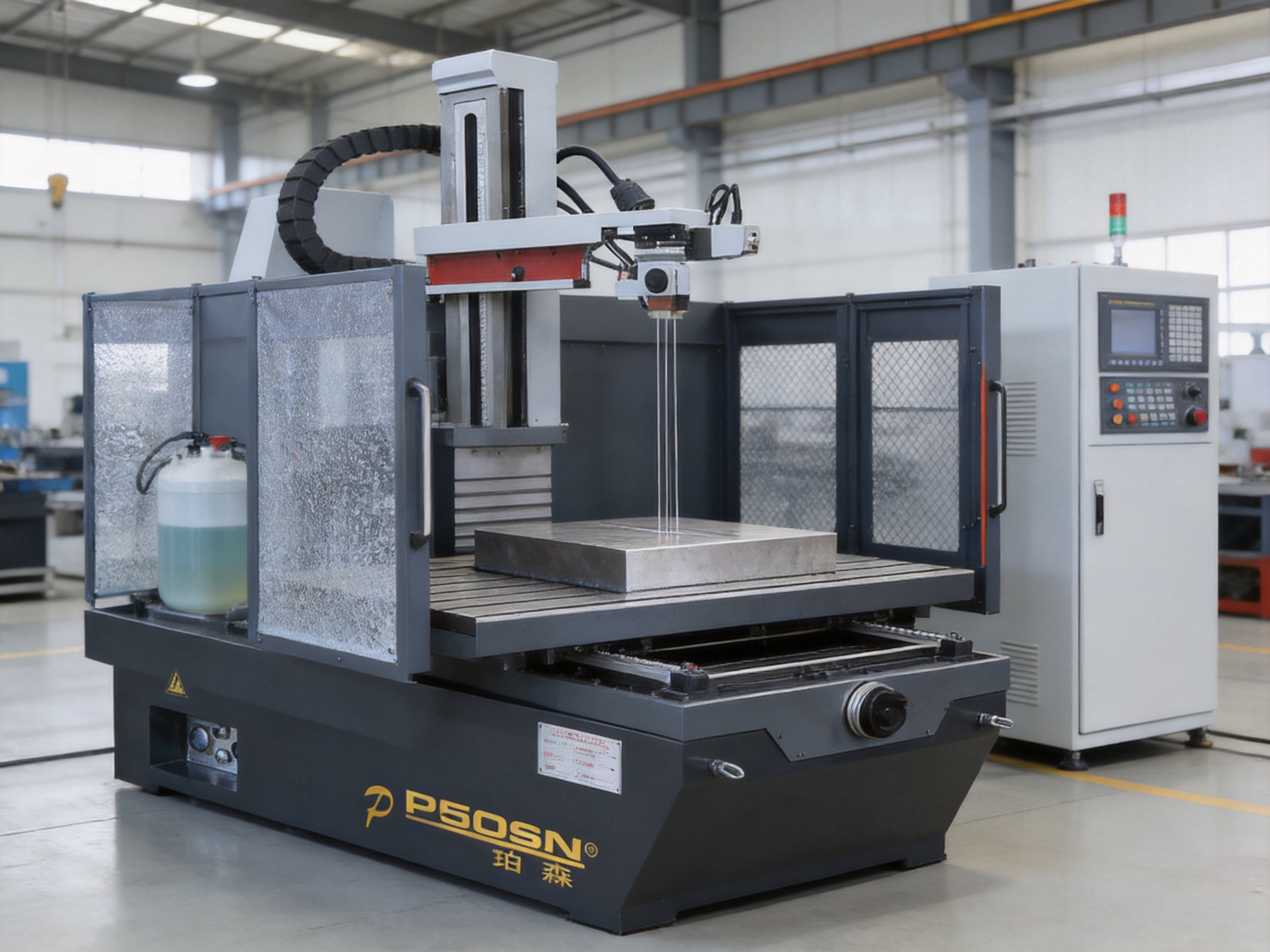
7. Applications Across Key Industries
7.1 Mold and Die Manufacturing
Large molds often combine substantial dimensions, hardened materials, complex contours, and demanding dimensional requirements. Conventional milling may require expensive tooling, multiple setups, or specialized machining centers. Wire EDM can cut hardened mold steels after heat treatment and can produce narrow slots, intricate cavities, sharp profiles, and small internal radii.
The DK50BC is suitable for large injection molds, stamping dies, blanking dies, extrusion components, and precision tooling. Its 650 mm cutting thickness and 600 kg load capacity allow it to process mold sections that may exceed the practical limits of smaller wire-cut machines.
Taper cutting is useful for mold components that require draft angles or clearance geometry. Multiple-pass cutting can improve the quality of the final profile, particularly where the mold will be used for repeated production and dimensional consistency is critical.
7.2 Heavy Machinery Components
Heavy machinery manufacturers often produce large plates, gears, wear components, structural parts, and custom mechanical elements from hardened or difficult-to-cut materials. The low mechanical cutting force of EDM allows these components to be processed without the same level of distortion that may occur with conventional cutting tools.
The DK50BC’s high worktable load supports heavy workpieces and fixtures. Its large cutting thickness is useful for thick steel plates and large blocks. The machine can also support prototype production, replacement part manufacturing, and small-batch orders where flexibility is more important than dedicated tooling.
7.3 Automotive Tooling and Components
Automotive production requires dies, punches, inserts, guide components, and specialized tooling with repeatable profiles. The DK50BC can be used for automotive mold components, stamping tools, and precision parts that require controlled contour cutting after hardening.
Its combination of productivity and finishing capability is suitable for plants that need both rough blanking and more accurate final profiles. The machine can be integrated into a broader workflow involving CAD/CAM programming, heat treatment, inspection, surface finishing, and assembly.
7.4 Aerospace and High-Performance Materials
Aerospace components may be manufactured from titanium alloys, nickel-based superalloys, hardened steels, and other conductive materials that are difficult to machine using conventional methods. Wire EDM does not depend primarily on material hardness; instead, the workpiece must be electrically conductive.
When processing aerospace materials, users must control heat input, flushing, surface integrity, and inspection procedures carefully. The DK50BC’s programmable discharge parameters and multiple-pass capability can support applications in which the finished surface and dimensional condition must be verified thoroughly.
7.5 Carbide and Tooling Materials
Cemented carbide is hard, wear-resistant, and difficult to cut with ordinary tools. Wire EDM provides an effective method for manufacturing carbide dies, punches, wear plates, cutting-tool blanks, and precision inserts. The DK50BC can process conductive carbide components when the wire, electrical parameters, flushing, and finishing strategy are properly selected.
For carbide applications, controlling surface alteration is important. A rough cut followed by finishing passes can help reduce the impact of the initial high-energy discharge. The final process should be validated according to the required tolerance, edge condition, and service performance of the component.
8. Comparison with Other Wire EDM Technologies
The DK50BC’s primary competitive advantage is its balance. It is not limited to the simplest form of high-speed rough cutting, nor does it require the full investment associated with many high-end slow-wire systems. Its design combines a reciprocating wire process with linear guides, four-axis control, multi-pass machining, and a large work envelope.
| Feature | DK50BC Medium-Speed WEDM | Conventional High-Speed WEDM | Typical Slow-Wire EDM |
| Wire operation | Reciprocating molybdenum wire | Reciprocating wire | Continuous single-use wire |
| Primary strength | Balance of capacity, efficiency, and finishing | Economical rough cutting | Very high precision and finish |
| Maximum listed thickness | 650 mm | Model dependent | Usually lower or application dependent |
| Maximum listed load | 600 kg | Often lower on smaller models | Model dependent |
| Multiple cuts | Supported | Usually limited or less optimized | Standard capability |
| Standard taper capability | Up to ±6°/80 mm | Model dependent | Often advanced, model dependent |
| Operating cost | Generally economical | Low to moderate | Higher because of wire consumption and equipment cost |
| Typical applications | Large molds, heavy parts, precision production | Blanking and general rough cutting | High-end precision tooling and fine finishing |
Compared with a conventional high-speed wire-cut machine, the DK50BC offers greater emphasis on precision finishing, guide stability, and heavy workpiece capacity. Compared with many slow-wire systems, its reciprocating wire system can reduce consumable costs and make it more attractive for manufacturers processing large quantities of material or requiring a combination of roughing and finishing.
The correct choice depends on the required tolerance, surface finish, workpiece thickness, machine utilization, wire cost, programming requirements, and available budget. The DK50BC is especially competitive when a company needs better finishing and control than a basic high-speed machine but does not want the total cost structure of a premium slow-wire installation.
9. Model Selection Within the Product Family
Taizhou Xinchengyang provides several DK-BC models for different workpiece sizes and loads. Selecting the correct model prevents both under-capacity and unnecessary investment.
| Model | X/Y Travel | Maximum Thickness | Maximum Load | Typical Use |
| DK35BC | 350 × 450 mm | 450 mm | 300 kg | Small and medium precision parts |
| DK45BC | 450 × 600 mm | 450 mm | 400 kg | Medium molds and mechanical components |
| DK50BC | 500 × 700 mm | 650 mm | 600 kg | Large molds and thick heavy workpieces |
| DK60BC | 600 × 800 mm | 800 mm | 800 kg | Extra-large molds and heavy industrial parts |
The DK50BC is appropriate when workpieces are too large or heavy for the DK35BC and DK45BC, but the additional capacity of the DK60BC is not required. Customers should evaluate not only the finished part size but also fixture dimensions, loading clearance, cutting approach, clamping space, and future production plans.
10. Manufacturing Strengths of the Supplier
Taizhou Xinchengyang Machinery Manufacturing Co., Ltd. has specialized in electrical discharge machining and wire-cutting technology for many years. Its experience includes research, development, production, testing, and technical support for medium-speed, high-speed, and large-taper wire-cut EDM equipment.
The company’s manufacturing philosophy is based on precision, stability, and efficiency. These principles are reflected in the DK50BC through the use of rigid cast structures, linear guide support, controlled wire feeding, CNC axis control, and systematic inspection.
10.1 Product Development and Technical Experience
The company’s history in wire cutting began in 1999, and the POOSN brand was established in 2003. Cooperation with CNC technology partners helped expand its presence in the domestic market. In 2017, Taizhou Xinchengyang Machinery Manufacturing Co., Ltd. was established with a registered capital of 60 million yuan and developed its own manufacturing facility.
The company has continued to invest in product development, including patented machine-tool technology and improvements to CNC equipment. Its product lines cover PS-C medium-speed wire-cut machines, DK77-BC medium-speed models, DK77-A and DK77-B high-speed machines, and DK77-D large-taper models.
10.2 Quality Inspection and Calibration
Machine accuracy depends on the quality of assembly, alignment, calibration, and final testing. The company states that each machine tool undergoes positioning accuracy testing before delivery. Testing may include verification of axis movement, geometric relationships, operating stability, and cutting performance.
Advanced inspection processes such as laser interferometer testing and ballbar evaluation may be available for particular configurations or acceptance requirements. Customers with strict inspection standards should define the required documentation, test piece, tolerance, and measurement method in the purchase agreement.
Environmental simulation and high-load testing can help identify thermal and electrical stability issues before shipment. Evaluating the machine under demanding operating conditions supports more reliable installation and commissioning at the customer’s site.
10.3 Configuration Flexibility
The supplier offers configuration options that can be adapted to different applications. These may include the ZHZ-09G control cabinet, AC servo drives for X and Y axes, linear scale feedback, high-pressure water tanks, large-taper equipment, automatic wire threading, extended travel, and other application-specific modifications.
Customization allows customers to avoid paying for features they do not need while still obtaining advanced functions for demanding jobs. Any customized configuration should be reviewed in advance for compatibility, delivery time, installation requirements, software support, and spare parts availability.
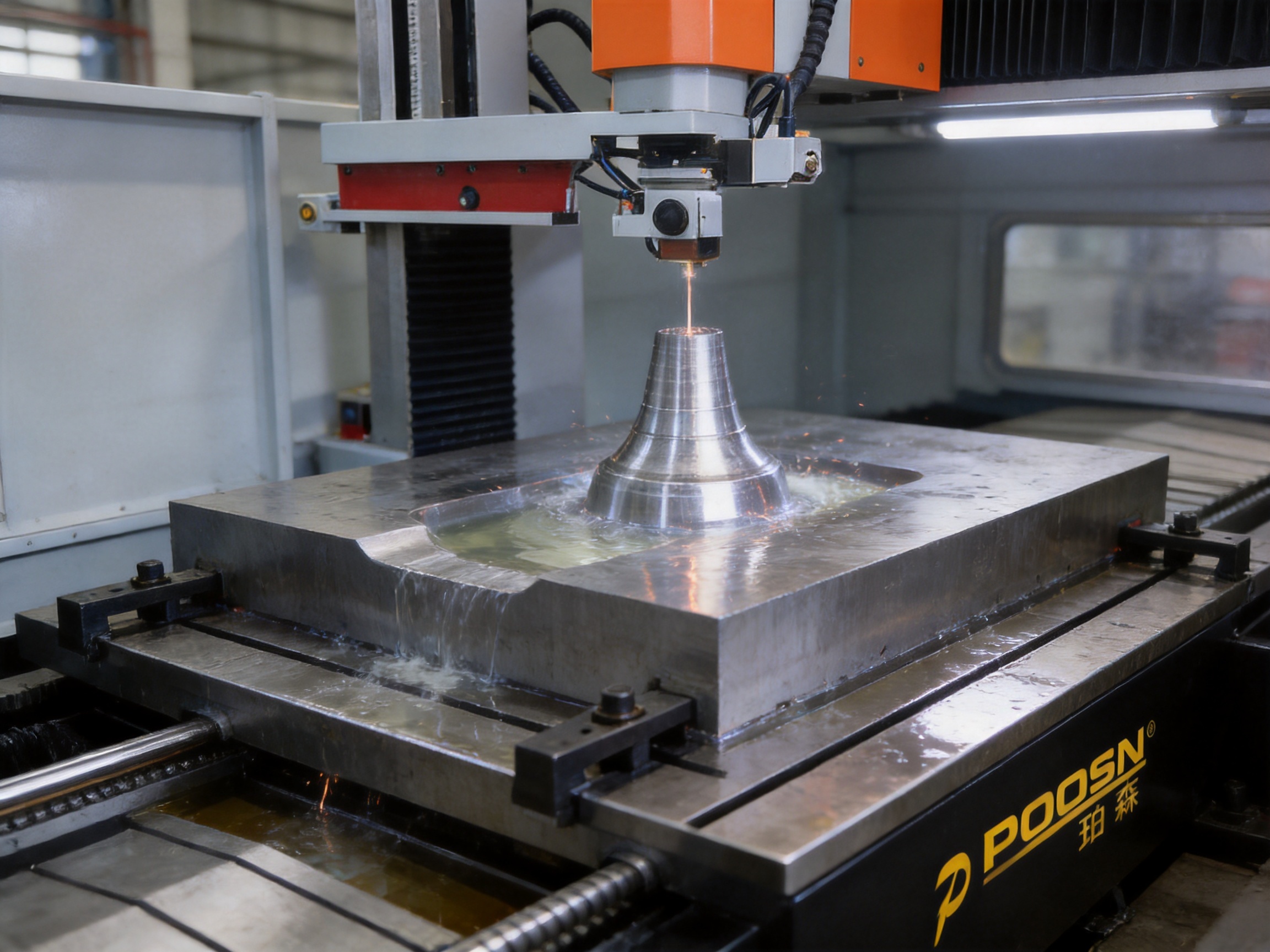
11. Energy Efficiency and Environmental Considerations
Modern machine-tool buyers increasingly evaluate energy use, fluid management, waste reduction, noise, and workshop safety in addition to cutting performance. The DK50BC incorporates drive and current-control strategies intended to reduce unnecessary electrical consumption while maintaining productive machining.
The reciprocating wire system can reduce electrode-wire consumption compared with continuous single-use wire processes. Lower wire usage can reduce operating expenses and the amount of consumable waste generated during production. Actual wire life depends on material, current, pulse settings, tension, wire condition, flushing, and operator practice.
The dielectric system uses water-based working fluid and circulation equipment to flush the cutting zone. Proper filtration and fluid maintenance are essential for stable machining. Contaminated or poorly conditioned water can reduce insulation performance, cause unstable discharges, accelerate component wear, and affect surface quality.
The machine may be equipped with an eco-friendly waterproof cover and an optional high-pressure water tank. These features help contain fluid, improve flushing, and maintain a cleaner working area. Operators should still use appropriate personal protective equipment and follow local safety procedures for electrical equipment, pumps, fluids, and heavy workpiece handling.
12. Installation, Operation, and Maintenance
Before installation, the customer should prepare a suitable foundation, lifting method, electrical supply, grounding system, working space, drainage arrangement, and material-loading plan. Because the DK50BC weighs approximately 2,000 kg and has overall dimensions of approximately 2,200 × 1,865 × 2,000 mm, adequate access and floor capacity are essential.
Initial commissioning normally includes machine leveling, electrical connection, dielectric system inspection, wire threading, axis reference verification, and test cutting. The machine should be checked after transportation to confirm that no components, cables, guide assemblies, or covers have shifted.
Daily operation should include checking wire condition, working fluid level, water conductivity, nozzle alignment, flushing pressure, guide-wheel rotation, and abnormal sounds or vibration. Operators should remove debris from the tank and inspect the cutting zone when processing thick or difficult materials.
Periodic maintenance should include lubrication of the guide and screw systems, inspection of wire guides and wheels, cleaning of filters and tanks, checking pump performance, testing electrical connections, and verifying machine accuracy. Preventive maintenance is less expensive than correcting an avoidable loss of precision after a component has become severely worn.
For thick workpieces, operators should choose a suitable cutting mode and avoid using maximum feed rates without verifying discharge stability. Strong upper and lower flushing, correct wire tension, appropriate offset compensation, and finishing passes can help reduce wire lag and improve verticality.
13. Commercial and Service Advantages
Equipment investment should be evaluated over the complete operating life of the machine. Purchase price is only one part of total cost. Wire, guides, guide wheels, dielectric fluid, resin, electricity, maintenance, downtime, training, and technical support all influence the final cost per part.
The DK50BC’s medium-speed wire system can provide a cost advantage where continuous single-use wire consumption would be excessive. The machine is also designed to process large workpieces that might otherwise require subcontracting, multiple setups, or several smaller machines.
Taizhou Xinchengyang provides technical support for installation, operation, troubleshooting, and maintenance. The stated warranty is 12 months from the date of shipment, and critical spare parts may be dispatched by express courier. Remote support through video communication can help customers resolve common operating problems without waiting for an on-site visit.
Standard machines are identified with an approximate lead time of 15 to 25 days, while customized configurations may require an additional 10 to 15 days. Delivery by sea or rail depends on destination and logistics conditions. The machine is shipped assembled, calibrated, and test-cut according to the stated delivery arrangement, with final leveling and power connection completed at the customer’s facility.
14. Recommended Selection Procedure
Before ordering a DK50BC, customers should prepare a clear list of workpiece requirements. Important information includes material type, hardness, electrical conductivity, maximum length and width, thickness, workpiece weight, tolerance, surface roughness, taper angle, production volume, and CAD/CAM format.
Sample cutting is recommended for critical applications. A test can verify cutting speed, surface finish, verticality, corner quality, wire consumption, and the number of finishing passes required. It can also identify whether optional equipment such as linear scales, servo drives, a high-pressure water tank, or a specialized control system would provide measurable value.
Customers should also confirm whether the machine will operate in a general workshop or a temperature-controlled environment. The DK50BC is intended for practical industrial use, but demanding tolerances can still be affected by thermal expansion, foundation movement, dielectric temperature, and seasonal environmental changes.
A complete purchase specification should define the machine model, standard and optional components, control cabinet, electrical standard, acceptance criteria, training, warranty, spare parts, documentation language, packing, delivery terms, and commissioning responsibilities.
15. Frequently Asked Questions
Q1: What type of production is the DK50BC best suited for?
The DK50BC is best suited for large and heavy workpieces that require controlled contour cutting, substantial cutting thickness, and reliable production efficiency. Typical applications include large molds, stamping dies, heavy mechanical parts, automotive tooling, aerospace components, carbide tools, and complex conductive components.
Q2: What is the maximum cutting thickness?
The maximum listed cutting thickness is 650 mm. Actual performance depends on the material, workpiece geometry, wire condition, flushing, cutting parameters, and required accuracy. Thick-workpiece jobs should be evaluated through process testing when final tolerance or surface integrity is critical.
Q3: How much weight can the worktable support?
The maximum listed worktable load is 600 kg. The workpiece and fixture should be positioned to distribute weight correctly and should remain within the safe loading requirements specified during installation and operation.
Q4: Can the DK50BC cut tapered profiles?
Yes. The machine provides U/V axis movement for taper cutting. The standard specification lists a U/V travel of 60 × 60 mm and a maximum taper of up to ±6° per 80 mm thickness. Larger taper capabilities may be available with an optional large-taper configuration.
Q5: What materials can it process?
The machine can process electrically conductive materials, including tool steels, hardened steels, stainless steels, cemented carbide, copper alloys, aluminum alloys, titanium alloys, and selected high-temperature alloys. Material hardness alone does not prevent wire EDM processing; electrical conductivity and suitable discharge conditions are essential.
Q6: What surface finish can the machine achieve?
The standard technical data lists an optimal surface roughness of Ra ≤ 2.5 μm. Better results may be achieved in specific configurations and through multiple finishing passes, but the final result depends on material, thickness, cutting parameters, flushing, wire condition, and inspection method.
Q7: Is the DK50BC suitable for mass production?
Yes. Its cutting efficiency, large worktable, heavy-load capacity, repeatable CNC control, and multi-pass programming make it suitable for batch production. Production efficiency should be calculated using the complete cycle, including setup, threading, rough cutting, finishing passes, inspection, and workpiece handling.
Q8: What control cabinet is supplied?
The ZHZK-03 control cabinet is listed as standard, while the ZHZ-09G is available as an option. Other control or feedback upgrades may be possible depending on the required application and machine configuration. The exact functions should be confirmed before order placement.
Q9: Does the machine need a climate-controlled room?
The DK50BC is intended for general industrial workshop conditions, but temperature variation can influence precision. For tolerances in the few-micron range, a controlled environment, stable foundation, appropriate dielectric temperature management, and optional linear-scale feedback may be recommended.
Q10: What are the main advantages over a basic high-speed wire EDM machine?
The DK50BC offers a larger capacity, a stronger heavy-workpiece focus, linear guide support, four-axis taper control, multi-pass finishing, and enhanced process control. These features can improve the balance between rough-cutting efficiency and final part quality.
Q11: How does it compare with a slow-wire EDM machine?
The DK50BC generally offers lower wire consumption and a more economical operating model than a continuous-wire slow-wire machine. A premium slow-wire system may still provide higher ultimate precision or surface finish in certain applications. The DK50BC is most competitive when users need large capacity, practical precision, and manageable operating costs.
Q12: Can the machine be customized?
Possible options include linear scale feedback, AC servo drives, high-pressure water tanks, control cabinet upgrades, automatic wire threading, extended travel, large-taper equipment, and application-specific configurations. Custom requirements should be reviewed with the manufacturer’s engineering department.
16. Conclusion
The DK50BC CNC medium-speed wire EDM machine is a strong solution for manufacturers that need to cut large, thick, heavy, and complex conductive workpieces with a practical combination of productivity and precision. Its 650 mm cutting thickness, 600 kg worktable load, 500 × 700 mm X/Y travel, four-axis linkage, linear guide system, controlled wire feeding, and multi-pass capability give it a broad application range.
Its competitive value comes from balancing several requirements that are often difficult to achieve in one machine. It provides more capacity and finishing control than many basic high-speed wire-cut machines, while retaining the economical reciprocating-wire principle that can make it less expensive to operate than continuous-wire systems. For mold shops, heavy machinery manufacturers, automotive tooling suppliers, aerospace subcontractors, and general precision manufacturers, this balance can support both flexible job-shop work and repeated production.
The machine’s performance is also supported by the manufacturing strengths of Taizhou Xinchengyang Machinery Manufacturing Co., Ltd., including long-term EDM experience, product development, structural design, assembly, inspection, calibration, configuration support, and after-sales service. With appropriate installation, operator training, fluid management, maintenance, and process validation, the DK50BC can become a dependable part of a modern wire EDM production line.
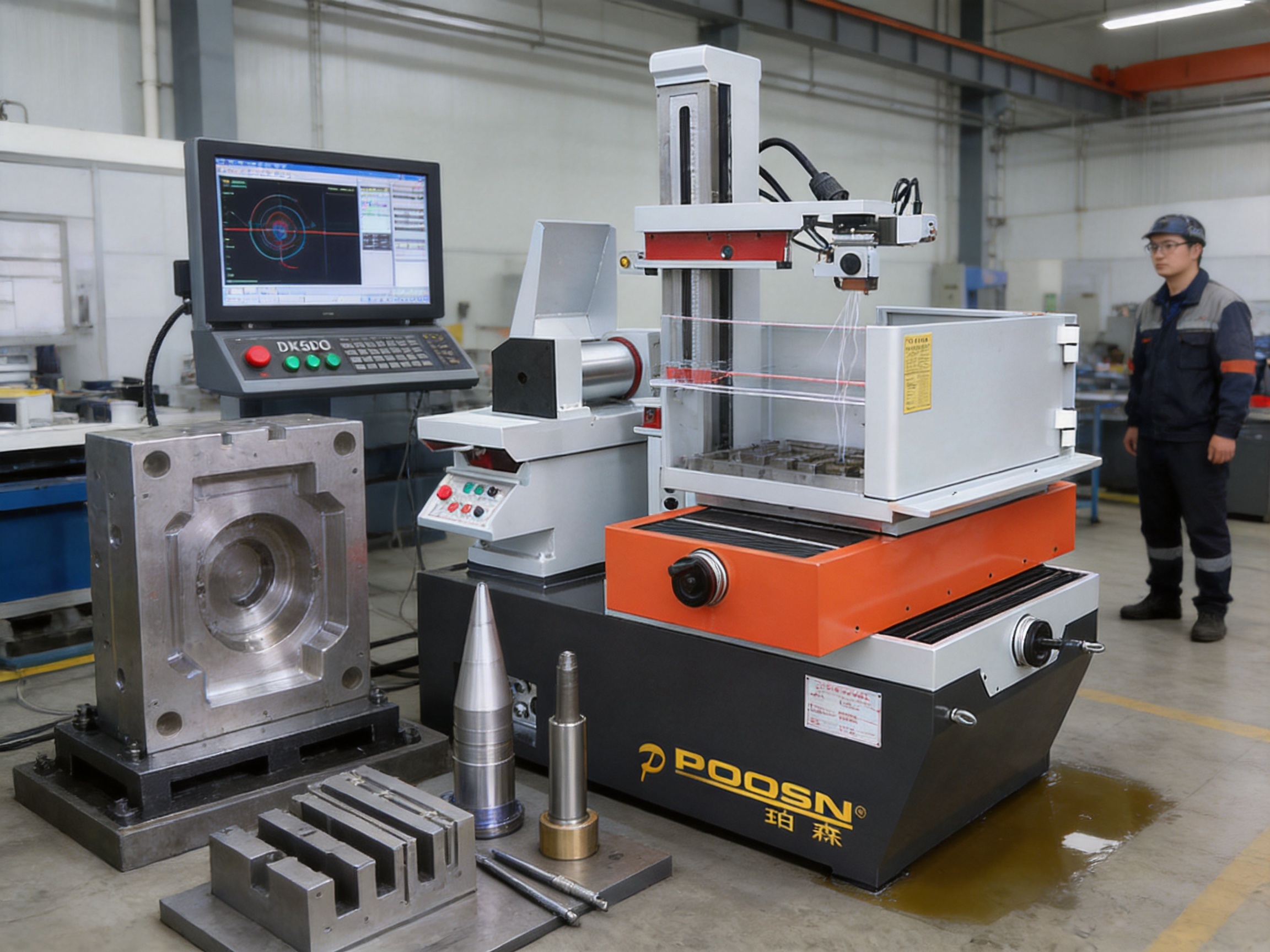
References
1. Taizhou Xinchengyang Machinery Manufacturing Co., Ltd. DK50BC High-Medium-Speed Wire EDM Technical Product Information.
2. Taizhou Xinchengyang Machinery Manufacturing Co., Ltd. DK-BC Series Worktable, Taper Device, Wire Feeding, Drive Control, and Electrical System Specifications.
3. GB/T7926-2015, Precision Inspection Requirements for Wire-Cut Electrical Discharge Machines.
4. General principles of electrical discharge machining, wire electrode control, dielectric flushing, and pulse power regulation used in industrial WEDM practice.
5. Manufacturer-provided information regarding DK35BC, DK45BC, DK50BC, and DK60BC model selection and application ranges.
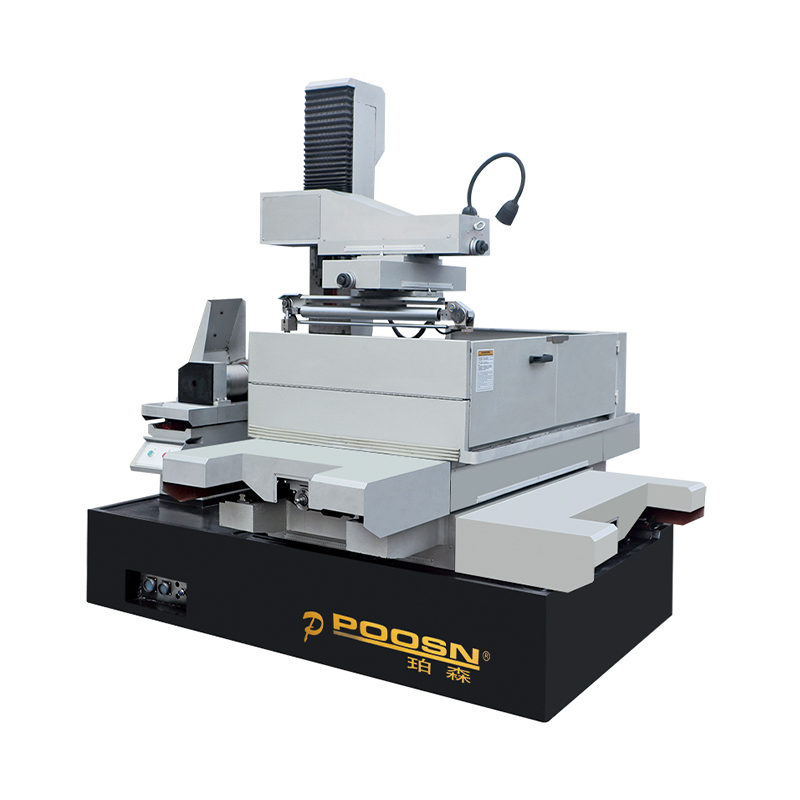
Product: DK50BC CNC Medium-Speed Wire EDM Machine (600kg Load, 650mm Thickness)

-
Phone
+86-0523-86268788 +86-13815960366 +86-13912191163Email
[email protected]Address
No. 366, Yusheng Road Jiulong Town, Hailing District Taizhou City, China
Copyright © Taizhou Xinchengyang Machinery Manufacturing Co., Ltd. All Rights Reserved.
Custom edm machine for sale
wholesale edm machine manufacturers
