

 English
 русский
 عربى
عربى

Lu Qianwen — Overseas Sales Manager
Home / Author / Lu Qianwen — Overseas Sales Manager / Heavy-Duty Medium-Speed Wire-Cut EDM for Precision Large-Workpiece Manufacturing
Heavy-Duty Medium-Speed Wire-Cut EDM for Precision Large-Workpiece Manufacturing
2026-07-12
Modern mold manufacturing, precision component production, aerospace machining, and heavy machinery processing increasingly require equipment that can combine high accuracy, stable cutting performance, larger workpiece capacity, and efficient long-cycle operation. The PS45C Heavy-Duty CNC Medium Speed Wire Cut EDM Machine is designed for this exact production environment. It is a medium-speed wire-cut electrical discharge machining solution intended for manufacturers that need to process medium-to-large workpieces while maintaining dependable dimensional accuracy, smooth surface quality, and strong productivity in batch manufacturing.
Unlike conventional high-speed wire-cut EDM machines that may emphasize speed at the expense of finish consistency, and unlike low-speed wire EDM systems that may involve higher consumable costs and greater investment requirements, the PS45C is positioned as a balanced, high-value machining platform. It provides a practical combination of cutting efficiency, workload capability, precision control, and adaptable automation potential. With an X-axis and Y-axis travel of 450 mm by 600 mm, a worktable size of 650 mm by 926 mm, a maximum cutting thickness of 280 mm, and a maximum worktable load of 400 kg, the machine is particularly suitable for medium-to-large molds, thick plates, precision mechanical components, and demanding industrial parts.
The equipment is part of the PS-C medium-speed wire-cut EDM machine series and is manufactured by Taizhou Xinchengyang Machinery Manufacturing Co., Ltd., a specialized manufacturer focused on electrical discharge machining equipment, special processing technologies, and related machine tool solutions. The company has accumulated years of practical production experience in wire-cut EDM development and manufacturing, with product lines covering medium-speed wire-cutting EDM machines, high-speed wire-cutting EDM machines, and large-taper wire-cutting EDM machines. Its engineering approach emphasizes rigid machine structures, carefully tested accuracy, stable electrical control, practical customization, and long-term service support.
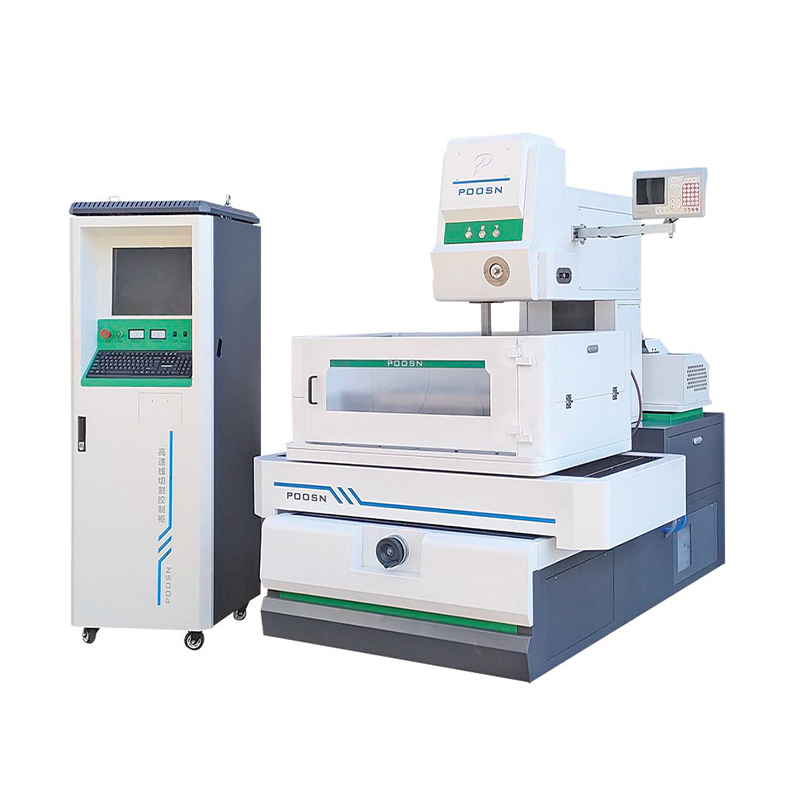
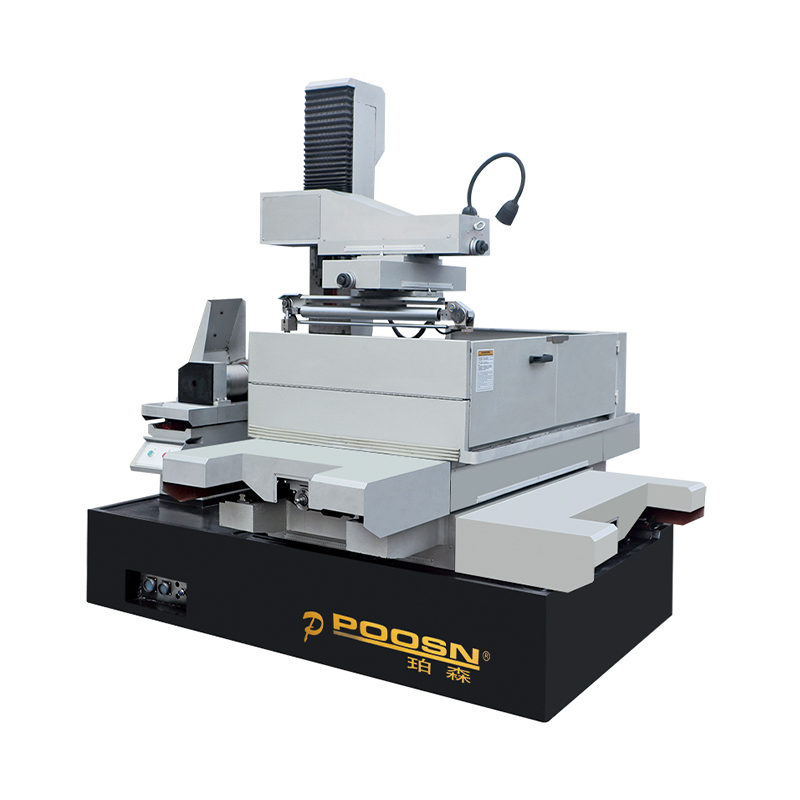
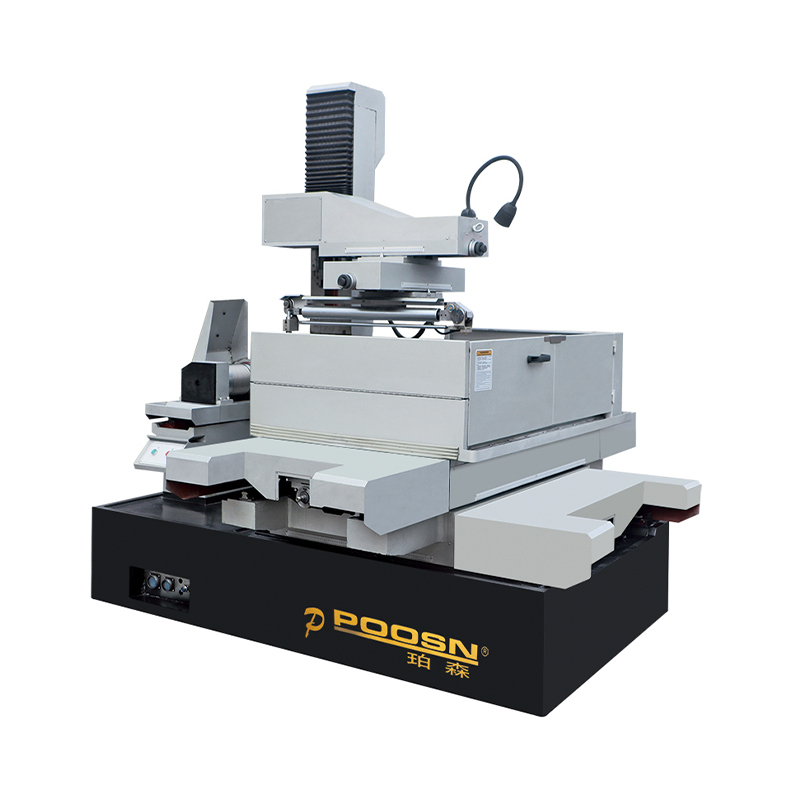
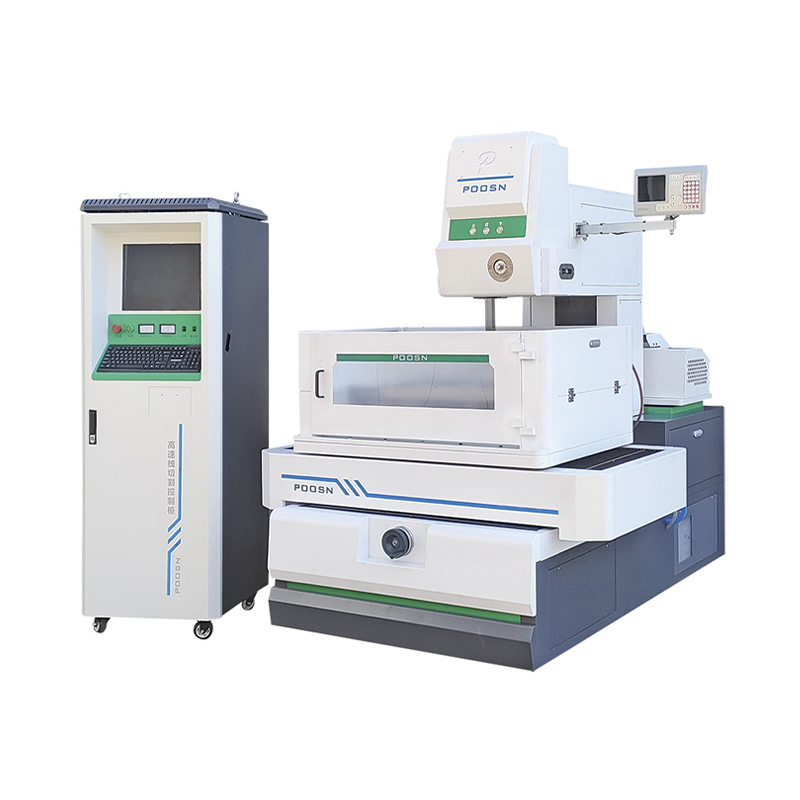
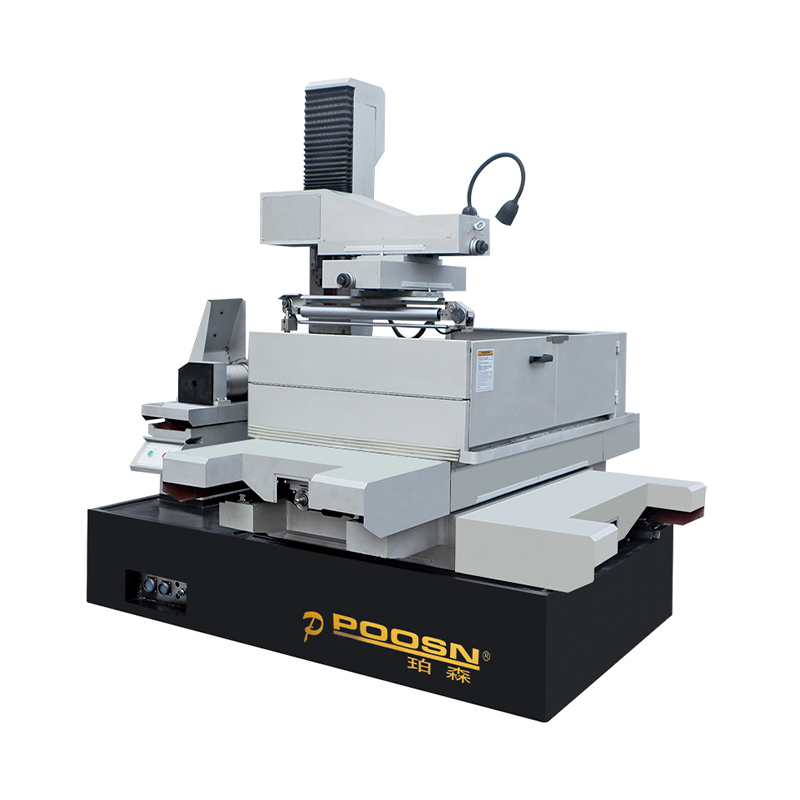
PS45C Heavy-Duty CNC Medium Speed Wire Cut EDM Machine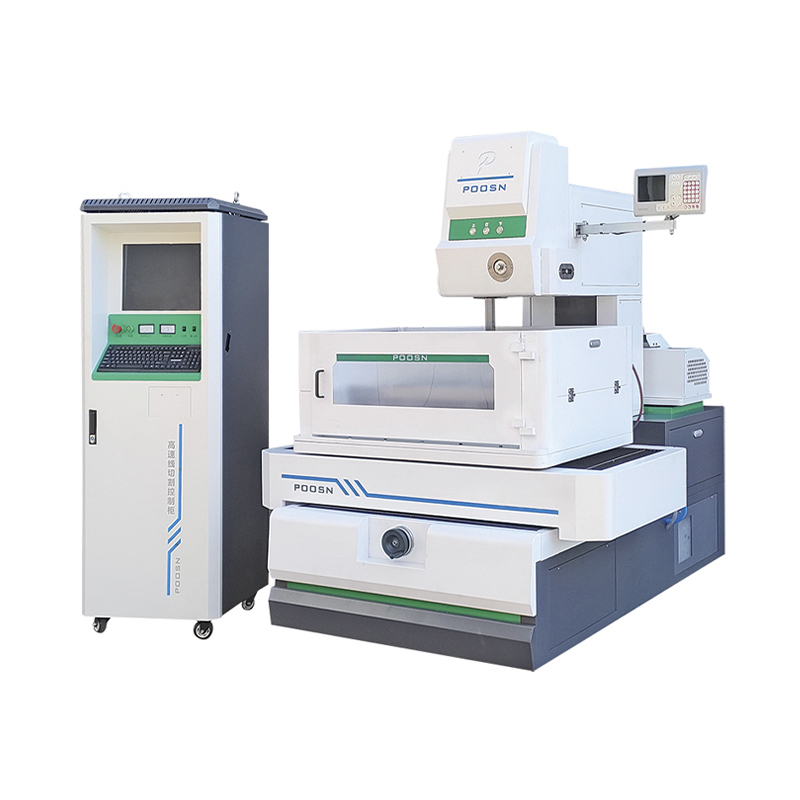
Content
- 1 Product Positioning and Core Manufacturing Value
- 2 Key Technical Advantages of the PS45C
- 3 Pulse Power Supply and Cutting Efficiency
- 4 Mechanical Structure and Long-Term Rigidity
- 5 Wire Feed System and Cutting Stability
- 6 Control System and Programming Flexibility
- 7 Technical Specification Overview
- 8 Advantages Over Competitor Machines
- 9 Advanced Manufacturing Processes Behind the Machine
- 10 Quality Assurance and Reliability Philosophy
- 11 Application in Mold Manufacturing
- 12 Application in Heavy Machinery Parts Processing
- 13 Application in Aerospace and High-Reliability Components
- 14 Automation and Production Line Adaptability
- 15 Economic Benefits and Total Cost of Ownership
- 16 Comparison Within the Product Series
- 17 Operator Safety, Convenience, and Workshop Efficiency
- 18 Service Support and Customer Confidence
- 19 Q&A Section
- 19.1 Q1: What type of manufacturer is the PS45C best suited for?
- 19.2 Q2: How does the PS45C improve upon smaller machines such as the PS35C?
- 19.3 Q3: What is the maximum cutting thickness of the PS45C?
- 19.4 Q4: What cutting efficiency can the machine achieve?
- 19.5 Q5: How does the machine maintain surface quality?
- 19.6 Q6: Why is constant wire tension important?
- 19.7 Q7: Can the PS45C be used in automated production environments?
- 19.8 Q8: What industries benefit most from the PS45C?
- 19.9 Q9: What makes the PS45C competitive against other EDM machines?
- 19.10 Q10: What operating environment is recommended for best accuracy?
- 20 Conclusion
- 21 References
- 22 Product: PS45C Heavy-Duty CNC Medium Speed Wire Cut EDM Machine
Product Positioning and Core Manufacturing Value
The PS45C is designed for users who have outgrown smaller EDM systems but do not necessarily require an oversized heavy-duty platform. It bridges the gap between compact precision machines and larger high-load models. Compared with smaller machines such as the PS35C, the PS45C provides a larger worktable, greater axis travel, and higher load capacity. These improvements allow manufacturers to process larger molds and components without sacrificing accuracy or workflow stability. For factories producing precision dies, machine parts, aerospace components, or complex tooling, this balance between capacity and precision can directly improve competitiveness.
In many workshops, machining productivity is limited not by cutting speed alone, but by machine adaptability. A machine with insufficient table space may require workpiece repositioning, segmented cutting, additional fixture design, or outsourcing of large jobs. Each of these steps can increase cost, extend delivery time, and introduce accuracy risks. The PS45C reduces these limitations by offering a more spacious processing area and stronger mechanical support. Its 400 kg maximum worktable load allows heavier parts to be handled with greater confidence, while the machine structure is engineered to maintain stability during long cutting cycles.
The medium-speed wire-cut EDM process itself is especially attractive for manufacturers that need better surface quality than traditional high-speed wire cutting can commonly provide, while also maintaining cost efficiency. The PS45C supports multi-cutting processes that help improve surface finish and dimensional consistency. With optimal surface roughness reaching Ra less than or equal to 1.2 micrometers under multi-cutting conditions and processing accuracy of 0.01 mm, the machine can serve applications where conventional cutting, milling, or rough wire cutting cannot achieve the desired contour integrity or fine detail.
Key Technical Advantages of the PS45C
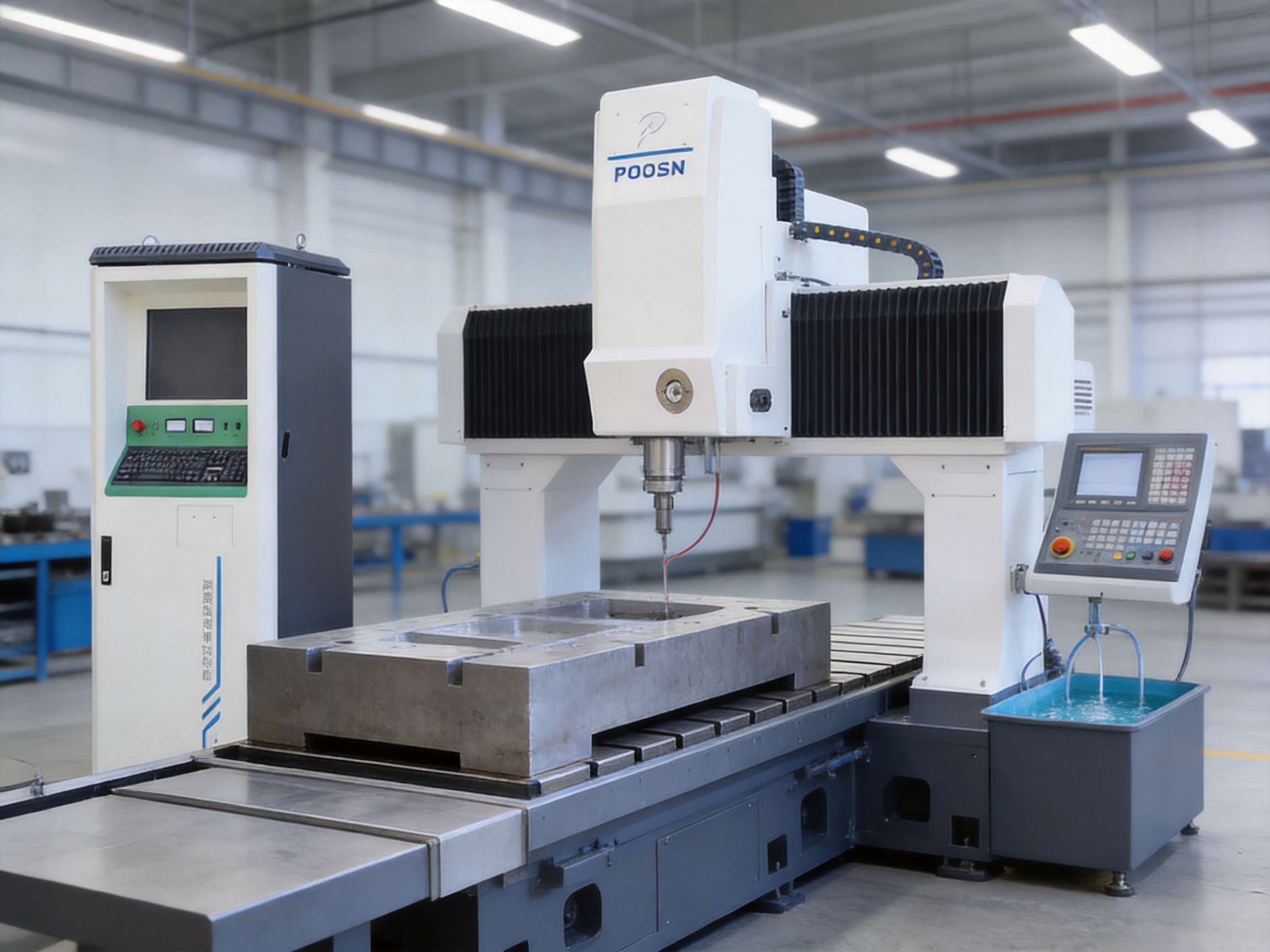
One of the strongest advantages of the PS45C is its combination of heavy-duty capability and precision control. The machine is designed for medium-to-large workpieces, but its core system is not simply enlarged from a smaller platform. It incorporates mechanical rigidity, guideway precision, position monitoring, wire tension control, pulse power optimization, and working fluid management to create a stable cutting environment. This is important because EDM accuracy depends on the entire system: mechanical movement, electrical discharge behavior, wire stability, flushing conditions, and thermal stability must work together.
The worktable is standard equipped with imported linear guides, which support smooth axis movement and help maintain stable positioning throughout the full stroke. Linear guide quality directly affects motion repeatability, vibration resistance, and long-term machine accuracy. By using high-quality motion components, the machine reduces friction fluctuation and supports consistent contour machining. For users processing molds or precision profiles, this means fewer dimensional deviations and better repeatability across batches.
The PS45C also supports a grating scale on the worktable for real-time full-stroke position monitoring. Full-stroke monitoring is valuable because it provides feedback across the complete travel range rather than only at limited reference points. This helps reduce accumulated positioning error during complex tool paths. When cutting large profiles, multiple cavities, or long contours, position feedback becomes increasingly important. A machine that maintains accuracy only near the center of travel may not meet the requirements of large mold components; the PS45C is designed to support reliable accuracy over a wider working range.
Another important feature is the adaptive constant-tension wire tightening mechanism, available as an optional configuration. Wire tension stability is one of the key factors influencing cut straightness, taper accuracy, and surface finish. In wire EDM, the electrode wire is constantly moving while electrical discharge erodes the workpiece material. If the wire vibrates, stretches unevenly, or responds slowly to tension changes, the cut surface may show marks, waviness, or dimensional variation. The PS45C addresses this through constant-tension logic that helps maintain a stable electrode wire condition, especially during deep cuts, thick material processing, or taper cutting.
Pulse Power Supply and Cutting Efficiency
The EDM process is fundamentally controlled by the discharge between the electrode wire and the workpiece. Therefore, the pulse power supply is a central element of machine performance. The PS45C is equipped with a high-speed power supply or nanosecond power supply across the series, supporting efficient cutting, reduced electrode wear, and improved surface quality. An advanced pulse power system allows discharge parameters to be adjusted according to material characteristics, thickness, and machining requirements. This helps improve both productivity and finish quality.
The machine can reach a maximum cutting efficiency of 10,000 to 16,000 square millimeters per hour, depending on the selected control cabinet and processing conditions. This makes it suitable for production environments where output volume matters. For mold shops and component manufacturers, high efficiency is not only about reducing machining time per part; it also increases machine availability, improves scheduling flexibility, and helps shorten delivery cycles. When paired with appropriate process planning, the PS45C can support both single-piece precision jobs and repeated batch production.
The high-frequency pulse control helps reduce wire wear and supports more stable discharge behavior. A stable discharge gap is essential for maintaining cutting speed without increasing the risk of wire breakage or surface defects. In thick workpiece cutting, EDM byproducts can accumulate in the cutting zone, causing unstable discharge, short-circuiting, or reduced efficiency. The PS45C’s power supply, flushing system, and wire control work together to maintain a cleaner discharge zone and more predictable cutting performance.
Energy efficiency is also a practical advantage. The PS45C is designed to improve cutting efficiency while reducing long-term energy consumption. For manufacturers operating multiple machines or running long production shifts, electricity consumption becomes a meaningful operating cost. An efficient EDM system reduces waste energy in the discharge process and contributes to lower per-part machining costs. Combined with reduced wire consumption and stable long-cycle machining, this gives the PS45C a favorable total cost of ownership.
Mechanical Structure and Long-Term Rigidity
Mechanical rigidity is the foundation of stable EDM machining. Although wire EDM is a non-contact machining process, the machine still experiences dynamic effects from wire motion, axis movement, fluid flow, thermal changes, and heavy workpiece loading. The PS45C uses high-strength resin sand castings and a carefully designed machine structure to ensure rigidity and stability. The casting structure is treated through aging processes to reduce internal stress and preserve long-term geometric accuracy.
The equipment incorporates a high-quality HT250 casting structure with a T-shaped bed design. This structural approach is superior to conventional strip-shaped beds because the worktable movement remains within the confines of the base. This helps prevent deformation and improves the long-term stability of the machine tool. For heavy workpieces, bed geometry and load distribution are particularly important. If a machine base deforms over time, accuracy can gradually decline, resulting in higher calibration needs and inconsistent part quality. The PS45C is designed to avoid this problem through robust structural engineering.
Motion mechanisms use imported bearings, with Japanese EZO bearings applied in motion assemblies. High-quality bearings reduce mechanical resistance, improve rotational smoothness, and contribute to longer component service life. The use of reliable bearings is especially important in wire-feed systems and guide mechanisms, where continuous operation can otherwise lead to wear and performance drift. A machine designed for heavy-duty use must not only perform well when new; it must maintain performance after years of production.
In addition, the PS45C uses Taiwan-brand high-precision linear guides, ball screws, and C-type wire frames in relevant configurations. Ball screws and linear guides influence feed smoothness, backlash control, and position repeatability. When combined with pitch error compensation and servo or stepper drive systems, these mechanical components support the precision requirements of complex contour cutting. The machine’s structure and drive design help it approach the machining stability expected from more expensive EDM systems while maintaining the economic advantages of medium-speed wire EDM.
Wire Feed System and Cutting Stability
The wire feed system is one of the defining features of a medium-speed wire-cut EDM machine. The PS45C supports an electrode wire diameter of 0.18 mm with wire guider, a wire feed speed range of 1 to 11 meters per second with frequency control, and a maximum wire storage length of approximately 320 meters. Frequency-controlled wire feed allows smoother directional switching and better adjustment of wire movement according to the process requirements. Imported frequency converters help extend the mechanical life of the wire drive system by reducing impact during reversing and improving motion smoothness.
The machine includes a waterproof gem guide wheel with a 40 mm single-sided gemstone guide wheel design. This component supports easy threading, long life, and high precision. Guide wheel quality affects wire path accuracy and vibration control. If guide components wear quickly or introduce friction variation, cutting quality may become inconsistent. The use of gem guide technology improves wear resistance and supports more precise wire guidance during extended operation.
The automatic double-sided tightening mechanism helps prevent molybdenum wire vibration and single-sided loosening. Wire vibration can be particularly damaging during high-precision machining because it creates visible marks and dimensional deviation. By tightening the wire from both sides, the system improves balance and reduces the likelihood of unstable wire behavior. This is especially useful during taper cutting, deep cutting, and machining of high-hardness materials.
A liftable gem wire guide provides additional practical advantages. The guide can be positioned close to the workpiece surface during machining, reducing wire vibration and improving machining accuracy and surface finish. The cutting height range can be adjusted without rethreading the wire, improving manual operation efficiency. This feature is important in real workshop conditions, where operators often need to switch between parts of different heights or adjust setups during production. Reducing threading and adjustment time improves daily productivity.
Control System and Programming Flexibility
The PS45C is standard equipped with an X8 system, while CAXA CAM2019 or TCAM can be selected as optional programming solutions. The machine uses the X8 or AUTOCUT control system, supporting practical programming and machining workflow management. A professional industrial control computer provides long-term stable and reliable operation. Industrial control reliability matters because EDM operations often run for long periods. A system failure during deep cutting can waste material, damage the wire, or require time-consuming restart procedures.
The control system includes interfaces such as LAN and USB, enabling convenient data exchange. In modern workshops, digital workflow integration is increasingly important. Programs may be generated in design departments, transferred from CAM software, modified by operators, and archived for repeat jobs. Convenient communication interfaces help reduce manual data entry, prevent programming mistakes, and support repeatable production.
The intelligent programming system simplifies G-code generation. For operators, easier program creation reduces training time and lowers the probability of machining errors. For managers, simplified programming improves labor flexibility and allows more employees to operate the equipment effectively. A machine with strong mechanical capability but difficult programming may not deliver full production value. The PS45C addresses this by combining advanced machining functions with practical operator-oriented control.
The machine supports four-axis linkage of X, Y, U, and V controlled axes. This allows taper cutting and complex contour machining. The CNC taper device uses UV 3P stepper drives, with the taper device equipped with linear guides and ball screw pairs. Taper cutting is important for mold components, die cavities, and parts requiring angled walls or precise form transitions. The full series standard with linear guides and ball screws for taper cutting improves stability and repeatability compared with simpler mechanisms.
Technical Specification Overview
The following table summarizes major PS45C parameters and explains their production significance. These specifications help manufacturers evaluate how the machine fits into real production workflows, including mold manufacturing, mechanical component processing, and aerospace-related precision work.
| Specification Area | PS45C Data | Manufacturing Significance |
| Worktable Size | 650 mm by 926 mm | Provides a spacious platform for medium-to-large molds, plates, and precision components. |
| XY Travel Size | 450 mm by 600 mm | Allows larger contours and multi-feature workpieces to be processed with fewer repositioning operations. |
| Processing Slot Size | 645 mm by 1010 mm | Supports flexible clamping and cutting of larger workpieces within the processing area. |
| Maximum Cutting Thickness | 280 mm | Enables machining of thick materials and complex parts requiring deep cutting capability. |
| Maximum Worktable Load | 400 kg | Suitable for heavier molds and mechanical parts while maintaining cutting stability. |
| Maximum Cutting Efficiency | 10,000 to 16,000 mm²/h | Supports efficient production and shorter delivery cycles, depending on cabinet selection and process conditions. |
| Processing Accuracy | 0.01 mm | Meets precision requirements for molds, tooling, and high-tolerance components. |
| Optimal Surface Roughness | Ra less than or equal to 1.2 micrometers with multi-cutting | Reduces secondary polishing and improves finished-part quality. |
| Wire Feed Speed | 1 to 11 m/s with frequency control | Allows process adjustment for different materials, thicknesses, and finish requirements. |
| Power Supply | 3N 380 V plus or minus 10 percent | Fits industrial production environments requiring stable electrical capacity. |
| Machine Dimensions | 2010 mm by 1655 mm by 2010 mm | Provides heavy-duty capability in a manageable floor-space footprint. |
| Machine Weight | 2000 kg | Reflects robust casting and structure for vibration resistance and long-term rigidity. |
Advantages Over Competitor Machines
The PS45C offers several competitive advantages compared with general-purpose wire-cut EDM machines in the same class. First, it provides stronger workpiece support than many smaller medium-speed systems. The 400 kg maximum load capacity makes it suitable for heavier molds and machine components, while the 450 mm by 600 mm travel range supports larger geometry. For manufacturers comparing equipment options, these numbers are important because undersized machines can restrict business opportunities.
Second, the machine emphasizes stable precision over a broad work range. Some competitors may advertise high nominal accuracy but depend heavily on ideal conditions or limited travel. The PS45C combines linear guides, grating scale monitoring, rigid castings, and tension control to improve practical accuracy in real production. For users, practical accuracy is more valuable than laboratory accuracy because it determines whether parts pass inspection after long hours of cutting.
Third, the PS45C provides a strong balance between cutting efficiency and surface quality. Many high-speed WEDM systems are fast but may require additional finishing or may not deliver consistent surface roughness on demanding parts. The PS45C supports multi-cutting and high-frequency pulse optimization, helping achieve Ra less than or equal to 1.2 micrometers in optimal conditions. This reduces reliance on manual polishing, grinding, or rework, which can be costly and inconsistent.
Fourth, the machine is designed with practical maintenance and operation in mind. Features such as one-touch motor automatic threading, convenient guide wheel replacement, adjustable wire guide height, automatic water spraying during cutting, and automatic spring wire tension improve operator efficiency. A competitor machine may have similar cutting parameters but still create daily productivity losses if setup, threading, or maintenance are inconvenient. The PS45C’s design reflects actual workshop use rather than only catalog performance.
Fifth, the company behind the machine provides customization services. The PS45C series can be adapted with expanded worktables, increased cutting depths, automation integration, tailored cutting modes, and suitable wire control systems according to production needs. This is a major advantage for factories that do not want a one-size-fits-all machine. Customization allows the equipment to match the customer’s parts, workflow, manpower, and production goals, improving long-term return on investment.
Advanced Manufacturing Processes Behind the Machine
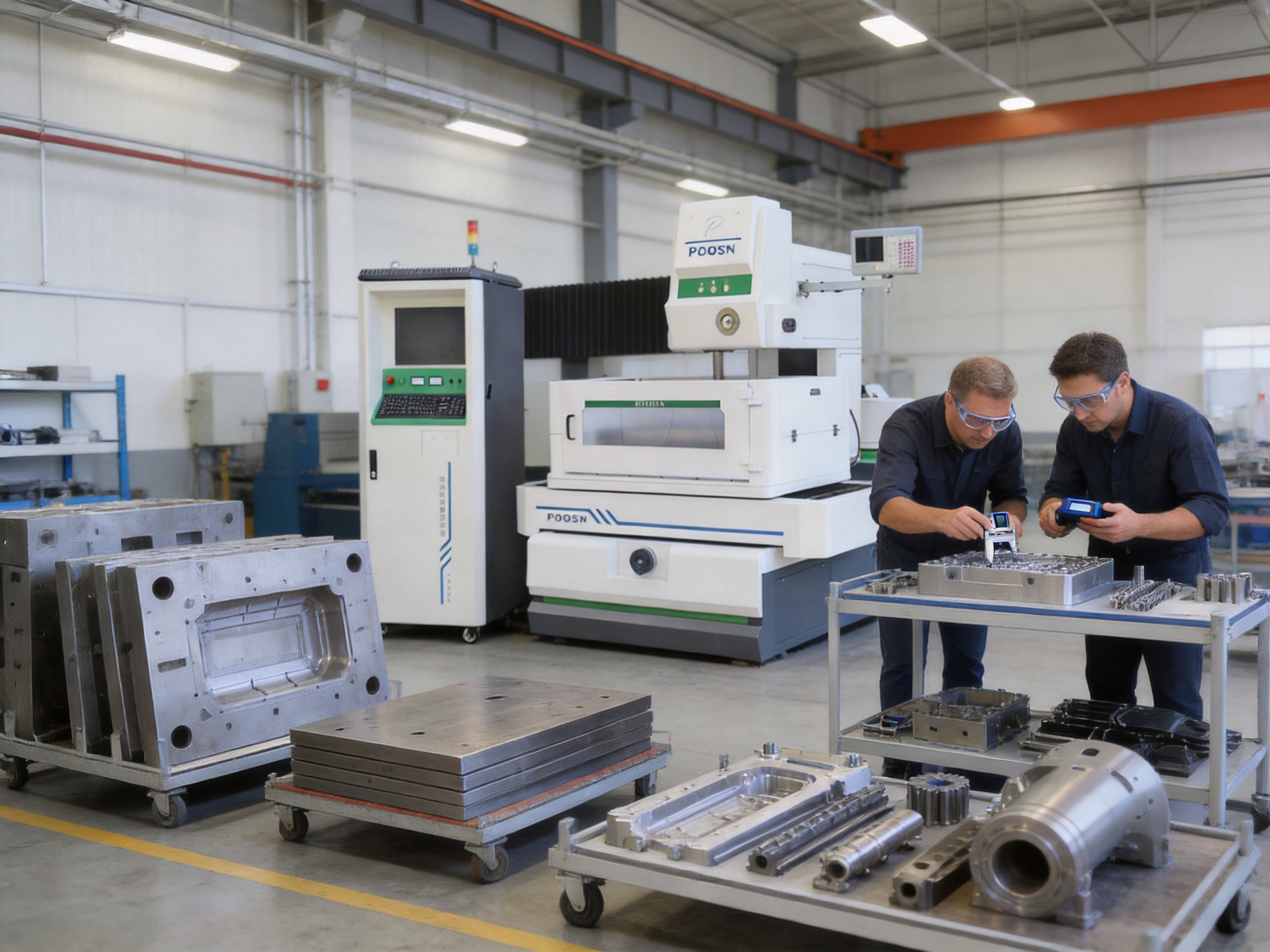
The quality of a wire-cut EDM machine depends heavily on the manufacturer’s production process. Taizhou Xinchengyang Machinery Manufacturing Co., Ltd. has developed specialized capability in EDM equipment design and manufacturing. The company’s production approach includes strong technical development, advanced processing equipment, comprehensive testing methods, and rational product design. Each machine is manufactured according to national standards, and each machine tool undergoes positioning accuracy testing before delivery.
Positioning accuracy testing is particularly important for EDM equipment because small motion errors directly affect workpiece dimensions. A machine may appear mechanically complete after assembly, but without careful measurement and compensation, guide rail alignment, lead screw pitch error, and axis squareness can create cutting deviations. The company’s inspection process helps ensure that delivered machines meet practical accuracy requirements. This quality control approach reduces commissioning risk for customers and supports stable production after installation.
The manufacturing process begins with machine structure design. A rigid casting is selected and processed to create the bed and machine body. Aging treatment is used to stabilize the casting and reduce internal stress. Precision machining then prepares the mounting surfaces for guide rails, ball screws, worktable components, and other mechanical assemblies. The accuracy of these base surfaces determines the final geometric precision of the machine. Advanced processing equipment and strict inspection methods help maintain consistency from one machine to another.
During assembly, guide rails, screws, bearings, wire-feed parts, and electrical systems are installed and adjusted. Parallelism, perpendicularity, backlash, and smooth motion must be controlled carefully. The integration of mechanical and electrical systems is then tested through motion trials, control response checks, wire-feed operation, water system operation, and cutting performance verification. This complete manufacturing procedure reflects the company’s understanding that EDM machines are systems, not only collections of parts.
Quality Assurance and Reliability Philosophy
The company’s quality philosophy is based on practical reliability. In industrial manufacturing, a machine that performs well for a short demonstration but requires frequent repair does not create value. The PS45C is engineered for long-term operation through durable casting, stable motion components, robust control systems, and protective design elements. The anti-splash design reduces working fluid splatter and helps maintain a cleaner processing environment. Cleanliness supports both operator comfort and component life.
The high-pressure water tank has an 80-liter fluid capacity and uses a paper core filter. Proper filtration is essential in EDM because metal particles in the working fluid can cause secondary discharge, unstable cutting, poor surface quality, and reduced component life. A reliable filtration system supports consistent cutting and reduces downtime caused by contamination. Effective cooling circulation also helps maintain thermal stability during extended machining.
Automatic tracking water spraying during cutting improves flushing efficiency. Flushing removes eroded material from the discharge gap and helps keep discharge stable. In deep cutting or thick workpiece machining, flushing becomes more difficult because debris must travel through a deeper and narrower kerf. The PS45C’s optimized water delivery improves chip evacuation and supports stable cutting speed, especially in heavy-duty applications.
The control cabinet model ZHZ-09G, maximum processing current of 6 A, electrical capacity of 2.5 kVA, and industrial power supply compatibility contribute to practical deployment. The machine can be integrated into manufacturing environments that require stable, repeated operation. When customers need higher efficiency or specific process capabilities, the company can provide multiple control cabinet options, allowing users to select configurations according to production requirements.
Application in Mold Manufacturing
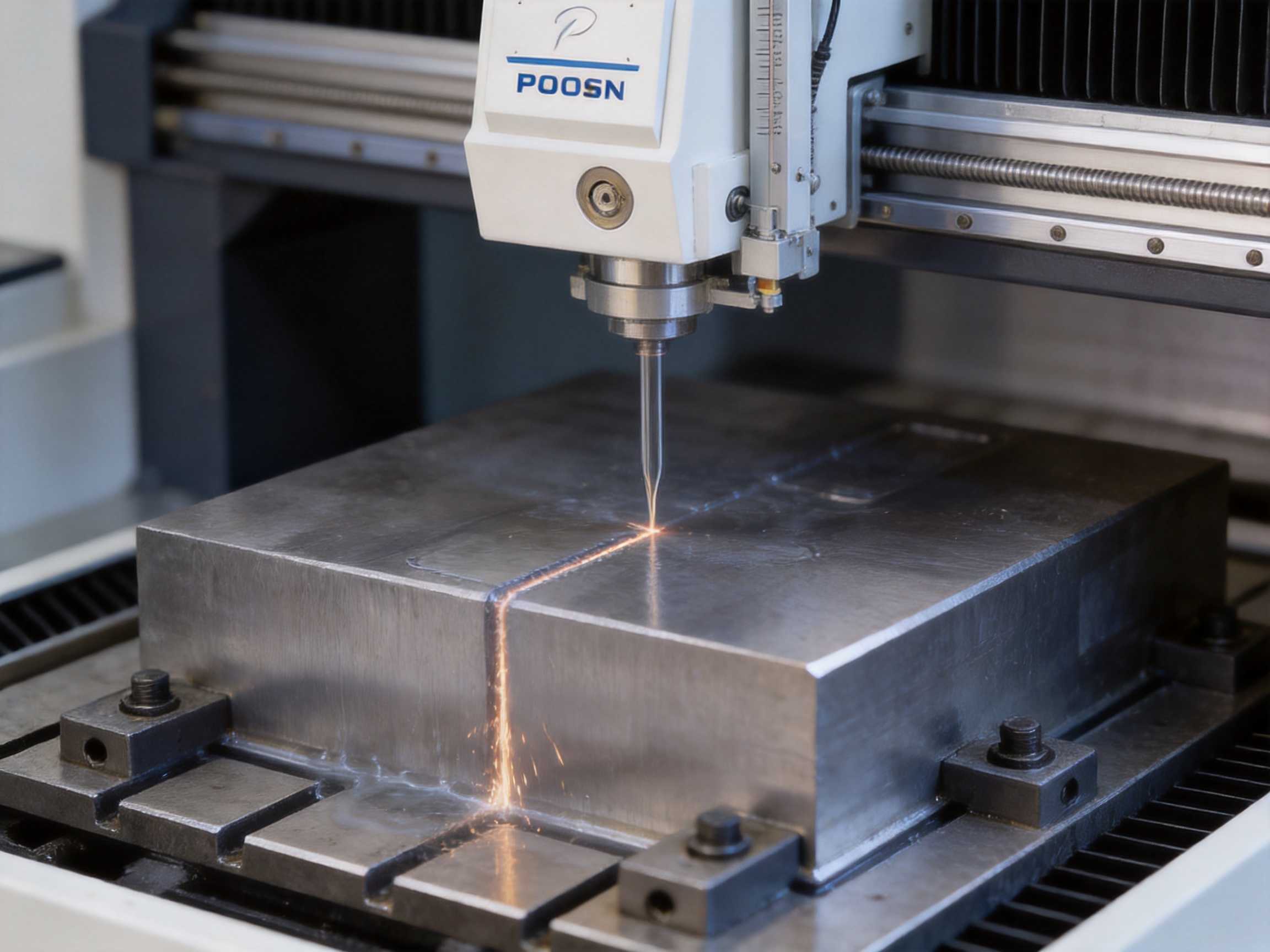
Mold manufacturing is one of the most important application areas for the PS45C. Mold components often require complex contours, accurate cavities, sharp corners, narrow slots, and high dimensional consistency. Conventional milling may be limited when processing hardened steel or intricate internal profiles. Wire EDM provides a non-contact cutting method that can machine hardened materials after heat treatment, reducing distortion risk and improving final accuracy.
The PS45C is suitable for precision cutting of large molds, especially when mold materials are thick. With a maximum cutting thickness of 280 mm, it can process substantial mold plates and inserts. Its multi-cutting capability improves surface quality and dimensional accuracy, reducing the need for manual finishing. This is valuable because manual polishing can introduce geometry errors and increase labor costs. A more finished EDM surface allows mold manufacturers to deliver better-fitting components with shorter lead times.
The machine’s taper cutting ability also supports mold applications. Many mold components require draft angles, tapered holes, angled inserts, or complex transition surfaces. The UV axis travel and taper device with linear guides and ball screw pairs provide a stable platform for these requirements. Reliable taper cutting reduces the need for additional machining steps and improves part consistency.
For mold companies competing on delivery speed, the PS45C’s productivity is a clear advantage. Large worktable capacity allows more flexible fixture design, while cutting efficiency of up to 10,000 to 16,000 mm²/h supports faster job completion. When combined with digital programming and repeatable setups, the machine helps mold shops reduce cycle time and increase capacity without compromising accuracy.
Application in Heavy Machinery Parts Processing
Heavy machinery parts often involve high-strength materials, larger dimensions, thick sections, and strict fit requirements. Traditional machining may require expensive tools, high cutting forces, and multiple setups. EDM provides an alternative for difficult profiles, hardened materials, internal corners, and precision features. The PS45C’s 400 kg load capacity makes it well suited for medium-to-heavy components that exceed the capability of smaller machines.
Because wire EDM is a non-contact process, it does not impose significant mechanical cutting forces on the workpiece. This is helpful when machining thin-walled features, delicate profiles within heavy parts, or hardened components that would be difficult to mill. The PS45C’s stable wire tension, rigid bed, and accurate axis movement allow heavy parts to be cut with confidence. This is especially useful for production of special machine components, fixtures, gears, plates, and precision mechanical elements.
The machine’s high workload capability also reduces the need to divide a large component into smaller pieces. Processing a part in one setup improves geometric accuracy and reduces assembly variation. For heavy machinery manufacturers, reducing setups can significantly improve both quality and efficiency. The PS45C supports this strategy by providing a larger worktable and stronger load-bearing capacity than compact EDM models.
Application in Aerospace and High-Reliability Components
Aerospace manufacturing places high demands on accuracy, material integrity, and repeatability. Components may involve difficult materials, complex shapes, tight tolerances, and high reliability requirements. While not every aerospace component is suited to the same process, wire EDM is widely valued for cutting hard alloys, precision slots, intricate profiles, and components where mechanical cutting force must be minimized.
The PS45C contributes to aerospace-related machining through stable precision control and consistent surface quality. Its pulse power system helps reduce excessive recast layer formation by optimizing discharge behavior. A more controlled EDM surface can improve the performance of parts that are subject to fatigue, wear, or strict inspection standards. Multi-cutting processes can further improve surface roughness and dimensional consistency.
The machine’s ability to process thicker materials also supports aerospace tooling and fixture manufacturing. Aerospace production often requires precision tooling as much as final components. Accurate fixtures, templates, and specialized manufacturing aids help ensure repeatability in downstream processes. The PS45C can assist manufacturers in producing these items efficiently and accurately.
Automation and Production Line Adaptability
The PS45C can support a certain degree of automation and can be integrated with other equipment and production lines to improve productivity and reduce manual intervention. Automated production is not only about robots; it also includes digital program management, repeatable fixturing, stable long-cycle cutting, automatic wire handling features, and process monitoring. The PS45C provides a strong foundation for these improvements.
For batch production, automation-friendly features reduce operator workload and improve consistency. One-touch motor automatic threading reduces manual labor intensity and enhances safety. Automatic spring wire tension and automatic double-sided tightening improve wire stability without constant manual adjustment. LAN and USB interfaces support efficient data transfer. These functions help the machine operate more predictably in a production environment where multiple jobs and operators may be involved.
Customization further improves automation adaptability. Depending on the customer’s requirements, the machine can be configured with tailored cutting modes, wire control systems, expanded worktables, or automation features. This makes the PS45C a flexible platform rather than a fixed-purpose machine. Manufacturers can begin with a standard configuration and expand capabilities as production demands grow.
Economic Benefits and Total Cost of Ownership
When selecting wire-cut EDM equipment, customers often compare purchase price, cutting performance, consumable cost, maintenance needs, and long-term reliability. The PS45C provides economic value by combining high productivity, stable accuracy, energy efficiency, and reduced rework. The machine’s ability to process larger and heavier workpieces also allows manufacturers to accept more diverse orders, improving business flexibility.
Reduced rework is one of the most important economic advantages. A machine that cuts quickly but produces poor surface quality or dimensional variation can create hidden costs. Recutting, polishing, inspection failures, and delivery delays may exceed the savings from a lower initial purchase price. The PS45C’s multi-cutting capability, tension control, and precision motion system help reduce these hidden costs by improving first-pass quality.
Consumable control also matters. The machine’s pulse power supply and constant-tension system help reduce inefficient wire wear. Molybdenum wire life can be extended when tension is stable and discharge energy is properly controlled. Lower wire consumption reduces per-part cost, especially in shops running continuous EDM operations. Efficient working fluid filtration also reduces process instability and supports predictable consumable use.
Energy saving is another long-term benefit. The PS45C is designed to reduce energy consumption while maintaining high cutting efficiency. For companies operating under competitive price pressure, even moderate energy savings can become meaningful over years of production. Combined with lower downtime and improved productivity, this contributes to stronger total cost performance.
Comparison Within the Product Series
The PS-C series provides multiple machine sizes to match different production requirements. The PS35C is suitable for small parts and small-to-medium batch production where high precision and efficiency are required. The PS45C is suitable for medium-sized parts, larger molds, and precision components requiring a larger workbench and higher load capacity. The PS50C is intended for larger and heavier parts with higher load demands. The PS60C is designed for extra-large workpieces and high-load components, including heavy-duty molds and demanding industries.
This product range allows customers to choose a machine based on actual workpiece size, load requirements, cutting thickness, and production volume. The PS45C is often the most balanced choice for manufacturers needing stronger capacity than compact machines without moving into the largest equipment class. It provides a practical middle ground: 450 mm by 600 mm travel, 400 kg load capacity, 280 mm cutting thickness, and a manageable machine footprint.
For companies planning future growth, the PS45C can be a strategic investment. It supports current medium-sized work while providing additional capacity for larger jobs. This reduces the risk of quickly outgrowing the machine. At the same time, its operating cost and footprint remain more manageable than larger heavy-duty systems.
Operator Safety, Convenience, and Workshop Efficiency
Machine performance must be considered together with operator convenience. The PS45C includes features intended to reduce manual effort, simplify setup, and improve safety. One-touch motor automatic threading reduces the labor intensity associated with wire handling. Easier threading also shortens setup time, which is particularly useful when job changes are frequent.
The liftable wire guide improves work efficiency because the cutting height can be adjusted without rethreading the wire. This convenience becomes valuable when processing parts of varying thickness. Operators can adapt the machine more quickly, reducing idle time between jobs. The guide’s ability to stay close to the workpiece surface also improves cutting quality by reducing wire vibration.
The anti-splash design maintains a cleaner processing environment by minimizing working fluid splatter. A cleaner machine area improves operator comfort and reduces maintenance effort. It also helps protect electrical and mechanical components from contamination. In a busy workshop, small improvements in cleanliness and convenience can significantly improve daily production efficiency.
Service Support and Customer Confidence
Taizhou Xinchengyang Machinery Manufacturing Co., Ltd. provides rapid response and professional technical support to ensure operational stability. Technical support is essential for EDM users because process performance depends on correct machine setup, parameter selection, wire tension, flushing, and maintenance. A supplier with EDM-specific experience can help customers solve practical production problems more effectively than a general machine seller.
The company’s experience since its early specialization in electrical discharge wire cutting provides a strong technical foundation. Its product lines cover multiple types of wire-cut EDM equipment, including medium-speed, high-speed, and large-taper machines. This broad product knowledge allows the company to recommend suitable solutions rather than forcing every customer into one configuration.
The company’s mission is to help customers improve product competitiveness and optimize manufacturing processes by providing efficient, precise, and stable wire cutting machines. This mission aligns with the PS45C’s design philosophy. The machine is not merely a cutting tool; it is a production asset intended to help manufacturers reduce cost, improve quality, and expand machining capability.
Q&A Section
Q1: What type of manufacturer is the PS45C best suited for?
The PS45C is best suited for manufacturers that process medium-to-large workpieces and require stable precision, efficient cutting, and strong load capacity. Typical users include mold manufacturers, heavy machinery component producers, precision machining shops, aerospace-related tooling suppliers, and factories that need reliable EDM capability for thick or hardened materials.
Q2: How does the PS45C improve upon smaller machines such as the PS35C?
Compared with the PS35C, the PS45C offers larger travel and stronger load capacity. It has a 450 mm by 600 mm XY travel range and a 400 kg maximum worktable load, allowing it to handle larger and heavier workpieces. This makes it more suitable for medium-to-large molds, thicker components, and production tasks requiring greater flexibility.
Q3: What is the maximum cutting thickness of the PS45C?
The maximum cutting thickness of the PS45C is 280 mm. This enables the machine to process thick materials and complex parts that require deep cutting while maintaining stable discharge and wire control.
Q4: What cutting efficiency can the machine achieve?
The PS45C can achieve a maximum cutting efficiency of approximately 10,000 to 16,000 square millimeters per hour, depending on the selected control cabinet, material, cutting thickness, and machining parameters. This efficiency makes it suitable for batch production and demanding industrial workloads.
Q5: How does the machine maintain surface quality?
The PS45C maintains surface quality through high-frequency pulse power control, stable wire tension, precise guide systems, effective flushing, and multi-cutting capability. Under optimal multi-cutting conditions, surface roughness can reach Ra less than or equal to 1.2 micrometers, reducing the need for secondary finishing.
Q6: Why is constant wire tension important?
Constant wire tension reduces wire vibration, improves cut straightness, supports taper accuracy, and helps prevent surface marks. It is especially important when cutting thick materials, high-hardness workpieces, or complex profiles. Stable wire tension contributes directly to dimensional accuracy and surface consistency.
Q7: Can the PS45C be used in automated production environments?
Yes. The PS45C supports a degree of automation and can be integrated with other equipment or production lines. Features such as automatic threading support, digital programming interfaces, automatic tension functions, and stable long-cycle operation make it suitable for automated or semi-automated production environments.
Q8: What industries benefit most from the PS45C?
The machine is widely applicable in mold manufacturing, precision machinery processing, heavy machinery parts production, aerospace-related component and tooling production, medical device component manufacturing, and industrial hardware processing. It is especially valuable where high precision, thick materials, complex contours, and stable repeatability are required.
Q9: What makes the PS45C competitive against other EDM machines?
The PS45C is competitive because it combines a larger worktable, 400 kg load capacity, 0.01 mm processing accuracy, high cutting efficiency, multi-cut surface finishing, robust casting, imported motion components, practical operator features, and customization support. It offers a strong balance between capability, reliability, and cost efficiency.
Q10: What operating environment is recommended for best accuracy?
For best accuracy, the machine should be installed in a stable, low-vibration, clean, and temperature-controlled environment. Good temperature control reduces dimensional variation caused by thermal expansion and contraction, while cleanliness helps extend the service life of mechanical and electrical components.
Conclusion
The PS45C Heavy-Duty CNC Medium Speed Wire Cut EDM Machine is a practical and powerful solution for manufacturers seeking reliable precision machining of medium-to-large workpieces. Its 450 mm by 600 mm travel range, 400 kg worktable load, 280 mm cutting thickness, high cutting efficiency, and multi-cutting surface quality give it a strong position in modern EDM production. It is designed not only to cut parts, but to improve manufacturing competitiveness through better accuracy, higher efficiency, reduced rework, and broader application capability.
The machine’s advantages are rooted in a complete engineering system: rigid castings, precision linear guides, accurate motion control, grating scale monitoring, stable wire feed, optional constant-tension mechanism, high-frequency pulse power supply, effective flushing, and user-friendly controls. These features work together to provide dependable performance in demanding production conditions. Compared with many competitor machines, the PS45C offers a stronger combination of capacity, stability, finish quality, and economic value.
Behind the product is the manufacturing strength of Taizhou Xinchengyang Machinery Manufacturing Co., Ltd., a company with specialized EDM experience, advanced processing capability, strict quality testing, and a commitment to customer-oriented technical support. Through rational design, comprehensive inspection, and customization services, the company helps customers select and deploy wire-cut EDM solutions that fit actual production needs. For manufacturers seeking to expand capability, improve precision, and reduce long-term machining cost, the PS45C represents a reliable and forward-looking investment.
References
1. Jameson, E. C. Electrical Discharge Machining. Society of Manufacturing Engineers.
2. Ho, K. H., and Newman, S. T. State of the Art Electrical Discharge Machining. International Journal of Machine Tools and Manufacture.
3. Benedict, G. F. Nontraditional Manufacturing Processes. Marcel Dekker.
4. Kunieda, M., Lauwers, B., Rajurkar, K. P., and Schumacher, B. M. Advancing EDM through Fundamental Insight into the Process. CIRP Annals.
5. McGeough, J. A. Advanced Methods of Machining. Springer.
6. Relevant product technical data and manufacturing information provided for the PS-C series medium-speed wire-cut EDM machines.
Product: PS45C Heavy-Duty CNC Medium Speed Wire Cut EDM Machine
-
Phone
+86-0523-86268788 +86-13815960366 +86-13912191163Email
[email protected]Address
No. 366, Yusheng Road Jiulong Town, Hailing District Taizhou City, China
Copyright © Taizhou Xinchengyang Machinery Manufacturing Co., Ltd. All Rights Reserved.
Custom edm machine for sale
wholesale edm machine manufacturers
