

 English
 русский
 عربى


Shen Yiru — After-Sales Service Engineer
Home / Author / Shen Yiru — After-Sales Service Engineer / PS45C Heavy-Duty CNC Medium-Speed Wire-Cut EDM Machine: Precision, Capacity, and Production Efficiency
PS45C Heavy-Duty CNC Medium-Speed Wire-Cut EDM Machine: Precision, Capacity, and Production Efficiency
2026-10-16
Modern mold manufacturers, precision engineering companies, and industrial component producers increasingly require wire-cut electrical discharge machining equipment that can combine dimensional accuracy, stable operation, high cutting efficiency, and the ability to process large and heavy workpieces. The PS45C heavy-duty CNC medium-speed wire-cut EDM machine is designed to meet these requirements through a combination of rigid mechanical construction, intelligent discharge control, constant-tension wire management, high-capacity workholding, and flexible automation options.
As a medium-speed wire-cut EDM machine, the PS45C occupies an important position between compact equipment intended for small components and larger machines developed for very large or exceptionally heavy workpieces. Its worktable, load capacity, cutting thickness, and production performance make it suitable for medium-to-large molds, precision mechanical parts, aerospace components, and other applications where stable long-duration cutting is essential.
The machine is manufactured by Taizhou Xinchengyang Machinery Manufacturing Co., Ltd., a specialist enterprise with extensive experience in electrical discharge machining and wire-cutting technology. The company develops and produces several EDM product families, including medium-speed wire-cut machines, high-speed wire-cut machines, and large-taper wire-cut machines. Its manufacturing philosophy emphasizes precision, reliability, practical customization, and long-term service support.
The PS45C is not simply a larger version of a standard wire-cut EDM machine. Its structure, wire-feeding system, control architecture, worktable capacity, and optional automation functions are coordinated to support heavy-duty production. The result is a machine designed to deliver repeatable machining quality under demanding workloads while helping manufacturers reduce manual intervention, energy consumption, rework, and total operating costs.
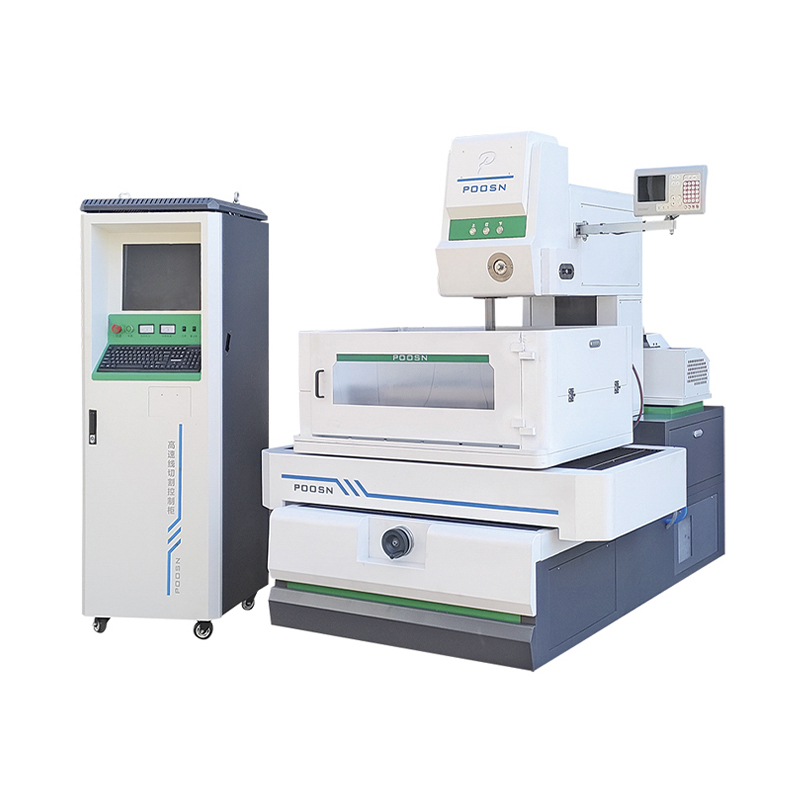
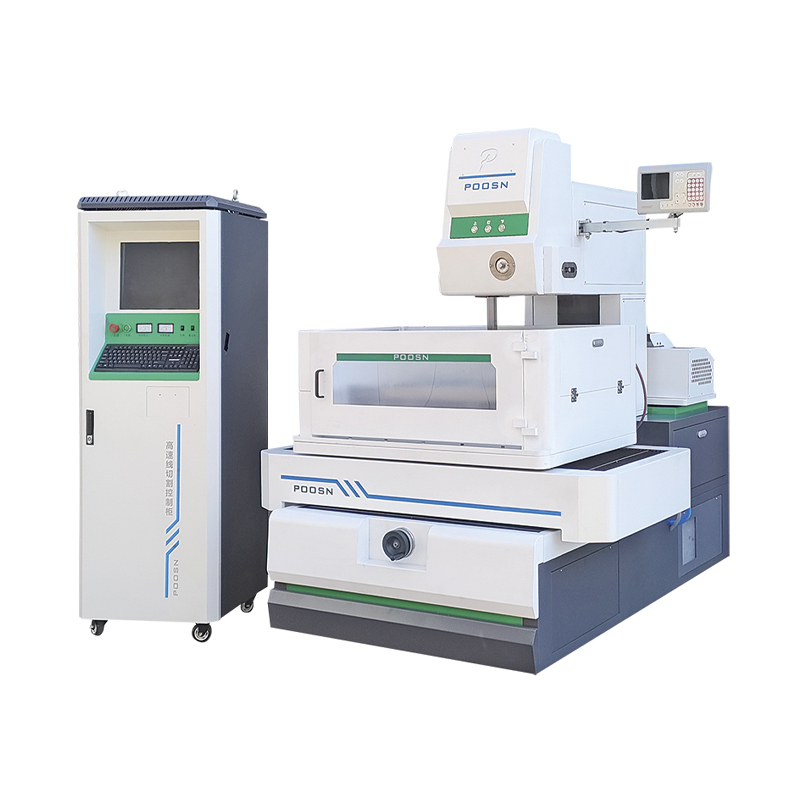
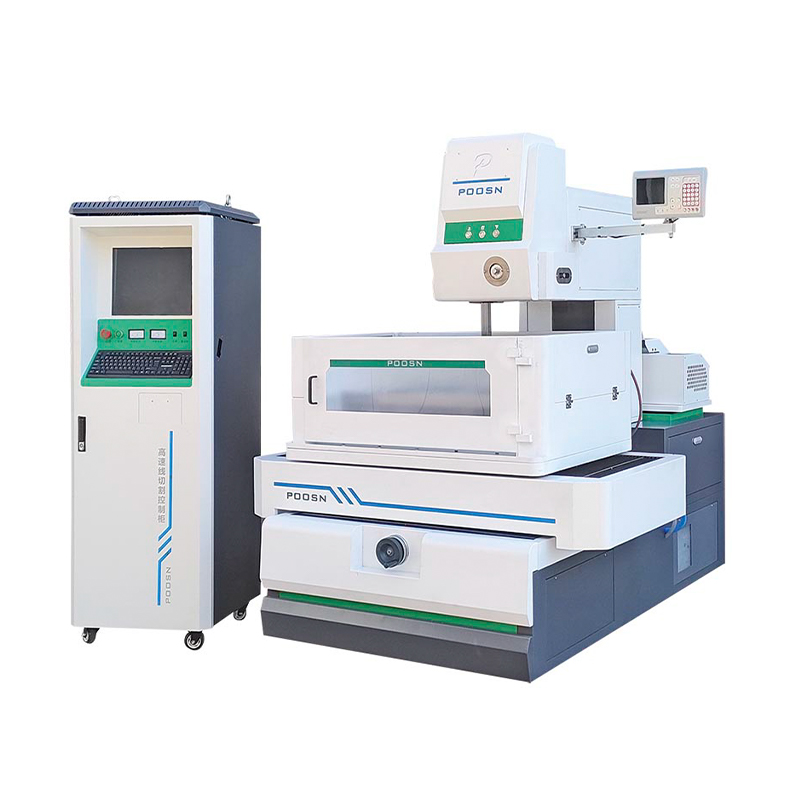
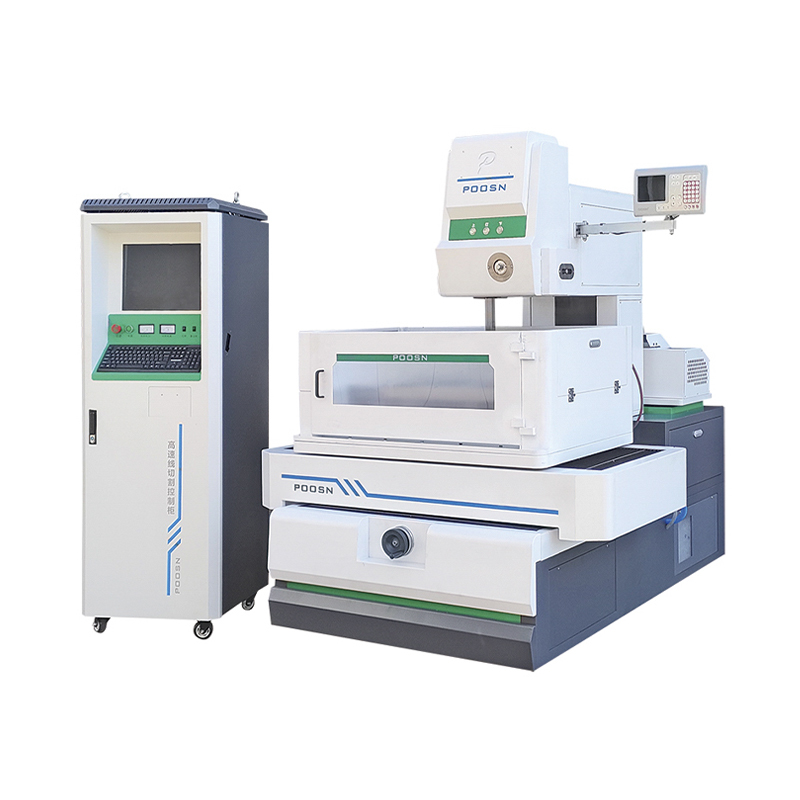
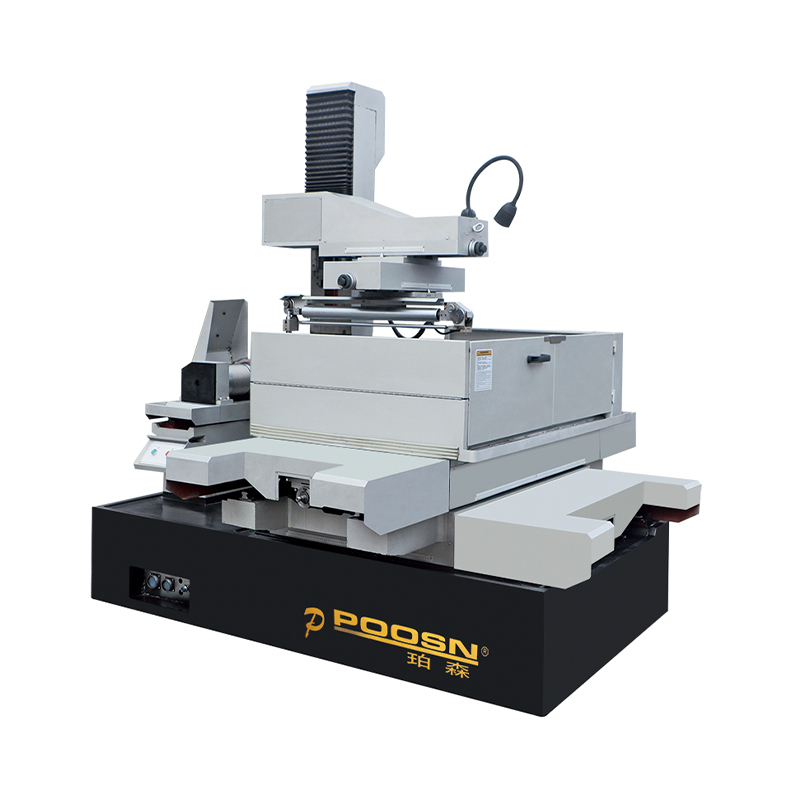
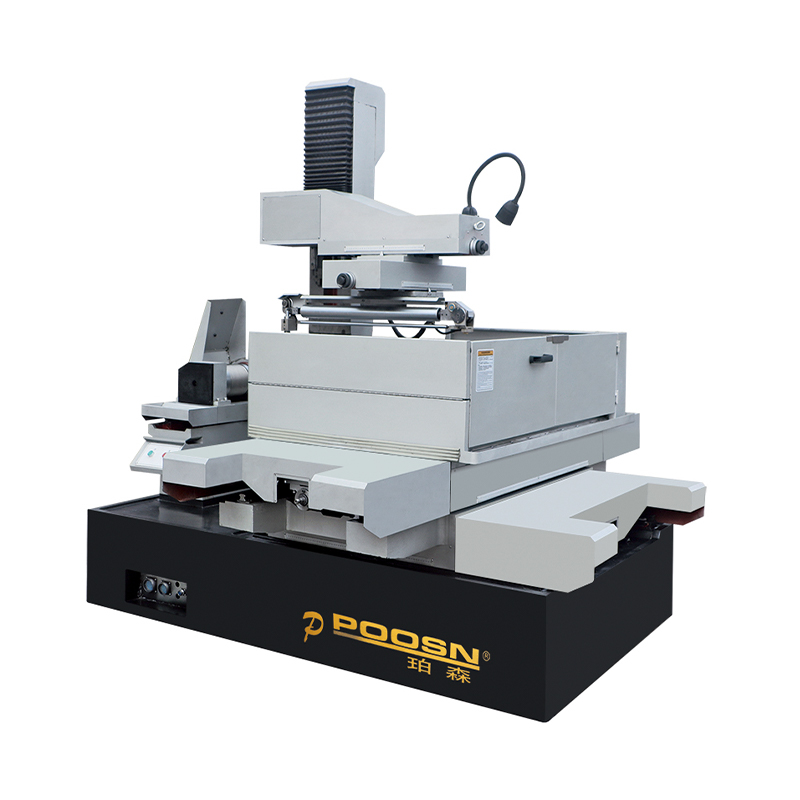
PS45C Heavy-Duty CNC Medium Speed Wire Cut EDM Machine
Content
- 1 1. Product Positioning and Core Capabilities
- 2 2. Advantages Over Conventional Medium-Speed Wire-Cut Equipment
- 3 3. Mechanical Design and Manufacturing Quality
- 4 4. Wire-Feeding and Tension-Control Technology
- 5 5. Intelligent Control and Production Management
- 6 6. Working Fluid, Filtration, and Thermal Stability
- 7 7. Application Areas
- 8 8. Technical Specification Overview
- 9 9. Manufacturing Strengths of the Equipment Supplier
- 10 10. Recommended Production Workflow
- 11 11. Q&A
- 11.1 Q1: What is the main difference between the PS45C and the PS35C?
- 11.2 Q2: What is the maximum cutting thickness of the PS45C?
- 11.3 Q3: Can the PS45C be used for high-volume production?
- 11.4 Q4: What surface finish can the machine achieve?
- 11.5 Q5: Is the PS45C suitable for taper cutting?
- 11.6 Q6: How does constant-tension control improve machining?
- 11.7 Q7: Can the machine be integrated into an automated production line?
- 11.8 Q8: What type of wire does the PS45C use?
- 11.9 Q9: What installation environment is recommended?
- 11.10 Q10: How should the machine be maintained?
- 11.11 Q11: Which industries are most suitable for the PS45C?
- 11.12 Q12: Which model should a customer choose for larger parts than the PS45C can handle?
- 12 12. Conclusion
- 13 References
- 14 Product: PS45C Heavy-Duty CNC Medium Speed Wire Cut EDM Machine
1. Product Positioning and Core Capabilities
The PS45C is a CNC medium-speed wire-cut EDM machine intended for precision machining of medium-to-large workpieces. It is especially suitable for applications requiring a combination of substantial cutting thickness, high workpiece weight, reliable dimensional control, and efficient production over extended operating cycles.
The standard PS45C configuration provides an XY travel size of approximately 450 by 600 millimeters, a worktable measuring approximately 650 by 926 millimeters, and a maximum worktable load of 400 kilograms. The maximum cutting thickness is 280 millimeters. These specifications allow the machine to process workpieces considerably larger and heavier than those normally assigned to compact medium-speed wire-cut equipment.
The machine uses four-axis linkage across the X, Y, U, and V axes. This configuration supports straight cutting as well as taper machining. The taper system uses dedicated U- and V-axis movement, linear guides, and ball-screw transmission to improve motion stability and positioning behavior during angled cutting operations.
Under suitable machining conditions and with the appropriate control cabinet configuration, the maximum cutting efficiency can reach approximately 10,000 to 16,000 square millimeters per hour. Actual performance depends on workpiece material, thickness, cutting geometry, flushing conditions, electrode wire condition, electrical parameters, and the selected control system.
The machine is capable of achieving processing accuracy of approximately 0.01 millimeter under specified test conditions. With multiple-cut strategies, the optimal surface roughness can reach Ra 1.2 micrometers or better. These capabilities make the PS45C suitable for both efficient rough cutting and subsequent finishing operations aimed at improving dimensional accuracy and surface quality.
2. Advantages Over Conventional Medium-Speed Wire-Cut Equipment
Greater Workpiece Capacity
One of the most significant advantages of the PS45C is its greater capacity compared with smaller medium-speed wire-cut EDM machines. Its 400-kilogram maximum worktable load provides additional flexibility when machining thick plates, large mold inserts, heavy punch components, and substantial mechanical parts.
The larger worktable also improves fixture flexibility. Operators can mount larger blanks, use more substantial clamping arrangements, or position multiple smaller components within a single production setup. This can reduce the number of machine setups required for batch production and improve overall equipment utilization.
Compared with the PS35C, the PS45C offers a larger working range and stronger load capacity. It is intended for medium-sized and larger components where the smaller machine may have insufficient table space or load capability. At the same time, it remains more compact and economical than equipment designed specifically for extremely large workpieces.
Improved Heavy-Duty Stability
Heavy workpieces create greater demands on the machine bed, guideways, worktable, drive system, and structural joints. The PS45C addresses these demands through a high-strength cast structure, a T-shaped bed design, aging treatment, precision guideways, and carefully matched mechanical components.
The T-shaped bed allows the worktable to move within the supporting area of the base. This structure is intended to reduce unsupported overhang and minimize deformation during long-term use. A rigid bed helps maintain geometric accuracy when the machine operates under high loads or when a workpiece is repeatedly subjected to flushing, wire movement, and thermal changes.
High-quality HT250 castings are used for the machine structure. Proper casting design provides mass, rigidity, and vibration resistance. The cast components undergo aging treatment to relieve internal stress before precision machining and assembly. This process helps reduce the risk of gradual deformation and supports longer-term stability of the machine tool.
Stable Wire Tension During Cutting
Wire tension has a direct influence on cutting accuracy, surface finish, wire vibration, and the risk of wire breakage. Traditional weight-based tension mechanisms may respond slowly when the wire tension changes during acceleration, deceleration, reversing, taper cutting, or changing cutting conditions.
The PS45C uses an adaptive constant-tension wire tightening mechanism. The system is designed to sense changes in wire behavior and adjust tension dynamically. This helps keep the electrode wire in a more consistent working condition throughout the cutting process.
Stable wire tension is particularly important when cutting thick workpieces. As cutting depth increases, flushing becomes more difficult and the wire is exposed to greater process instability. Dynamic tension control helps reduce wire vibration, taper deviation, striation, and dimensional variation. It is also valuable during taper cutting, where the wire must maintain controlled movement through a nonvertical path.
Efficient Electrical Discharge Control
The PS45C is equipped with a high-frequency pulse power supply designed to provide efficient electrical discharge machining while controlling electrode wear and surface quality. The power supply adjusts the discharge process according to factors such as material, thickness, gap conditions, and cutting stage.
During rough cutting, the system can prioritize material removal and cutting speed. During finishing passes, it can use more refined discharge parameters to reduce surface roughness and improve dimensional consistency. This division between high-efficiency roughing and controlled finishing is central to a practical multi-cut production strategy.
The pulse power system is also designed to reduce unnecessary energy consumption and electrode wire wear. Lower wire consumption can reduce consumable costs, while efficient energy use helps reduce operating expenses over the service life of the machine. The combination of optimized pulse control and stable wire tension supports reliable production without requiring excessive manual adjustment.
Reliable Taper-Cutting Performance
Many industrial parts require angled contours, draft angles, or tapered openings. The PS45C supports taper cutting through U- and V-axis movement. The taper mechanism uses precision transmission components, including linear guides and ball screws, to support stable movement and accurate positioning.
The machine specification identifies a standard U- and V-axis travel arrangement of approximately 60 by 60 millimeters and a maximum cutting taper of approximately plus or minus 6 degrees over 80 millimeters. The actual taper capability may vary according to workpiece thickness, geometry, wire condition, and process parameters.
Compared with taper systems based on less rigid or less precise mechanisms, the PS45C configuration provides better support for repeatable angular machining. This is useful in mold components, punch and die sets, sloped inserts, precision mechanical parts, and components requiring controlled sidewall geometry.
3. Mechanical Design and Manufacturing Quality
High-Rigidity Machine Structure
Machining accuracy depends not only on the control system but also on the mechanical foundation of the machine. A rigid structure reduces unwanted movement caused by vibration, wire reaction forces, table acceleration, and workpiece loading. The PS45C uses resin sand castings and a robust machine architecture to establish a stable foundation for precision movement.
The casting process is important because the quality of the raw machine structure affects every later machining and assembly operation. A carefully designed casting must balance rigidity, weight distribution, vibration absorption, and accessibility for machining and maintenance. After casting, aging treatment helps release internal stresses that could otherwise lead to movement or distortion over time.
Following casting and aging, the machine components are precision machined and inspected. Guideway surfaces, mounting faces, screw supports, and table reference points must be manufactured to controlled tolerances so that the final machine can maintain alignment across its operating range.
Precision Guideways and Ball Screws
The PS45C uses high-precision linear guides and ball screws in the primary motion system. Linear guideways provide smooth and controlled movement with low friction, while ball screws convert motor rotation into precise linear travel. These components contribute to repeatability, positioning accuracy, and stable performance during both rough and finishing cuts.
The taper axes also use linear guides and ball screws. This is important because taper cutting requires coordinated movement between the main cutting axes and the upper wire guide. Any looseness, backlash, or irregular movement in the taper mechanism can directly affect the shape and accuracy of the finished part.
Imported bearings, including Japanese EZO bearings, are used in the motion mechanisms. High-quality bearings help reduce rotational resistance, improve running smoothness, and support long-term mechanical reliability. Correct bearing installation, lubrication, preload, and inspection are also essential parts of the manufacturing process.
Position Monitoring and Accuracy Compensation
The worktable is equipped with a grating scale for real-time full-stroke position monitoring. This provides the control system with feedback on actual table position rather than relying only on motor rotation or calculated movement. Feedback-based control helps detect and correct deviations during operation.
Pitch error compensation is incorporated into the machine’s precision control approach. Even high-quality screws and guideways can contain small pitch variations across their travel range. Compensation data can be used by the CNC system to reduce the impact of these errors and improve dimensional consistency over the entire working area.
The use of servo systems is available as an option for the XY axes. Compared with basic stepper drives, AC servo drives can provide faster response, improved feedback, and better performance during complex or rapidly changing motion. Servo control is particularly useful for high-volume production, multi-cut operations, and demanding contour work.
4. Wire-Feeding and Tension-Control Technology
High-Speed Wire Movement with Controlled Stability
The PS45C uses a frequency-controlled wire-feed system with a wire-feed speed range of approximately 1 to 11 meters per second. This range allows operators to balance cutting efficiency, wire consumption, surface quality, and process stability according to the workpiece and machining stage.
The wire storage length is approximately 320 meters under the specified configuration. A practical wire-feeding system must provide not only adequate speed but also stable transport, reliable reversing, controlled tension, and minimal vibration. Irregular wire movement can produce visible marks on the workpiece, affect accuracy, and increase the risk of wire breakage.
Automatic Double-Sided Tightening
The automatic double-sided tightening mechanism helps prevent one-sided loosening of the electrode wire. By maintaining balanced tension on both sides of the working zone, the system reduces wire vibration and supports more consistent machining behavior.
This arrangement is especially useful during reversing operations and long cutting cycles. When the wire direction changes repeatedly, uneven tension can cause the wire to oscillate or deviate from the intended path. Double-sided tightening helps reduce this effect and contributes to more stable surface quality.
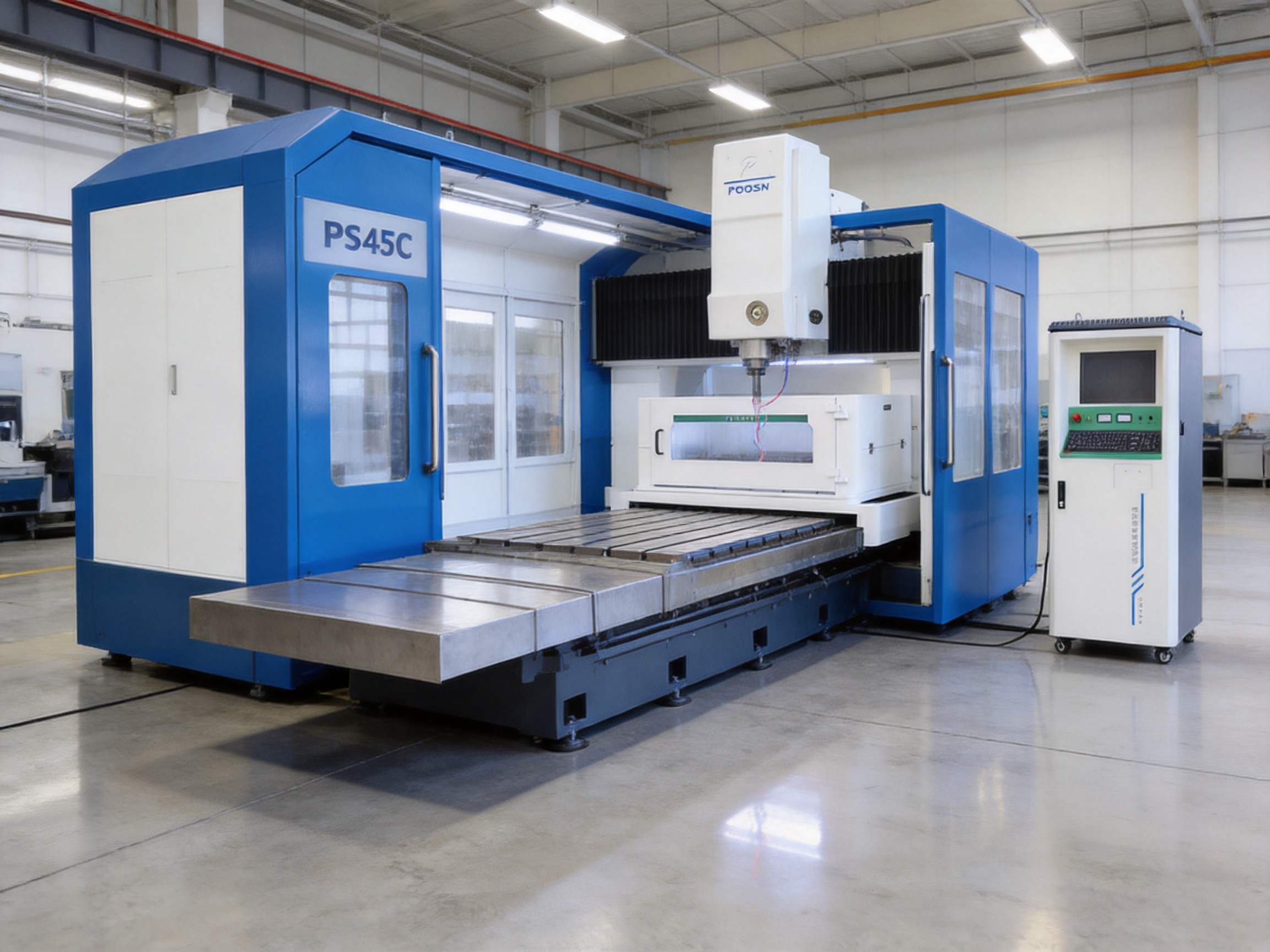
Gemstone Guide Wheels
The machine uses a waterproof gemstone guide wheel with an approximate diameter of 40 millimeters. The guide wheel is designed to provide accurate wire guidance, easy threading, and long service life. A high-quality guide wheel reduces unnecessary friction and helps maintain a consistent wire path.
The liftable gem wire guide is another practical feature. It allows the wire guide to move closer to the workpiece surface during machining, reducing the free length of wire and limiting vibration. A shorter unsupported wire span can improve cutting accuracy and surface finish, particularly when processing thick workpieces or detailed contours.
The adjustable guide arrangement also allows operators to change the cutting-height range without completely rethreading the wire. This reduces setup time and improves convenience when workpiece conditions change during production.
Automatic Threading and Operator Safety
One-touch motorized automatic threading simplifies the preparation of the machine for a new cutting operation. Automatic threading reduces manual labor, shortens setup time, and lowers the risk of operator contact with moving or tensioned wire.
Automation at this level is valuable in production environments where the machine may process multiple workpieces per shift. It also helps standardize the threading procedure between operators, reducing differences caused by manual technique.
5. Intelligent Control and Production Management
Industrial CNC Control
The PS45C uses an industrial control computer and an X8 or AUTOCUT control system. The control architecture is intended for stable long-duration operation and practical production use. Industrial hardware is selected to withstand the operating conditions of a machine tool, including vibration, electrical noise, temperature variation, and continuous duty.
The control system supports the generation and execution of G-code programs. It also provides interfaces such as LAN and USB for data exchange. These functions make it easier to transfer programs, manage machining data, back up files, and connect the EDM machine with broader production-management procedures.
Programming functions are designed to simplify the preparation of wire-cut paths. Operators can define contours, offsets, taper conditions, cutting sequences, and multiple passes. Simplified programming reduces preparation time and helps limit errors when a job contains complex profiles or multiple finishing requirements.
Servo Response and Multi-Cut Machining
The use of imported AC servo systems, available according to configuration, improves the response of the machine during coordinated movement. Rapid feedback enables the control system to detect position changes and respond more accurately to programmed commands.
Multi-cut machining is a major advantage of the PS45C. A typical process may begin with a high-efficiency rough cut that removes most of the material. Subsequent skim cuts then improve dimensional accuracy, sidewall quality, and surface roughness. This approach allows the machine to combine productivity with precision rather than forcing a compromise between the two.
For stamping dies, carbide components, precision inserts, and high-tolerance molds, multi-cut machining can reduce the need for manual polishing or additional corrective work. The result may be shorter total production time, more consistent part quality, and improved fit between mating components.
Control Cabinet Options
The PS45C can be supplied with different control cabinet configurations. The selected control cabinet affects available cutting performance, processing efficiency, software functions, and production features. The stated maximum cutting efficiency of 10,000 to 16,000 square millimeters per hour is associated with the relevant control cabinet selection and actual process conditions.
This configuration flexibility allows customers to choose a control level appropriate to their production requirements. A manufacturer producing occasional precision components may prioritize cost-effective control functions, while a high-volume mold producer may require faster processing, advanced automation, and more sophisticated cutting strategies.
6. Working Fluid, Filtration, and Thermal Stability
High-Pressure Flushing
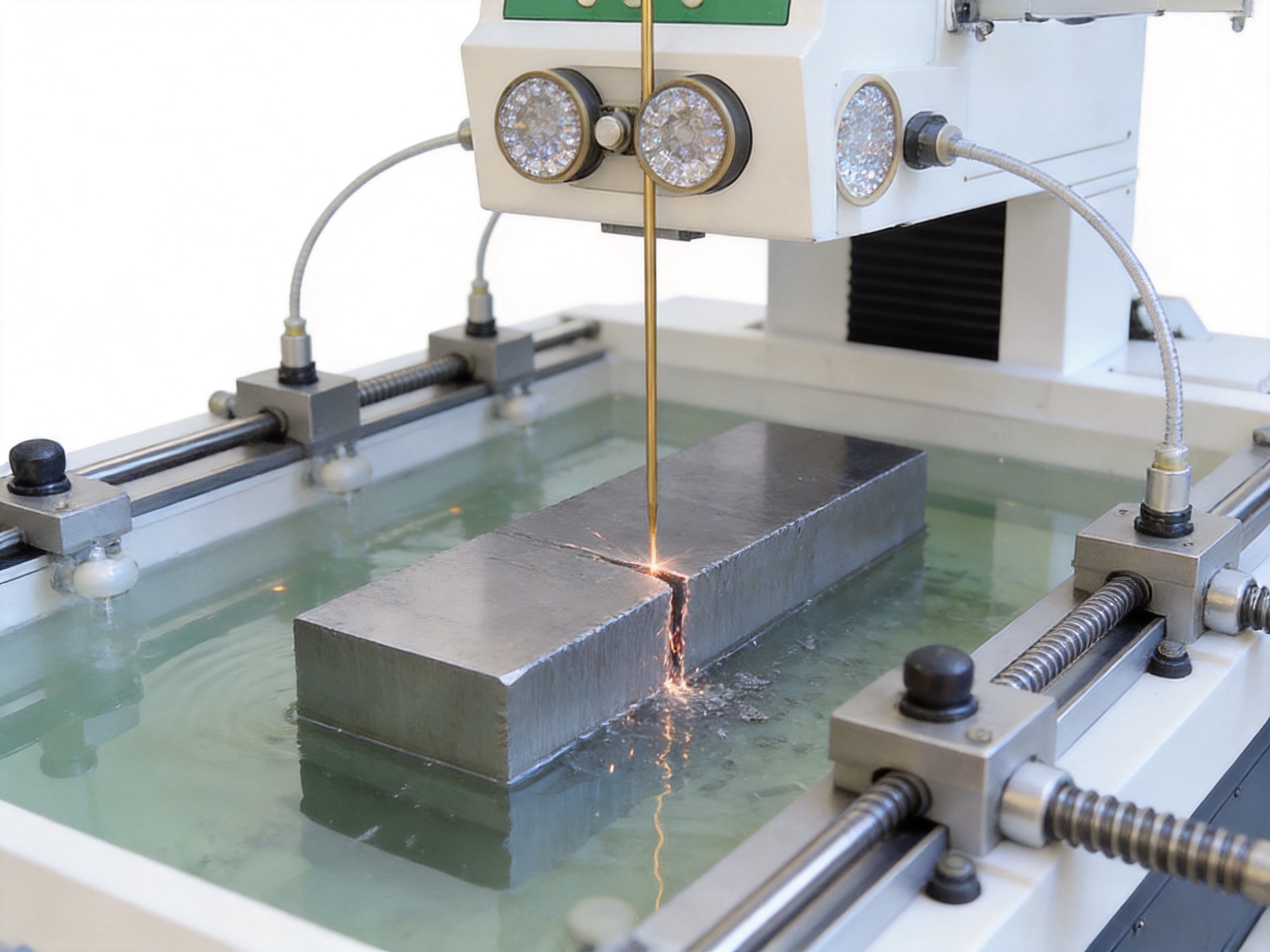
Effective flushing is essential in wire EDM because the cutting process generates eroded particles inside the machining gap. If these particles are not removed efficiently, they can cause unstable discharges, secondary sparking, short circuits, slower cutting, and poor surface quality.
The PS45C uses automatic tracking water spraying during the cutting process. The flushing system directs working fluid toward the cutting zone to support debris removal and maintain a clean discharge environment. High-pressure delivery is especially important when machining thick workpieces, deep profiles, and narrow or enclosed contours.
Improved flushing helps the machine maintain cutting efficiency over long operations. It also supports better temperature control around the workpiece. Stable thermal conditions reduce dimensional changes caused by heat accumulation and help maintain consistent results between roughing and finishing passes.
Filtration System
The specified fluid tank capacity is approximately 80 liters, with paper-core filtration used to remove suspended particles from the working fluid. Effective filtration protects the pump, valves, nozzles, and discharge zone while helping maintain fluid quality.
Filter maintenance is an important part of machine operation. Operators should monitor fluid cleanliness, replace filter elements at suitable intervals, check flow pressure, and keep the tank free from excessive sediment. Proper maintenance improves cutting stability and extends the service life of fluid-circulation components.
Environmental and Energy Considerations
The PS45C is designed around efficient electrical discharge and controlled working-fluid circulation. Optimized power use can reduce operating costs, particularly when the machine is used for extended production schedules. Lower wire consumption and reduced rework also contribute to improved overall resource efficiency.
Although the machine is designed for industrial service, the installation environment remains important. For the highest accuracy, the machine should be installed in a relatively clean, low-vibration, temperature-controlled area. Stable ambient conditions help reduce thermal expansion and contraction of the machine structure and workpiece.
7. Application Areas
Mold Manufacturing
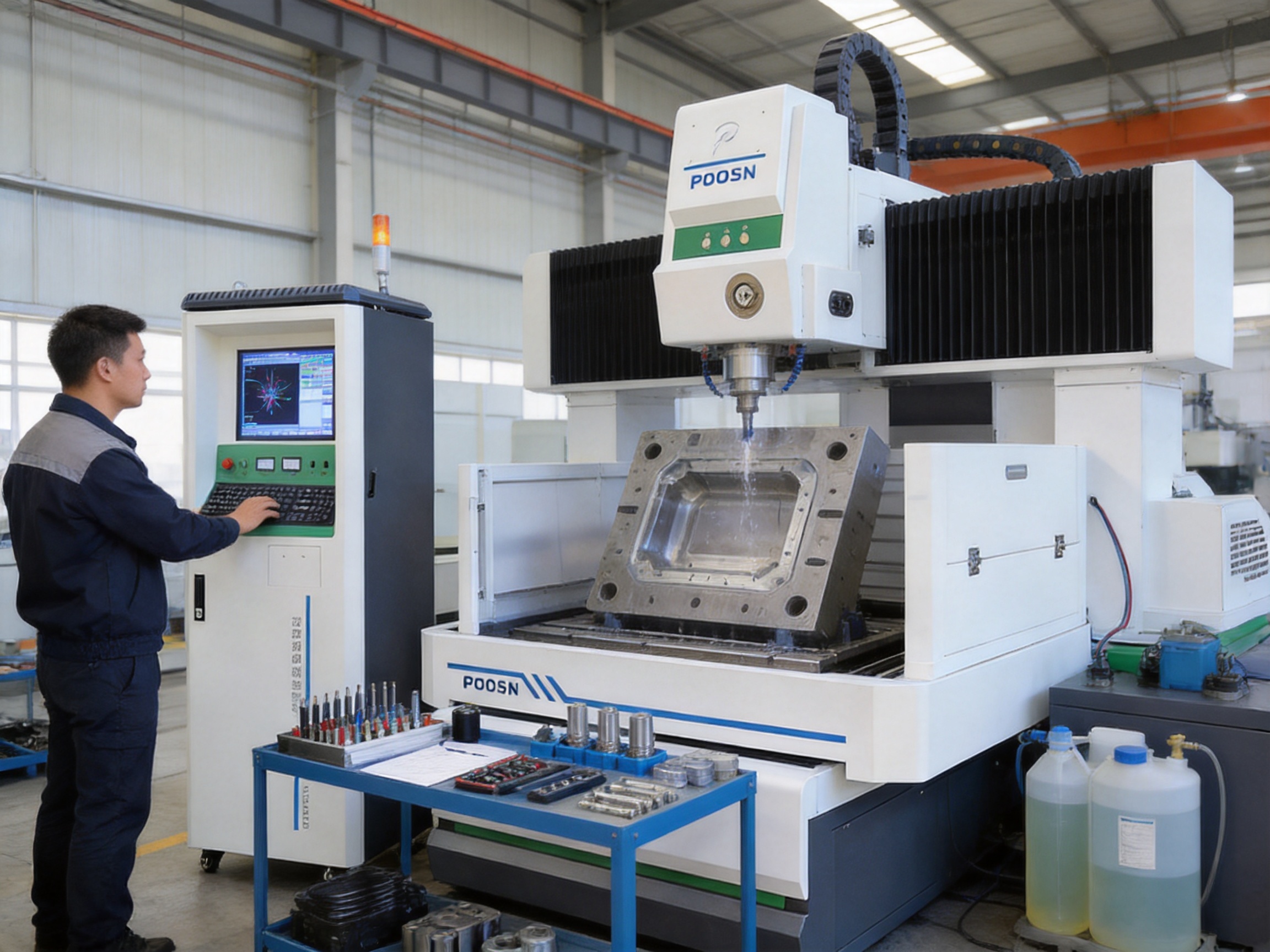
The PS45C is well suited to mold manufacturing because molds often combine thick materials, complex profiles, high dimensional requirements, and the need for excellent mating accuracy. The machine can cut mold inserts, core components, punch and die elements, guide components, and other precision features.
Large or thick mold components benefit from the machine’s 280-millimeter maximum cutting thickness and 400-kilogram worktable load. The constant-tension wire system helps maintain cutting stability through thick sections, while multi-cut machining supports high-quality finishing.
Precision Stamping Dies
Stamping dies require accurate profiles, reliable clearances, and consistent surface quality. The PS45C can process hardened tool steels and other difficult materials that are challenging to machine using conventional cutting methods.
Wire EDM does not apply direct mechanical cutting forces to the workpiece in the same way as milling or turning. This makes it suitable for delicate profiles, narrow slots, intricate contours, and hardened components. Multi-cut strategies can improve the fit between punch and die surfaces, helping manufacturers reduce trial-and-adjustment work.
Heavy Machinery Components
Heavy machinery manufacturers often produce parts with substantial dimensions and high material hardness. The PS45C provides a useful combination of worktable area, load capacity, cutting thickness, and structural rigidity for these applications.
Potential workpieces include mechanical brackets, wear-resistant components, industrial tooling, large keyways, structural inserts, and custom machine elements. The machine’s stable table and rigid bed help maintain accuracy when heavy components are mounted and processed over long cycles.
Aerospace Components
Aerospace parts require high reliability, controlled dimensional accuracy, and careful processing of specialized materials. Wire EDM can be used for complex contours, precision slots, small internal features, and components made from hard or difficult-to-cut alloys.
The PS45C’s controlled wire tension, feedback-based position monitoring, multi-cut capability, and stable discharge system support the production of components where repeatability is important. Aerospace users must still establish qualified process parameters and inspection procedures for each material and part specification.
Medical and Precision Hardware
The machine can also support the production of precision hardware, tooling, medical device components, and high-quality prototypes. Applications may require controlled surface finish, detailed shapes, and minimal distortion. The machine’s finishing capability and stable wire movement are beneficial in these cases.
8. Technical Specification Overview
| Parameter | PS45C Specification |
| Machine Type | CNC medium-speed wire-cut EDM machine |
| Worktable Size | Approximately 650 × 926 millimeters |
| XY Travel | Approximately 450 × 600 millimeters |
| Maximum Cutting Thickness | 280 millimeters |
| Maximum Worktable Load | 400 kilograms |
| UV Travel | Approximately 60 × 60 millimeters |
| Maximum Cutting Taper | Approximately ±6 degrees per 80 millimeters |
| Electrode Wire Diameter | Approximately 0.18 millimeter with wire guide |
| Wire Feed Speed | Approximately 1–11 meters per second, frequency controlled |
| Maximum Wire Storage Length | Approximately 320 meters |
| Fluid Tank Capacity | Approximately 80 liters |
| Filtration Method | Paper-core filter |
| Processing Accuracy | Approximately 0.01 millimeter under specified test conditions |
| Maximum Cutting Efficiency | Approximately 10,000–16,000 square millimeters per hour |
| Optimal Surface Roughness | Ra ≤ 1.2 micrometers with multiple cutting |
| Controlled Axes | X, Y, U, and V four-axis linkage |
| XY Drive | Standard stepper drive; AC servo drive optional |
| Taper Drive | U/V stepper drive |
| Programming System | X8 or AUTOCUT control system |
| Electrical Capacity | Approximately 2.5 kVA |
| Power Supply | Three-phase 380 V ±10 percent |
| Approximate Machine Weight | 2,000 kilograms |
| Approximate Machine Dimensions | 2,010 × 1,655 × 2,010 millimeters |
Specifications may vary according to the selected control cabinet, drive system, optional accessories, and customer configuration. Before ordering, users should confirm final machine dimensions, electrical requirements, installation conditions, maximum workpiece geometry, and automation functions with the manufacturer.
9. Manufacturing Strengths of the Equipment Supplier
Long-Term EDM Specialization
Taizhou Xinchengyang Machinery Manufacturing Co., Ltd. has specialized in electrical discharge wire cutting since 1999. The company’s POOSN brand was established in 2003, and its development has focused on practical EDM engineering, machine-tool production, process improvement, and customer support.
Long-term specialization provides several advantages. EDM performance depends on the interaction of mechanical precision, pulse power, wire transport, fluid circulation, CNC control, and operator experience. A manufacturer dedicated to this field can develop deeper knowledge of these connected systems than a general machine-tool supplier with limited EDM experience.
Integrated Product Development
The company’s product portfolio includes PS-C and DK77-BC medium-speed wire-cut EDM machines, DK77-A and DK77-B high-speed wire-cut machines, and DK77-D large-taper wire-cut machines. This range indicates experience across different wire EDM requirements, including standard production, high-speed cutting, heavy workpieces, and large taper applications.
Product development includes mechanical design, electrical control, wire-feed mechanisms, guide systems, power supply integration, and CNC programming functions. This integrated approach makes it possible to coordinate individual subsystems rather than treating the machine as a collection of unrelated purchased components.
Factory and Quality-Control Capabilities
The company operates its own manufacturing facility and uses advanced processing equipment and comprehensive testing methods. Machine tools undergo positioning accuracy testing before delivery. Inspection of this type is essential for verifying motion performance and ensuring that the machine meets its intended precision level.
Manufacturing quality depends on more than final inspection. It also requires controlled casting, stress relief, precision machining, proper component assembly, electrical testing, software verification, and cutting trials. The PS45C’s design reflects this full manufacturing chain, from the HT250 casting and aging treatment to guideway installation, grating-scale feedback, and final performance validation.
Technical Support and Customization
The supplier offers professional technical support intended to maintain equipment stability over the long term. Support may include installation guidance, operating instruction, process recommendations, troubleshooting, maintenance advice, and assistance with application-specific configuration.
Customization is available for customers with special production requirements. Possible areas include expanded worktables, increased cutting depth, upgraded control cabinets, automation integration, different wire-control arrangements, AC servo drives, and specialized cutting modes. Customization should be evaluated according to workpiece size, production volume, material, accuracy target, surface-finish requirement, and available factory space.
10. Recommended Production Workflow
A successful PS45C application begins with accurate workpiece preparation. The workpiece should be securely clamped, correctly aligned, and supported so that internal stress or movement does not affect cutting accuracy. Heavy components should be loaded using suitable lifting equipment and fixtures rated for the required weight.
The next stage is program preparation. The operator or programming engineer defines the contour, cutting direction, offsets, lead-in and lead-out positions, taper values, and number of cutting passes. For precision molds and dies, it is generally beneficial to plan a rough cut followed by one or more finishing cuts.
Before cutting begins, the working fluid level, filter condition, pump operation, nozzle position, wire path, and guide-wheel condition should be checked. Proper alignment between the upper and lower guides is essential for stable machining. The automatic threading system can then be used to prepare the electrode wire.
During rough cutting, the machine should be monitored for stable discharge, adequate flushing, normal wire tension, and appropriate cutting speed. If the workpiece is exceptionally thick or the profile restricts fluid flow, process parameters may need to be adjusted to avoid short circuits or reduced efficiency.
After rough cutting, the part can be inspected before finishing passes are performed. This allows the operator to confirm that the workpiece remains securely mounted and that the rough profile is within the expected allowance. Finishing passes should use suitable electrical and motion parameters to achieve the required accuracy and surface roughness.
At the end of the operation, operators should clean the work zone, inspect the wire guides, check the fluid condition, and record relevant production data. Preventive maintenance and accurate process records help maintain repeatability between batches.
11. Q&A
Q1: What is the main difference between the PS45C and the PS35C?
The PS45C provides a larger working range, a larger worktable, and a higher maximum load capacity. It is designed for medium-to-large parts and heavier production tasks. The PS35C is more suitable for smaller parts and small-to-medium batch production where compact dimensions and efficient precision cutting are the primary priorities.
Q2: What is the maximum cutting thickness of the PS45C?
The specified maximum cutting thickness is approximately 280 millimeters. Actual results depend on material type, workpiece geometry, flushing conditions, wire condition, electrical parameters, and the required accuracy and surface finish.
Q3: Can the PS45C be used for high-volume production?
Yes. The machine is designed to support production use through its high cutting efficiency, stable wire-feeding system, automatic threading, programmable multi-cut functions, and optional AC servo drives. Production performance depends on part geometry, material, loading method, programming strategy, and the selected control cabinet.
Q4: What surface finish can the machine achieve?
With multiple cutting and suitable process parameters, the stated optimal surface roughness can reach Ra 1.2 micrometers or better. The final result depends on workpiece material, thickness, electrical settings, wire stability, flushing, and the number of finishing passes.
Q5: Is the PS45C suitable for taper cutting?
Yes. The machine includes four-axis X, Y, U, and V linkage and a dedicated taper mechanism. The specified maximum taper is approximately ±6 degrees per 80 millimeters, subject to workpiece thickness, profile, wire conditions, and process requirements.
Q6: How does constant-tension control improve machining?
Constant-tension control reduces fluctuations in electrode wire tension during cutting. This helps limit wire vibration, improve dimensional consistency, reduce surface marks, and lower the possibility of wire breakage. The benefits are especially noticeable during thick-section machining, reversing operations, and taper cutting.
Q7: Can the machine be integrated into an automated production line?
Yes. The PS45C supports a degree of automation and can be configured with automatic threading, programmable control, data-transfer interfaces, and optional equipment integration. The precise automation scope should be defined according to the customer’s loading, unloading, inspection, and production-line requirements.
Q8: What type of wire does the PS45C use?
The stated configuration uses an electrode wire with an approximate diameter of 0.18 millimeter and a wire guide. Users should confirm the recommended wire specification, consumable requirements, and process parameters with the manufacturer for the selected machine configuration.
Q9: What installation environment is recommended?
A clean, low-vibration, temperature-controlled environment is recommended when high precision is required. The installation area should provide sufficient space for operation, maintenance, workpiece loading, fluid-system access, electrical connection, and safe material handling.
Q10: How should the machine be maintained?
Routine maintenance should include checking the wire guides, guide wheels, bearings, ball screws, linear guides, fluid level, filter condition, pumps, nozzles, electrical cabinet, and machine alignment. Operators should also remove accumulated debris, inspect the wire path, and follow the manufacturer’s recommended lubrication and replacement schedule.
Q11: Which industries are most suitable for the PS45C?
The machine is suitable for mold manufacturing, stamping-die production, precision machinery, heavy machinery components, aerospace parts, medical hardware, and other applications requiring accurate cutting of hard, thick, or complex materials.
Q12: Which model should a customer choose for larger parts than the PS45C can handle?
The PS50C and PS60C are designed for larger workpieces and higher load capacities. The PS50C provides a maximum load of approximately 600 kilograms, while the PS60C provides a maximum load of approximately 800 kilograms under the listed configurations. Customers should select the model based on workpiece size, weight, cutting thickness, production volume, and factory layout.
12. Conclusion
The PS45C heavy-duty CNC medium-speed wire-cut EDM machine is designed for manufacturers that need more capacity and stability than a compact wire-cut machine can provide. Its 400-kilogram worktable load, 280-millimeter cutting thickness, expanded working range, four-axis taper capability, and cutting efficiency of up to approximately 16,000 square millimeters per hour make it a strong option for demanding industrial applications.
Its competitive advantages are based on the coordinated design of multiple systems. The rigid HT250 casting and T-shaped bed provide a stable mechanical foundation. Linear guides, ball screws, grating-scale feedback, and optional AC servo drives support accurate motion. The adaptive constant-tension mechanism and double-sided tightening system help stabilize the electrode wire. The high-frequency pulse power supply, high-pressure flushing, and filtration system support efficient and consistent discharge machining.
For customers, the value of the PS45C extends beyond its published specifications. A reliable EDM machine should maintain performance across long production cycles, reduce manual adjustment, support repeatable multi-cut processes, and allow future expansion through automation and control-system options. The PS45C is designed with these practical manufacturing objectives in mind.
Backed by long-term specialization in EDM technology, in-house manufacturing capabilities, product testing, customization services, and technical support, Taizhou Xinchengyang Machinery Manufacturing Co., Ltd. provides a complete equipment solution for precision wire-cutting applications. For mold makers, heavy machinery producers, aerospace suppliers, and precision-component manufacturers, the PS45C offers a balanced combination of capacity, accuracy, production efficiency, and long-term operating stability.
References
1. Taizhou Xinchengyang Machinery Manufacturing Co., Ltd., PS45C Medium-Speed Wire-Cut EDM Machine Product Materials.
2. Taizhou Xinchengyang Machinery Manufacturing Co., Ltd., PS-C Series Medium-Speed Wire-Cut EDM Technical Specifications.
3. International Electrotechnical Commission, Electrical Discharge Machining Process and Equipment Terminology.
4. Society of Manufacturing Engineers, Wire Electrical Discharge Machining Principles and Applications.
5. Manufacturing Engineering Reference Materials, CNC Motion Control, Linear Guideways, and Ball-Screw Systems.
6. Precision Machining Reference Materials, EDM Pulse Control, Flushing, Electrode Wear, and Multi-Cut Processing.
Product: PS45C Heavy-Duty CNC Medium Speed Wire Cut EDM Machine

-
Phone
+86-0523-86268788 +86-13815960366 +86-13912191163Email
[email protected]Address
No. 366, Yusheng Road Jiulong Town, Hailing District Taizhou City, China
Copyright © Taizhou Xinchengyang Machinery Manufacturing Co., Ltd. All Rights Reserved.
Custom edm machine for sale
wholesale edm machine manufacturers
