

 English
 русский
 عربى


Zhou Meiling — Technical Sales Consultant
Home / Author / Zhou Meiling — Technical Sales Consultant / DK-7735 CNC High-Speed Wire EDM Machine: Precision, Productivity, and Large-Workpiece Capability
DK-7735 CNC High-Speed Wire EDM Machine: Precision, Productivity, and Large-Workpiece Capability
2026-10-20
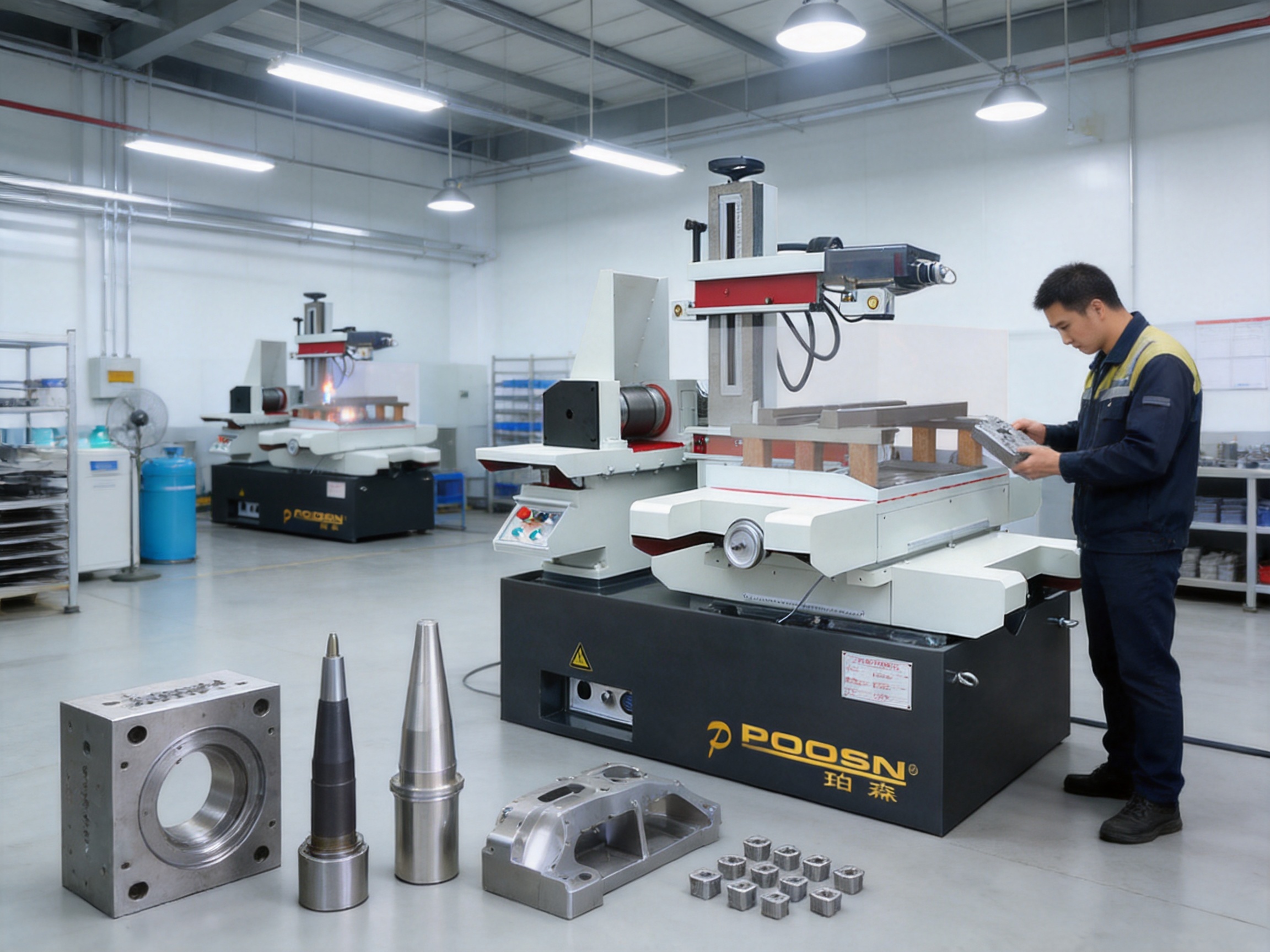
Modern manufacturers increasingly require machining equipment that can combine dimensional accuracy, stable long-duration operation, rapid cutting, and the flexibility to process increasingly complex workpieces. These requirements are especially demanding in mold manufacturing, automotive components, aerospace structures, precision machinery, and high-volume production. A wire-cut electrical discharge machining system must therefore deliver more than basic contour cutting. It must maintain stable wire movement, consistent electrical discharge, reliable positioning, effective dielectric circulation, and dependable performance across different material thicknesses.
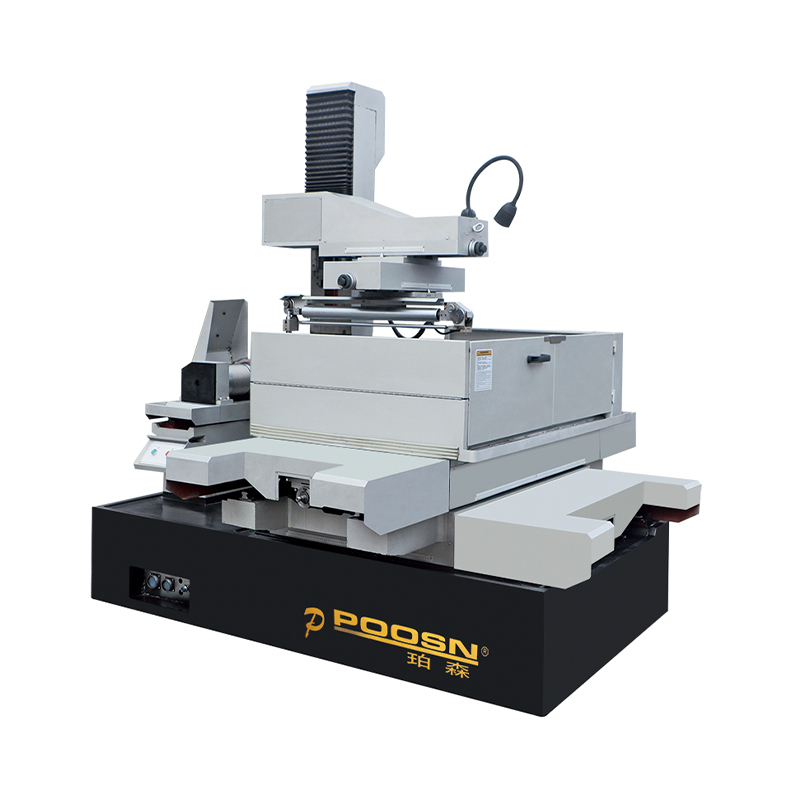
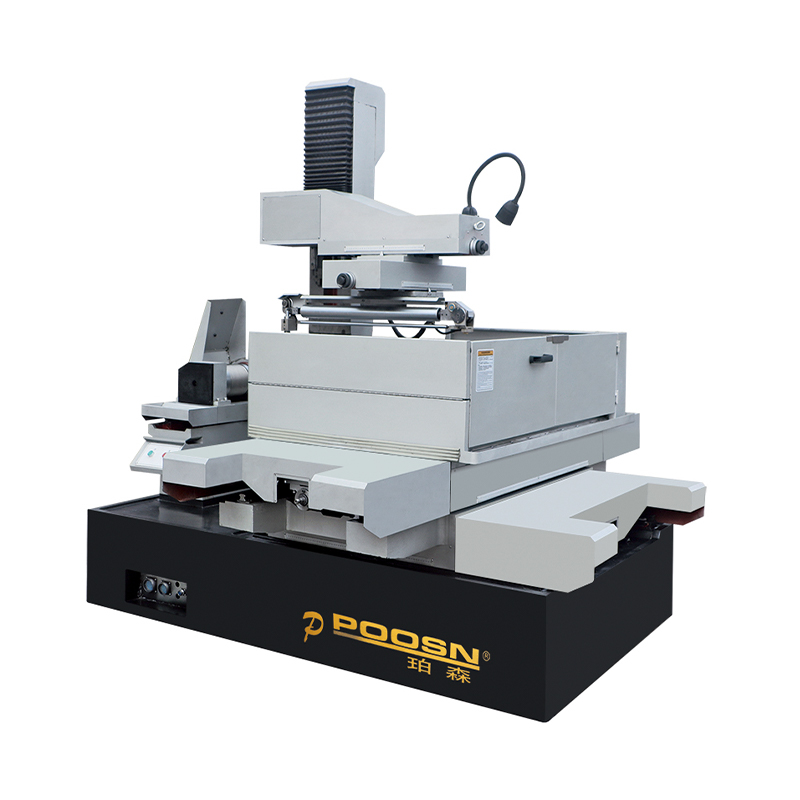
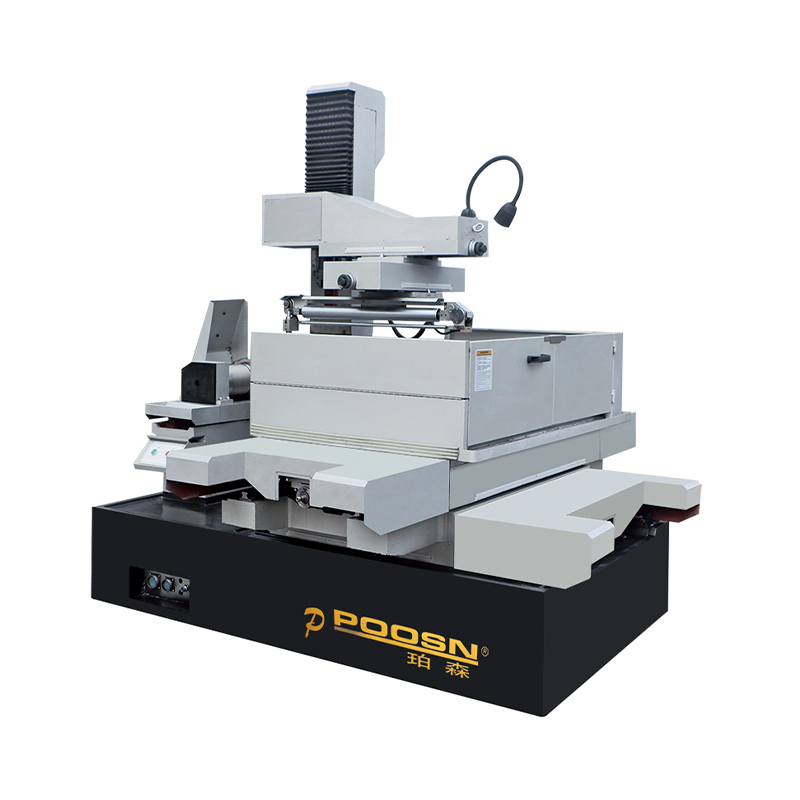
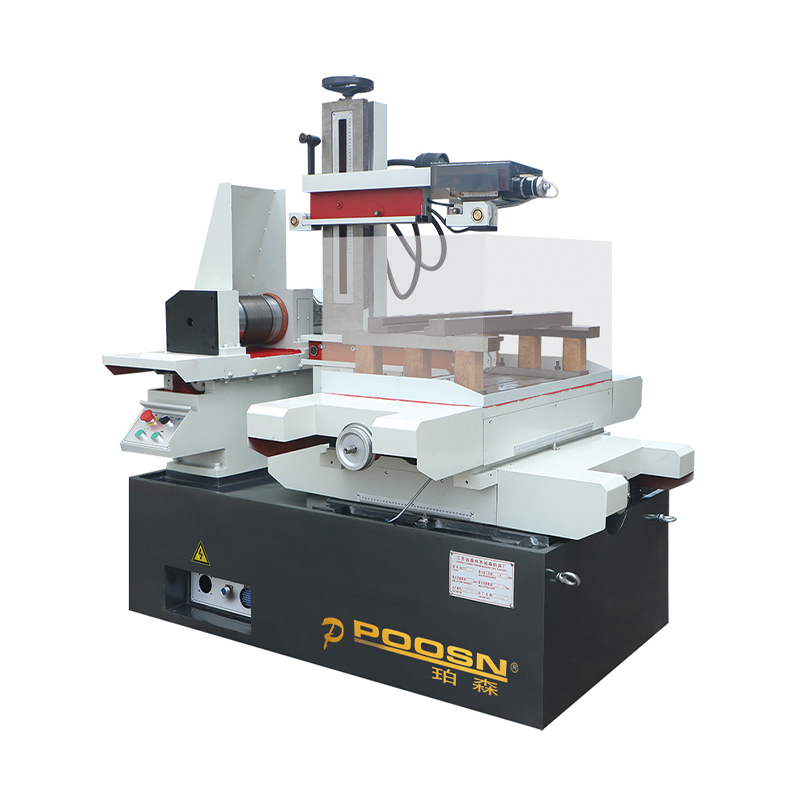
The DK-7735 CNC High-Speed Wire EDM Machine is designed to address these requirements through a four-axis linkage architecture, a relatively large machining envelope, a maximum worktable load of 300 kg, and a high cutting efficiency of up to 16,000 mm²/h, depending on the selected control cabinet and machining conditions. Its X-axis travel is 350 mm, while its Y-axis travel is 450 mm, giving manufacturers greater flexibility when processing medium-sized components, larger molds, and workpieces that would be difficult to accommodate on smaller high-speed wire-cut EDM machines.
As part of a broader high-speed WEDM platform, the DK-7735 combines robust mechanical construction with digital control, precision transmission, automatic parameter adjustment, and four-axis simultaneous movement. It is suitable for steel, stainless steel, aluminum, copper, and other electrically conductive materials. The machine can support both individual precision work and repeated production, helping manufacturers balance accuracy, throughput, operating cost, and equipment utilization.
Content
- 1 1. The Role of High-Speed Wire-Cut EDM in Precision Manufacturing
- 2 2. Product Positioning and Main Capabilities
- 3 3. Reinforced Mechanical Construction for Stable Machining
- 4 4. Four-Axis Linkage and Complex Profile Processing
- 5 5. High-Efficiency Digital Discharge Control
- 6 6. Precision Transmission and Positioning Performance
- 7 7. Wire Transport, Tension Control, and Breakage Reduction
- 8 8. Dielectric Filtration and Thermal Management
- 9 9. Productivity Advantages for Mass Production
- 10 10. Application Areas
- 11 11. Advantages Compared with Smaller or Less Integrated Competitors
- 12 12. Manufacturing Strength and Quality Assurance
- 13 13. Customization and Technical Support
- 14 14. Installation, Operation, and Maintenance Considerations
- 15 15. Selecting the Correct Model for a Production Requirement
- 16 16. Frequently Asked Questions
- 16.1 Q1: What are the main dimensions of the DK-7735 machining area?
- 16.2 Q2: What is the maximum workpiece load?
- 16.3 Q3: Can the DK-7735 cut thick workpieces?
- 16.4 Q4: What is the maximum cutting efficiency?
- 16.5 Q5: Does the machine support taper cutting?
- 16.6 Q6: What materials can be processed?
- 16.7 Q7: What surface roughness can be achieved?
- 16.8 Q8: Which control cabinet options are available?
- 16.9 Q9: Is the DK-7735 suitable for mass production?
- 16.10 Q10: How can the machine maintain accuracy during long machining cycles?
- 16.11 Q11: What operating environment is recommended?
- 16.12 Q12: Does the manufacturer provide customization and technical support?
- 17 17. Conclusion
- 18 References
- 19 Product: DK-7735 CNC High-Speed Wire EDM Machine (4-Axis, 300kg Load)
1. The Role of High-Speed Wire-Cut EDM in Precision Manufacturing
Wire-cut electrical discharge machining removes material through controlled electrical sparks between a continuously moving wire electrode and an electrically conductive workpiece. Unlike conventional milling, turning, or grinding, the process does not depend on direct mechanical contact between a cutting tool and the workpiece. This makes wire EDM particularly valuable for hardened materials, narrow slots, delicate profiles, fine internal contours, and geometries that are difficult to produce with conventional cutting tools.
During machining, the workpiece is immersed or flushed with dielectric fluid while a thin wire travels through the cutting zone. A controlled pulse generator creates a discharge gap between the wire and the workpiece. Each discharge removes a small amount of material, and the CNC system coordinates the movement of the worktable and wire-guiding components to follow the programmed profile.
The quality of this process depends on several interacting factors. Electrical pulse stability affects cutting speed and surface condition. Wire tension influences straightness, corner accuracy, and the risk of wire breakage. The worktable and guide system determine positional stability. Dielectric filtration affects flushing performance and discharge consistency. Thermal behavior, machine rigidity, and control algorithms influence accuracy during extended machining cycles.
The DK-7735 is designed around these process requirements. Its reinforced machine structure, precision transmission components, digital pulse power supply, multi-stage fluid circulation, and four-axis linkage control work together to create a more stable production environment. This integrated approach is important because no single component can guarantee machining quality on its own.
2. Product Positioning and Main Capabilities
The DK-7735 is positioned between compact high-speed wire EDM machines and larger industrial models intended for very heavy workpieces. Its 350 mm X-axis travel and 450 mm Y-axis travel provide a larger working range than smaller models in the same family, while its 300 kg table capacity allows it to process heavier molds and components without moving to a substantially larger machine platform.
The machine is equipped with X, Y, U, and V-axis stepper drives and four-axis linkage control. This configuration supports conventional two-dimensional contour cutting as well as taper cutting and coordinated upper-and-lower profile machining. The upper and lower wire guides can be controlled in relation to the workpiece profile, allowing the machine to produce angled surfaces and more complex geometries.
Its maximum cutting efficiency is specified at 10,000 to 16,000 mm²/h across the applicable model range, with the actual result depending on workpiece material, thickness, wire type, flushing conditions, electrical settings, control cabinet configuration, and the required surface finish. The DK-7735 is therefore capable of supporting both high-speed rough cutting and controlled finishing operations.
The machine offers a maximum cutting thickness of 450 mm within the DK-7735 model specification. The maximum cutting taper is listed as ±6° over 80 mm, while the optimal surface roughness is specified at Ra ≤ 2.5 μm under appropriate processing conditions. Its machine accuracy follows GB/T 7926-2015, providing a recognized basis for assessing wire-cut EDM performance.
| Technical Item | DK-7735 Specification | Production Significance |
| Machine type | CNC high-speed wire-cut EDM | Supports precision contour cutting and production machining |
| Control configuration | Four-axis linkage | Enables coordinated X, Y, U, and V movement |
| X-axis travel | 350 mm | Accommodates larger profiles and components |
| Y-axis travel | 450 mm | Provides a broader machining envelope |
| Worktable size | 500 × 750 mm | Supports medium-sized molds and workpieces |
| Maximum cutting thickness | 450 mm | Allows processing of relatively thick sections |
| Maximum cutting taper | ±6°/80 mm | Supports angled and tapered profiles |
| Maximum cutting efficiency | Up to 16,000 mm²/h | Helps shorten rough-cutting and production cycles |
| Optimal surface roughness | Ra ≤ 2.5 μm | Supports precision mold and component production |
| Maximum worktable load | 300 kg | Permits machining of heavier workpieces |
| Drive type | X, Y, U, V stepper drive; four-axis linkage | Provides coordinated contour and taper control |
| Standard control cabinet | ZH-K68 desktop cabinet | Compact operating arrangement for standard installations |
| Optional control cabinet | ZHZK-03 vertical cabinet | Offers an alternative layout for customer requirements |
| Power supply | 3N 380 V ±10% | Suitable for compatible industrial electrical systems |
| Machine weight | Approximately 1,100 kg | Supports structural stability during machining |
| Machine dimensions | Approximately 1,650 × 1,250 × 1,830 mm | Defines installation and workshop planning requirements |
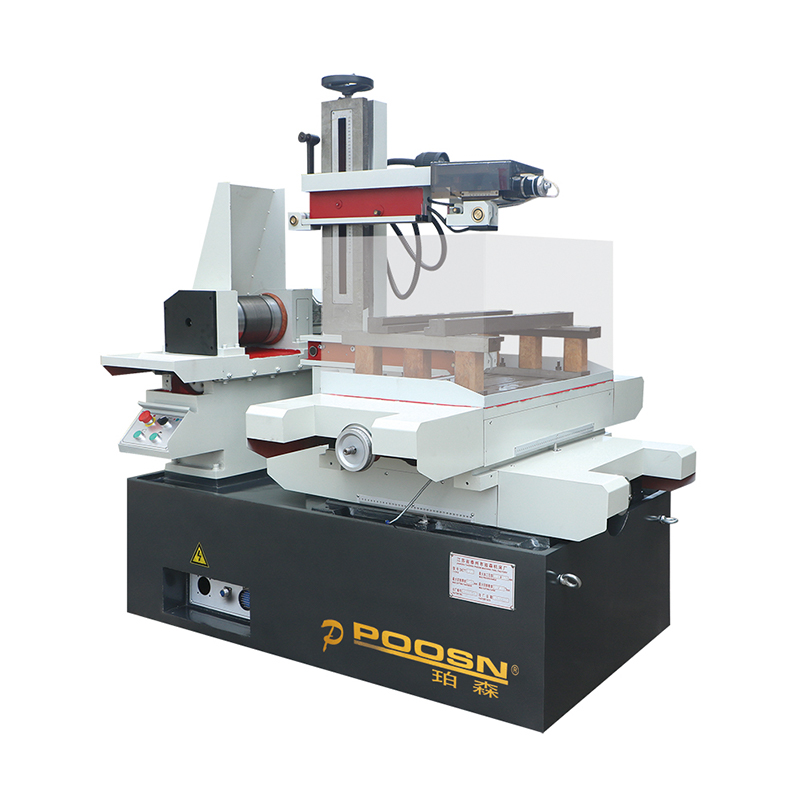
DK-7735 CNC High-Speed Wire EDM Machine (4-Axis, 300kg Load)
3. Reinforced Mechanical Construction for Stable Machining
Machine rigidity is one of the most important factors in wire EDM accuracy. Although the cutting force in EDM is much lower than in conventional milling, the machine must still resist vibration, thermal drift, guide movement, and deformation over long operating periods. A slight change in the relationship between the wire, workpiece, and guide system can influence straightness, taper accuracy, corner quality, and repeatability.
The DK-7735 uses a high-strength cast-iron base and a reinforced mechanical structure. The casting is subjected to aging treatment intended to reduce internal stress before precision machining and assembly. Stress relief is important because residual stress can gradually release during service, causing changes in geometry and alignment. By stabilizing the base before final machining, the manufacturer can create a more reliable foundation for the guideways, ball screws, worktable, and wire guide assemblies.
The machine’s approximate weight of 1,100 kg also contributes to structural stability. A heavier machine base can help reduce the influence of external vibration and dynamic movement, particularly when the table is carrying a large mold or a workpiece close to the rated load. The 300 kg load capacity provides a useful margin for medium-sized and relatively heavy workpieces, while the broad worktable helps distribute the load during machining.
Mechanical strength is especially important during high-thickness cutting. When a workpiece is tall, flushing becomes more challenging and the wire is exposed to a longer cutting zone. Any vibration or wire deflection can affect the upper and lower dimensions of the cut. A rigid column, stable worktable, and properly aligned guide system help maintain the wire trajectory through the full thickness of the material.
Compared with lightweight machines designed mainly for small parts, the DK-7735 offers a stronger platform for heavier and larger workpieces. This does not eliminate the need for correct installation, leveling, foundation preparation, and maintenance, but it gives the machine a more suitable mechanical basis for demanding production environments.
4. Four-Axis Linkage and Complex Profile Processing
The four-axis control system is one of the principal advantages of the DK-7735. The X and Y axes control the primary worktable movement, while the U and V axes coordinate the relative position of the upper and lower wire guides. This arrangement allows the machine to cut tapered surfaces and profiles in which the upper and lower contours are not identical.
Four-axis linkage expands the practical range of wire EDM beyond simple vertical contour cutting. It can be used for tapered punches, dies, mold inserts, inclined openings, guide components, and workpieces requiring different shapes at the top and bottom of the cut. The machine can also support upper-and-lower profile cutting when the application and programming conditions are properly defined.
For mold manufacturers, taper capability is valuable because many molds require draft angles or tapered openings for part release. For aerospace and precision machinery manufacturers, coordinated multi-axis movement can support complex profiles that would otherwise require additional setups or secondary operations. Reducing the number of setups can improve positional consistency and lower handling time.
The control system is intended to simplify programming and operation through a touchscreen interface. Operators can configure machining settings, review the program, adjust cutting conditions, and monitor the process through an integrated operating environment. A user-friendly interface is particularly useful when a factory has multiple operators with different levels of experience, because it can standardize common procedures and reduce avoidable setup errors.
The system also supports automatic adjustment of cutting parameters based on workpiece conditions and process requirements. In practical use, the effectiveness of automatic adjustment depends on the material, thickness, wire, dielectric condition, programmed speed, and selected control cabinet. Nevertheless, automatic parameter management can reduce the amount of manual trial and error required during production and help maintain a more consistent discharge state.
5. High-Efficiency Digital Discharge Control
The discharge power supply directly influences cutting speed, surface roughness, wire consumption, and process stability. If the pulse energy is too low, the machine may cut slowly and become inefficient. If it is too high for the workpiece thickness or flushing condition, the wire may break, the surface may become rough, or the cut may lose dimensional control.
The DK-7735 uses a digital pulse power supply designed to adjust discharge parameters according to material thickness and material characteristics. Digital control allows the power supply to manage pulse duration, pulse interval, current level, and related conditions more precisely than a basic fixed-setting system. This supports the transition between rough cutting, semi-finishing, and finishing operations.
One of the key production benefits is the ability to balance speed and quality. During rough cutting, the system can prioritize material removal and productivity. During finishing, it can use more controlled discharge conditions to reduce the amount of material removed in each pulse and improve the final surface condition. This makes the machine suitable for applications where a single workpiece requires several machining stages.
The specified maximum cutting efficiency of up to 16,000 mm²/h makes the DK-7735 competitive with many conventional high-speed wire EDM systems in its size class. The precise production result will vary, but the high-speed capability can reduce the time required for large contour cuts. In mass production, even a modest reduction in cycle time can create a significant annual capacity improvement.
High cutting speed is not useful if it creates excessive wire breakage or requires repeated operator intervention. For this reason, the discharge system works together with wire tension control, dielectric filtration, flushing, and control algorithms. A stable process may deliver a lower theoretical speed than a short-term maximum, but it often produces better total productivity because the machine spends more time cutting and less time recovering from interruptions.
6. Precision Transmission and Positioning Performance
Accurate movement is essential for producing the programmed profile. The DK-7735 incorporates precision ball screws and high-rigidity linear guides in its transmission and positioning system. Ball screws convert motor rotation into controlled linear movement with low backlash and consistent motion. Linear guides support smooth table travel while maintaining alignment and rigidity.
In wire EDM, positioning quality affects the relationship between the programmed path and the actual cut. Errors may appear as dimensional deviation, corner overshoot, uneven taper, or differences between repeated workpieces. Precision transmission components, proper assembly, regular lubrication, and accurate calibration all contribute to minimizing these errors.
The control system is described as using closed-loop or semi-closed-loop feedback functions for worktable movement. Feedback allows the control architecture to monitor movement and compensate for certain deviations. This is particularly useful during long-stroke operations, when small positioning errors could accumulate over a large profile.
The DK-7735 is manufactured according to the GB/T 7926-2015 machine accuracy standard. Standards-based inspection provides customers with a reference for machine acceptance and performance verification. Manufacturers can use positioning tests, repeatability checks, straightness inspections, squareness measurements, and sample cutting to verify that the equipment meets the agreed technical requirements.
It is important to distinguish machine accuracy from guaranteed results under every production condition. Workpiece material, thermal environment, wire quality, dielectric cleanliness, machine leveling, programming strategy, and operator practices all influence final accuracy. The DK-7735 provides a suitable precision platform, but best results still depend on correct installation and process control.
7. Wire Transport, Tension Control, and Breakage Reduction
The wire transport mechanism has a direct effect on cutting stability. A wire that travels unevenly, loses tension, or experiences contamination at the guides can create dimensional variation and poor surface quality. Excessive vibration may also increase the risk of wire breakage, especially when cutting thick or difficult materials.
The DK-7735 uses a high-sensitivity tension control design intended to maintain stable wire travel. Consistent tension helps the wire remain closer to its intended trajectory as it passes through the machining zone. It also supports more reliable corner movement and improves the repeatability of narrow slots and intricate contours.
Wire tension must be balanced carefully. Excessive tension can increase stress on the wire and guide system, while insufficient tension can allow greater deflection and vibration. An intelligent tension-control approach can respond more effectively to variations in cutting conditions, although the operator must still select an appropriate wire type, speed, and process setting.
The wire guides are also important. Their alignment, wear condition, cleanliness, and replacement interval influence the quality of the cut. Regular inspection of guide assemblies, contact points, and wire pathways should form part of the daily and periodic maintenance program. Maintaining these components is usually more cost-effective than allowing wear to create repeated quality problems.
For high-volume production, reducing wire breakage has benefits beyond saving consumable material. Each break can require machine recovery, threading, position confirmation, and sometimes scrapping or reworking of a workpiece. Stable wire transport therefore improves effective machine utilization and helps make cycle times more predictable.
8. Dielectric Filtration and Thermal Management
Dielectric fluid performs several functions during wire EDM. It removes eroded particles from the cutting gap, supports electrical insulation between discharges, cools the workpiece and wire, and contributes to stable machining conditions. If the fluid becomes contaminated or the circulation system is inadequate, the discharge gap can become unstable, reducing cutting performance and increasing the risk of wire breakage.
The DK-7735 incorporates a multi-stage integrated circulation and cooling system. The filtration stage is intended to remove machining debris from the working fluid, while circulation supports consistent flushing through the cutting area. Cooling helps control temperature changes that might otherwise influence workpiece dimensions, guide alignment, and long-duration accuracy.
Effective flushing becomes increasingly important as workpiece thickness increases. A tall workpiece creates a longer path for debris removal, and insufficient flow can cause particles to remain in the gap. The operator must also select suitable flushing pressure and nozzle positioning. The machine’s fluid system provides the infrastructure, but process settings should be adapted to the geometry and thickness of each job.
Regular filter inspection and replacement are essential. A clogged filter can reduce flow, place additional demand on the pump, and compromise machining stability. Working fluid should be maintained according to the manufacturer’s recommendations, including appropriate concentration, cleanliness, and replacement intervals. Good fluid management extends the service life of pumps, valves, seals, guides, and electrical components.
Thermal stability is equally important. Precision machining should be performed in an environment with stable temperature, limited direct sunlight, controlled humidity where possible, and adequate ventilation. The machine should be installed on a suitable foundation capable of supporting its weight and maintaining levelness. Environmental stability is one of the most practical ways to protect the accuracy potential of a precision EDM system.
9. Productivity Advantages for Mass Production
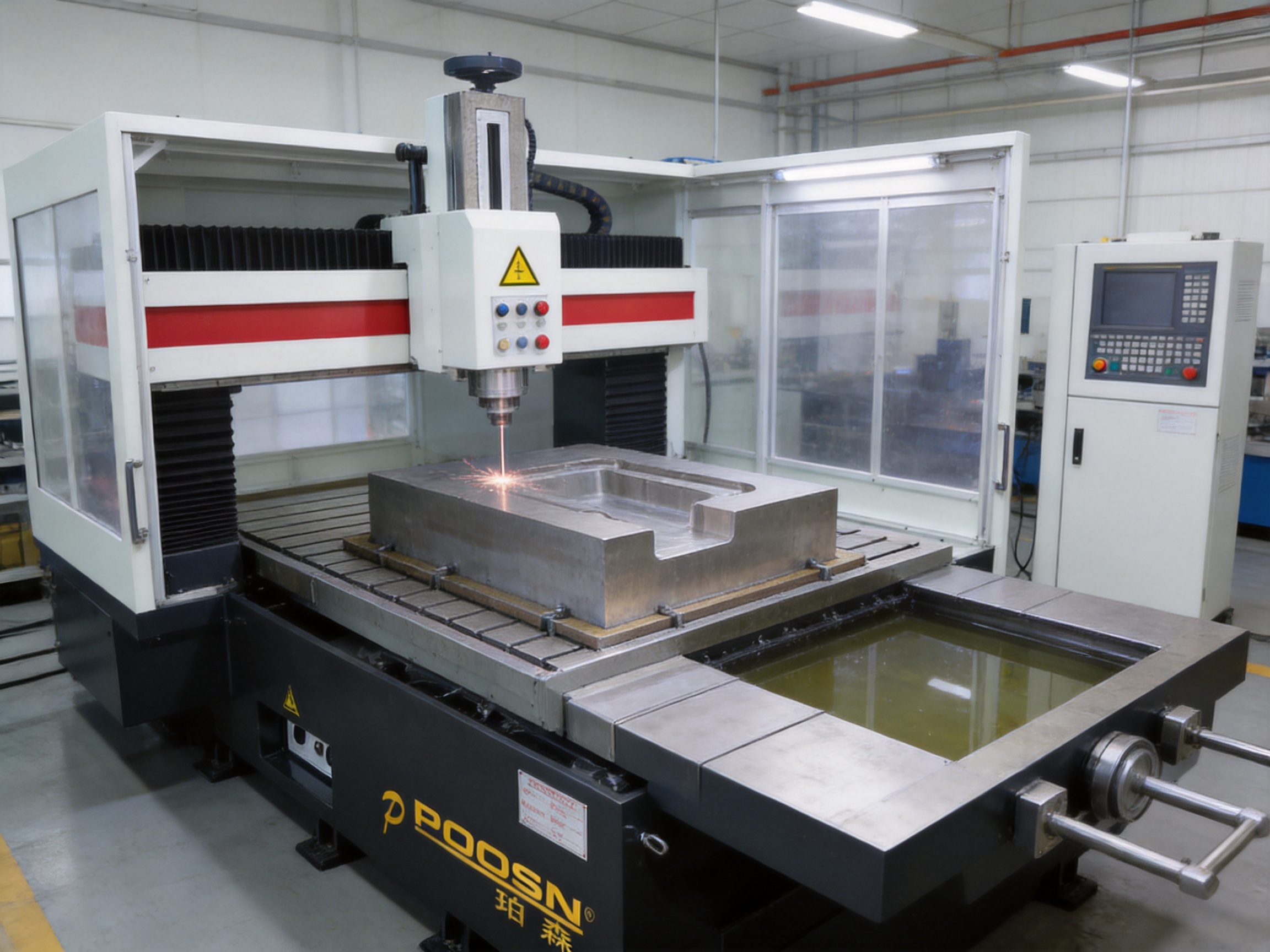
The DK-7735 is designed not only for prototype and one-off work but also for repeated production. Its high cutting efficiency, 300 kg load rating, four-axis control, and relatively large travel range make it appropriate for production departments that need to process multiple similar components or molds.
In mass production, productivity depends on total cycle time rather than theoretical cutting speed alone. Total time includes loading, alignment, programming, threading, cutting, inspection, cleaning, and any necessary rework. A machine that combines a larger worktable with reliable positioning can reduce the number of setups and allow several smaller workpieces to be arranged efficiently, depending on the fixture design.
The 500 × 750 mm worktable provides additional flexibility for fixture planning. Manufacturers may be able to process larger components in one setup or position multiple small parts for sequential cutting. The appropriate arrangement depends on workpiece geometry, electrical isolation, flushing access, wire entry requirements, and the production program.
The 300 kg maximum worktable load is another important productivity factor. Heavier molds and components can be machined without transferring the job to a larger machine solely because of weight. This can reduce internal logistics and preserve larger equipment for workpieces that genuinely require its greater capacity.
High-speed operation also helps manufacturers respond to urgent orders and short delivery schedules. When the machine is integrated into a well-organized production system, its cutting capacity can support shorter lead times without requiring a proportional increase in labor. The four-axis system may also reduce secondary machining by producing tapered or coordinated profiles directly on the EDM.
For cost control, the machine’s value should be assessed through effective production output, not just purchase price. Factors such as wire consumption, power use, filter costs, downtime, maintenance, operator time, and rework all contribute to the cost per part. A stable machine that maintains predictable performance can offer lower total operating cost even when competing equipment has a similar initial specification.
10. Application Areas
10.1 Precision Mold Manufacturing
Mold manufacturing is one of the most important applications for the DK-7735. Dies, punches, inserts, and mold components often require hardened materials, narrow slots, internal contours, and complex profiles. Wire EDM can cut these features without imposing the same mechanical cutting forces associated with conventional machining.
The four-axis linkage function is useful for tapered mold openings, inclined features, and components in which the upper and lower profiles differ. The machine’s dimensional capacity allows it to process medium-sized mold components, while the 300 kg load rating supports relatively heavy die sets and inserts.
10.2 Automotive Components
Automotive manufacturing requires repeatable production of components and tooling with consistent dimensions. Wire EDM can be used for stamping dies, progressive dies, precision inserts, engine-related components, connectors, and specialized fixtures. The DK-7735’s high cutting efficiency is beneficial when many similar profiles must be produced within a controlled production schedule.
Its larger travel range compared with smaller machines can also reduce the need to divide components into multiple operations. Fewer setups can help preserve positional relationships and minimize alignment errors between operations.
10.3 Aerospace Parts
Aerospace production often involves high-value materials, complex geometries, and strict quality requirements. Electrically conductive alloys and hardened components may be difficult to process using standard cutting tools. Wire EDM can produce intricate openings, thin sections, and specialized profiles with limited mechanical force.
For aerospace applications, environmental control, inspection procedures, workholding, and process validation are especially important. The DK-7735 provides the necessary multi-axis and high-thickness capabilities for many medium-sized aerospace-related components, subject to the specific material, tolerance, and certification requirements of the application.
10.4 Precision Machinery
Precision machinery manufacturers can use the DK-7735 for gears, guide components, structural inserts, precision plates, custom shafts with EDM features, and specialized machine parts. Its positioning system and wire transport mechanism support the production of repeated contours where dimensional consistency is important.
10.5 General Hardware and High-Volume Components
Hardware manufacturers often need to produce large quantities of punches, templates, profiles, and small precision parts. The machine’s cutting efficiency and worktable capacity make it appropriate for production environments where several jobs may be processed in succession. When supported by standardized fixtures and programs, the DK-7735 can help establish repeatable machining workflows.
11. Advantages Compared with Smaller or Less Integrated Competitors
The DK-7735 competes in a market that includes compact entry-level wire EDM machines, conventional medium-speed systems, and larger high-end machining centers. Its principal advantage is the balance between capacity and footprint. It offers a 350 × 450 mm travel range and a 300 kg load capacity without reaching the size and investment level of the largest heavy-duty machines.
Compared with smaller machines, the DK-7735 can process larger workpieces, support heavier fixtures, and reduce the need for multiple setups. Its 450 mm maximum cutting thickness also gives it an advantage for thick mold sections and components that exceed the practical range of compact equipment.
Compared with basic wire-cut systems, its four-axis linkage control provides greater flexibility for taper cutting and coordinated upper-and-lower profiles. A simpler two-axis system may be sufficient for flat vertical profiles, but it may require additional operations when angled or non-identical upper and lower contours are needed.
Compared with machines that rely heavily on manual parameter selection, the digital discharge control and automatic adjustment functions are intended to make process setup more efficient. Automatic adjustment does not replace skilled process engineering, but it can help operators reach stable conditions more quickly and reduce variation between jobs.
Compared with lightweight structures, the reinforced cast-iron base and approximately 1,100 kg machine weight provide a stronger foundation for heavy workpieces and long cutting cycles. This structural design can be especially valuable in factories where the machine is expected to operate continuously rather than occasionally.
Compared with systems that offer only one cabinet configuration, the DK-7735 can be supplied with a standard ZH-K68 desktop cabinet or an optional ZHZK-03 vertical cabinet. This provides some flexibility in workshop layout and operator access. Customers should select the control cabinet according to available space, interface preferences, operating habits, and the performance requirements of the intended jobs.
These advantages should be evaluated against the complete technical proposal of each supplier. Wire diameter range, automatic threading, generator functions, filtration capacity, software compatibility, service response, spare-parts availability, training, and warranty terms should all be included in a competitive comparison. The DK-7735’s strongest value comes from the combination of capacity, control, structure, and manufacturer support rather than from any single specification.
12. Manufacturing Strength and Quality Assurance
Taizhou Xinchengyang Machinery Manufacturing Co., Ltd. has specialized in electrical discharge wire-cutting technology since 1999. The POOSN brand was established in 2003, and the company later developed a broader product portfolio covering medium-speed wire-cut EDM, high-speed wire-cut EDM, and large-taper wire-cut EDM systems.
The company operates with technical capabilities covering research and development, mechanical processing, machine assembly, electrical integration, testing, and customer support. Its product lines include PS-C and DK77-BC medium-speed machines, DK77-A and DK77-B high-speed models, DK77-D large-taper machines, and DK-77 high-speed WEDM models such as the DK-7735.
A manufacturer’s ability to control the entire production process is important for machine-tool reliability. Precision machining of the base and column, correct installation of linear guides and ball screws, alignment of wire guide assemblies, electrical cabinet integration, and final accuracy testing must be coordinated carefully. Inconsistent control at any stage can affect the final performance of the equipment.
The company reports that its products are manufactured according to national standards and that each machine tool undergoes positioning accuracy testing. Such testing is an important part of quality assurance because it verifies the machine’s movement and geometric performance before shipment. Customers can further strengthen acceptance control by defining inspection procedures, sample parts, accuracy criteria, and documentation requirements in advance.
The company also reports experience with advanced machine-tool development, including a patent related to a fully automatic CNC machine tool featuring plate-type winding and suction-type adhesive technology. Its history includes the establishment of a dedicated manufacturing company in 2017, recognition as a high-tech enterprise in 2021, and exports to Southeast Asia, West Asia, Europe, and the Americas.
Manufacturing strength is not limited to production equipment. It also includes the ability to understand customer applications and provide appropriate configuration advice. For example, customers may require different control cabinet arrangements, workholding solutions, wire specifications, training plans, or cutting-condition recommendations. A manufacturer with experience across multiple WEDM categories can provide more informed guidance when customers compare models.
13. Customization and Technical Support
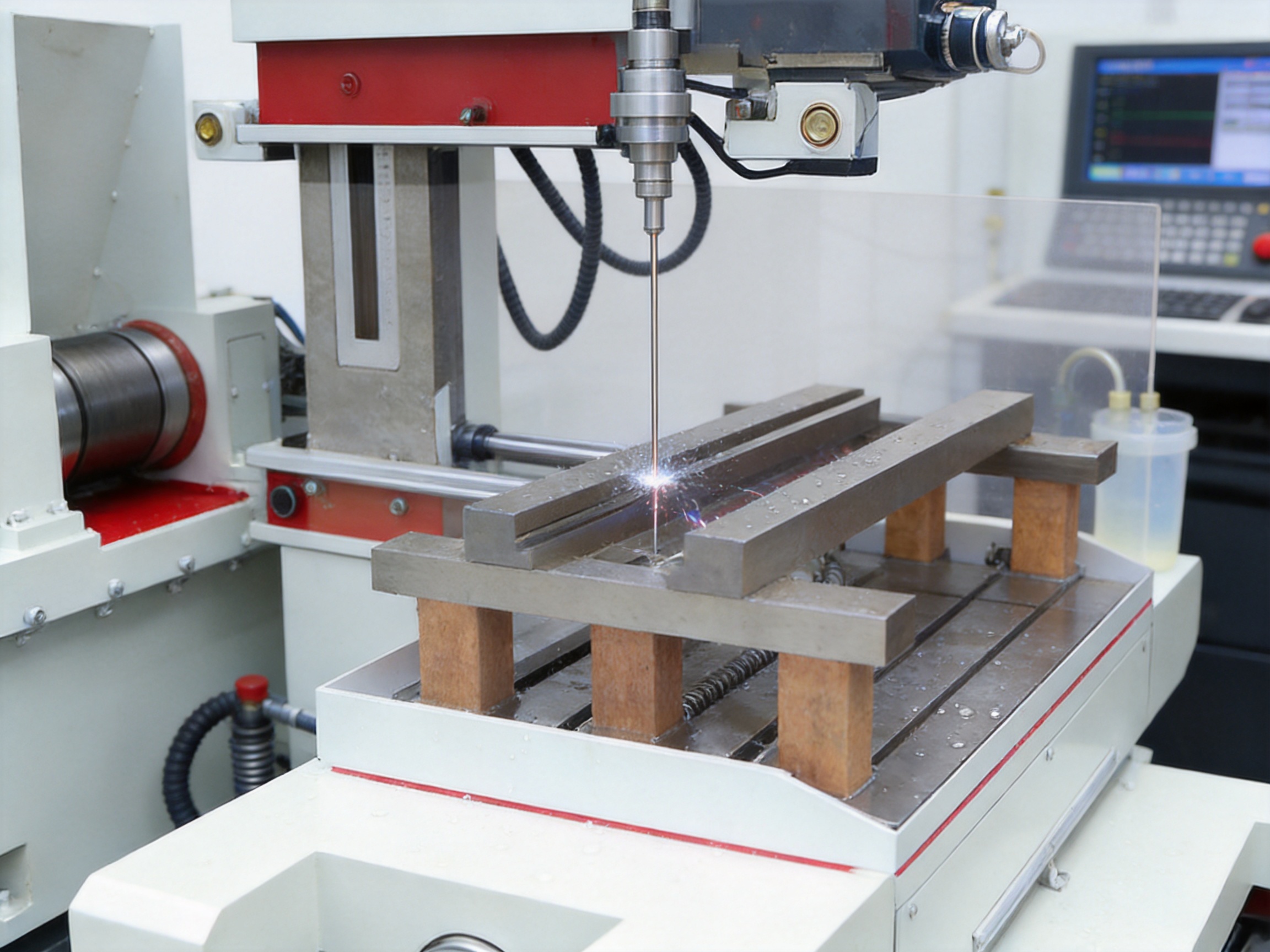
Different industries impose different demands on a wire EDM machine. A mold shop may prioritize taper accuracy and surface finish, while a high-volume component producer may prioritize cutting speed, automatic operation, and repeatability. An aerospace supplier may require detailed process validation and environmental control. Customization should therefore begin with the customer’s actual workpieces, materials, dimensions, tolerances, and production targets.
Technical customization may include control cabinet selection, auxiliary equipment, workholding arrangements, wire and dielectric recommendations, programming support, and process parameter development. For workpieces with unusual dimensions or special specifications, the manufacturer can evaluate whether the standard DK-7735 configuration is appropriate or whether a larger model from the same family would be more suitable.
The manufacturer’s model range includes the DK-7725 for smaller and medium-sized precision parts, the DK-7735 for medium-sized components requiring a larger worktable, the DK-7745 for larger parts and high-precision molds, and the DK-7745F for extra-large and heavy components. This range enables customers to select capacity according to current and anticipated production needs.
After-sales technical support is also important. Operators may need assistance with machine commissioning, electrical settings, wire threading, program preparation, guide alignment, filtration maintenance, and troubleshooting. Rapid technical communication can reduce downtime and protect production schedules, particularly when the machine is used for urgent or high-value workpieces.
Long-term support should include access to consumable parts, maintenance guidance, software assistance, and replacement components. Customers should confirm response times, service coverage, training arrangements, and spare-parts policies before placing an order. Clear support procedures help ensure that the machine continues to provide value after installation.
14. Installation, Operation, and Maintenance Considerations
Correct installation is essential for achieving the accuracy potential of the DK-7735. The foundation must be capable of supporting the approximately 1,100 kg machine weight and the maximum worktable load. The machine should be leveled according to the installation instructions, and sufficient clearance should be left around the equipment for operation, maintenance, fluid handling, and material loading.
The power supply should meet the specified 3N 380 V ±10% requirement and should be installed by qualified personnel. Electrical grounding, protection devices, cable routing, and cabinet ventilation should be checked before commissioning. Stable power is important because fluctuations can affect the control system and discharge generator.
The operating environment should be free from excessive dust, strong magnetic interference, excessive vibration, and severe temperature fluctuation. The floor should be stable, and the workshop should provide adequate ventilation. While a temperature-controlled environment is not always mandatory for every job, stable temperature is strongly recommended for high-precision machining.
Daily maintenance should include checking dielectric level and cleanliness, inspecting wire travel, removing accumulated debris, verifying lubrication, and observing unusual noise or vibration. Operators should monitor wire breakage frequency, cutting stability, surface condition, and any deviation from normal cycle time. Early detection of abnormal conditions can prevent more serious failures.
Periodic maintenance should include filter replacement, lubrication-system inspection, guide and roller cleaning, ball-screw inspection, electrical cabinet cleaning, sensor checks, and accuracy verification. Wire guides and other wear components should be replaced according to actual condition rather than being used beyond their reliable service life.
Maintenance records should document fluid changes, filter replacement, guide replacement, calibration, alarms, and corrective actions. These records support preventive maintenance and help identify recurring problems. They can also provide useful evidence when evaluating consumable life, process stability, and total operating cost.
15. Selecting the Correct Model for a Production Requirement
Model selection should begin with the largest expected workpiece rather than the average workpiece. Customers should assess workpiece length, width, height, weight, required taper, fixture dimensions, and loading access. The DK-7735 is appropriate when the required X and Y travel fits within 350 × 450 mm and the workpiece plus fixture remains within the 300 kg load limit.
The DK-7735 may be preferable to the DK-7725 when a larger table, greater travel, or higher load capacity is required. The DK-7745 may be more appropriate for workpieces requiring 450 × 550 mm travel and up to 400 kg load capacity. The DK-7745F provides still greater capacity for large and heavy components.
Customers should also consider future production growth. A machine that is adequate for current work may become restrictive if the company plans to accept larger molds or increase batch sizes. On the other hand, selecting a substantially oversized machine may increase purchase, installation, and operating costs unnecessarily. The best choice balances present requirements with realistic expansion plans.
Material and thickness should also be reviewed. Although the DK-7735 can process steel, stainless steel, aluminum, and copper, the most suitable cutting conditions will differ. Thick hardened steel may require more careful flushing and staged machining than a thin aluminum component. Customers should provide representative drawings or sample workpieces when requesting a technical quotation.
16. Frequently Asked Questions
Q1: What are the main dimensions of the DK-7735 machining area?
The DK-7735 has an X-axis travel of 350 mm and a Y-axis travel of 450 mm. Its worktable size is approximately 500 × 750 mm. These dimensions make it suitable for medium-sized components, molds, inserts, and precision parts that require more capacity than compact wire EDM equipment.
Q2: What is the maximum workpiece load?
The maximum worktable load is 300 kg. The rated load includes the workpiece and any fixture or supporting arrangement placed on the table. Customers should evaluate the combined weight and ensure that loading methods are safe and compatible with the machine structure.
Q3: Can the DK-7735 cut thick workpieces?
Yes. The maximum cutting thickness listed for the DK-7735 is 450 mm. Actual performance depends on material type, thickness, flushing conditions, wire selection, discharge parameters, and the required accuracy and surface finish.
Q4: What is the maximum cutting efficiency?
The maximum cutting efficiency is specified at up to 16,000 mm²/h, while the applicable model range is listed at 10,000 to 16,000 mm²/h. The actual result depends on the control cabinet, material, thickness, wire, dielectric condition, and machining strategy.
Q5: Does the machine support taper cutting?
Yes. The maximum cutting taper is listed as ±6° over 80 mm. The four-axis linkage system coordinates X, Y, U, and V movement to support tapered surfaces and upper-and-lower profile cutting.
Q6: What materials can be processed?
The DK-7735 is suitable for electrically conductive materials including steel, stainless steel, aluminum, and copper. The machine should be configured with appropriate cutting conditions for each material, especially when processing thick, hardened, or thermally sensitive workpieces.
Q7: What surface roughness can be achieved?
The optimal surface roughness is specified as Ra ≤ 2.5 μm under suitable processing conditions. Actual surface quality depends on the number of cutting passes, electrical parameters, material characteristics, wire type, flushing, and machine maintenance.
Q8: Which control cabinet options are available?
The standard configuration uses a ZH-K68 desktop cabinet. A ZHZK-03 vertical cabinet is available as an option. Customers should select the cabinet according to workshop layout, operator preference, control requirements, and the intended application.
Q9: Is the DK-7735 suitable for mass production?
Yes. Its high cutting efficiency, four-axis control, stable wire transport, 300 kg load capacity, and larger machining envelope make it suitable for repeated production. Productivity will depend on programming, workholding, loading procedures, maintenance, and the complexity of the parts.
Q10: How can the machine maintain accuracy during long machining cycles?
The machine uses a reinforced cast-iron structure, precision ball screws, high-rigidity linear guides, controlled wire tension, digital discharge control, fluid filtration, and feedback-based positioning functions. Stable installation, temperature control, regular lubrication, clean dielectric fluid, and properly maintained wire guides are also necessary.
Q11: What operating environment is recommended?
The machine should be installed on a stable foundation in a clean, adequately ventilated environment with limited vibration, controlled temperature fluctuation, and no strong magnetic interference. The electrical supply and grounding system should meet the machine requirements.
Q12: Does the manufacturer provide customization and technical support?
The manufacturer provides customized solutions for workpieces with special specifications and offers technical support covering equipment operation, process configuration, maintenance, and application requirements. Customers should discuss special dimensions, control cabinet preferences, auxiliary equipment, and service expectations before ordering.
17. Conclusion
The DK-7735 CNC High-Speed Wire EDM Machine is designed for manufacturers that require a practical combination of precision, cutting efficiency, workpiece capacity, and four-axis flexibility. Its 350 mm X-axis travel, 450 mm Y-axis travel, 450 mm maximum cutting thickness, and 300 kg worktable load provide a useful operating range for medium-sized molds, automotive components, aerospace-related parts, precision machinery, and high-volume hardware production.
Its competitive advantages come from the integration of several functions: a reinforced cast-iron structure, precision ball-screw and linear-guide transmission, digital pulse power supply, automatic cutting-parameter adjustment, high-sensitivity wire tension control, multi-stage dielectric filtration, and four-axis simultaneous control. Together, these features can help manufacturers improve dimensional consistency, reduce setup requirements, support tapered geometries, increase effective productivity, and control operating costs.
Taizhou Xinchengyang Machinery Manufacturing Co., Ltd. strengthens this equipment proposition through long-term experience in electrical discharge wire-cutting technology, a broad model range, in-house manufacturing capabilities, national-standard production practices, positioning accuracy testing, customization services, and technical support. These capabilities are important for customers seeking not only a machine purchase but also a long-term machining solution.
For the best results, customers should evaluate the DK-7735 against representative workpieces, required tolerances, material conditions, production volume, installation environment, and future capacity needs. When properly selected, installed, operated, and maintained, the DK-7735 can serve as a dependable high-speed WEDM platform for precision manufacturing and continuous industrial production.
References
1. Taizhou Xinchengyang Machinery Manufacturing Co., Ltd. Product Technical Information for the DK-7735 CNC High-Speed Wire EDM Machine.
2. Taizhou Xinchengyang Machinery Manufacturing Co., Ltd. DK-77 Series High-Speed Wire-Cut EDM Machine Specifications.
3. GB/T 7926-2015. Test Conditions for the Accuracy of Wire-Cut Electrical Discharge Machines.
4. General Principles of Electrical Discharge Machining Technology and Dielectric Processing.
5. Technical Guidance for Precision Machine-Tool Installation, Leveling, Lubrication, and Preventive Maintenance.
6. Manufacturing Practice Guidelines for Wire-Cut EDM Applications in Mold, Automotive, Aerospace, and Precision Machinery Production.
Product: DK-7735 CNC High-Speed Wire EDM Machine (4-Axis, 300kg Load)

-
Phone
+86-0523-86268788 +86-13815960366 +86-13912191163Email
[email protected]Address
No. 366, Yusheng Road Jiulong Town, Hailing District Taizhou City, China
Copyright © Taizhou Xinchengyang Machinery Manufacturing Co., Ltd. All Rights Reserved.
Custom edm machine for sale
wholesale edm machine manufacturers
