

 English
 русский
 عربى


Zhou Meiling — Technical Sales Consultant
Home / Author / Zhou Meiling — Technical Sales Consultant / Medium-Speed Wire EDM for Precision Molds, Complex Parts, and Efficient Production
Medium-Speed Wire EDM for Precision Molds, Complex Parts, and Efficient Production
2026-10-14
Content
- 1 Introduction
- 2 Product Positioning and Main Applications
- 3 Core Technical Specifications
- 4 Mechanical Architecture for Stable Cutting
- 5 Electrical Discharge and Power Supply Control
- 6 Control System and Programming Functions
- 7 Cutting Efficiency and Production Economics
- 8 Comparison with High-Speed and Low-Speed Wire EDM
- 9 Materials and Thick Workpiece Processing
- 10 Dielectric Filtration and Thermal Management
- 11 Manufacturing Processes and Quality Assurance
- 12 Advantages Over Competing Solutions
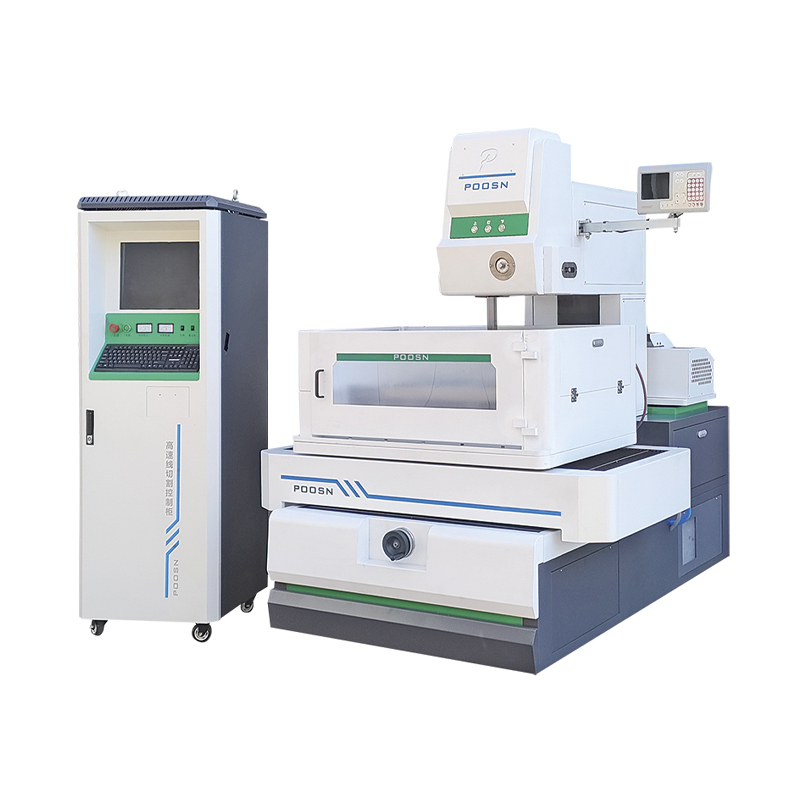
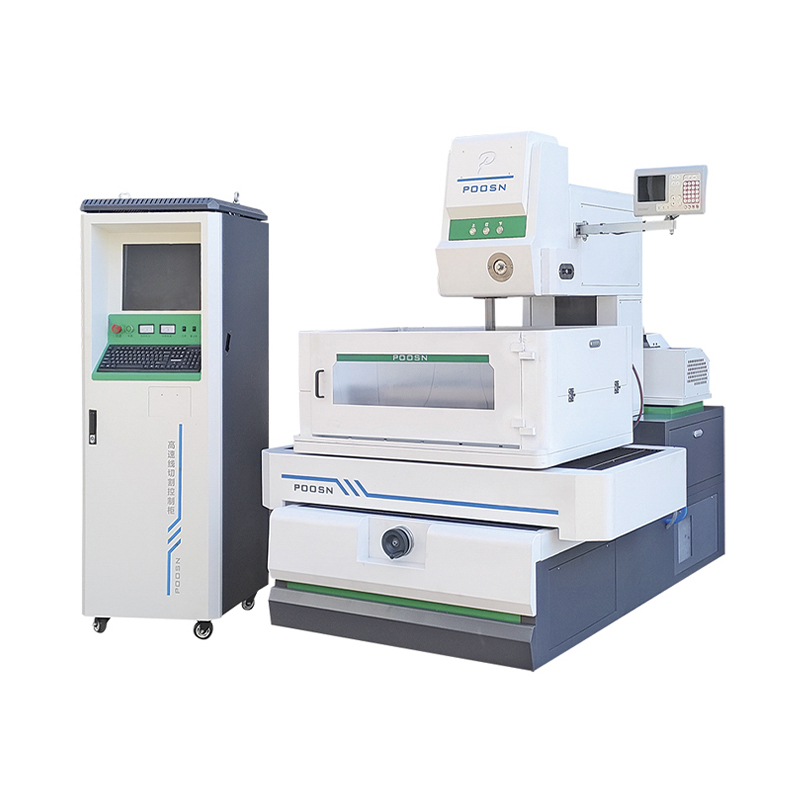
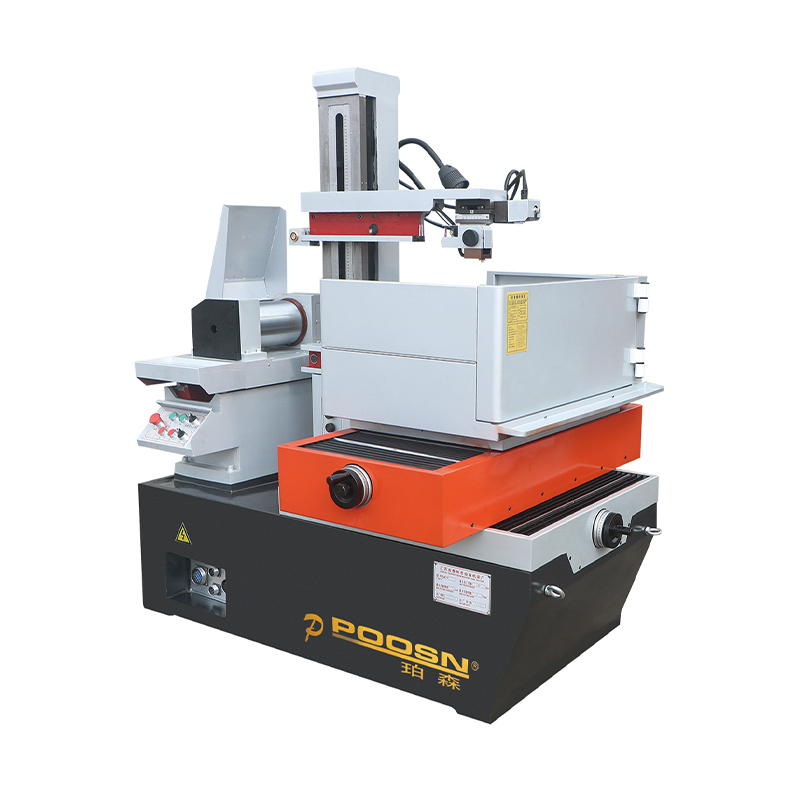
- 13 Product: DK35BC CNC Medium-Speed Wire EDM Machine (350×450mm Travel)
Introduction
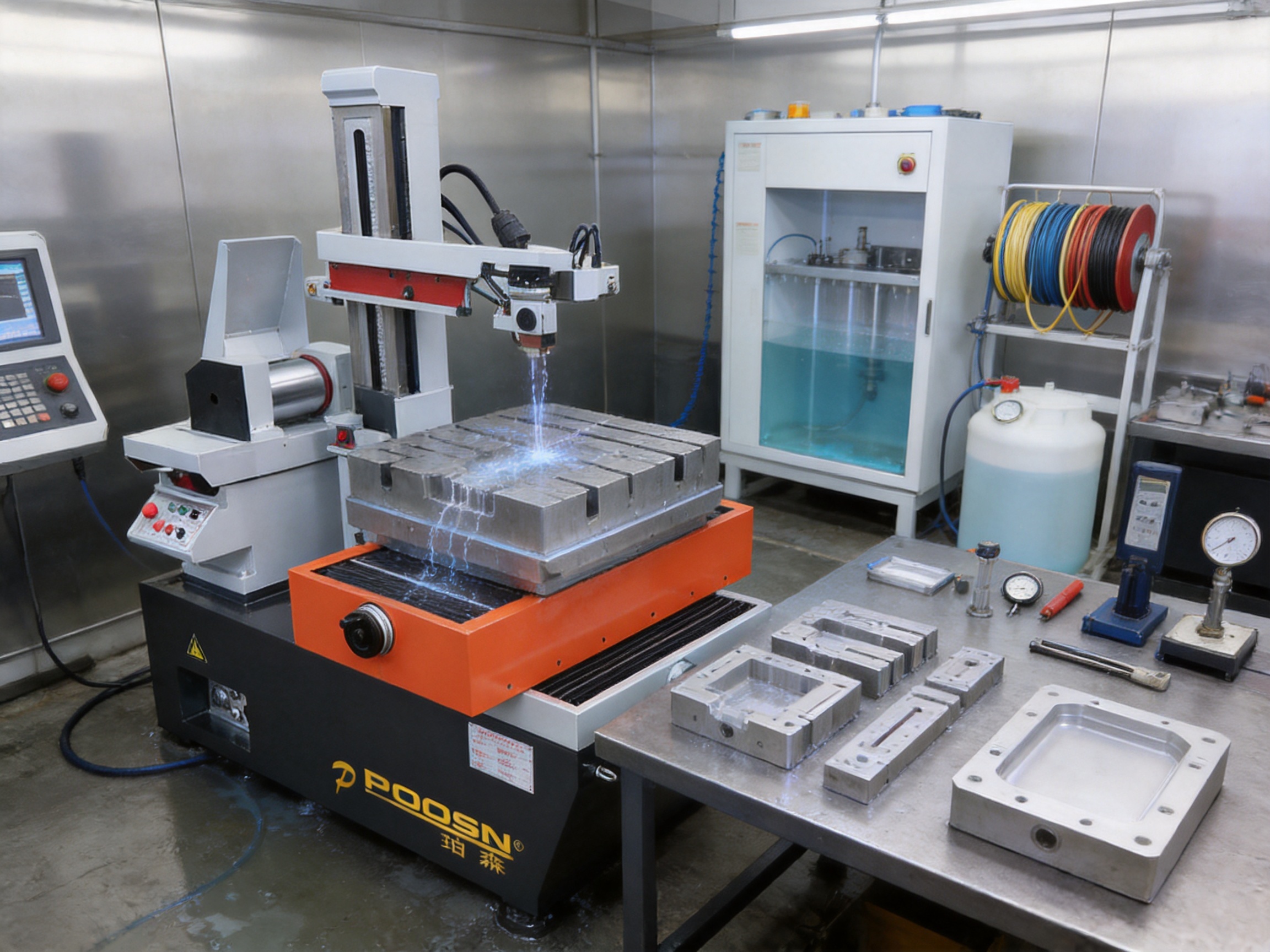
Wire electrical discharge machining has become an essential process for manufacturers that need to produce accurate profiles, narrow slots, intricate contours, and complex mold features in electrically conductive materials. Unlike conventional cutting methods, wire EDM removes material through controlled electrical discharges between a continuously moving electrode wire and the workpiece. Because the cutting force is minimal and material hardness has little influence on machinability, the process is particularly valuable for hardened steels, carbide, titanium alloys, stainless steels, copper alloys, and other difficult-to-machine materials.
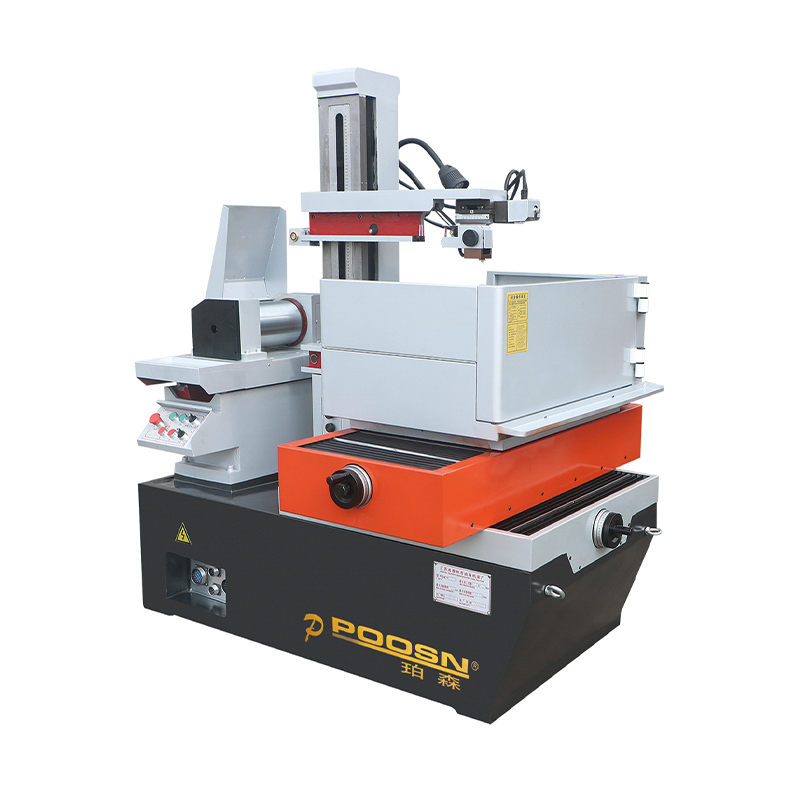
The DK35BC CNC medium-speed wire EDM machine is designed for manufacturers seeking a practical balance between machining accuracy, cutting efficiency, equipment stability, and operating cost. With an X-axis travel of 350 mm and a Y-axis travel of 450 mm, the machine is positioned for small and medium-sized workpieces, precision molds, mechanical components, electrodes, and small-batch production. Its maximum cutting thickness of 450 mm allows it to process workpieces that are considerably thicker than those handled by many compact cutting systems.
The machine combines medium-speed reciprocating wire technology, a four-axis X/Y/U/V control structure, a programmable control system, linear guide support, multiple-cut capability, and a high-pressure dielectric circulation system. Together, these features allow the equipment to support both efficient rough cutting and improved finishing operations. The result is a flexible production platform for workshops that need more than simple blanking but do not necessarily require the acquisition cost and operating structure of a high-end low-speed wire EDM.
Its value is not based on one isolated specification. Instead, the machine is built around the interaction of mechanical rigidity, wire-path stability, controlled electrical discharge, fluid filtration, thermal management, and software-assisted machining. This integrated approach helps manufacturers improve dimensional consistency, reduce rework, maintain stable operation during extended cutting cycles, and control the total cost of ownership.
DK35BC CNC Medium-Speed Wire EDM Machine (350×450mm Travel)
Product Positioning and Main Applications
The DK35BC is a high-performance medium-speed wire-cut EDM machine intended for precision production in a compact machine format. It is suitable for manufacturers that process small to medium workpieces and require a combination of accuracy and throughput. Typical users include mold manufacturers, tool and die workshops, precision component suppliers, electrical equipment producers, medical-device component manufacturers, and general engineering companies.
The machine is especially appropriate when the required profile cannot be produced economically by milling, sawing, grinding, or conventional punching. Internal corners, narrow openings, complicated two-dimensional contours, hardened materials, and profiles requiring taper control can all be addressed through the wire EDM process.
Precision mold manufacturing
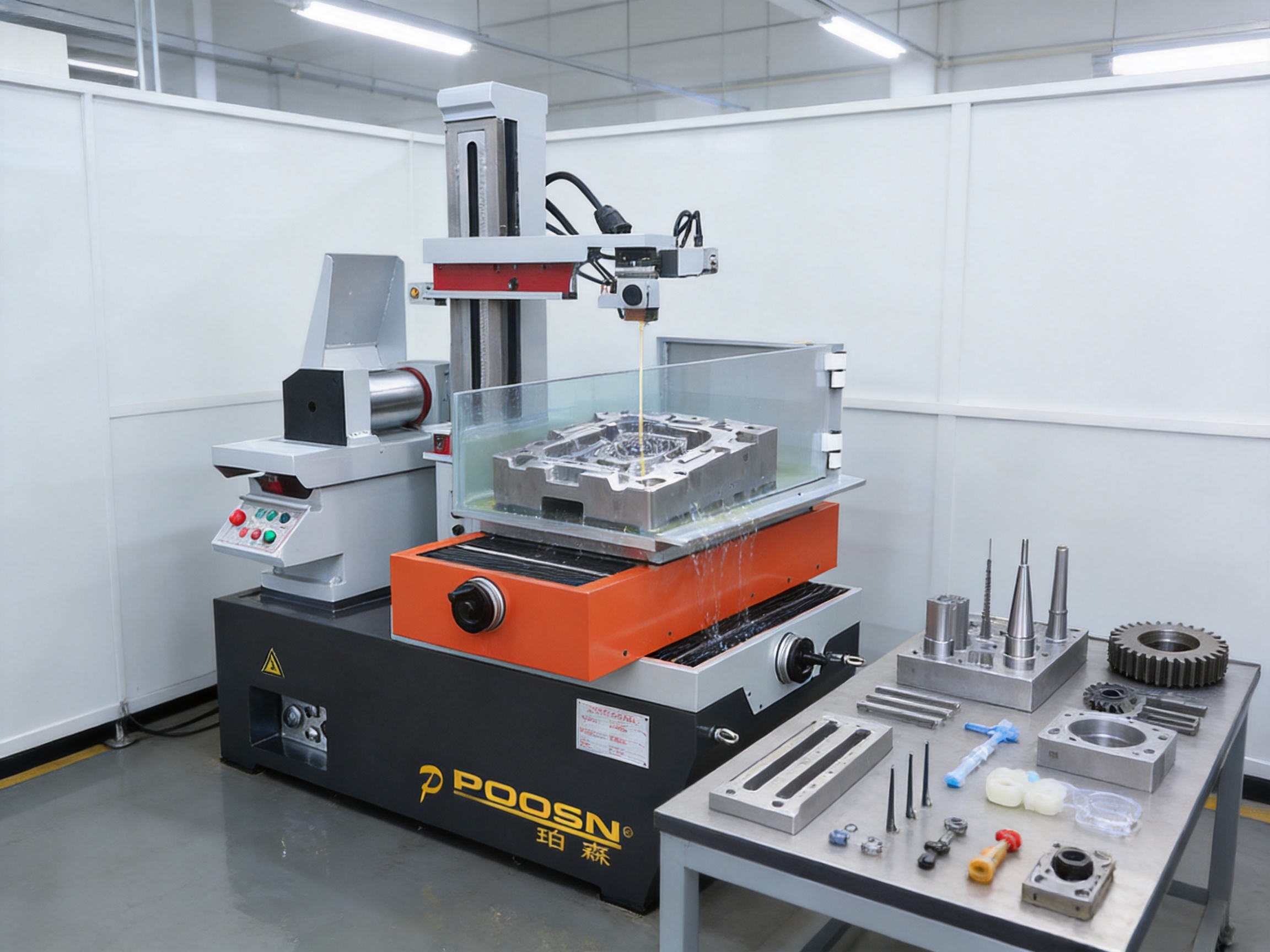
Precision molds frequently contain hardened steel inserts, small cavities, thin ribs, sharp profile transitions, and geometries that are difficult to reach with rotating cutting tools. The DK35BC supports these requirements through fine wire control, programmable path movement, and multiple-pass cutting. A rough pass can remove the majority of the material, while subsequent trim passes improve contour accuracy and surface quality.
This approach is useful for stamping dies, plastic injection mold components, progressive die inserts, electrode holders, precision templates, and other tooling parts. The machine’s 350 × 450 mm travel range is well suited to a large portion of small and medium mold work, while its 450 mm cutting-thickness capacity provides additional flexibility for thick plates and die components.
Mechanical component processing
Mechanical parts made from hardened tool steel, stainless steel, carbide, or specialty alloys can be cut without applying significant mechanical force to the workpiece. This reduces the risk of deformation in slender sections and makes it possible to process complex profiles after heat treatment. Applications include gears, precision brackets, wear plates, guide components, custom keys, and specialized machine elements.
Electronic and medical components
Electronic and medical equipment often requires small components with accurate outlines, narrow slots, and controlled surface quality. The non-contact nature of EDM is valuable when the workpiece is small, delicate, or difficult to clamp without distortion. The machine can also process electrically conductive materials used in fixtures, surgical-tool components, connector tooling, and precision equipment assemblies.
Small-batch and job-shop production
Many job shops must handle a wide variety of workpieces rather than producing one standardized component in very large volumes. A flexible wire EDM with programmable multi-axis movement allows these businesses to change from one workpiece to another without replacing the entire production system. The DK35BC is suitable for prototypes, replacement parts, customized tooling, short production runs, and recurring orders with different geometries.
Core Technical Specifications
The machine is configured around a compact worktable, a wire-feeding system, a taper device, a programmable control cabinet, and a recirculating dielectric system. The following table summarizes the principal specifications of the DK35BC configuration.
| Specification | DK35BC Configuration |
| X/Y axis travel | 350 × 450 mm |
| Maximum cutting thickness | 450 mm |
| Maximum worktable load | 300 kg |
| Worktable size | 500 × 750 mm |
| Processing tank inner dimensions | 510 × 790 mm |
| U/V travel | 60 × 60 mm |
| Standard taper capability | Up to ±6° per 80 mm |
| Electrode wire diameter | Approximately 0.18 mm with guide device |
| Wire speed | 1–11 m/s, frequency controlled |
| Maximum wire storage length | Approximately 350 m |
| Maximum cutting efficiency | 10,000–16,000 mm²/h |
| Best surface roughness | Ra ≤ 2.5 μm under specified conditions |
| Controlled axes | X, Y, U, and V four-axis linkage |
| Electrical capacity | 2.5 kVA |
| Power supply | 3N 380 V ±10% |
| Approximate machine weight | 1,200 kg |
| Approximate host dimensions | 1,650 × 1,345 × 1,830 mm |
Actual cutting performance depends on material grade, workpiece thickness, flushing conditions, programmed discharge parameters, cutting strategy, control cabinet configuration, and the required surface finish. The stated efficiency range should therefore be understood as a production reference rather than a guaranteed value for every application.
Mechanical Architecture for Stable Cutting
Reinforced cast-iron machine structure
Mechanical stability is fundamental to wire EDM accuracy. Even though the cutting process itself generates little conventional cutting force, the machine must resist vibration, thermal drift, wire movement, flushing pressure, and repeated axis acceleration. The DK35BC uses a reinforced cast-iron base and structural frame designed to provide rigidity during long cutting cycles.
The machine structure is subjected to natural aging treatment to reduce internal casting stress. This process helps the casting maintain its geometric stability over time. A stable base is particularly important for mold components and thick workpieces, where a small angular or positional deviation can result in a measurable difference between the upper and lower portions of the cut.
Linear guide support
High-precision linear guide rails are used to support smooth axis movement and repeatable positioning. Compared with sliding surfaces that may experience greater friction variation, linear guides can provide more consistent motion when properly lubricated and protected. They also contribute to lower resistance during direction changes and help the control system follow programmed contours more accurately.
Linear guide rails are especially beneficial when the machine performs multiple trim passes over the same contour. Each pass must reproduce the intended path while adjusting the discharge energy and cutting conditions. Any mechanical backlash, vibration, or inconsistent movement can appear as contour error, surface striation, or dimensional variation.
Wire-path constant tension control
Electrode wire tension has a direct influence on cutting straightness, surface marks, and dimensional accuracy. Excessive tension can increase the risk of wire breakage, while insufficient tension can allow the wire to deflect under flushing pressure or discharge forces. The machine uses a constant-tension wire-path design intended to maintain a stable wire condition during feeding, reversing, and cutting.
Stable tension is especially important when machining thick workpieces. As cutting depth increases, debris removal becomes more difficult and flushing forces become more influential. A controlled wire path helps the electrode maintain its intended position and supports better verticality between the upper and lower sections of the workpiece.
Protected guide wheels and wire guides
The wire transport assembly includes guide wheels and guide components designed for repeated operation in a wet machining environment. Protection from debris, effective cleaning, and suitable lubrication help extend the service life of these parts. The equipment also supports easy wire threading, which can reduce setup time and simplify the replacement of consumables.
Electrical Discharge and Power Supply Control
The quality of a wire EDM cut depends heavily on the stability of the electrical discharge. Each discharge removes a small amount of material from the workpiece and, to a lesser extent, from the electrode wire. If the discharge energy is inconsistent, the result may include excessive wire wear, unstable cutting, poor surface finish, recast material, or wire breakage.
The DK35BC uses a coordinated pulse power supply and current control system to maintain an appropriate discharge gap. Its maximum processing current is specified at 6 A, while the control system manages the relationship between pulse energy, pulse duration, wire speed, feed rate, and workpiece conditions.
During rough cutting, higher discharge energy can be applied to achieve efficient material removal. For finishing operations, lower energy and adjusted pulse conditions can reduce the height of discharge marks and improve surface quality. This difference between roughing and finishing is essential to the machine’s multi-cut capability.
Adaptive control and wire-break prevention
Material conditions can change during a cut. Variations in thickness, flushing quality, corner geometry, and debris concentration may affect the discharge gap. A responsive control system can adjust feed behavior when the cutting condition becomes unstable. This helps reduce the likelihood of wire breakage and protects the workpiece from excessive local discharge.
Wire-break prevention is particularly valuable in unattended or semi-unattended production. A broken wire can interrupt the machining cycle, damage the workpiece if the control response is poor, and require additional operator intervention. Real-time monitoring and adaptive feed control help improve operational continuity.
Multi-pass cutting capability
One of the main differences between a basic high-speed wire-cut machine and a more precision-oriented medium-speed system is the ability to perform multiple cutting passes. The DK35BC can be used for rough, semi-finish, and finish cutting operations. Depending on the workpiece and required tolerance, one to five passes may be programmed.
The first pass removes most of the material. Later passes use modified discharge conditions to reduce the recast layer, refine the contour, and improve surface appearance. This process can produce a finish approaching the expectations normally associated with more expensive low-speed wire EDM equipment, while retaining the lower consumable and operating costs associated with a medium-speed platform.
Control System and Programming Functions
The machine is available with an X8 or AUTOCUT programming and control system, with a standard ZHZK-03 control cabinet and optional upgraded configurations such as the ZHZ-09G. The control architecture is intended to simplify programming, support multi-axis movement, and provide monitoring during the cutting cycle.
Graphic programming and file preparation
A graphical programming interface can reduce dependence on manual G-code writing. Operators can prepare profiles from imported drawing data, define cutting paths, set offsets, select cutting conditions, and establish the sequence of roughing and finishing passes. Direct compatibility with common CAD drawing formats such as DXF and DWG can make the transition from engineering data to machine programming more efficient.
For workshops that process many different component geometries, graphical programming also reduces the possibility of manual coordinate-entry errors. Operators can verify the contour visually before machining and adjust entry points, lead-in paths, offsets, and taper settings as needed.
Automatic edge finding and centering
Workpiece setup is one of the most important stages in wire EDM. A small positioning error at the beginning of a job can cause the entire profile to shift. Automatic edge-finding and centering functions help operators establish a reliable work coordinate system more quickly and consistently.
These functions are useful for repeat production, small workpieces, and components that must be aligned to an existing feature. They can also reduce setup variation between operators and shorten the time required before the first cut begins.
Four-axis linkage and taper cutting
The X, Y, U, and V axes provide coordinated movement for straight cutting, offset contours, and taper operations. The standard taper device provides U/V travel of 60 × 60 mm and a maximum taper capability of approximately ±6° per 80 mm, subject to the workpiece geometry and operating conditions.
Taper cutting allows the top and bottom profiles of a workpiece to differ. This is valuable for stamping dies, extrusion-related components, angled inserts, and parts requiring draft or relief. For applications requiring substantially larger taper angles, a reinforced large-taper configuration can be considered, with customized solutions available for demanding geometries.
Program transfer and operator training
USB and LAN connectivity can support program transfer from a CAD/CAM workstation or other production computer. The manufacturer provides operation documentation and remote technical support. Operators with basic CNC experience can generally become familiar with the principal functions after structured training and practical operation.
Cutting Efficiency and Production Economics
The DK35BC is designed to provide a maximum cutting efficiency of approximately 10,000 to 16,000 mm²/h. The actual result depends on the control cabinet option, material conductivity, workpiece thickness, desired surface finish, wire condition, flushing efficiency, and the number of finishing passes.
For production planning, efficiency should not be judged solely by the rough-cut speed. A machine that cuts quickly but produces excessive rework, unstable dimensions, or poor surface quality may have a higher total cost per acceptable component. The DK35BC is intended to balance material removal speed with the accuracy and finish required for precision manufacturing.
Lower wire consumption
Compared with many high-speed wire-cut systems that depend on relatively high wire consumption and single-pass operation, the medium-speed configuration can reduce wire usage through controlled wire transport and multi-pass processing. The typical molybdenum wire diameter is approximately 0.18 mm, with the wire stored and recirculated through the feeding system.
Actual wire life varies according to discharge parameters, workpiece material, cutting thickness, contamination, tension, and maintenance. A typical continuous-use lifespan may range from approximately 40 to 80 hours under suitable conditions. Proper alignment and cleaning of the guide system are important for maximizing this lifespan.
Reduced consumable costs
Medium-speed wire EDM generally uses less expensive consumables than imported low-speed systems. Guide wheels, guide nozzles, molybdenum wire, dielectric additives, and filtration-related materials can often be sourced and replaced at a lower cost. This is a meaningful advantage for job shops and manufacturers that operate several machines or process large volumes of tooling work.
Estimated consumable costs should be confirmed according to local supply conditions and actual operating practices. Nevertheless, the overall cost structure of the DK35BC is intended to be more accessible than premium imported alternatives while still providing multi-pass cutting, linear guide support, taper capability, and programmable process control.
Suitable production scale
The machine is optimized for small to medium workpieces and small to medium batch production. It is a practical choice for workshops that need reliable precision without investing in a larger machine than their typical workpieces require. For manufacturers whose workpieces regularly exceed the 350 × 450 mm travel range or weigh more than the table capacity, a larger model should be selected rather than operating at the limits of the DK35BC.
Comparison with High-Speed and Low-Speed Wire EDM
Wire EDM technologies should be compared according to their intended production role. High-speed wire systems are often selected for economical rough cutting and high-volume blanking. Low-speed wire systems are frequently chosen for demanding finish quality, automated threading, and highly controlled production environments. Medium-speed machines occupy an important middle position by combining reasonable efficiency with multi-pass precision.
| Feature | Medium-Speed Configuration | High-Speed Configuration | Low-Speed Configuration |
| Primary production role | Precision cutting and finishing | Economical rough cutting and blanking | High-end precision finishing |
| Wire operation | Reciprocating wire with controlled speed | Reciprocating wire, commonly optimized for throughput | Continuously traveling disposable wire |
| Multiple-pass capability | Supported | Usually limited or less central | Strongly supported |
| Typical surface finish | Approximately Ra 0.8–2.5 μm depending on conditions | Approximately Ra 1.6–2.5 μm depending on conditions | Very fine finish with advanced process control |
| Wire cost | Relatively low | Relatively low to moderate | Higher due to disposable brass or coated wire |
| Initial investment | Moderate | Generally lower | Generally higher |
| Best application | Molds, precision parts, small-batch tooling | Rough profiles and general blanking | High-value precision molds and demanding production |
The DK35BC offers several advantages over a basic high-speed machine. Its linear guide architecture, multi-pass operation, taper control, and coordinated control system are better suited to precision finishing. Compared with premium low-speed equipment, it offers a more economical platform with lower wire and consumable costs, less demanding environmental requirements, and a simpler operating structure.
This does not mean that one technology replaces every other type. A manufacturer producing aerospace components to extremely tight tolerances may still require a high-end low-speed EDM. Conversely, a workshop focused only on rough blanking may prefer a simpler high-speed system. The DK35BC is most competitive where precision, flexibility, and operating economy must be balanced.
Materials and Thick Workpiece Processing
Wire EDM can process any electrically conductive material, regardless of conventional hardness. Common materials include D2, A2, H13, and SKD11 tool steels; 304, 316L, and 17-4PH stainless steels; cemented carbide; titanium alloys; copper and copper alloys; aluminum alloys; nickel-based high-temperature alloys; and conductive PCD or CBN tool blanks.
Hardness does not prevent the EDM process from removing material. However, conductivity, melting point, thermal behavior, workpiece thickness, and flushing conditions influence cutting efficiency and surface quality. Different materials may require different pulse parameters and wire speeds. Material-specific parameter libraries can assist operators in establishing a reliable starting point.
Processing thick workpieces
The DK35BC can cut workpieces up to approximately 450 mm thick. Thick cutting places additional demands on wire stability, debris removal, dielectric circulation, and machine rigidity. The machine’s reinforced frame, upper and lower flushing arrangements, and controlled wire tension are intended to support stable deep cutting.
For workpieces approaching the upper thickness limit, operators should pay close attention to alignment, flushing pressure, fluid cleanliness, wire condition, and cutting speed. A larger wire diameter may be appropriate for certain thick-workpiece applications, although the selection must be matched to the available guide system and programmed parameters.
Thick cuts may also benefit from a dedicated process mode that adjusts discharge energy, feed rate, and compensation for wire lag. The purpose is to preserve verticality and reduce the difference between the top and bottom profiles. Practical results should be verified through test cutting and measurement on the actual material and thickness.
Dielectric Filtration and Thermal Management
The dielectric fluid performs several functions during wire EDM. It supports controlled discharge, cools the cutting zone, carries away eroded particles, and helps prevent unstable secondary discharges. If the fluid becomes contaminated or its temperature changes excessively, machining stability and surface quality can decline.
The DK35BC uses a recirculating water-based dielectric system with filtration and cooling functions. The filtration system separates metal debris generated during cutting, while the circulation system delivers clean fluid to the work zone. High-pressure flushing can help remove debris from narrow kerfs and deep cuts.
Importance of fluid cleanliness
Dirty dielectric fluid can increase the risk of short circuits, unstable discharge, wire breakage, and visible surface marks. Regular inspection of filters, fluid conductivity, tank cleanliness, and circulation performance is therefore essential. The replacement interval for dielectric fluid depends on the workload and contamination level, but a two- to three-month cycle may be used as a general reference under regular operation.
Workshop temperature requirements
The machine is designed for general workshop environments within an approximate range of 5–40°C. Its thermally stable cast-iron structure, independent fluid cooling circuit, and controller-based temperature compensation reduce sensitivity to ordinary workshop temperature changes.
For high-precision work with tolerances below approximately ±3 μm, a temperature-controlled room remains advisable. Environmental control should be considered together with machine warm-up, workpiece temperature, fluid temperature, and measurement-room conditions. Consistent temperature is especially important when cutting large parts or performing long-duration finishing cycles.
Manufacturing Processes and Quality Assurance
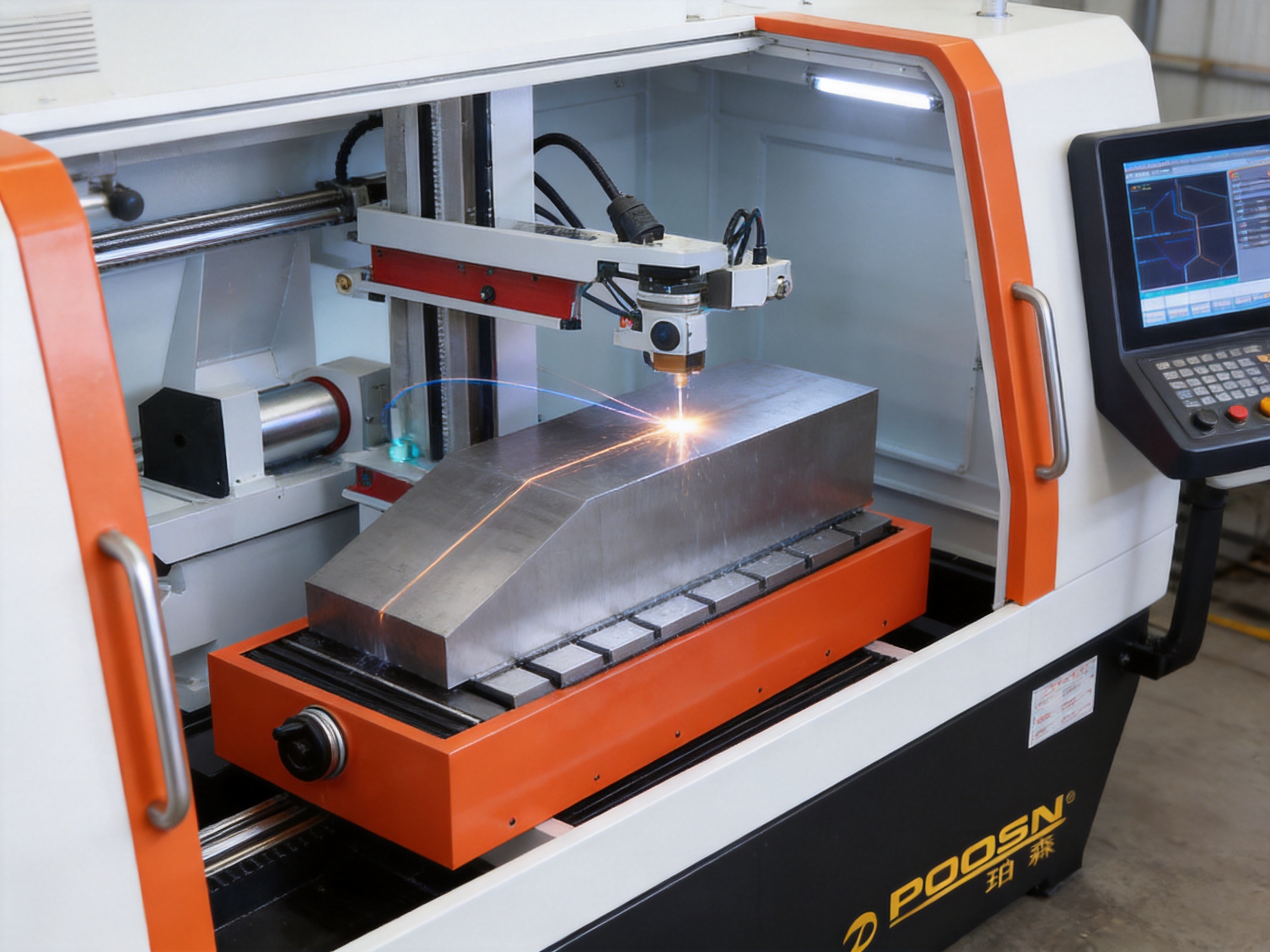
The performance of a wire EDM depends not only on the final assembly but also on the quality of the manufacturing process used to produce the machine itself. The manufacturer applies a structured approach that includes casting preparation, mechanical processing, component inspection, electrical integration, assembly, calibration, and test cutting.
Machine casting and stress control
Machine-bed and structural castings must possess sufficient rigidity and dimensional stability. Natural aging is used to reduce internal stress before precision machining. This step helps prevent gradual deformation after the machine has been installed at the customer’s facility.
After stress control, key mounting surfaces are machined to support the linear guides, worktable, wire frame, and other precision assemblies. The quality of these surfaces influences guide alignment and the geometric relationship between the wire path and worktable.
Precision mechanical assembly
Assembly includes the installation and alignment of linear guides, ball-screw or axis-drive components, wire guide assemblies, tension devices, flushing nozzles, taper mechanisms, and worktable structures. Correct alignment is necessary to achieve smooth axis travel, stable wire movement, and reliable four-axis interpolation.
Critical components are adjusted and inspected during assembly rather than relying solely on final customer commissioning. This reduces installation complexity and allows the machine to be shipped in a calibrated, test-cut condition.
Electrical integration and control verification
The control cabinet, pulse power supply, drive units, sensors, pumps, protection circuits, and operator interface are integrated and tested before shipment. Axis movement, emergency functions, wire transport, fluid circulation, discharge behavior, and control-system communication are verified as part of the commissioning process.
Optional configurations can include AC servo drives for the X/Y axes, linear scale feedback, upgraded control cabinets, automatic wire threading, large-taper structures, and other application-specific systems. These options allow the machine to be configured for different levels of automation and precision.
Accuracy testing and test cutting
Each machine undergoes positioning accuracy testing according to the applicable GB/T7926-2015 standard. Factory testing may also include laser interferometer calibration, circularity or ballbar testing, axis repeatability checks, taper verification, and sample cutting.
Test cutting is valuable because it evaluates the complete machine system rather than an individual component. It confirms the interaction among mechanical motion, wire tension, flushing, discharge energy, and control logic. A machine that has been assembled, calibrated, and test-cut before dispatch can generally be installed with less mechanical reassembly at the customer’s site.
Advantages Over Competing Solutions
Balanced precision and operating economy
The primary competitive advantage of the DK35BC is its balance between precision capability and cost control. It provides multi-pass cutting and linear guide support without requiring the same level of investment as many imported low-speed wire EDM systems. At the same time, it offers more finishing flexibility than a basic high-speed wire-cut machine.
Lower consumable expenditure
Reciprocating molybdenum wire, reusable guide components, and water-based dielectric operation can reduce running costs. For manufacturers processing many medium-sized tooling parts, these savings can have a significant effect on the long-term cost per component.
Flexible production range
The machine is capable of processing hardened materials, thick plates, tapered profiles, precision inserts, and complex contours. It can serve both general job-shop work and repeat production. The same equipment can perform a high-efficiency rough pass and then continue with finishing passes, reducing the need to transfer the part between different machines.
Compact footprint
With host dimensions of approximately 1,650 × 1,345 × 1,830 mm, the DK35BC is appropriate for workshops where floor space is limited. Its compact form does not eliminate the need for access, fluid maintenance space, electrical installation, and safe operator movement, but it can be easier to integrate than a larger machine with similar cutting capacity.
Adaptable configuration
Users can select standard stepper drives or optional AC servo drives, standard or upgraded control cabinets, and optional linear scale feedback. Large-taper, automatic wire-threading, extended-travel, rotary-table, and certification packages may also be considered for specific markets and applications.
Practical technical support
Technical support
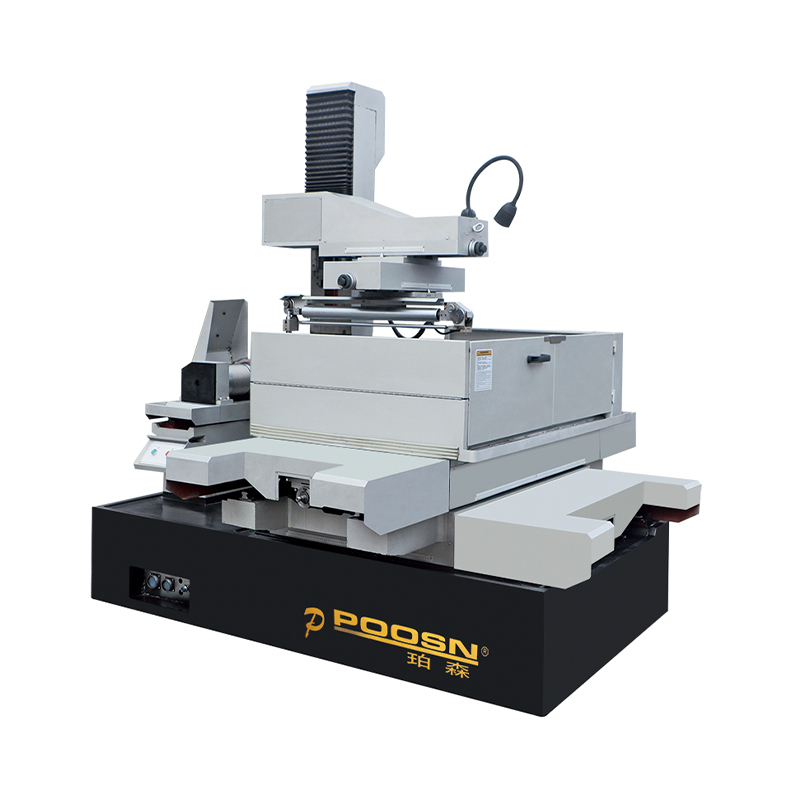
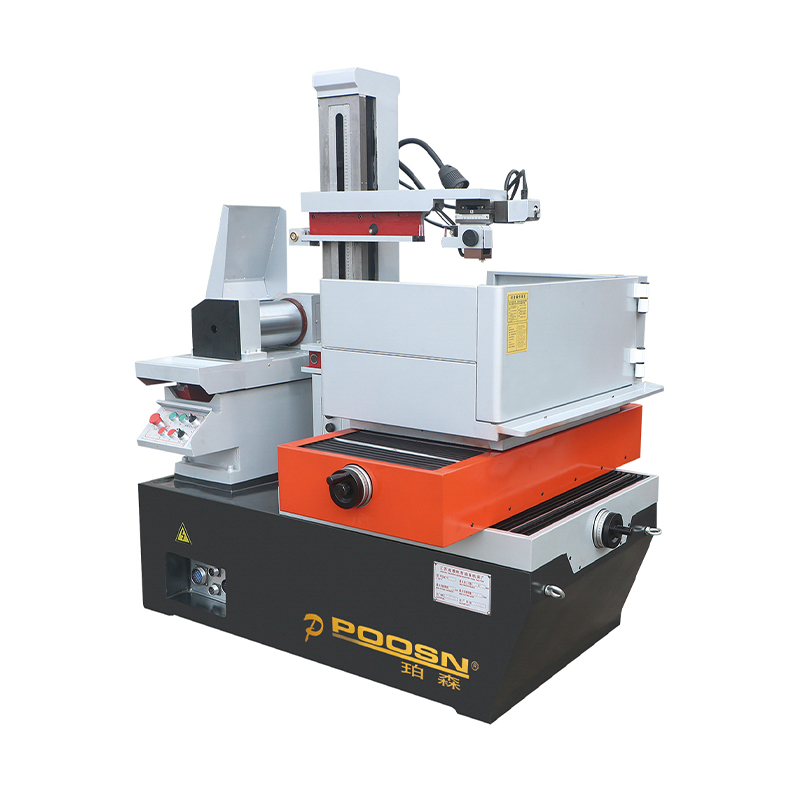
Product: DK35BC CNC Medium-Speed Wire EDM Machine (350×450mm Travel)

-
Phone
+86-0523-86268788 +86-13815960366 +86-13912191163Email
[email protected]Address
No. 366, Yusheng Road Jiulong Town, Hailing District Taizhou City, China
Copyright © Taizhou Xinchengyang Machinery Manufacturing Co., Ltd. All Rights Reserved.
Custom edm machine for sale
wholesale edm machine manufacturers
