

 English
 русский
 عربى
عربى

Zhou Meiling — Technical Sales Consultant
Home / Author / Zhou Meiling — Technical Sales Consultant / Heavy-Duty Medium-Speed Wire-Cut EDM for Precision Production
Heavy-Duty Medium-Speed Wire-Cut EDM for Precision Production
2026-08-01
Modern mold makers, precision component manufacturers, and industrial production departments increasingly require equipment that can combine dimensional accuracy, stable operation, high material-removal efficiency, and dependable performance under heavy workloads. The PS45C Heavy-Duty CNC Medium-Speed Wire-Cut EDM Machine is designed to address these requirements through a balanced combination of rigid mechanical construction, intelligent electrical control, constant-tension wire management, high-pressure fluid circulation, and flexible configuration options.
As a medium-speed wire-cut electrical discharge machining solution, the PS45C occupies an important position between compact machines intended for small components and larger systems designed exclusively for oversized workpieces. Its 450 mm X-axis travel, 600 mm Y-axis travel, 280 mm maximum cutting thickness, and 400 kg maximum worktable load allow it to process medium-to-large workpieces while maintaining stable movement and reliable cutting performance. The machine is particularly suitable for thick molds, heavy machinery components, precision tooling, aerospace parts, and other applications in which workpiece size and weight create challenges for conventional wire-cut equipment.
The PS45C is manufactured by Taizhou Xinchengyang Machinery Manufacturing Co., Ltd., a specialized producer of electrical discharge machining equipment with a history of technical development dating back to 1999. The company has built its product portfolio around medium-speed, high-speed, and large-taper wire-cut EDM technologies. Its manufacturing approach combines in-house engineering, precision assembly, positioning-accuracy testing, advanced casting treatment, imported motion components, and application-oriented customization.
Rather than focusing only on nominal machine dimensions, the PS45C is engineered as a complete processing system. Its performance depends on the interaction of the machine bed, worktable, servo or stepper drive, linear guides, ball screws, wire-feeding mechanism, pulse power supply, CNC control, dielectric circulation, and filtration system. This integrated approach helps the machine deliver repeatable results during both rough cutting and multiple-pass finishing operations.
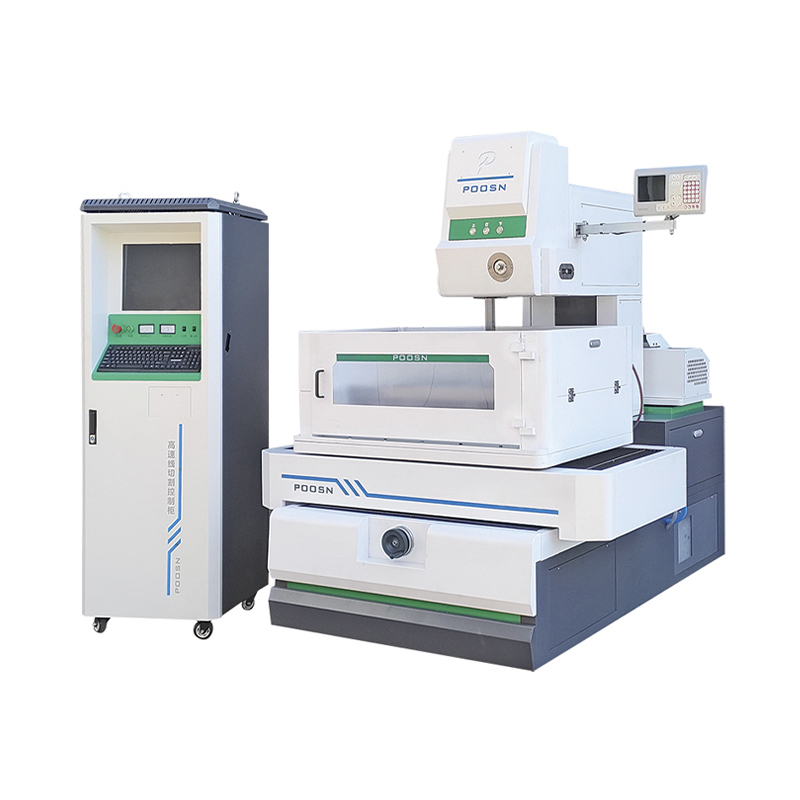
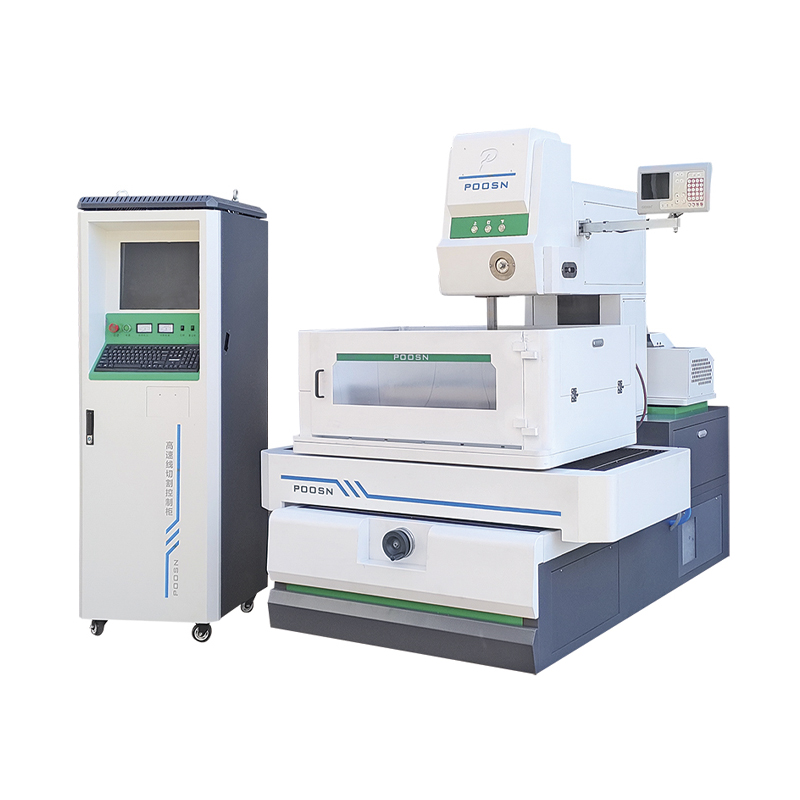
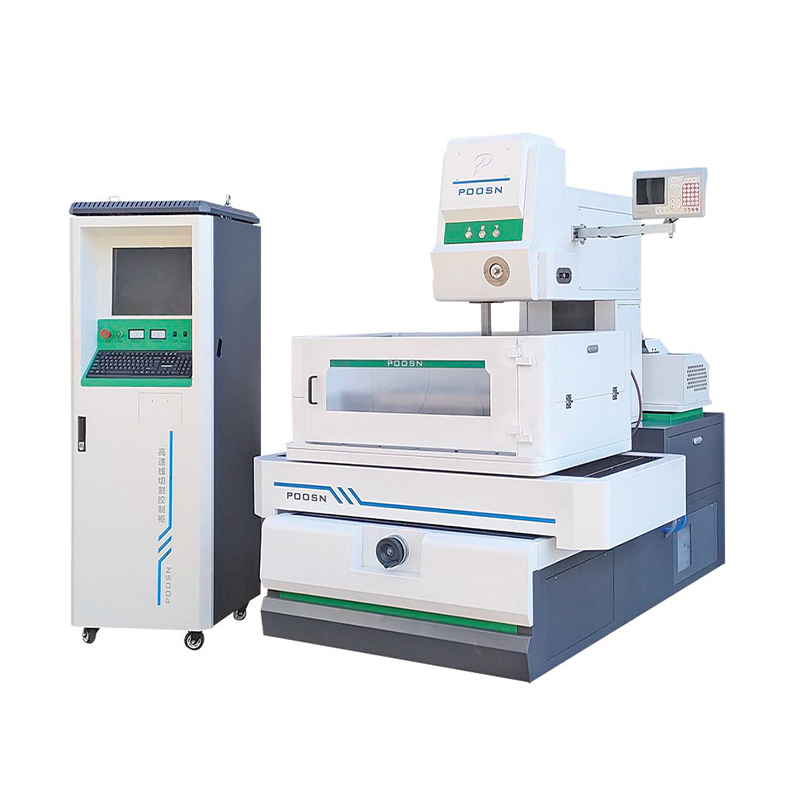
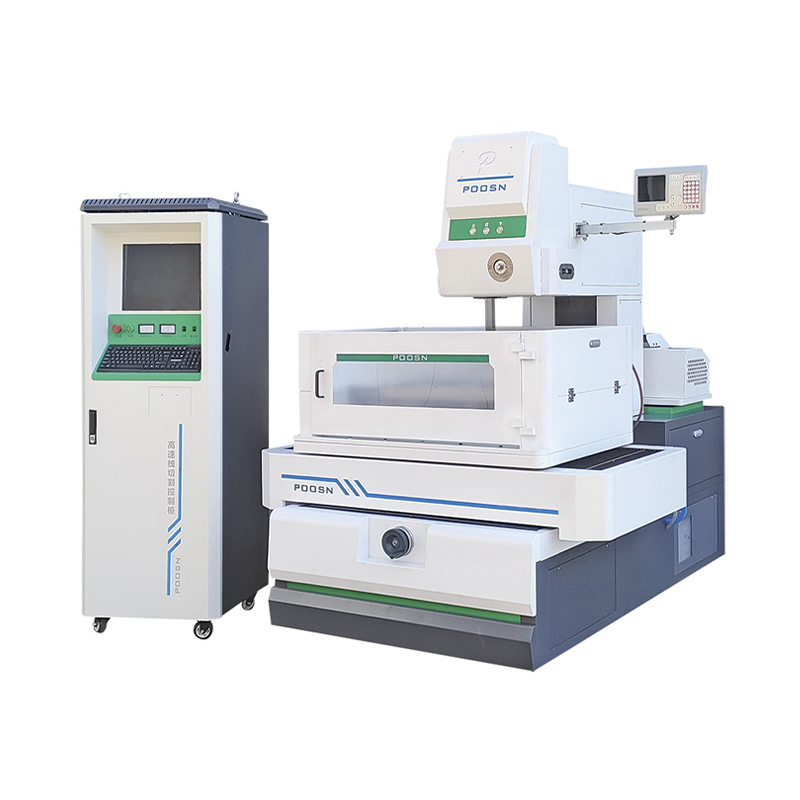
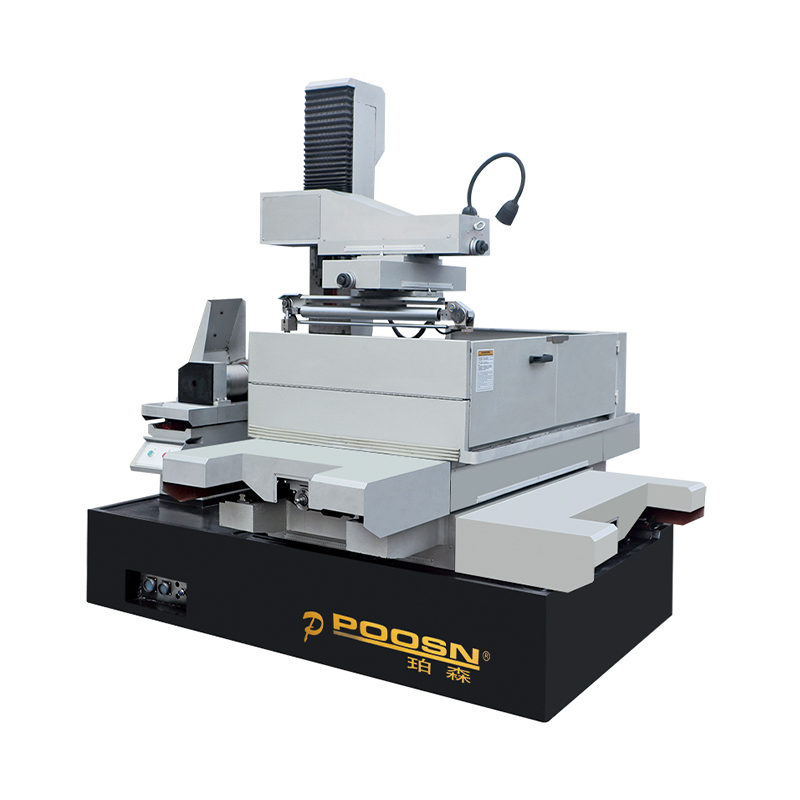
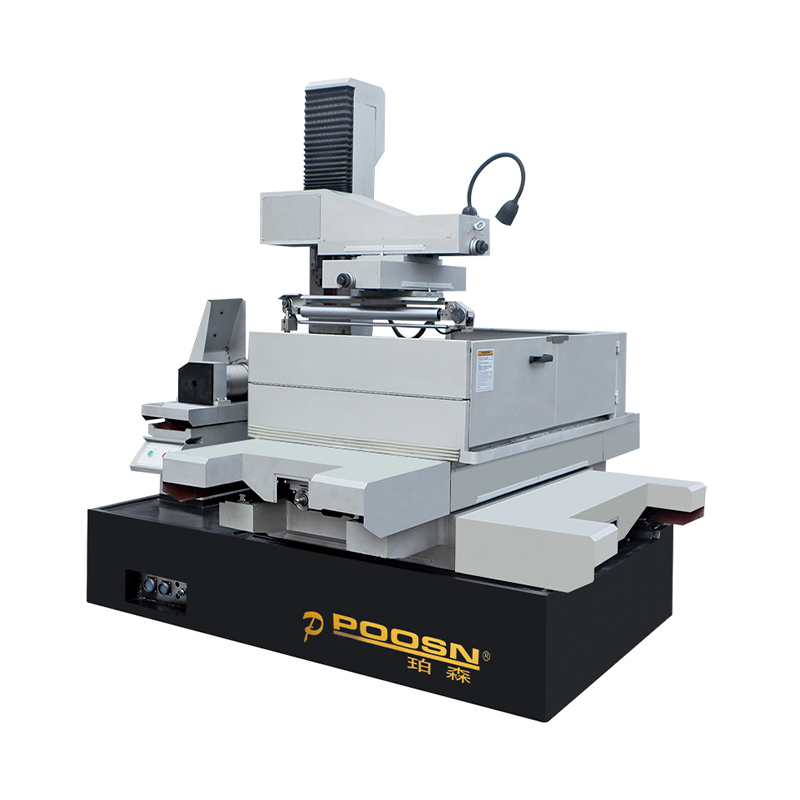
PS45C Heavy-Duty CNC Medium Speed Wire Cut EDM Machine
Content
- 1 Designed for Larger and Heavier Workpieces
- 2 Mechanical Structure and Manufacturing Stability
- 3 Constant-Tension Wire Control
- 4 Electrical Discharge and Pulse Power Technology
- 5 Processing Efficiency and Surface Quality
- 6 Large Taper and Four-Axis Cutting Capability
- 7 Intelligent CNC Control System
- 8 Fluid Circulation, Flushing, and Filtration
- 9 Advantages Over Smaller or Less Specialized Machines
- 10 Applications in Mold Manufacturing
- 11 Applications in Heavy Machinery and Precision Components
- 12 Aerospace and High-Reliability Manufacturing
- 13 Manufacturing Strengths of the Producer
- 14 Quality Control and Assembly Practices
- 15 Energy Efficiency and Operating Cost Considerations
- 16 Installation and Operating Environment
- 17 Configuration and Model Selection
- 18 Automation and Production-Line Integration
- 19 Recommended Production Workflow
- 20 Q&A
- 20.1 What is the main purpose of the PS45C?
- 20.2 How does the PS45C compare with the PS35C?
- 20.3 What is the maximum cutting thickness?
- 20.4 What is the maximum worktable load?
- 20.5 What cutting efficiency can the machine achieve?
- 20.6 Can the PS45C perform taper cutting?
- 20.7 How does constant-tension control improve machining?
- 20.8 What surface roughness can be achieved?
- 20.9 Does the machine support automatic threading?
- 20.10 What control system is used?
- 20.11 Are AC servo drives available?
- 20.12 What industries use the PS45C?
- 20.13 Can the machine be customized?
- 20.14 What environment is recommended for installation?
- 20.15 What maintenance is important for long-term performance?
- 21 Conclusion
- 22 References
- 23 Product: PS45C Heavy-Duty CNC Medium Speed Wire Cut EDM Machine
Designed for Larger and Heavier Workpieces
The fundamental advantage of the PS45C is its ability to process workpieces that exceed the practical capacity of many smaller medium-speed wire-cut EDM machines. The worktable measures 650 × 926 mm, while the X/Y travel reaches 450 × 600 mm. These dimensions provide useful working space for medium-sized molds, plates, inserts, dies, and structural parts without requiring the footprint or investment associated with a much larger heavy-duty machine.
The machine supports a maximum worktable load of 400 kg. This capacity is important when processing hardened steel blocks, thick mold plates, heavy fixtures, and large precision components. A high load rating is valuable only when the machine structure can support the load without excessive deformation or vibration. For this reason, the PS45C uses a high-strength cast structure and a T-shaped bed arrangement. The worktable moves within the support area of the base, helping reduce deformation and contributing to long-term geometric stability.
Large workpieces can generate greater cutting resistance, more complicated flushing conditions, and increased demands on the wire drive system. The PS45C addresses these factors through a rigid frame, full-stroke position monitoring, a precision wire-feeding system, and a high-pressure water tank with an 80-liter capacity. These features help maintain a stable machining environment when the machine is used for long cutting cycles.
The 280 mm maximum cutting thickness further broadens the application range. Thick workpieces are difficult to cut efficiently because the wire must remain stable across a greater distance, debris must be evacuated from a deeper gap, and the thermal and electrical conditions vary through the workpiece. The PS45C combines controlled pulse energy, automatic water spraying, wire-tension management, and optimized fluid circulation to support consistent processing of thick sections.
Mechanical Structure and Manufacturing Stability
Precision wire-cut EDM depends on the accuracy of the machine’s mechanical structure. Even a sophisticated control system cannot compensate indefinitely for bed deformation, guideway misalignment, bearing clearance, or thermal instability. The PS45C therefore uses high-quality HT250 castings and a rigid T-shaped bed. The cast structure provides a stable foundation for the worktable, guide rails, wire frame, and taper mechanism.
Castings used in the machine structure undergo aging treatment to relieve internal stress. Without adequate stress relief, residual stress may gradually cause dimensional changes as the casting is exposed to operating loads, temperature variation, and vibration. Aging treatment helps preserve the geometry established during machining and assembly. This is especially important for a machine intended for heavy workpieces and long-term industrial operation.
The machine incorporates precision linear guides and ball screws in the primary motion and taper mechanisms. Taiwan-brand high-precision guides and ball screws are used in the machine configuration, while imported EZO bearings support the motion mechanisms. These components help reduce friction and play, improve positioning smoothness, and support repeatable movement during contour cutting and multiple-pass operations.
Guideway and screw alignment are critical during assembly. The manufacturer applies careful compensation and alignment procedures to maintain parallel movement and reduce the influence of mechanical error. The worktable is also equipped with a grating scale for real-time, full-stroke position monitoring. This provides a direct position reference and helps improve control over the actual movement of the table across its complete travel range.
In practical production, structural stability affects more than dimensional accuracy. It also influences surface quality, wire vibration, cutting consistency, and the frequency of operator intervention. A rigid and carefully aligned machine can maintain more predictable conditions during long cuts, reducing the risk that a workpiece will require excessive correction or repeated machining.
Constant-Tension Wire Control
Electrode-wire stability is one of the most important factors in wire-cut EDM. The wire must move continuously through the cutting zone while remaining sufficiently tensioned to resist vibration. If tension is too low, the wire may deflect, produce taper errors, generate visible vibration marks, or reduce contour accuracy. If tension fluctuates excessively, the wire may experience uneven loading, increasing the possibility of breakage or inconsistent cutting.
The PS45C uses an adaptive constant-tension wire-tightening mechanism. Unlike a simple weight-based system, which may respond slowly to sudden tension changes, the adaptive mechanism is designed to sense and compensate for wire-feeding conditions. Dynamic tension control remains active during taper cutting, when the geometry and motion of the upper and lower wire guides create additional demands on wire stability.
Stable wire tension is particularly valuable when cutting thick workpieces. A long span of wire has greater sensitivity to vibration, while a deep cut requires the wire to maintain its intended path through the entire thickness. Constant-tension control supports better perpendicularity, more consistent surface texture, and greater dimensional reliability from the top of the workpiece to the bottom.
The automatic double-sided tightening mechanism further helps prevent molybdenum-wire vibration and one-sided loosening. This arrangement improves the consistency of the wire path and reduces the need for frequent manual adjustment. By stabilizing both sides of the wire drive system, the machine is better prepared for extended production cycles and complex contour work.
The PS45C also features a waterproof gemstone guide wheel with a 40 mm diameter. The single-sided gemstone guide wheel is designed to support easy threading, long service life, and high precision. A well-designed guide wheel reduces friction and helps maintain the position of the electrode wire as it enters and exits the cutting zone.
One-touch automatic threading is available to simplify preparation between jobs or after wire replacement. Automatic threading reduces manual labor, improves operator safety, and supports faster machine changeover. In production environments where many different parts are processed, shorter setup time can contribute significantly to overall equipment productivity.
Electrical Discharge and Pulse Power Technology
The electrical discharge power supply determines how efficiently the machine converts electrical energy into controlled material removal. The PS45C is equipped with a patented, environmentally oriented pulse power supply designed to support low electrode wear, efficient cutting, reduced surface roughness, and improved energy utilization.
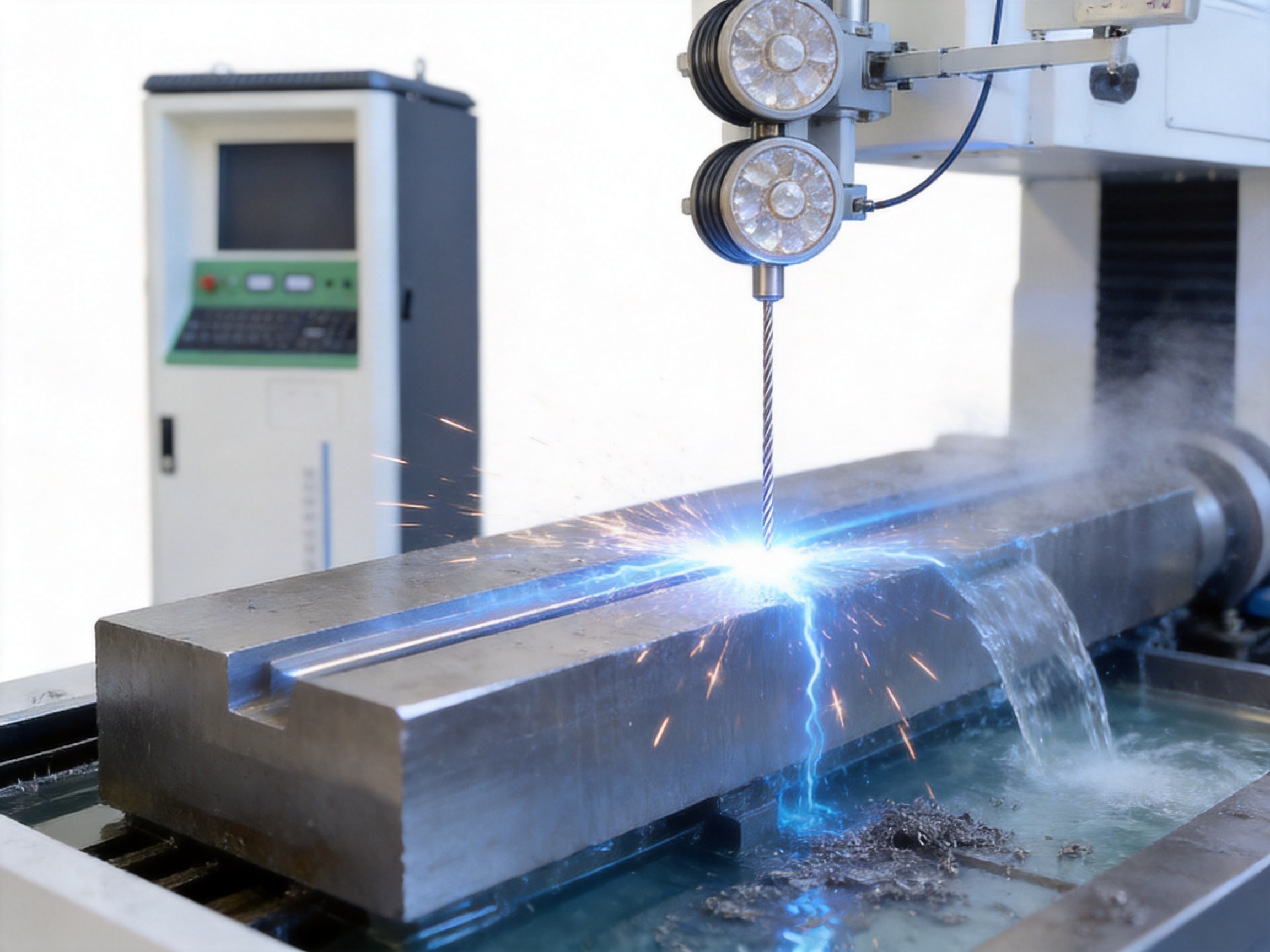
During EDM, controlled electrical pulses create sparks between the electrode wire and the workpiece. Each discharge removes a small amount of material, while dielectric fluid cools the cutting zone and carries away debris. The power supply must therefore respond to changing gap conditions. If the gap becomes unstable, the system must adjust the pulse behavior to reduce short circuits, maintain discharge continuity, and protect the wire.
The PS45C uses a high-frequency control system that can adapt processing parameters to workpiece material, thickness, and real-time gap conditions. This adaptability helps maintain a stable cutting rate across changing sections of a contour. It also supports the use of multiple cutting passes, in which rough cutting is followed by finishing passes with lower energy and more refined control.
High-frequency pulse control can reduce unnecessary energy loss and limit electrode-wire consumption. Lower wire wear is economically important because it reduces consumable costs and can support longer uninterrupted machining cycles. It may also help preserve the mechanical characteristics of the wire, contributing to a more stable wire path during extended operation.
The power supply is designed to reduce the recast layer formed on the machined surface. The recast layer is a resolidified material layer created by the rapid heating and cooling associated with electrical discharges. Excessive recast material may affect fatigue performance, wear resistance, or the suitability of a component for demanding applications. Through pulse waveform optimization and multiple-pass strategies, the PS45C can produce a refined surface suitable for precision molds, tooling, and functional components.
Processing Efficiency and Surface Quality
The stated maximum cutting efficiency of the PS45C ranges from 10,000 to 16,000 mm²/h. Actual results depend on workpiece material, thickness, contour complexity, wire condition, flushing quality, selected control cabinet, and cutting strategy. Nevertheless, this performance range positions the machine for productive processing of larger workpieces and higher-load components.
High cutting efficiency is valuable during rough cutting, but production performance should not be measured by rough-cut speed alone. A complete production cycle may include programming, setup, threading, rough cutting, skim cutting, inspection, and correction. The PS45C is designed to improve the overall process by combining efficient rough cutting with stable multiple-pass finishing.
Multiple-pass machining allows the first cut to remove most of the material quickly, while subsequent passes correct minor dimensional deviations and improve the surface finish. The machine can achieve an optimal surface roughness of Ra ≤ 1.2 μm under multi-cutting test conditions. This level of finish is suitable for applications requiring clean functional surfaces, accurate mating surfaces, and reduced manual polishing.
Stable wire tension, controlled pulse energy, and high-precision motion work together during finishing. When these systems are properly coordinated, the machine can reduce striation, minimize corner errors, and improve the consistency of narrow slots, intricate profiles, and small internal features.
The stated processing accuracy is 0.01 mm under test conditions. Production accuracy may vary according to material, thermal environment, workpiece clamping, programming method, cutting thickness, and maintenance status. Even so, the structure and control technologies of the PS45C are intended to support repeatable precision in demanding production environments.
| Performance Item | PS45C Specification or Capability | Production Value |
| X/Y travel | 450 × 600 mm | Supports medium-to-large workpieces and larger profiles |
| Worktable size | 650 × 926 mm | Provides expanded space for molds, plates, and fixtures |
| Maximum cutting thickness | 280 mm | Suitable for thick materials and deep sections |
| Maximum worktable load | 400 kg | Supports heavy components while maintaining stability |
| Maximum cutting efficiency | 10,000–16,000 mm²/h | Improves rough-cut productivity and batch capacity |
| Optimal surface roughness | Ra ≤ 1.2 μm with multiple cutting | Reduces finishing and polishing requirements |
| Controlled axes | X, Y, U, and V four-axis linkage | Enables contour and taper-cutting operations |
| Wire feed speed | 1–11 m/s, frequency controlled | Allows adjustment for different materials and conditions |
Large Taper and Four-Axis Cutting Capability
Although the PS45C is primarily designed as a medium-speed wire-cut EDM machine, it also supports taper-cutting operations through coordinated U and V axes. The taper device uses linear guides and ball screws to provide controlled movement of the upper wire guide. The standard taper capability is ±6° over 80 mm, allowing the machine to process components that require inclined walls, angled profiles, or upper-and-lower contour differences.
The U and V axes use stepper drives in the standard configuration, while optional combinations may include servo motors, linear guides, and ball screws. The available CNC stroke for the U and V axes is listed as 400 × 400 mm for ±30° and 590 × 590 mm for ±45° under the specified taper configuration. These capabilities offer flexibility for specialized workpieces and applications where a vertical cut alone is insufficient.
Taper cutting places additional demands on wire tension, guide alignment, and motion synchronization. The PS45C addresses these requirements through dynamic tension control, precision guide components, and four-axis linkage. Maintaining consistent upper and lower wire positions is important for achieving the intended angle and avoiding profile distortion.
The liftable gemstone wire guide offers two practical advantages. First, the guide can move closer to the workpiece surface during machining, reducing the free length of wire and helping minimize vibration. This can improve accuracy and surface finish, especially when cutting detailed contours or thick workpieces. Second, the cutting-height range can be adjusted without rethreading the wire, simplifying manual operation and improving work efficiency.
Intelligent CNC Control System
The control system acts as the central coordination platform for the PS45C. A professional industrial control computer is used to support stable, long-duration operation. The system includes LAN and USB interfaces for data exchange, making it easier to transfer programs, archive machining files, and connect the machine with an existing production workflow.
The standard programming system is identified as X8/AUTOCUT, while CAXA CAM2019 or TCAM may be available as optional software configurations. Intelligent programming functions simplify the creation of G-code programs and help operators prepare cutting paths for complex contours. An accessible programming environment is especially important for manufacturers that process a wide range of components rather than repeating a single standardized job.
Imported AC servo systems are available for the worktable, while the standard configuration uses XY stepper drives. Servo drives can provide advantages in response speed, feedback, and multiple-cut positioning, particularly when the application requires frequent direction changes or demanding finishing operations. The ability to select between standard and optional drive configurations allows customers to align the machine with their precision and budget requirements.
The control cabinet is available in different configurations, and the selected cabinet influences the available cutting efficiency. This modular approach allows users to choose a machine configuration based on production volume, desired response characteristics, automation requirements, and investment priorities.
Operator convenience is also an important part of intelligent control. Automatic threading, one-touch depth setting, automatic tracking water spraying, and programmable movement reduce repetitive manual actions. These functions can improve safety and consistency while allowing operators to focus on workpiece preparation, inspection, and process supervision.
Fluid Circulation, Flushing, and Filtration
Efficient flushing is essential for stable wire EDM. During cutting, the process produces microscopic particles and heat in the discharge gap. If these particles remain in the cutting zone, they can cause secondary discharges, unstable arcing, reduced cutting speed, wire breakage, and poor surface quality. The PS45C uses an 80-liter high-pressure water tank and paper-core filtration to support a clean and controlled dielectric environment.
Automatic tracking water spraying follows the cutting process and helps direct fluid toward the active machining area. Proper nozzle positioning is especially important when cutting thick sections, deep slots, or irregular contours. The machine’s fluid delivery design is intended to improve penetration into the cutting gap and support more effective debris removal.
The circulation system also helps dissipate heat. Although EDM is a localized process, long-duration cutting can create thermal changes in the workpiece, wire, and working fluid. Managing temperature helps reduce dimensional drift and supports more consistent results throughout the machining cycle.
Paper-core filtration provides a practical method for removing machining debris from the working fluid. Filter condition should be monitored as part of routine maintenance because a saturated filter can reduce flow, increase pump load, and compromise flushing performance. Regular fluid inspection, filter replacement, nozzle cleaning, and tank maintenance are important for preserving the machine’s stated performance.
The waterproof design of the gemstone guide wheel and the anti-splash structure of the machine further support a cleaner working environment. Minimizing fluid splatter protects surrounding components, reduces housekeeping requirements, and helps create safer conditions for machine operators.
Advantages Over Smaller or Less Specialized Machines
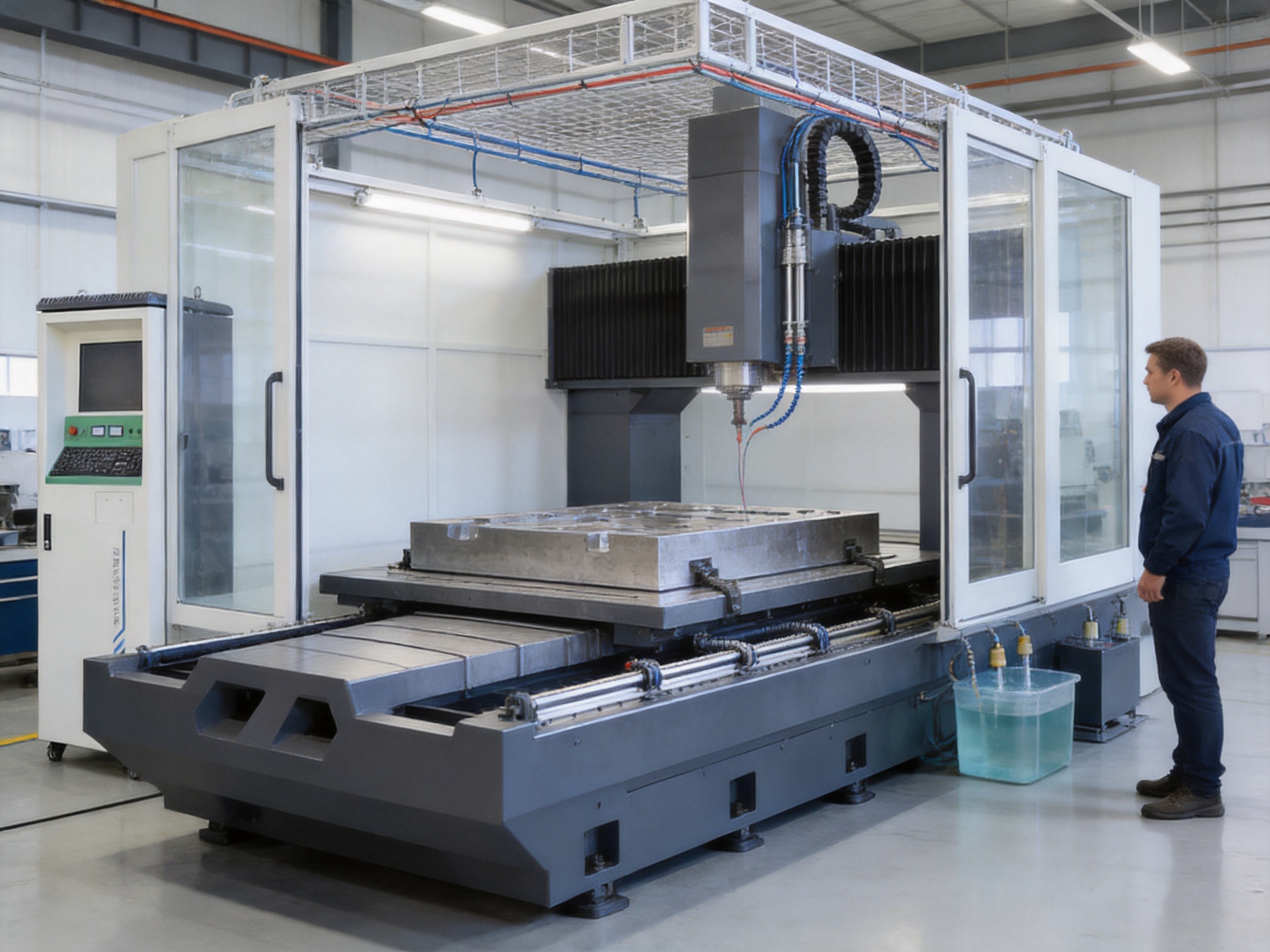
The PS45C offers several advantages when compared with compact wire-cut EDM machines intended primarily for small parts. Its larger travel range and worktable provide more room for workholding and nesting multiple components. Its 400 kg load rating accommodates heavier materials without forcing the operator to divide a large job into several smaller setups. Its 280 mm cutting thickness also allows it to process sections that may exceed the practical range of smaller equipment.
Compared with basic medium-speed machines that use simple wire-tension systems, the PS45C provides more advanced tension management. Adaptive constant tension and automatic double-sided tightening help maintain wire stability during long cuts, thick-section machining, and taper operations. This can reduce vibration marks and improve repeatability.
Compared with machines that rely only on rough cutting, the PS45C is equipped for a more complete production strategy. High-frequency power control, multiple-pass logic, full-stroke grating-scale monitoring, and optional AC servo drives support both productivity and finishing quality. This combination is useful for companies that need to reduce secondary polishing or manual correction.
Compared with equipment that offers limited taper capability, the PS45C provides four-axis X/Y/U/V linkage, linear-guided taper motion, and adjustable wire-guide height. These features expand the range of geometries that can be produced, including angled mold walls and components with different upper and lower profiles.
Compared with machines designed without customization flexibility, the PS45C can be adapted through options such as expanded worktables, increased cutting depths, automation integration, alternative control cabinets, AC servo drives, constant-tension mechanisms, and advanced CAM software. This allows the system to be configured for current production needs while retaining the possibility of future upgrades.
Applications in Mold Manufacturing
Large and medium-sized molds are among the most important applications for the PS45C. Mold components often require complex contours, narrow slots, precise profiles, and high-quality mating surfaces. Hardened mold steels can be difficult to machine using conventional cutting tools, especially after heat treatment. Wire EDM can cut such materials without applying significant mechanical cutting force to the workpiece.
The PS45C is suitable for punching dies, stamping molds, plastic-mold inserts, precision plates, guide components, and other tooling elements. Its larger worktable and high load capacity help accommodate thick mold sections. Multiple-pass cutting can produce accurate finished profiles and reduce the amount of manual fitting required during mold assembly.
For precision stamping dies, dimensional consistency across multiple cavities or inserts is particularly important. The machine’s position monitoring, stable guide system, and controlled wire tension support repeatable contour production. When process parameters are standardized, production teams can develop reliable procedures for similar materials and part families.
For molds with angled surfaces, the taper device enables the production of inclined profiles. The machine’s four-axis linkage and constant-tension wire control help maintain the programmed angle throughout the cut. This is valuable for mold components in which draft, clearance, or a tapered punch profile is required.
Applications in Heavy Machinery and Precision Components
Heavy machinery manufacturers often produce components that are both large and difficult to machine. Parts may be made from hardened steel, tool steel, carbide, or other conductive materials with high wear resistance. The PS45C can process many of these materials through controlled thermal erosion, making it suitable for wear plates, machine components, cutting tools, fixtures, and specialized industrial parts.
The machine’s 400 kg worktable load allows manufacturers to place substantial components on the table while maintaining a stable support condition. Proper workholding remains essential: the part must be securely positioned, free from unwanted movement, and arranged so that flushing can reach the cutting area effectively.
In precision component production, the machine can support small-batch and mass-production workflows. Its high cutting efficiency is useful for rough cutting, while its multiple-pass capability supports finishing. Automatic threading and programmable control reduce setup time when jobs are repeated or changed frequently.
Wire EDM is also useful for producing components with internal profiles that are difficult to create with rotary tools. A pre-drilled starting hole allows the wire to enter the workpiece and cut enclosed contours. This method can produce intricate openings, keyways, slots, and profile features without requiring a large cutting force.
Aerospace and High-Reliability Manufacturing
Aerospace manufacturing places demanding requirements on dimensional accuracy, process stability, traceability, and surface integrity. The PS45C can provide a practical machining solution for conductive aerospace components, tooling, fixtures, and specialized parts that require complex profiles or precision slots.
In this sector, the machine should be operated with carefully qualified parameters. Material grade, heat-treatment condition, thickness, flushing, cutting strategy, and surface requirements must be verified for each application. Multiple-pass machining can help achieve a controlled final surface, while stable wire tension supports profile accuracy through thick sections.
The machine’s rigid structure and position-monitoring system are valuable for applications in which repeatability is important. The ability to record programs and standardize process conditions through the CNC system can also assist production control. For critical applications, manufacturers should conduct their own validation, dimensional inspection, and surface-integrity testing before approving a process for serial production.
Manufacturing Strengths of the Producer
Taizhou Xinchengyang Machinery Manufacturing Co., Ltd. has specialized in electrical discharge wire cutting since 1999. This long-term focus provides an important foundation for developing machines that address the practical requirements of EDM users. The company’s product lines include PS-C and DK77-BC medium-speed wire-cut machines, DK77-A and DK77-B high-speed wire-cut machines, and DK77-D large-taper wire-cut machines.
The company maintains technical capabilities in research, development, production, testing, and equipment design. Its manufacturing facilities use advanced processing equipment and comprehensive inspection methods. Each machine tool undergoes positioning-accuracy testing, helping ensure that the delivered equipment meets defined quality requirements before shipment.
The company’s development history reflects continued investment in EDM technology. The POOSN brand originated in 2003, followed by cooperation with Bingfeng CNC in 2007 to expand market coverage. In 2009, the company received recognition as an advanced unit for quality and reputation. Taizhou Xinchengyang Machinery Manufacturing Co., Ltd. was established in 2017 with registered capital of 60 million yuan and its own factory. In 2018, the company obtained a patent related to a fully automatic CNC machine tool using plate-type winding and suction-type adhesive technology. In 2021, it was recognized as a high-tech enterprise in Taizhou.
These milestones indicate a manufacturing organization that combines product specialization with continuous technical development. The company’s machines are sold throughout China, while selected models are exported to Southeast Asia, West Asia, Europe, and the Americas. International application experience can help a manufacturer understand different production standards, electrical requirements, operator expectations, and after-sales service needs.
Quality Control and Assembly Practices
The quality of an EDM machine depends on the accuracy of individual components as well as the discipline of final assembly. A casting may be structurally sound, but the machine will not perform properly if guide rails are not aligned, ball screws are not correctly installed, bearings are improperly preloaded, or the wire guides are not positioned accurately.
The PS45C manufacturing process therefore includes attention to casting stability, mechanical processing, component inspection, alignment, electrical integration, and final testing. Imported bearings, precision guides, ball screws, grating scales, and drive components are selected to support the required motion accuracy. The complete machine is then evaluated through positioning and operational tests.
Electrical and mechanical systems must also be tested together. The wire drive must run smoothly under different speeds, the tension system must respond to changing conditions, the water circulation system must maintain flow, and the CNC system must coordinate axis movement with discharge control. Integrated testing is essential because the final cutting result depends on the interaction of all these subsystems.
The company’s commitment to professional technical support is another manufacturing strength. Rapid response and application assistance help users maintain operational stability after installation. Technical support may include installation guidance, programming advice, process adjustment, maintenance recommendations, and troubleshooting.
Energy Efficiency and Operating Cost Considerations
Energy consumption is an important factor in the total cost of ownership of an EDM machine. The PS45C is designed with an energy-efficient pulse power supply and optimized cutting control. By delivering electrical energy more efficiently to the discharge gap, the system can reduce unnecessary consumption while maintaining cutting performance.
Lower electrode-wire wear can also reduce operating costs. Wire consumption depends on cutting conditions, material, thickness, wire speed, tension, and the selected pulse parameters. A stable wire drive and controlled power supply help avoid inefficient wear caused by unstable discharges or mechanical tension fluctuations.
Production efficiency contributes to cost reduction in several ways. Faster rough cutting shortens machine occupancy, while reliable finishing reduces manual polishing and rework. Automatic threading decreases setup labor, and programmable control makes it easier to repeat established processes. The result is a more predictable production cycle.
Maintenance remains essential to preserving these benefits. Operators should keep the working fluid clean, replace filters at suitable intervals, inspect wire guides and guide wheels, verify wire tension, lubricate or inspect motion components according to the maintenance schedule, and keep the machine environment clean and temperature-controlled.
Installation and Operating Environment
For the PS45C to achieve its best accuracy, installation should be carried out on a stable foundation with sufficient load-bearing capacity. The machine should be protected from excessive vibration, direct heat sources, corrosive substances, and large temperature fluctuations. A controlled environment helps minimize dimensional changes caused by thermal expansion and contraction.
The recommended environment should be relatively clean and free from excessive dust. Dust and airborne contaminants can affect electrical cabinets, guide components, bearings, fluid quality, and the reliability of sensors. Adequate ventilation and safe access around the machine are also important for routine operation and maintenance.
Electrical installation must match the machine requirements. The listed power supply is 3N 380 V ±10, while the electrical capacity is 2.5 kVA for the specified control configuration. Actual site preparation should be confirmed with the manufacturer because control-cabinet selection, optional equipment, local electrical standards, and auxiliary systems may influence installation requirements.
Operators should receive training in workpiece clamping, program verification, wire threading, dielectric management, emergency procedures, parameter selection, and daily inspection. Proper training not only improves productivity but also protects the machine from avoidable damage.
Configuration and Model Selection
The PS45C forms part of a broader PS-C machine family. Selecting the correct model depends on workpiece dimensions, weight, thickness, production volume, taper requirements, and expected future capacity.
The PS35C is intended for smaller parts and small-to-medium batch production. It offers a 350 × 500 mm X/Y travel and a 300 kg maximum worktable load. It can be appropriate when compact workpieces, high precision, and efficient processing are the main priorities.
The PS45C increases the X/Y travel to 450 × 600 mm and the maximum load to 400 kg. It is a practical choice for medium-sized molds and precision components requiring more space and stronger support than the PS35C can provide.
The PS50C is designed for larger and heavier parts, with 500 × 700 mm travel, a 600 kg load rating, and a maximum cutting thickness of 350 mm. The PS60C is intended for extra-large workpieces and high-load components, offering 600 × 800 mm travel, an 800 kg load rating, and a maximum cutting thickness of 430 mm.
| Model | X/Y Travel | Maximum Cutting Thickness | Maximum Worktable Load | Typical Positioning |
| PS35C | 350 × 500 mm | 280 mm | 300 kg | Small parts and compact production batches |
| PS45C | 450 × 600 mm | 280 mm | 400 kg | Medium-sized molds and precision components |
| PS50C | 500 × 700 mm | 350 mm | 600 kg | Larger and heavier industrial parts |
| PS60C | 600 × 800 mm | 430 mm | 800 kg | Extra-large workpieces and heavy-duty applications |
The PS45C is often the most balanced selection for a manufacturer whose current work exceeds the capacity of a compact machine but does not yet require the footprint and investment of an extra-large system. Customers can also discuss expanded worktables, increased cutting depth, automation functions, alternative drive systems, and control-cabinet configurations with the manufacturer.
Automation and Production-Line Integration
The PS45C supports a degree of automation and can be integrated with other equipment or production-line systems. Automation may include automatic threading, program transfer, workpiece handling, inspection systems, production scheduling, or communication with factory data platforms.
Automatic threading is particularly useful in environments that perform repeated jobs or operate multiple shifts. It reduces the need for manual intervention after wire breakage or spool replacement. Program transfer through USB or LAN interfaces can also support centralized data management and reduce errors associated with manual program entry.
Further automation depends on the customer’s production layout. The manufacturer can evaluate requirements such as robotic loading, barcode or job identification, remote monitoring, automatic measurement, and connection to a manufacturing execution system. The purpose of customization should be to improve the complete workflow rather than simply add isolated functions.
When planning automation, manufacturers should consider workpiece weight, clamping method, starting-hole preparation, access to the worktable, dielectric management, inspection requirements, and operator safety. The PS45C’s robust structure and programmable CNC foundation provide a suitable platform for such development.
Recommended Production Workflow
A reliable PS45C process begins with correct workpiece preparation. The material should be conductive and securely clamped. Starting holes for enclosed contours must be positioned accurately, and sufficient clearance should be provided for wire threading and flushing. The operator should verify that the selected worktable location is compatible with the planned travel and taper movement.
The next step is program preparation. The contour should be checked for lead-in and lead-out paths, corner conditions, compensation values, taper data, and multiple-cut settings. The control system and optional CAM software can help generate and manage the required G-code.
Rough cutting should prioritize stable material removal and reliable flushing. The correct wire speed, pulse parameters, water flow, and tension should be selected according to material and thickness. After rough cutting, finishing passes can be used to refine dimensions and reduce surface roughness.
Inspection should be performed after machining. Critical dimensions, taper angle, surface condition, and profile accuracy should be checked using suitable instruments. Process data can then be recorded and used to improve future jobs. This systematic workflow helps transform the machine’s technical capabilities into repeatable production performance.
Q&A
What is the main purpose of the PS45C?
The PS45C is a heavy-duty CNC medium-speed wire-cut EDM machine designed for precision machining of medium-to-large workpieces. It is suitable for molds, heavy machinery parts, precision tooling, aerospace components, and other conductive materials requiring complex profiles or accurate thick-section cutting.
How does the PS45C compare with the PS35C?
The PS45C provides a larger work area and stronger load capacity. Its X/Y travel is 450 × 600 mm, compared with 350 × 500 mm for the PS35C, and its maximum worktable load is 400 kg, compared with 300 kg. The PS45C is therefore better suited to larger molds, heavier components, and production tasks requiring greater working space.
What is the maximum cutting thickness?
The maximum cutting thickness of the PS45C is 280 mm. Actual performance depends on the workpiece material, geometry, flushing condition, wire setting, and selected electrical parameters.
What is the maximum worktable load?
The maximum worktable load is 400 kg. The workpiece must still be properly supported and securely clamped so that its weight is distributed safely and movement does not occur during machining.
What cutting efficiency can the machine achieve?
The specified maximum cutting efficiency is 10,000–16,000 mm²/h. The exact value depends on the selected control cabinet, workpiece material, thickness, cutting geometry, wire condition, and process parameters.
Can the PS45C perform taper cutting?
Yes. The machine uses X, Y, U, and V four-axis linkage for taper cutting. The standard maximum cutting taper is ±6° over 80 mm, and the taper mechanism uses linear guides and ball screws for controlled motion.
How does constant-tension control improve machining?
Constant-tension control reduces fluctuations in electrode-wire tension. This helps limit wire vibration, improve perpendicularity, reduce striation, and maintain more consistent dimensional accuracy during thick-section and taper cutting.
What surface roughness can be achieved?
The optimal stated surface roughness is Ra ≤ 1.2 μm under multiple-cutting test conditions. Actual results vary according to the material, thickness, cutting strategy, electrical parameters, and maintenance condition of the machine.
Does the machine support automatic threading?
Yes. One-touch motorized automatic threading is available to reduce manual labor and improve operating convenience. This function is useful when the wire must be replaced or rethreaded during production.
What control system is used?
The standard programming system is X8/AUTOCUT. CAXA CAM2019 or TCAM may be available as optional configurations. LAN and USB interfaces support data exchange and program transfer.
Are AC servo drives available?
Yes. The standard worktable configuration uses XY stepper drives, while XY AC servo drives are available as an option. Servo drives may be preferred for applications requiring faster response, enhanced feedback, or demanding multiple-pass positioning.
What industries use the PS45C?
Typical industries include mold manufacturing, stamping-die production, precision machinery, heavy equipment, aerospace, tooling, and general industrial component manufacturing. It is especially appropriate for parts requiring a combination of high accuracy, larger dimensions, and reliable thick-material processing.
Can the machine be customized?
Customization options may include expanded worktables, increased cutting depth, automation integration, alternative control cabinets, advanced CAM software, AC servo drives, and enhanced taper-axis components. The available options should be confirmed according to the specific machine configuration and production requirements.
What environment is recommended for installation?
A temperature-controlled, low-vibration, clean environment is recommended. Stable environmental conditions help reduce dimensional variation caused by thermal expansion, while a clean area protects the guideways, bearings, electrical cabinet, filtration system, and other components.
What maintenance is important for long-term performance?
Important maintenance includes monitoring dielectric-water quality, replacing paper-core filters, cleaning nozzles, checking wire guides and guide wheels, inspecting wire tension, lubricating motion components as specified, verifying electrical connections, and keeping the machine free from excessive debris and fluid contamination.
Conclusion
The PS45C Heavy-Duty CNC Medium-Speed Wire-Cut EDM Machine provides a well-balanced solution for manufacturers that need more capacity than a compact machine can offer while still requiring controlled investment and flexible production capability. Its 450 × 600 mm X/Y travel, 400 kg worktable load, 280 mm cutting thickness, four-axis taper control, and 10,000–16,000 mm²/h maximum cutting efficiency make it suitable for a broad range of demanding applications.
Its competitive strengths come from the integration of several systems: a rigid HT250 cast structure, T-shaped bed, aging-treated machine body, precision linear guides, ball screws, grating-scale monitoring, adaptive constant-tension wire control, high-frequency pulse power, high-pressure flushing, paper-core filtration, automatic threading, and intelligent CNC programming. Together, these features support productivity, accuracy, surface quality, and operating stability.
The manufacturing capabilities of Taizhou Xinchengyang Machinery Manufacturing Co., Ltd. further strengthen the machine’s value. Years of specialization in EDM, dedicated product development, precision assembly, testing procedures, technical support, and customization services allow the company to provide more than a standard machine platform. It can help customers select a suitable model, configure optional functions, establish process parameters, and improve production workflows.
For mold makers, heavy machinery manufacturers, aerospace suppliers, and precision component producers, the PS45C can serve as a dependable production asset. Its design is aimed at reducing manual intervention, supporting larger workpieces, improving cutting consistency, limiting unnecessary energy and wire consumption, and reducing the need for secondary finishing. With appropriate installation, operation, maintenance, and process validation, it can contribute to higher productivity and more competitive manufacturing performance.
References
1. Taizhou Xinchengyang Machinery Manufacturing Co., Ltd. Product specifications and technical information for the PS-C medium-speed wire-cut EDM series.
2. Manufacturer-provided PS45C product description, performance data, application guidance, and configuration information.
3. Manufacturer-provided comparison data for PS35C, PS45C, PS50C, and PS60C wire-cut EDM machines.
4. General technical principles of electrical discharge machining, pulse control, dielectric flushing, electrode-wire tension, and multiple-pass finishing.
5. General manufacturing practices for precision machine-tool casting, aging treatment, linear-guide alignment, ball-screw assembly, and CNC positioning verification.
6. General industrial guidance for wire EDM installation, environmental control, preventive maintenance, workpiece clamping, and process validation.
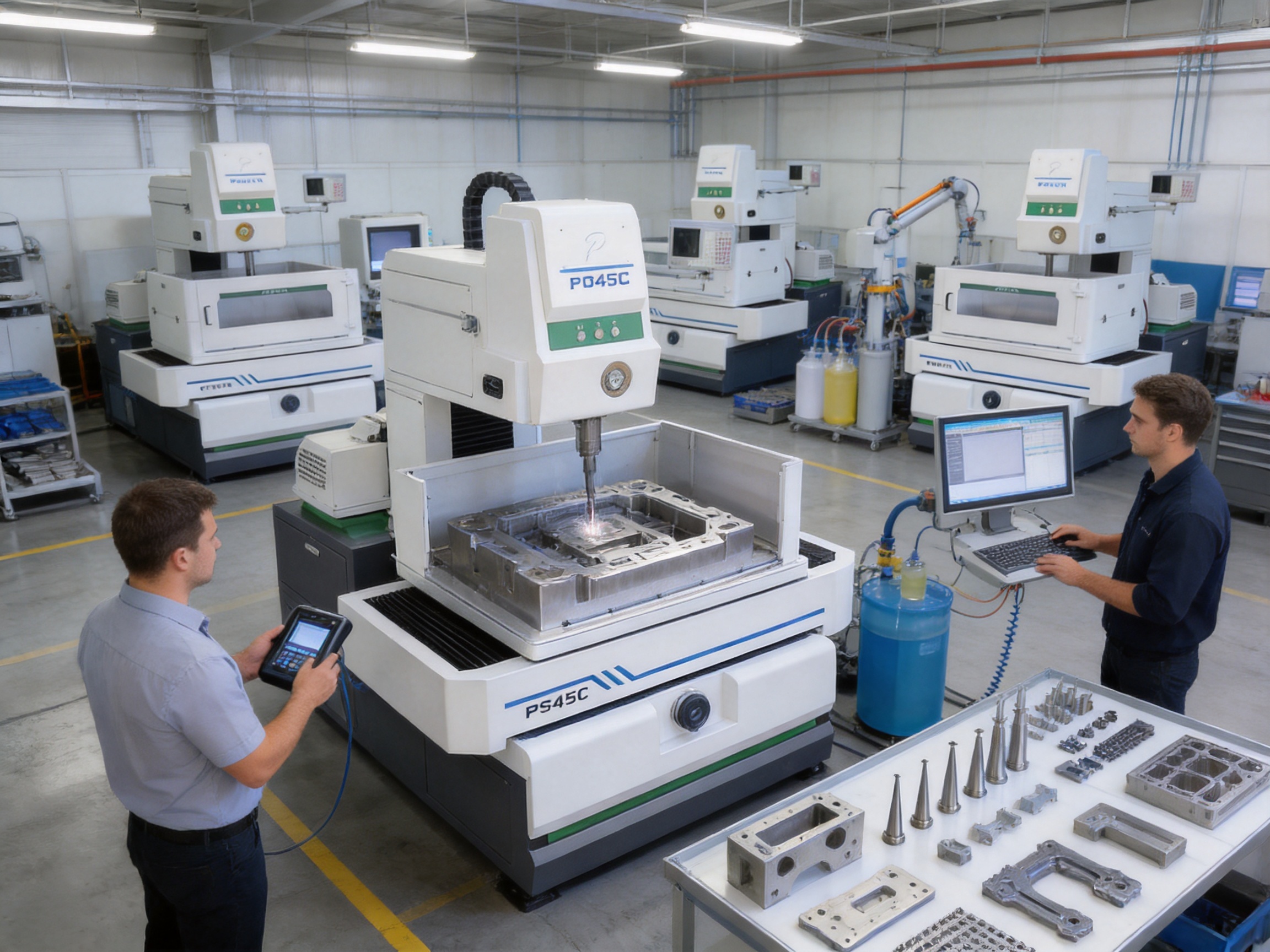
Product: PS45C Heavy-Duty CNC Medium Speed Wire Cut EDM Machine
-
Phone
+86-0523-86268788 +86-13815960366 +86-13912191163Email
[email protected]Address
No. 366, Yusheng Road Jiulong Town, Hailing District Taizhou City, China
Copyright © Taizhou Xinchengyang Machinery Manufacturing Co., Ltd. All Rights Reserved.
Custom edm machine for sale
wholesale edm machine manufacturers
