

 English
 русский
 عربى
عربى

Zhou Meiling — Technical Sales Consultant
Home / Author / Zhou Meiling — Technical Sales Consultant / Precision Medium-Speed Wire-Cut EDM for High-Accuracy Manufacturing
Precision Medium-Speed Wire-Cut EDM for High-Accuracy Manufacturing
2026-07-16
In modern precision manufacturing, the demand for efficient, stable, and accurate cutting technology continues to increase as industries pursue tighter tolerances, cleaner surfaces, shorter delivery cycles, and more flexible production systems. The PS35C Precision CNC Medium-Speed Wire-Cut EDM Machine is designed for this environment. It offers a practical balance between the high productivity of fast wire-cut EDM and the surface quality and multi-cut capability associated with more advanced EDM systems. For manufacturers working with molds, automotive components, aerospace parts, tooling inserts, medical device components, and other high-precision workpieces, the PS35C provides a reliable route to consistent machining performance.
The machine belongs to the PS-C medium-speed wire-cut EDM series and is intended for medium-sized precision workpieces. Its core value is not limited to cutting speed alone. Instead, it combines a rigid machine structure, intelligent CNC control, stable wire feeding, constant-tension technology, high-efficiency pulse power supply, grating scale monitoring, and user-friendly operation. This combination enables manufacturers to improve part quality while controlling operating costs. Compared with conventional high-speed wire-cut EDM equipment, the PS35C offers improved surface uniformity, better precision retention, more stable cutting conditions, and stronger suitability for multi-pass machining.
Taizhou Xinchengyang Machinery Manufacturing Co., Ltd. develops and manufactures the PS35C with a focus on precision, practicality, and long-term production value. The company has extensive experience in electrical discharge machining equipment, special processing technologies, and wire-cut EDM machine design. Its manufacturing philosophy emphasizes national-standard production, positioning accuracy inspection, rational mechanical design, strict assembly processes, and customer-oriented customization. These strengths allow the PS35C to serve not only as a machine tool, but also as a complete machining solution for factories seeking efficiency, repeatability, and stable quality.
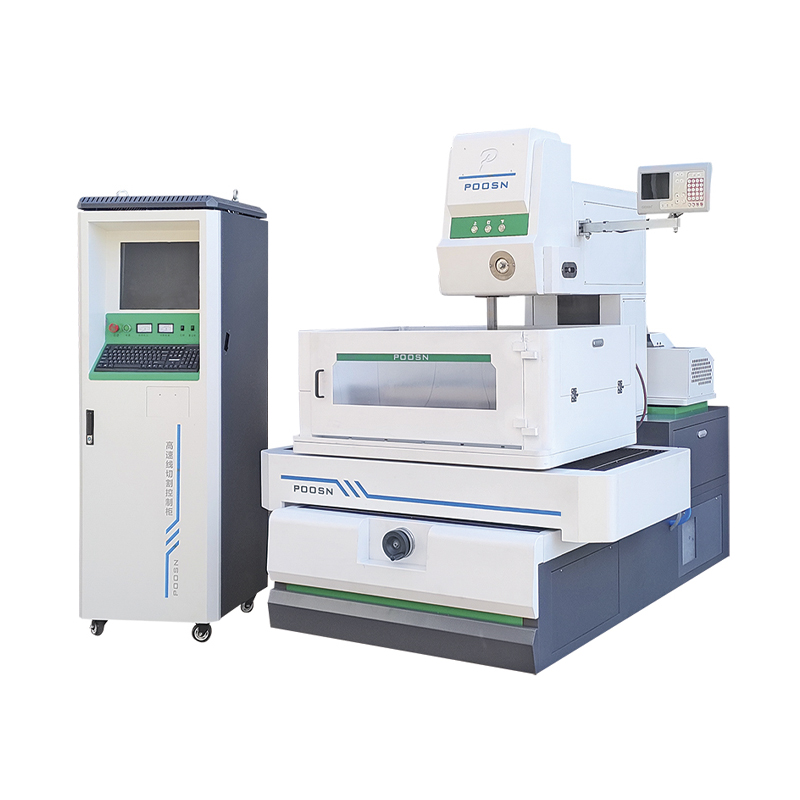
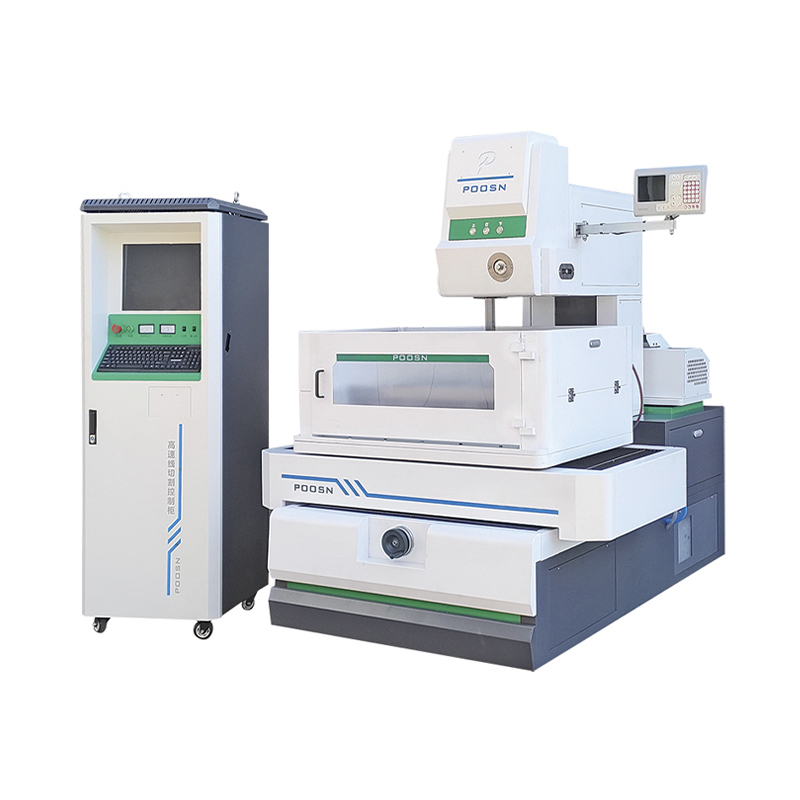
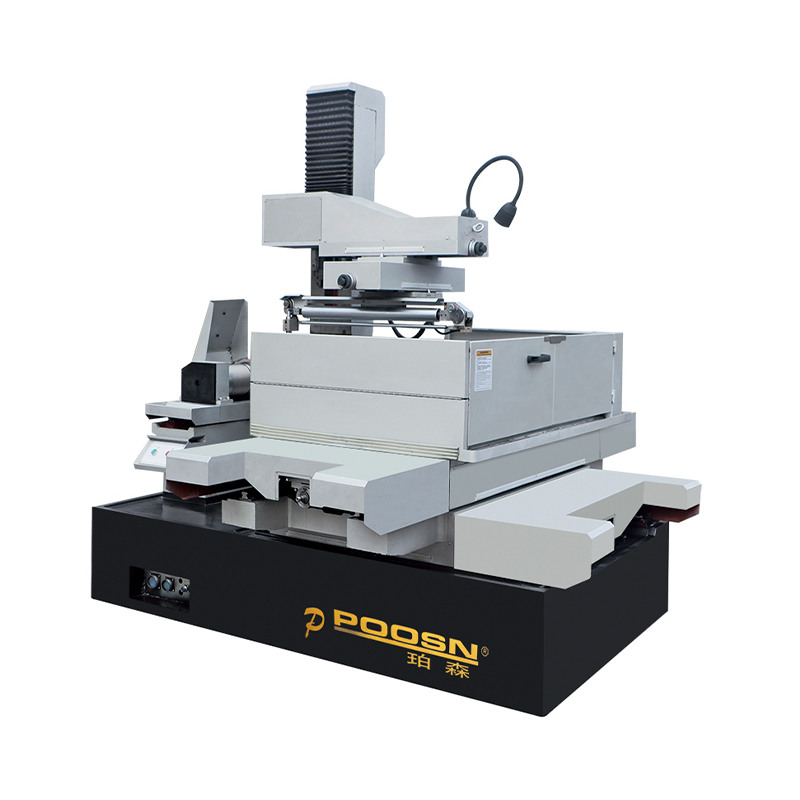
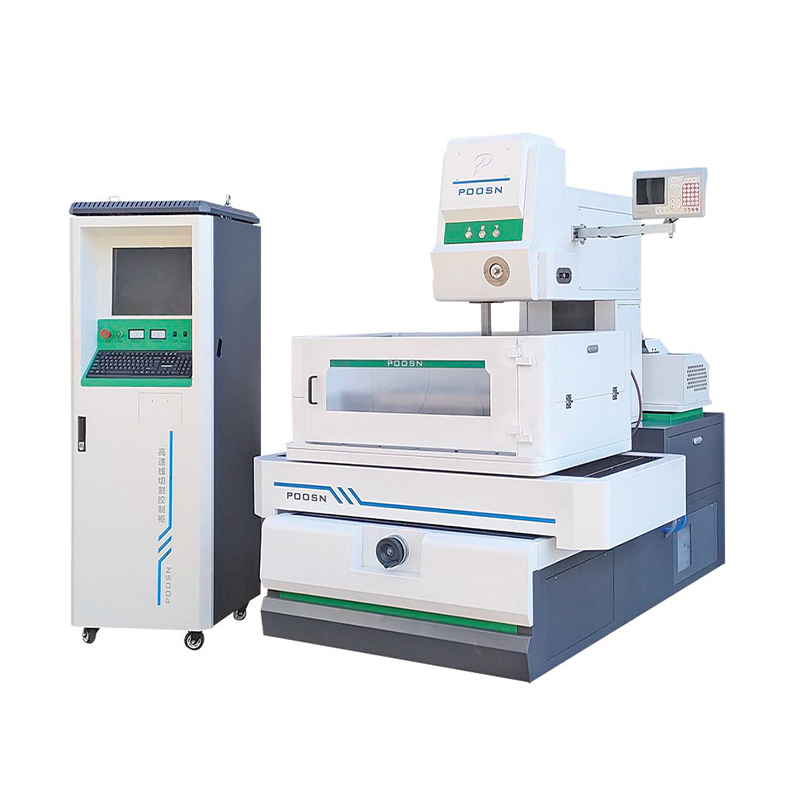
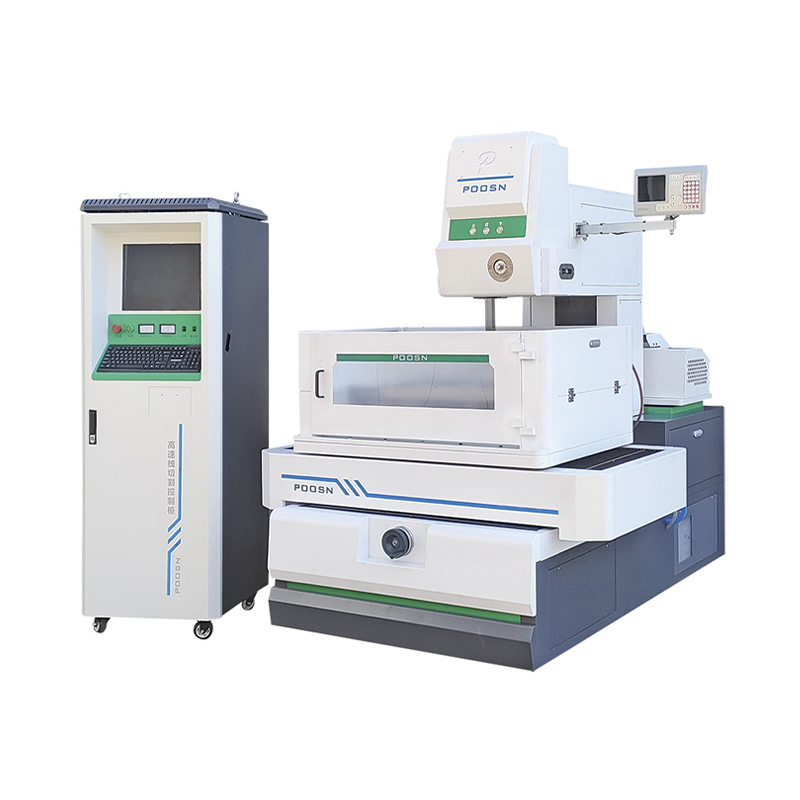
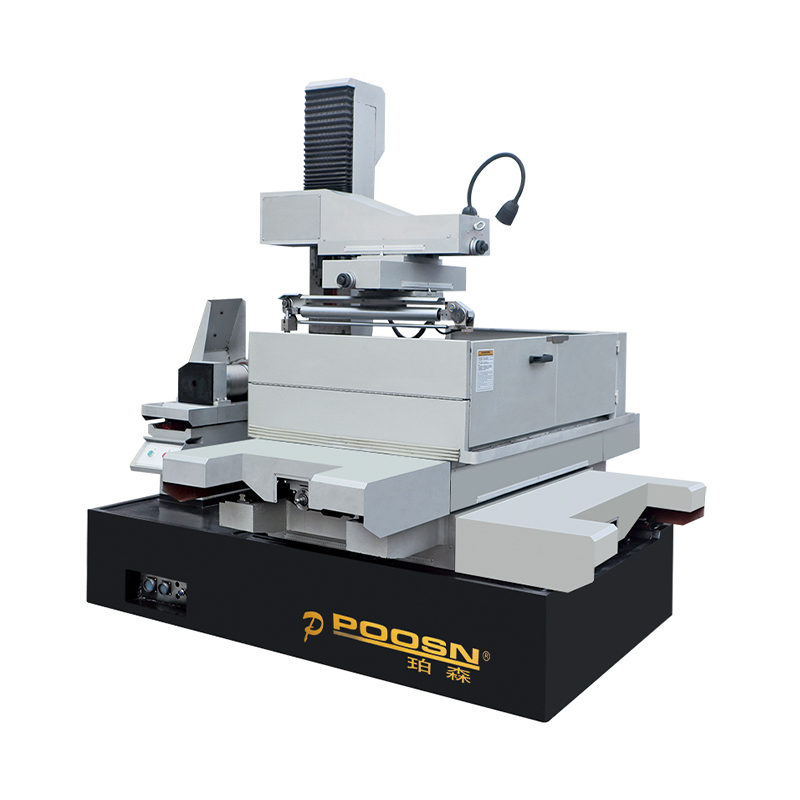
PS35C Precision CNC Medium Speed Wire Cut EDM Machine
Content
- 1 Product Positioning and Core Purpose
- 2 Technical Architecture of the PS35C
- 3 High-Precision Cutting Performance
- 4 Efficiency and Production Value
- 5 Advantages Over Traditional High-Speed Wire-Cut Machines
- 6 Manufacturing Strength Behind the Machine
- 7 Advanced Machine Structure and Stability
- 8 Wire Feed, Tension, and Cutting Stability
- 9 Control System and Intelligent Operation
- 10 Fluid Filtration and Environmental Considerations
- 11 Application Fields
- 12 Model Selection and Series Flexibility
- 13 Customization and Adaptability
- 14 Operator-Friendly Design
- 15 Reliability, Maintenance, and Lifecycle Support
- 16 Why the PS35C Represents a Strong Cost-Performance Choice
- 17 Production Workflow Benefits
- 18 Quality Assurance and Inspection Mindset
- 19 Q&A Section
- 19.1 Q1: What production tasks is the PS35C best suited for?
- 19.2 Q2: How is medium-speed wire-cut EDM different from traditional high-speed wire-cut EDM?
- 19.3 Q3: Can the PS35C process large workpieces?
- 19.4 Q4: What is the maximum cutting efficiency of the PS35C?
- 19.5 Q5: What surface roughness can the PS35C achieve?
- 19.6 Q6: Is the PS35C suitable for beginners?
- 19.7 Q7: What are the main advantages of the constant-tension wire system?
- 19.8 Q8: Why is the machine structure important for EDM accuracy?
- 19.9 Q9: Can the PS35C be customized?
- 19.10 Q10: What industries commonly use this type of machine?
- 20 Conclusion
- 21 References
- 22 Product: PS35C Precision CNC Medium Speed Wire Cut EDM Machine
Product Positioning and Core Purpose
The PS35C is positioned as a precision CNC medium-speed wire-cut EDM machine for small to medium-sized workpieces and medium-batch production. It is particularly suitable for manufacturers that need better cutting quality than ordinary high-speed wire-cut systems can provide, while still requiring cost efficiency compared with expensive low-speed wire EDM machines. This makes the PS35C a strong choice for mold shops, precision machining workshops, automotive parts suppliers, toolmakers, and production facilities that need both quality and throughput.
Medium-speed wire-cut EDM should not be understood simply as a middle wire speed between fast-speed and slow-speed EDM. In practical manufacturing, the term refers to a machining concept that combines reusable wire operation with multi-cut processing logic, improved pulse control, stable wire tension, and better surface finish. The PS35C uses these advantages to produce parts with reliable dimensional accuracy and smoother surfaces, while maintaining a favorable cost-performance ratio.
The machine is designed for workpieces requiring precision cutting, narrow kerf machining, contour accuracy, and repeatable processing. The X-axis and Y-axis travel of the PS35C are 350 mm and 500 mm respectively, making it suitable for many conventional small and medium-sized molds and mechanical parts. Its maximum cutting thickness is 280 mm, and its maximum worktable load is 300 kg. These specifications allow it to process a wide range of workpieces without occupying excessive factory space.
For workshops with larger processing requirements, the same series includes larger models such as PS45C, PS50C, and PS60C. However, the PS35C remains a practical and efficient model for manufacturers that mainly process compact precision components. Its compact footprint, controlled investment cost, and balanced technical configuration make it especially attractive to small and medium-sized enterprises pursuing higher machining standards.
Technical Architecture of the PS35C
The technical performance of a wire-cut EDM machine depends on how well its mechanical system, electrical system, fluid system, CNC control, and wire-feeding mechanism work together. The PS35C is engineered as an integrated platform rather than a collection of separate components. Its structure supports accuracy, its electrical discharge system supports productivity, and its intelligent control system supports consistent operation.
The machine body uses high-quality castings and a stable bed design to reduce vibration and deformation. The worktable is equipped with imported linear guides as standard, helping ensure smooth and accurate movement during machining. For real-time full-stroke position monitoring, the worktable is also equipped with a grating scale. This feature supports accuracy control across the machining stroke and helps the operator maintain confidence in dimensional output.
The wire feed system uses frequency-controlled wire speed from 1 to 11 m/s. This flexibility allows the operator to select appropriate cutting conditions according to material type, cutting thickness, surface requirements, and production speed. The electrode wire diameter is typically 0.18 mm with wire guide support, and the maximum wire storage length is approximately 320 m. The wire drum travel is 180 mm, providing stable wire handling for continuous operation.
In the electrical system, the PS35C is equipped with a high-speed or nanosecond power supply configuration across the series. Advanced pulse discharge control improves material removal efficiency and helps reduce electrode wear. The maximum cutting efficiency can reach approximately 10,000 to 16,000 mm²/h depending on the selected control cabinet and process conditions. For multi-cutting operations, the optimal surface roughness can reach Ra ≤ 1.2 μm, which is a significant improvement compared with many conventional high-speed wire-cut machines.
The tapering device supports UV travel of 60 mm by 60 mm, with maximum cutting taper of ±6° over 80 mm. The system uses four-axis linkage through X, Y, U, and V axes, enabling more complex machining paths. For workpieces requiring tapered surfaces, precision cavities, special profiles, or mold relief structures, this function adds valuable flexibility.
High-Precision Cutting Performance
Precision is one of the key reasons manufacturers select the PS35C. The machine is designed to support high-tolerance work and stable accuracy across repeated machining tasks. It offers linear accuracy advantages suitable for precision molds and small mechanical parts. In practical specifications, test-piece processing accuracy is listed at 0.01 mm, while the machine structure and control philosophy aim to support fine machining requirements under stable conditions.
In wire EDM, accuracy is affected by discharge gap stability, wire vibration, thermal expansion, axis motion, flushing efficiency, and control compensation. The PS35C addresses these factors through a combination of rigid structure, linear guide movement, constant-tension wire control, intelligent pulse parameters, and stable fluid flushing. Instead of relying on only one performance feature, it improves accuracy through system-level optimization.
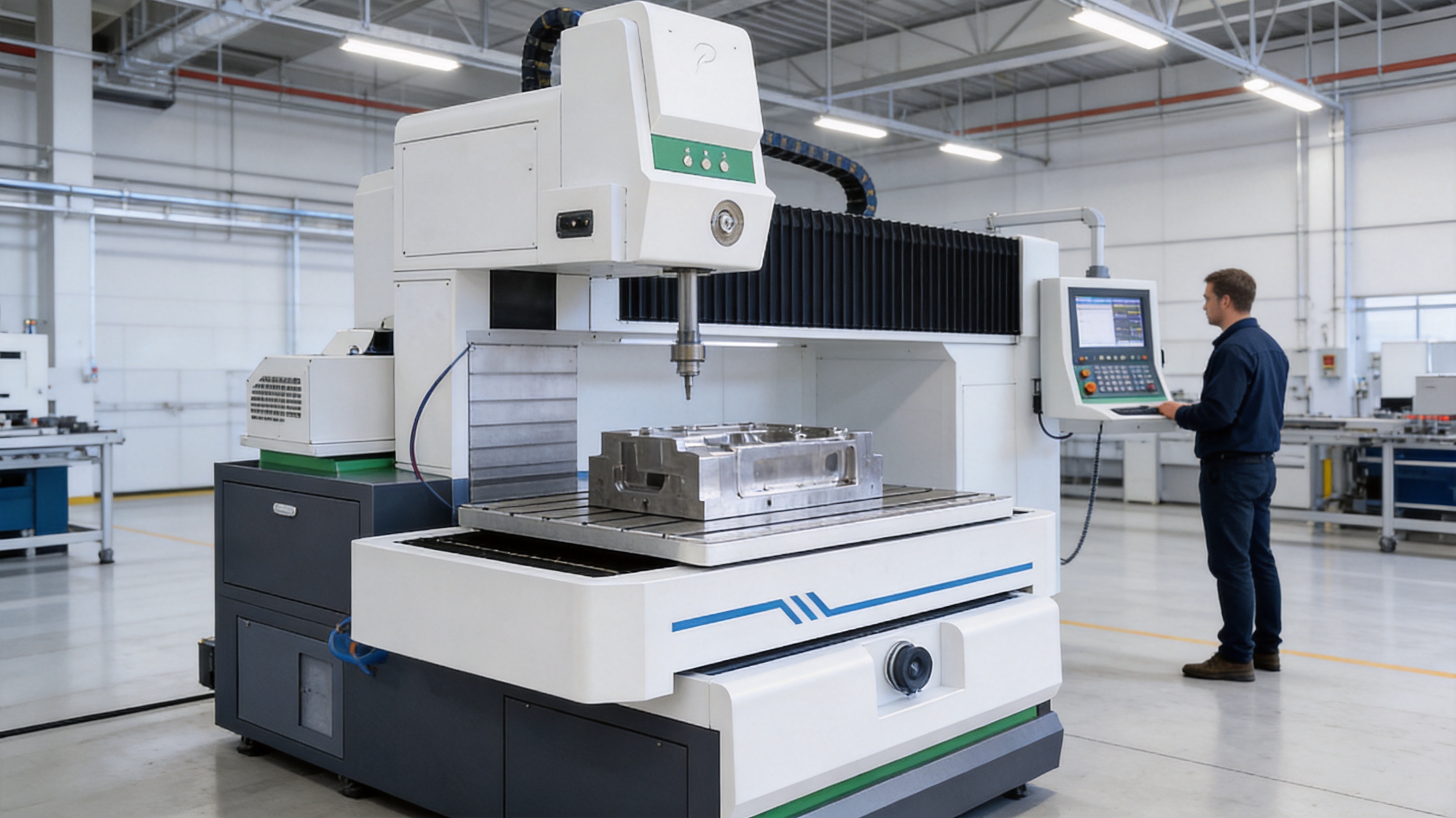
The high-stability bed structure is especially important. A machine tool that deforms during long-term cutting cannot maintain reliable accuracy even if its control system is advanced. The PS35C uses strong cast materials and a bed configuration intended to preserve geometric stability. Advanced aging treatment helps reduce internal stress in the casting, improving long-term precision retention. This is essential for manufacturers that operate machines continuously and require consistent results from one batch to another.
The use of linear guides and ball screws in critical motion areas helps improve movement smoothness and positioning consistency. The combination of stable axis drive, precision transmission components, and pitch error compensation brings the machining behavior closer to that of higher-grade EDM systems. For users processing precision inserts, dies, punches, templates, and fine contours, these design choices translate into better repeatability and fewer rejected parts.
Surface quality is another important measure of precision. The PS35C supports multi-cutting, which means rough cutting can be followed by trimming passes to improve the surface and refine dimensions. This function is a major advantage over traditional high-speed wire-cut machines, where surface stripes, roughness, and wire reversal marks may be more obvious. With proper parameter selection, the PS35C can produce smoother and more uniform surfaces suitable for many mold and tooling applications.
Efficiency and Production Value
Manufacturers do not choose a machine tool based only on accuracy. Productivity, operating cost, ease of use, reliability, and maintenance burden are equally important. The PS35C is designed to help users shorten production cycles while maintaining part quality. Its maximum cutting efficiency range of 10,000 to 16,000 mm²/h makes it suitable for medium-batch production, especially where multiple similar parts must be processed with predictable quality.
The optimized electrode wire feeding system and frequency control allow stable wire movement at different cutting speeds. Operators can adjust wire speed according to the task, avoiding unnecessary wear or unstable discharge. The high-efficiency pulse power supply supports faster material removal while helping maintain discharge stability. This is especially useful when cutting tool steel, die steel, alloy steel, carbide-related tooling components, conductive nonferrous metals, and other electrically conductive materials.
Production value also comes from lower operating costs. Compared with low-speed wire EDM machines that consume brass wire continuously, medium-speed reusable wire systems can reduce wire consumption. The PS35C uses a recyclable wire approach with improved tension control, which helps maintain machining quality while managing consumable cost. This cost advantage is important for small and medium-sized factories that must compete on both quality and price.
Energy-saving design is another factor. The machine’s electrical capacity is 2.5 kVA, and the system is designed for efficient operation under normal industrial power supply conditions. Reduced power consumption during long-term use helps lower operating expenses. When combined with reusable wire, efficient filtration, and durable mechanical construction, the PS35C offers a strong total-cost-of-ownership profile.
For medium-batch production, ease of setup also affects productivity. The PS35C uses an advanced operational control system with intuitive functions. The X8 system is standard, while CAXA CAM2019 or TCAM can be selected according to user requirements. Programming and G-code generation are simplified, reducing dependence on highly specialized operators. Even users with limited prior EDM experience can learn the basic operation quickly after training.
In practical workshop conditions, machine downtime can be more expensive than cutting time. The PS35C addresses this through robust construction, accessible maintenance points, convenient guide wheel replacement, stable wire tightening mechanisms, and efficient working-fluid management. Its structure is intended for long-term, high-intensity operation, reducing the risk of frequent failures and helping factories maintain delivery schedules.
Advantages Over Traditional High-Speed Wire-Cut Machines
Traditional high-speed wire-cut EDM machines remain widely used because they are economical and efficient for rough machining. However, they often have limitations when the required surface finish, dimensional stability, and contour precision increase. The PS35C improves upon these limitations by incorporating medium-speed EDM concepts, multi-cut capability, more advanced control, and better mechanical stability.
The first advantage is surface finish. Traditional high-speed machines may leave visible reversing lines or rough surface textures, especially on thicker workpieces or precision mold components. The PS35C supports multiple cutting passes, allowing the first pass to remove material and later passes to refine the surface. This reduces visible stripes and improves surface uniformity.
The second advantage is dimensional consistency. Wire vibration, changing tension, and mechanical looseness can reduce accuracy in conventional systems. The PS35C uses automatic double-sided tightening, constant-tension concepts, precision guides, and stable transmission components to reduce wire vibration and improve profile accuracy. This is especially useful in precision cavity machining and small mold cutting.
The third advantage is intelligent control. Many older machines use simpler open-loop control systems with limited optimization capability. The PS35C uses a professional industrial control system, intelligent programming, data interfaces, and optimized process parameter management. This allows better adaptation to different materials, thicknesses, and surface requirements.
The fourth advantage is environmental cleanliness. The PS35C includes anti-splash design features and improved fluid circulation. Effective flushing and filtration help remove debris from the discharge gap while maintaining a cleaner working area. This supports workshop safety, machine reliability, and long-term fluid performance.
The fifth advantage is cost-performance balance. While low-speed wire EDM can deliver very high surface quality, its purchase cost and consumable cost may be excessive for many applications. The PS35C offers a middle path: better quality than ordinary high-speed systems and lower cost than many low-speed systems. For many mold and parts manufacturers, this balance is economically attractive.
| Comparison Dimension | PS35C Medium-Speed Wire-Cut EDM | Conventional High-Speed Wire-Cut EDM | Typical Low-Speed Wire EDM |
| Surface Finish | Supports multi-cutting, smoother surface, Ra ≤ 1.2 μm under optimized conditions | More visible lines and rougher surfaces | Excellent finish, but with higher consumable cost |
| Cutting Efficiency | High efficiency, approximately 10,000 to 16,000 mm²/h depending on configuration | High rough-cut speed, but lower quality consistency | Accurate, but often slower and more costly |
| Operating Cost | Reusable wire system and energy-saving design support cost control | Low initial cost, but quality limitations may increase rework | Higher wire consumption and investment cost |
| Accuracy Stability | Rigid structure, grating monitoring, linear guides, and tension control | More affected by wire vibration and machine wear | Very high, depending on model and process |
| Application Fit | Precision molds, small and medium parts, automotive components, aerospace parts | Rough machining and lower-tolerance parts | Ultra-precision, high-value components |
| Cost-Performance Ratio | Strong balance between precision, efficiency, and cost | Good for basic tasks, limited for high-precision work | Excellent quality but higher total cost |
Manufacturing Strength Behind the Machine
The performance of the PS35C is closely connected to the manufacturing capability of Taizhou Xinchengyang Machinery Manufacturing Co., Ltd. The company specializes in EDM equipment, special processing technologies, and related CNC machinery. Its experience in wire-cut EDM dates back many years, and its product lines include PS-C and DK77-BC medium-speed wire-cut machines, DK77-A and DK77-B high-speed wire-cut machines, and DK77-D large-taper wire-cut machines.
A strong manufacturing foundation begins with technical capability. The company applies practical design knowledge accumulated from long-term EDM production. Every machine tool must meet mechanical, electrical, and accuracy requirements before delivery. Positioning accuracy testing is performed to confirm machine quality. This attention to inspection is essential because EDM machining often involves tight tolerances, long cutting times, and high-value workpieces.
The company’s processing equipment and testing methods support stable production. Precision machining of critical structural and transmission components helps ensure assembly accuracy. The use of quality castings, imported or carefully selected bearings, precision linear guides, ball screws, and reliable electrical elements helps improve machine durability. The company also pays attention to rational design, meaning the machine is not overcomplicated, but engineered around real production needs.
National-standard manufacturing is another strength. By strictly manufacturing products according to applicable standards, the company reduces quality variation and improves reliability from one machine to another. This is especially important for buyers who need multiple machines or future expansion. A consistent manufacturing process means that operators and maintenance personnel can work with familiar structures, controls, and service procedures across different models.
Innovation is also part of the company’s development. The POOSN brand originated in 2003, and the company has developed its wire-cut EDM technology through market experience, cooperation, and independent manufacturing. In 2018, it obtained a patent for a fully automatic CNC machine tool using plate-type winding and suction-type adhesive technology. In 2021, it was recognized as a High-Tech Enterprise in Taizhou. These milestones reflect a commitment to technical progress rather than simple assembly production.
For customers, manufacturing strength has practical meaning. It leads to better machine stability, stronger after-sales support, more reliable spare parts supply, and greater customization capability. When a manufacturer understands both the mechanical and process sides of EDM, it can provide more useful recommendations for machine selection, cutting parameters, and workflow integration.
Advanced Machine Structure and Stability
The PS35C uses a robust mechanical structure designed to resist deformation during long-term operation. High-quality HT250 castings and a T-shaped bed concept improve rigidity compared with conventional strip-shaped bed structures. In this arrangement, the worktable moves within the confines of the base, which helps prevent deformation and supports long-term machine stability.
Machine stability directly affects cutting quality. During wire EDM, the electrode wire must maintain a precise path while electrical discharges remove material. Any vibration, structural movement, or transmission error can appear on the workpiece surface. By using a strong skeleton, stable guideways, and carefully assembled motion mechanisms, the PS35C minimizes these risks.
Imported bearings are used in motion mechanisms, with Japanese EZO bearings mentioned among the selected components. High-quality bearings help reduce friction, backlash, and wear. The motion system also uses precision linear guides and ball screws, supporting smoother axis movement and better contour following. These components are essential for four-axis linkage and taper cutting operations.
The Z-axis lifting system supports one-click depth setting through linear guide technology. This makes adjustment easier and improves operational efficiency. In wire EDM, the ability to set the upper guide near the workpiece surface is important because excessive distance can increase wire vibration. The liftable gem wire guide allows the guide to approach the workpiece surface during machining, reducing vibration and improving accuracy and surface finish.
The waterproof gem guide wheel is another practical design element. A single-sided gemstone guide wheel with a diameter of 40 mm supports easy threading, long service life, and high precision. Guide wheel quality affects wire guidance and stability, so durable and accurate guide components contribute to overall machining consistency.
Wire Feed, Tension, and Cutting Stability
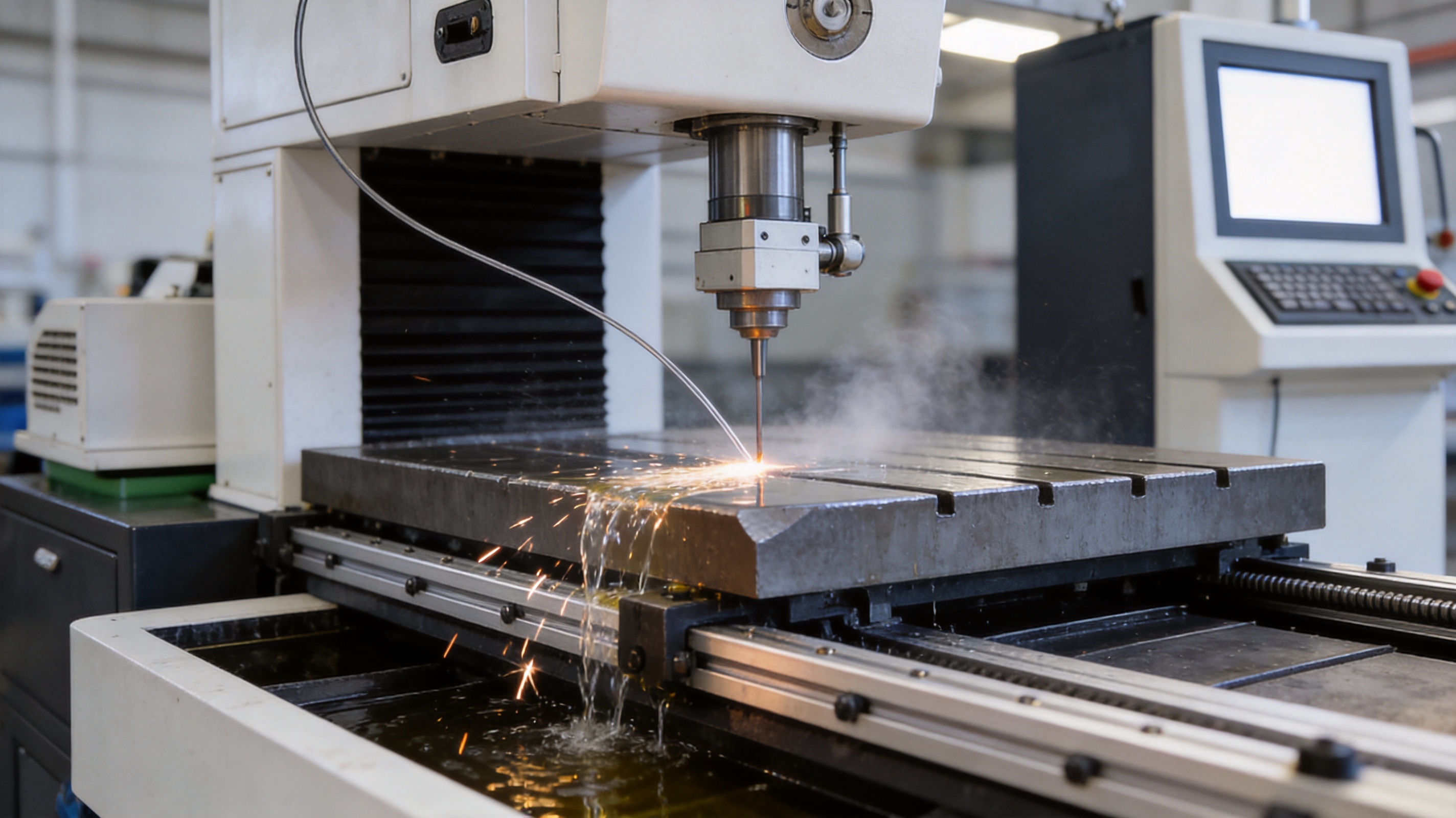
The wire feed system is central to EDM performance. If wire tension changes during cutting, the wire can vibrate, deflect, or leave inconsistent marks on the workpiece surface. The PS35C is designed with automatic double-sided tightening and an optional adaptive constant-tension wire tightening mechanism. These features help prevent molybdenum wire vibration and single-sided loosening.
Traditional weight-based tension systems may respond slowly to sudden tension changes. During taper cutting or complex contour machining, wire path conditions can change dynamically, making simple tension systems less effective. The PS35C’s constant-tension approach is intended to maintain more stable wire behavior even when cutting conditions vary. This improves surface finish, reduces contour deviation, and increases repeatability.
Frequency-controlled wire feeding from 1 to 11 m/s gives operators process flexibility. Higher speed can support efficient material removal, while lower or optimized speed may improve surface quality and control in specific applications. Because the machine supports multiple process settings, users can develop cutting strategies for different workpiece materials and thicknesses.
The electrode wire diameter of 0.18 mm is suitable for many precision cutting applications. This diameter provides a balance between cutting stability, kerf width, and wire strength. In mold and tooling applications, wire diameter affects corner radius, slot width, and discharge energy distribution. The PS35C’s wire guidance and tension systems help the wire perform consistently during these tasks.
Automatic tracking water spraying during cutting helps maintain discharge stability by flushing away eroded particles. Efficient flushing is essential because debris accumulation in the discharge gap can cause unstable sparks, short circuits, poor surface quality, and reduced speed. By maintaining working-fluid flow near the cutting zone, the machine improves machining reliability.
Control System and Intelligent Operation
The PS35C is equipped with an advanced CNC control platform designed for practical operation and reliable long-term use. The standard configuration includes the X8 or AUTOCUT control system, while optional programming tools such as CAXA CAM2019 or TCAM can be selected based on user requirements. This flexibility helps different workshops integrate the machine into their existing programming habits.
An industrial control computer supports stable processing performance. Interfaces such as LAN and USB allow convenient data exchange. This is useful for workshops that prepare programs at engineering stations and transfer them to the machine. Digital data transfer reduces manual input errors and improves production organization.
The intelligent programming system simplifies G-code generation. In many small and medium-sized factories, operators may need to manage multiple responsibilities, including programming, setup, and quality checking. A control system that reduces programming complexity can significantly improve productivity. The PS35C’s user-friendly interface helps operators select parameters, monitor progress, and manage cutting operations more efficiently.
The control system also supports multi-cut logic. Multi-cutting requires precise coordination of pulse energy, offset compensation, wire movement, and path control. The PS35C can perform rough cutting followed by trimming passes to refine dimensions and improve surface finish. This capability is one of the defining advantages of medium-speed wire-cut EDM.
For intelligent manufacturing environments, data connectivity is increasingly important. The PS35C provides a foundation for networking and production monitoring. Reserved data interfaces can support integration with management systems, enabling future development toward shop-floor data collection, production progress monitoring, and fault notification. This aligns with the broader trend of smart factories and digital manufacturing.
Fluid Filtration and Environmental Considerations
The working fluid system in wire EDM performs several essential functions. It cools the machining area, removes eroded debris, supports stable discharge, and helps maintain surface quality. The PS35C uses a high-pressure water tank with an 80 L fluid capacity and paper core filtration. This setup supports practical workshop use and helps maintain clean fluid circulation.
A clean fluid system improves both machining quality and machine life. If particles remain in the dielectric fluid, they can interfere with discharge stability and increase the risk of poor surface finish. Effective filtration extends fluid service life and reduces the frequency of fluid replacement. This contributes to lower operating cost and more environmentally responsible operation.
The machine also includes anti-splash design considerations. Working-fluid splatter can make the workshop dirty, increase maintenance labor, and create safety concerns. By improving containment and fluid delivery, the PS35C helps maintain a cleaner processing environment. This is particularly important in modern factories where cleanliness, safety, and environmental control are increasingly valued.
Eco-friendly manufacturing is not limited to emissions or energy consumption. It also includes reducing waste, improving consumable efficiency, extending fluid life, and minimizing unnecessary rework. The PS35C supports these goals through efficient recirculation, reusable wire operation, durable components, and stable machining output. When fewer parts are rejected and fewer consumables are wasted, the entire production process becomes more sustainable.
Application Fields
The PS35C is suitable for several industrial sectors where accurate cutting of electrically conductive materials is required. Its combination of precision, speed, and cost control makes it useful for both job shops and dedicated production lines.
In automotive parts processing, the PS35C can be used for engine-related parts, gears, precision templates, fixture components, die inserts, and forming tools. Automotive manufacturing often requires repeatability across batches and reliable dimensional control. The machine’s stable cutting process and multi-cut capability help meet these requirements.
In mold manufacturing, the PS35C is suitable for cutting punches, dies, inserts, cavity components, electrodes, templates, and precision mold plates. Mold components often require complex contours and accurate fit. Surface finish is also important because poor cutting quality can increase polishing time or affect mold assembly. The PS35C’s ability to improve surface quality through multi-cutting reduces secondary finishing work.
In aerospace parts processing, reliable accuracy and stable machining are especially important. Aerospace components may use high-strength conductive alloys and require careful machining control. While the PS35C is not positioned as an ultra-large aerospace system, it provides a dependable solution for smaller precision components, tooling, fixtures, and specialized parts used in aerospace-related production.
In medical device manufacturing, EDM can be useful for precision conductive components, surgical tool features, small fixtures, and tooling elements. The PS35C’s controlled cutting process supports fine profiles and repeatable machining, which are valuable in highly regulated production environments.
In general precision engineering, the machine can process small mechanical parts, gauges, special-shaped slots, prototypes, and custom components. Because it offers a balance between quality and cost, it is suitable for workshops that handle diverse customer orders and need adaptable equipment.
Model Selection and Series Flexibility
Although the PS35C is the focus of this article, it is part of a wider product series. Understanding the series helps customers choose the correct model for their workload. The PS35C has a worktable size of 550 mm by 826 mm and XY travel of 350 mm by 500 mm. It is recommended for small parts, small-to-medium batch production, and applications requiring high cutting precision and processing efficiency.
The PS45C offers a larger worktable and higher load capacity, making it suitable for medium-sized parts and larger molds. The PS50C is designed for larger and heavier workpieces, especially tasks requiring higher load capacity and precision. The PS60C is intended for extra-large workpieces and high-load components, including heavy-duty molds and demanding industrial applications.
Customers should evaluate workpiece size, maximum cutting thickness, expected load, tolerance requirements, production volume, and future expansion plans before choosing a model. Selecting a machine that is too small may limit future orders, while selecting an unnecessarily large model may increase investment and floor space requirements. Taizhou Xinchengyang provides model selection advice and customization support to help customers make practical decisions.
For the PS35C, the maximum worktable load is 300 kg, which is sufficient for many compact mold and precision part applications. If customers expect to process heavier plates or larger molds regularly, a larger model may be more appropriate. The availability of customizable options for PS60C and above machines also supports special industrial requirements.
Customization and Adaptability
One of the advantages of working with a specialized EDM machine manufacturer is the ability to obtain configuration guidance and customization. The PS35C series machine tools can be adjusted according to specific customer needs. Customization may include workbench size considerations, cutting depth requirements, electrode wire type, operating system preferences, and optimized cutting parameters for special materials.
Different industries have different priorities. A mold manufacturer may care most about surface finish and contour accuracy. An automotive supplier may emphasize cycle time and repeatability. A tooling shop may need flexibility for one-off and small-batch jobs. A research or prototype workshop may need easy programming and quick setup. The PS35C can be configured and supported according to these different use cases.
Control software customization can help align the machine with existing workflows. Operators may prefer certain programming methods, file transfer habits, or parameter libraries. By adapting the system to practical workshop requirements, the machine becomes easier to integrate and more productive from the beginning.
Cutting parameter optimization is also important. EDM performance depends heavily on the relationship between material, thickness, discharge energy, wire speed, flushing pressure, and pass strategy. Taizhou Xinchengyang can provide technical guidance to help users develop suitable process settings. This reduces trial-and-error time and helps customers achieve stable results faster.
Operator-Friendly Design
Ease of operation is a significant advantage of the PS35C. Many factories face a shortage of highly experienced machine operators. A machine that requires excessive specialist knowledge can create bottlenecks. The PS35C addresses this through intuitive controls, touchscreen-supported operation, simplified programming, automatic functions, and practical mechanical design.
The one-touch motor automatic threading function reduces manual labor intensity and improves safety. Wire threading can be time-consuming, especially for operators who perform frequent setups. By making threading more convenient and efficient, the machine reduces non-cutting time and improves workflow.
Non-destructive high-precision center hole positioning supports accurate setup. Correct positioning is essential for producing parts within tolerance. If positioning is difficult or inconsistent, operators may lose time and risk scrapping material. The PS35C’s positioning support helps improve confidence during setup.
The liftable gem wire guide improves manual operation because the cutting height range can be adjusted without rethreading the wire. This reduces setup complexity and helps operators maintain productivity when changing workpiece height or machining conditions.
The control interface supports beginners while still giving experienced operators enough flexibility. Novice operators can quickly learn standard procedures, while skilled personnel can optimize parameters for demanding tasks. This dual-level usability makes the PS35C suitable for growing factories that need to train new staff while maintaining quality.
Reliability, Maintenance, and Lifecycle Support
Machine reliability is a major factor in long-term value. The PS35C is designed with durable materials, stable motion components, efficient wire handling, and maintainable structure. Its robust design reduces equipment failure rates and maintenance costs, making it suitable for long-term, high-intensity use.
Convenient replacement of the main guide wheel simplifies routine maintenance. Guide wheels are important wear-related components in wire EDM, and easy replacement reduces downtime. Automatic spring wire tension and automatic double-sided tightening reduce manual adjustment needs and help maintain stable cutting conditions.
The company provides rapid response and professional technical support to ensure operational stability. Lifecycle service includes initial process validation, training, troubleshooting, spare parts assistance, and technical consultation. This support is important because customers often need help not only with mechanical maintenance but also with machining strategy.
Comprehensive lifecycle service reflects the company’s customer-oriented principle of quality first and customer supreme. A machine tool is a long-term investment, and its value depends on years of stable production. By providing service after delivery, Taizhou Xinchengyang helps customers protect that investment.
Why the PS35C Represents a Strong Cost-Performance Choice
The PS35C is attractive because it solves a common manufacturing problem: how to achieve better precision and surface quality without accepting the full cost of high-end low-speed wire EDM. Many factories begin with high-speed wire-cut machines because they are affordable, but later encounter limitations as customers demand better finishes and tighter tolerances. The PS35C provides a practical upgrade path.
Its cost-performance advantage comes from several factors. First, reusable wire reduces consumable cost. Second, multi-cut capability reduces secondary finishing and rework. Third, robust machine structure improves long-term accuracy, lowering scrap risk. Fourth, intelligent control reduces operator difficulty. Fifth, energy-saving design supports lower operating expenses. Sixth, reliable manufacturer support reduces downtime risk.
Compared with competitors that rely mainly on low price, the PS35C offers stronger technical value. A low-cost machine may appear attractive at purchase, but if it produces inconsistent parts, requires frequent maintenance, or cannot meet customer tolerance requirements, its true cost becomes high. The PS35C is designed to deliver stable production value rather than only initial affordability.
Compared with expensive imported or high-end EDM systems, the PS35C offers a more accessible solution for many practical applications. It may not replace ultra-precision slow-wire EDM in every demanding scenario, but it can meet a wide range of mold and precision part requirements at a more balanced cost. This makes it especially suitable for companies that want to upgrade capability without overextending investment.
Production Workflow Benefits
Integrating the PS35C into a production workflow can improve multiple stages of manufacturing. During quotation, the machine’s efficiency and predictable process capability help estimate costs more accurately. During programming, simplified CAM and control functions reduce preparation time. During setup, positioning and threading features shorten non-machining time. During cutting, stable discharge and wire tension improve quality. During inspection, improved repeatability reduces correction cycles.
For mold shops, this can mean faster delivery of inserts, punches, and die components. For automotive suppliers, it can mean more stable batch output. For general machining workshops, it can mean the ability to accept higher-precision EDM jobs. For small enterprises, it can mean upgrading from basic cutting to more value-added production.
The PS35C also supports flexible production. Because it can handle different materials, contours, and thicknesses, it is suitable for mixed-order environments. In many workshops, the machine may process prototype parts in the morning, mold inserts in the afternoon, and small batch production at night. Stable automation and easy operation support such flexibility.
Quality Assurance and Inspection Mindset
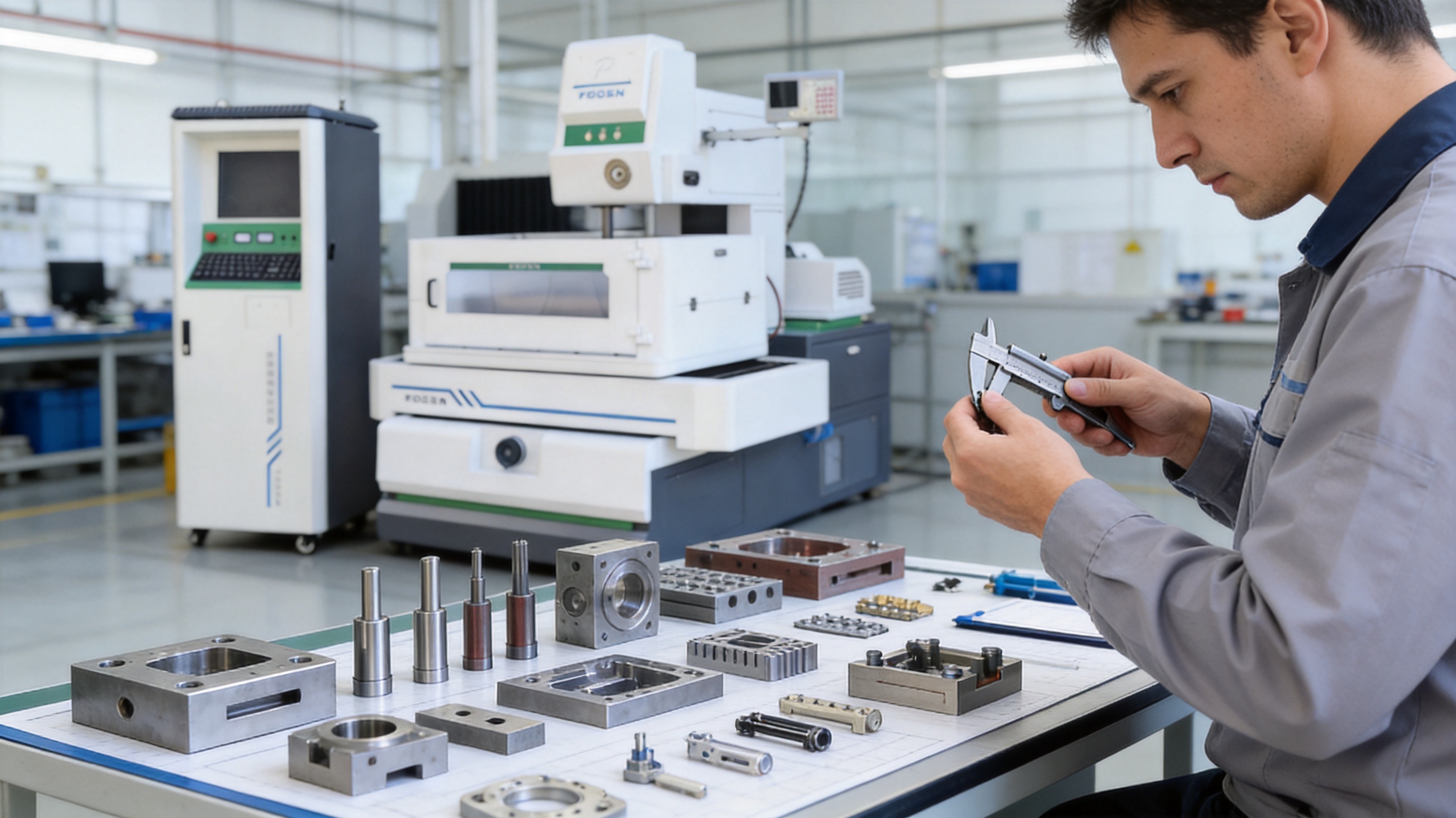
Quality assurance begins before the machine reaches the customer. Taizhou Xinchengyang emphasizes comprehensive testing and positioning accuracy inspection for every machine tool. This manufacturing discipline is important because wire EDM accuracy depends on the entire machine system. If alignment, axis movement, guide installation, or electrical tuning is poor, the final user will experience quality problems.
By applying structured inspection, the company reduces delivery risk. Customers receive machines that have been checked for mechanical and positioning performance. This shortens commissioning time and gives users a better starting point for production.
Quality assurance also continues through user training and process support. Even a well-built EDM machine requires correct parameters, proper maintenance, clean working fluid, suitable wire condition, and accurate setup. Technical support helps customers establish good operating habits, improving long-term results.
Q&A Section
Q1: What production tasks is the PS35C best suited for?
The PS35C is best suited for precision cutting of small and medium-sized components, mold inserts, punches, dies, templates, tooling parts, automotive components, and medium-precision to high-precision workpieces. It is especially suitable for small and medium-sized enterprises requiring small-to-medium batch production with good accuracy and efficiency.
Q2: How is medium-speed wire-cut EDM different from traditional high-speed wire-cut EDM?
Medium-speed wire-cut EDM is not simply defined by wire speed. It combines reusable wire operation with multi-cut machining logic, more advanced pulse control, improved wire tension stability, and better surface quality. Compared with traditional high-speed wire-cut EDM, the PS35C can achieve smoother surfaces, better dimensional consistency, and stronger suitability for precision work.
Q3: Can the PS35C process large workpieces?
The PS35C has XY travel of 350 mm by 500 mm, a worktable size of 550 mm by 826 mm, and a maximum worktable load of 300 kg. It is suitable for most small and medium-sized workpieces. If the customer regularly processes larger or heavier parts, larger models such as PS45C, PS50C, or PS60C may be more appropriate.
Q4: What is the maximum cutting efficiency of the PS35C?
The maximum cutting efficiency can reach approximately 10,000 to 16,000 mm²/h, depending on the selected control cabinet, material, thickness, cutting parameters, and surface quality requirements. This efficiency makes the machine suitable for medium-batch production.
Q5: What surface roughness can the PS35C achieve?
Under optimized multi-cutting conditions, the PS35C can achieve an optimal surface roughness of Ra ≤ 1.2 μm. Actual results depend on material, thickness, wire condition, flushing, and selected machining parameters.
Q6: Is the PS35C suitable for beginners?
Yes. The machine is designed with a user-friendly control system, intuitive interface, simplified programming, and practical automatic functions. Beginners can learn operation quickly after proper training, while experienced operators can further optimize cutting parameters for more demanding tasks.
Q7: What are the main advantages of the constant-tension wire system?
The constant-tension wire system helps maintain stable wire behavior during cutting. It reduces vibration, improves surface finish, supports contour accuracy, and is especially useful during taper cutting or complex profile machining. Stable tension also reduces the risk of inconsistent cutting marks.
Q8: Why is the machine structure important for EDM accuracy?
EDM accuracy depends on stable motion and precise wire positioning. If the machine bed deforms or vibrates, the wire path can deviate from the intended contour. The PS35C uses a rigid casting structure, precision linear guides, quality bearings, and stable transmission components to support long-term accuracy.
Q9: Can the PS35C be customized?
Yes. Configuration and process support can be adjusted according to customer requirements. Possible customization areas include workbench-related requirements, cutting depth needs, wire type, operating system preferences, and parameter optimization for specific materials or industries.
Q10: What industries commonly use this type of machine?
Common industries include mold manufacturing, automotive parts production, aerospace tooling and component machining, precision engineering, medical device tooling, electrical component manufacturing, and general CNC job shops that require accurate cutting of conductive materials.
Conclusion
The PS35C Precision CNC Medium-Speed Wire-Cut EDM Machine is a strong solution for manufacturers seeking a practical balance between precision, efficiency, surface quality, and operating cost. It improves upon traditional high-speed wire-cut EDM by offering multi-cut capability, better surface finish, stable wire tension, intelligent control, and a more rigid mechanical platform. At the same time, it provides a more cost-effective alternative for many applications that do not require the full investment level of high-end low-speed wire EDM.
Its advantages are rooted not only in specifications but also in system integration. The rigid bed, imported linear guides, grating scale monitoring, high-efficiency pulse power supply, frequency-controlled wire feed, gem guide components, fluid filtration, and user-friendly CNC platform work together to deliver stable machining performance. This integrated design helps users reduce rework, improve production consistency, lower operating costs, and expand machining capability.
Behind the machine is Taizhou Xinchengyang Machinery Manufacturing Co., Ltd., a specialized EDM equipment manufacturer with strong technical experience, advanced processing capability, strict testing methods, and a commitment to customer-oriented service. The company’s development history, product range, patent achievements, and high-tech enterprise recognition demonstrate its dedication to continuous improvement. For customers, this means access not only to a machine tool, but also to technical support, customization capability, and long-term production partnership.
For mold shops, automotive suppliers, precision machining workshops, and manufacturers seeking to upgrade from basic wire cutting to higher-value EDM production, the PS35C offers a dependable and economical path forward. It is compact enough for small and medium-sized workshops, powerful enough for demanding precision work, and flexible enough for diverse industrial applications. In an era where manufacturers must compete through quality, speed, and cost control, the PS35C stands as a practical tool for intelligent and precision-oriented manufacturing.
References
1. Ho, K. H., and Newman, S. T. State of the Art Electrical Discharge Machining. International Journal of Machine Tools and Manufacture.
2. Kunieda, M., Lauwers, B., Rajurkar, K. P., and Schumacher, B. M. Advancing EDM Through Fundamental Insight into the Process. CIRP Annals.
3. Rajurkar, K. P., and Pandit, S. M. Formation and Ejection of EDM Debris. Journal of Engineering for Industry.
4. McGeough, J. A. Advanced Methods of Machining. Chapman and Hall.
5. Boothroyd, G., and Knight, W. A. Fundamentals of Machining and Machine Tools. CRC Press.
6. Benedict, G. F. Nontraditional Manufacturing Processes. Marcel Dekker.
7. Company technical product materials for PS-C medium-speed wire-cut EDM machine series.
Product: PS35C Precision CNC Medium Speed Wire Cut EDM Machine
-
Phone
+86-0523-86268788 +86-13815960366 +86-13912191163Email
[email protected]Address
No. 366, Yusheng Road Jiulong Town, Hailing District Taizhou City, China
Copyright © Taizhou Xinchengyang Machinery Manufacturing Co., Ltd. All Rights Reserved.
Custom edm machine for sale
wholesale edm machine manufacturers
